
Both are built in place rather than bought as ready-made panels, so the real difference isn't strength — it's the finish, the privacy at the boards themselves, and what it costs to maintain that finish.
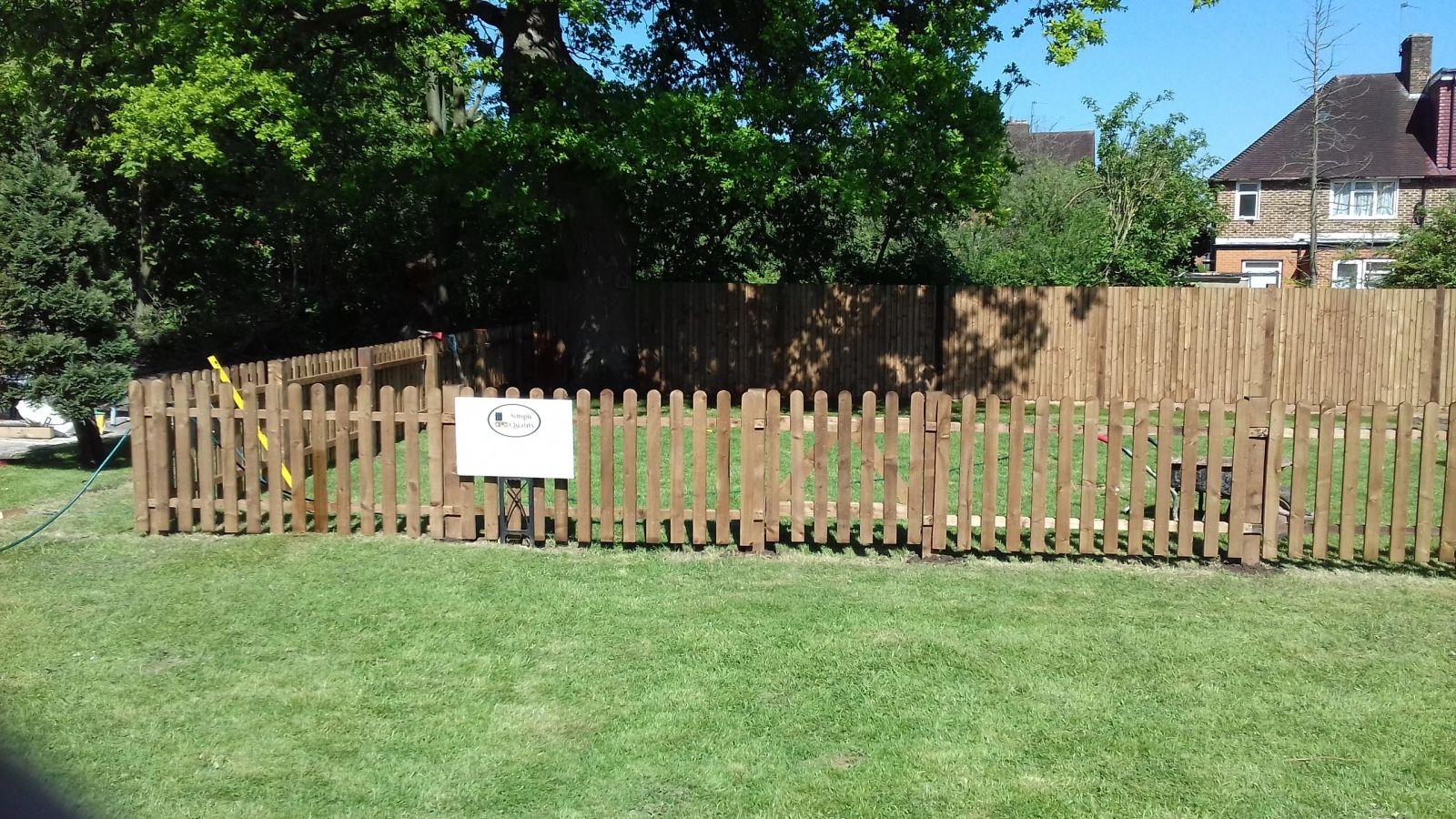
Closeboard (feather-edge)
Best for: Cost-conscious builds and boundaries needing straightforward future repairs
- Lower material cost than tongue-and-groove boarding
- Individual boards replace easily without disturbing neighbours
- Well-proven, widely available timber sections
- Slight overlap between boards means one face looks better finished than the other
- Small gaps can appear as boards shrink with age
Tongue-and-groove boarding
Best for: Boundaries visible from both sides, shared driveways, higher-spec projects
- Completely flat, gap-free face — identical appearance from both sides
- No overlap means neighbours see a finished face too, not just batten backs
- Very good sound and wind screening due to the tight joint
- Higher material cost than feather-edge boards
- Boards can be more prone to trapping moisture in the joint if not treated well
- Repairing one board sometimes means loosening the boards either side
Side by side
| Closeboard | Tongue-and-groove | |
|---|---|---|
| Cost | Lower | Higher |
| Finish both sides | One side finished, one shows framing | Identical both sides |
| Gaps over time | Minor gaps possible as timber moves | Tighter joint, less gapping |
| Repairability | Simple, board by board | Slightly more involved |
Which should you choose?
If cost and easy future repairs matter most, closeboard remains the sensible default and is what most of our fencing quotes are based on.
If the fence faces a neighbour, a driveway or a road and both faces need to look finished, tongue-and-groove is worth the extra spend.
Closeboard for value and simplicity; tongue-and-groove where both faces of the fence are on show.
Fence overlooked from both sides?
We'll show you samples of both finishes on your site visit so you can see the difference before deciding.
Frequently asked
Is tongue-and-groove stronger than closeboard?
Similar strength when built on the same rail and post structure — the difference is finish and joint tightness, not structural strength.
Which needs less maintenance?
Both need similar periodic treatment; tongue-and-groove's tighter joints can hold moisture slightly longer if not treated evenly.
Can a neighbour dispute which face they get?
Worth agreeing before work starts — tongue-and-groove avoids the argument entirely since both sides look the same.
Is tongue-and-groove available in different heights?
Yes, it's built to your boundary in the same way closeboard is, so height isn't limited by a standard panel size.