
How it's done
Fence Repairs: What to Expect From the Quote to the Fix
A fence repair starts with finding why the fence failed, usually the posts, then pricing the fix in writing. Most repairs are a post, a panel, a few boards or a gravel board, done by our own team after a free site visit.
When a fence leans, loses a panel or starts rattling in the wind, the question most people have is simple: can it be fixed, and what will happen if I ask someone to look at it? This guide walks through a repair job the way it actually runs, from the first photo you send to the moment the fence is standing straight again.
It is written from the repair work we do across London and Hertfordshire. We do not put prices on a page, because two fences that look the same from the kitchen window can need very different work once you look at the base of the posts.
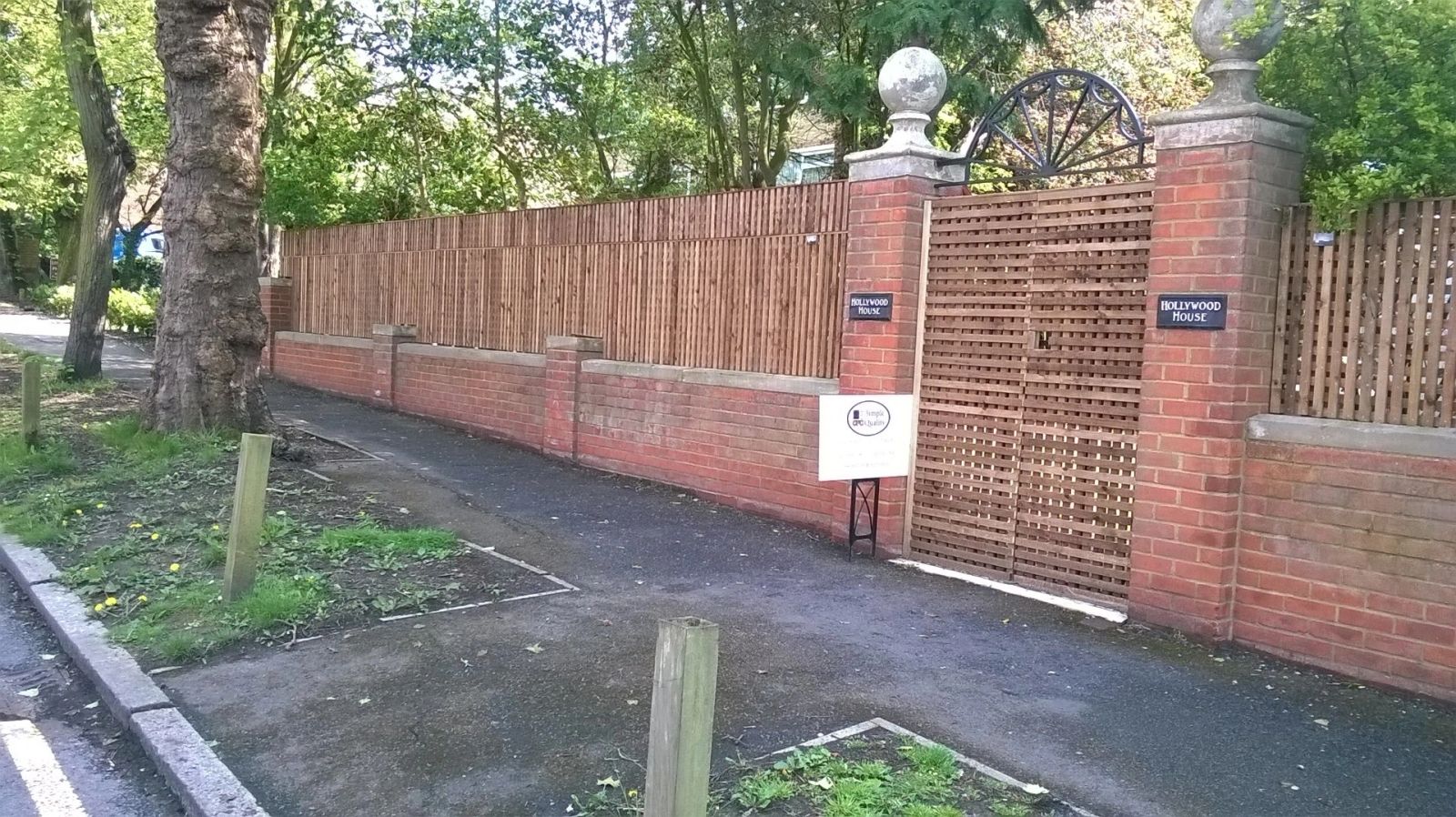
Step one: photos or a visit
Many repair enquiries start with a few photos sent through the form on this site. A clear picture of the whole run, a close up of any broken post and a shot of where the post meets the ground usually tell us whether it is a small job or something larger. If the picture is not enough, we come out for a free site visit and look at it properly.
It helps to say whether the fence is yours or your neighbour's, how long it has been leaning and whether anything has changed nearby, such as a new patio, a tree taken out or a shed put up against it.
Step two: finding the real cause
The visible damage is rarely the fault. A panel that has blown out is often sitting between two posts that have rotted at ground level. A board that has split may be on a rail that has pulled away. A fence that leans along its whole length usually has posts that were set too shallow or have been pushed over by soil or roots.
On a repair visit we check each post by hand at the base, look at the gravel boards, see whether the rails are sound and note anything pressing against the fence. That is what decides the repair, not the one panel on the floor.
- Posts: rot at ground level, cracks in concrete, shallow or loose bases
- Gravel boards: split, rotten or missing, letting the boards sit in soil
- Rails and boards: pulled nails, split or loose feather edge boards
- Outside pressure: soil banked up, climbing plants, sheds or roots
Step three: the written quote
Once the cause is clear you get a written quote that says what will be replaced and what will stay. If only one post and one panel need doing, that is what is quoted. If most of the posts have gone, we will say so and give you the choice of a repair now or a replacement run, with the reasons for each.
The written price is the price. If you want to compare it with another fencer, our guide on comparing fencing quotes lists the questions worth asking, such as how deep posts are set and whether removal is included.
Step four: the repair itself
A typical post repair means taking the panels either side out, breaking out the old concrete, setting a new post in a fresh concrete base and refitting or replacing the panels. Closeboard repairs may mean new rails and boards fixed to the existing line. Where a gravel board has gone, a new one lifts the timber off the soil so the same rot does not return.
The line is checked as the work goes so the repaired section sits level with the rest of the fence, and old timber and concrete are taken away when we leave.
When a repair is the wrong answer
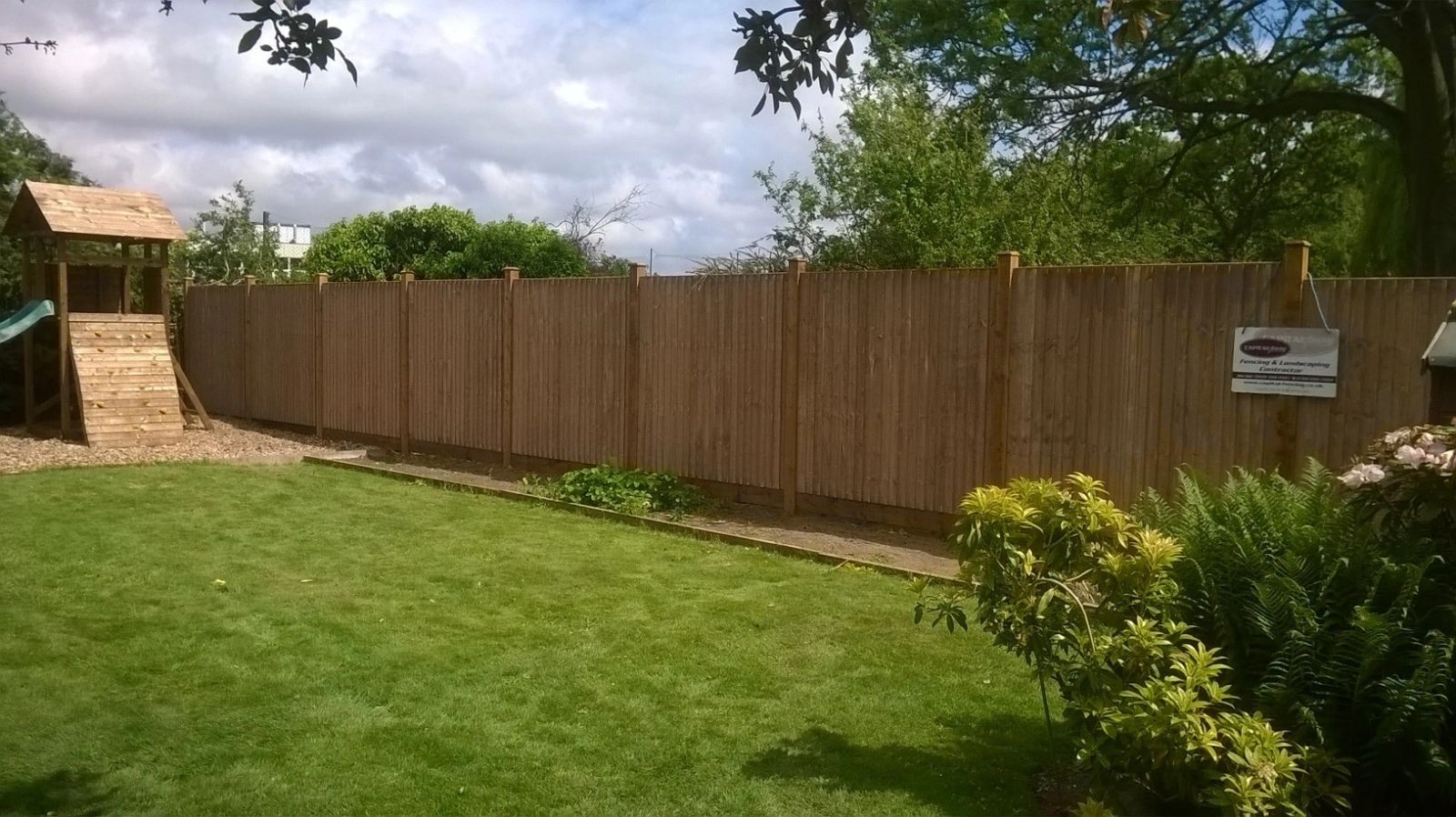
A repair makes sense when the problem is local: one or two posts, a storm damaged section or a run of loose boards. It stops making sense when the posts are failing one after another, the timber is soft throughout, or the fence has already been patched with repair spurs that are now moving too. In that case paying for several repairs costs more over a few years than one new run.
Our repair or replace guide goes into that decision in more depth. The short version: if more than half the posts are loose or rotten, replacement is usually the better value.
Making a repair last
Most repairs fail again for the same reason the first one did, so the fix should deal with the cause. Concrete posts do not rot. Gravel boards keep boards out of the soil. Keeping plants trimmed back and soil off the bottom of the fence gives any timber fence a longer life, and a treatment every few years helps softwood keep its colour and resist the weather.
Want this priced properly for your garden?
Free site visit across London and Hertfordshire, a written specification, and a fixed price. No obligation.
Frequently asked
Can you repair just one fence panel?
Yes, if the posts either side are sound. If they are not, the posts need doing first or the new panel will blow out again.
Do you give a quote for fence repairs before starting?
Yes. Every repair is quoted in writing after photos or a free site visit, and that is the price you pay.
Can I send photos instead of booking a visit?
Yes. Photos of the whole run, the damage and the base of the posts are often enough to tell what is needed.
Is it worth repairing an old fence?
It is when the damage is local and the rest of the fence is sound. When most posts are failing, a new run is usually better value.
Do you take the old materials away?
Yes. Broken posts, old concrete and damaged boards are removed as part of the job.