
Rules & permissions
Which Way Should a Fence Face? The Good Side Question
Last updated
The short answer
In general there is no law that says the good side of a fence must face your neighbour. Facing it outwards is a common courtesy, and keeping posts and rails on the owner's side makes maintenance easier. A double sided design such as hit and miss avoids the question altogether.
Official guidance: GOV.UK: your property boundaries
At a glance
- Legal rule
- None in general; ownership is what matters
- Custom
- Good side facing outwards
- Practical
- Posts and rails on the owner's side
- Avoid the question
- A fence that looks the same both sides
There is no general law saying the good side must face next door. It is a courtesy and a practical choice, and there are ways to avoid the question altogether.
When a new fence goes up, one of the most common worries is which way round it should be. Many people have heard that the smooth face has to point at the neighbour. It is a widely followed custom, but it is not a general legal rule.
This guide explains where the idea comes from, the practical reasons for each choice, and how to keep things friendly with next door.
What the law says in general
In general there is no law in England requiring the finished side of a garden fence to face outwards. What matters legally is who owns the boundary and where the fence sits on it. GOV.UK's guidance on property boundaries explains how to check the title plan and deeds, and what to do if you and a neighbour disagree.
Why the custom exists
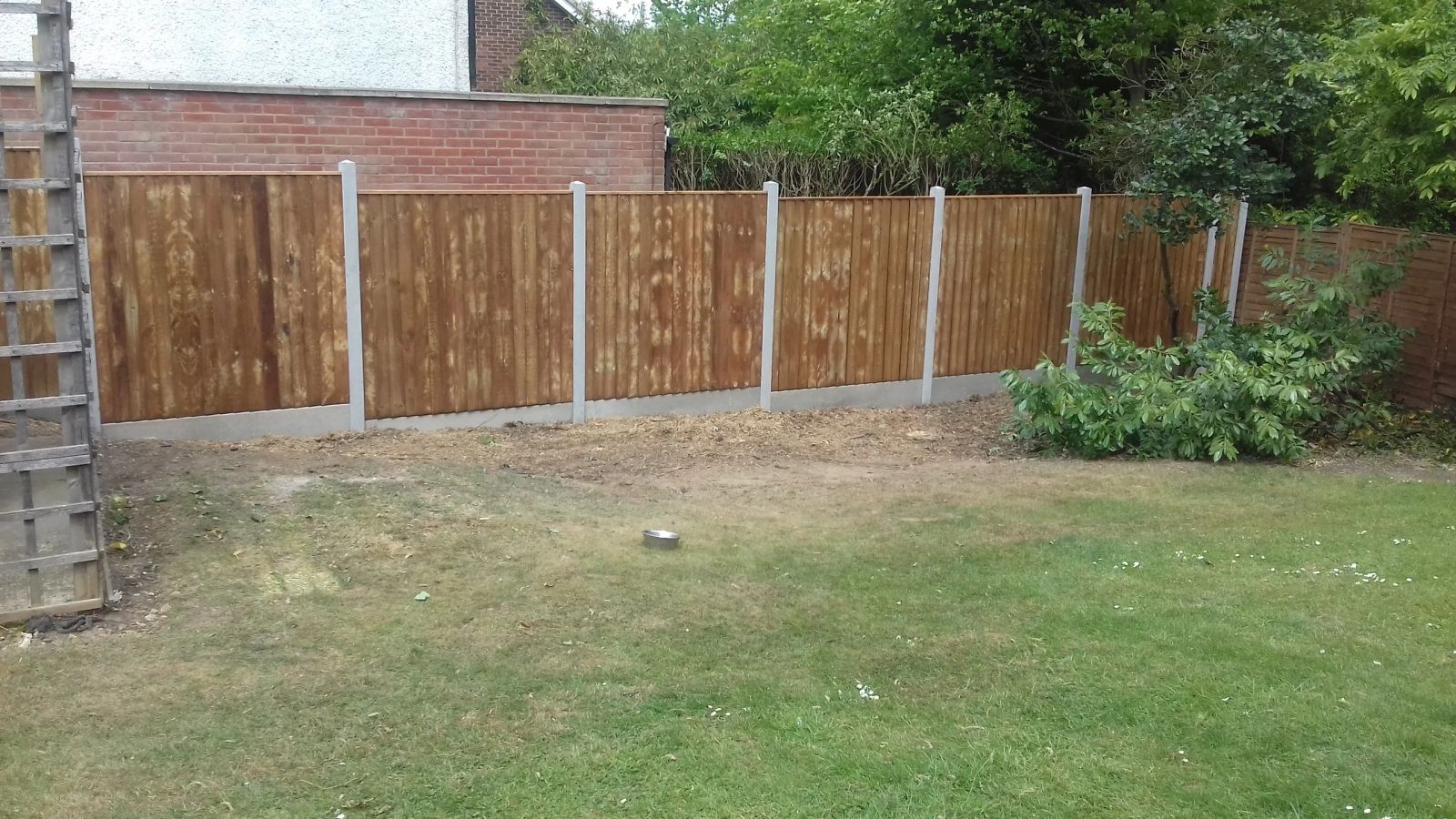
The habit of facing the good side outwards is partly courtesy and partly about looks from the street. It also has a practical side: if the posts and rails are on your side, you can reach them to maintain and repair the fence without going into next door's garden.
Posts and rails on the owner's side
If you own the fence, having the structure on your side means you can treat it, refix boards and replace a post from your own garden. If the rails face the neighbour, they may hang things on them or climb plants up them, which can cause arguments about damage later.
When facing it inwards makes sense
Some owners want the smooth side facing their own garden, perhaps because it is the side they look at every day or the neighbour has no interest. That is a legitimate choice. It is worth telling the neighbour first so it does not come as a surprise.
Fences that look the same both sides
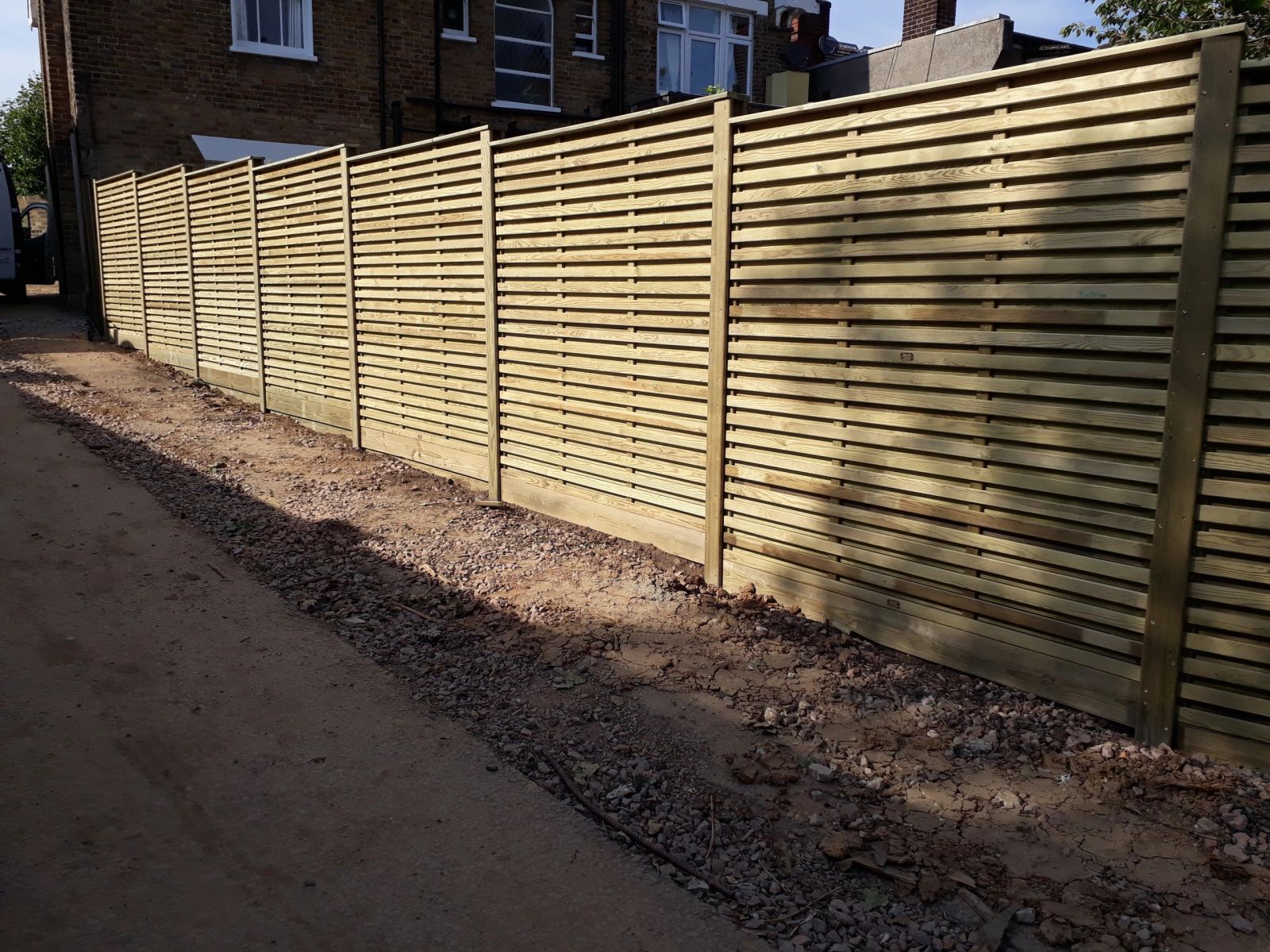
The simplest way round the question is a fence with no bad side. Hit and miss fencing, some slatted designs and closeboard with boards on both faces look finished from either garden.
- Hit and miss: boards alternate on each face
- Double sided slatted screens
- Composite systems with matching faces
Shared fences and joint decisions
Where a fence is shared, both owners have a say in how it looks and which way it faces. The simplest answer on a shared boundary is often a fence with two good faces, so nobody gets the rails. Sharing the cost is common in that situation, and our guide on splitting a boundary fence cost sets out a fair way to approach it.
The front garden and the street
On a front boundary the question is slightly different, because the public side is the street. Most owners face the finished side outwards there for the look of the house. Front garden fences also sit under lower height limits next to a road or footpath, so a low, attractive fence or railing is often the better choice.
Boards, rails and appearance from each side
On a closeboard fence the rails and posts sit on one face and the feather edge boards on the other. On a panel fence the frame is visible on one side. Some slatted and hit and miss designs hide the frame better from both gardens. If the look from your side matters to you as much as next door's, it is worth choosing a style with that in mind from the start rather than deciding which way to turn a one sided design.
What we do on the day
Before we dig the first hole, we confirm the line, the post side and the face with you on site, so the finished fence matches what was agreed. If a neighbour has raised a concern, it is far easier to adjust the plan then than after the posts are set in concrete.
Talking to your neighbour first
A short conversation before work starts heads off most problems. Agree which way the fence will face, where the posts will go and whether anything on their side needs moving. If you need help working out ownership, our guide on which side of the fence is yours covers it. We can then fit to the agreed plan from a written estimate.
Frequently asked
Does the good side of a fence have to face the neighbour?
In general, no. It is a common courtesy rather than a legal requirement. Ownership of the boundary is what matters legally.
Which side should the fence posts be on?
Usually the owner's side, so the owner can maintain the fence from their own garden.
Can my neighbour ask me to turn the fence round?
They can ask, and it is worth listening, but in general there is no rule forcing it. A double sided fence avoids the issue.
Is there a fence that looks good from both sides?
Yes. Hit and miss and some slatted or composite designs look the same from either garden.
Agreed the plan with next door?
Once you know which way it faces and where the posts go, we can fit to exactly that layout from a written estimate.