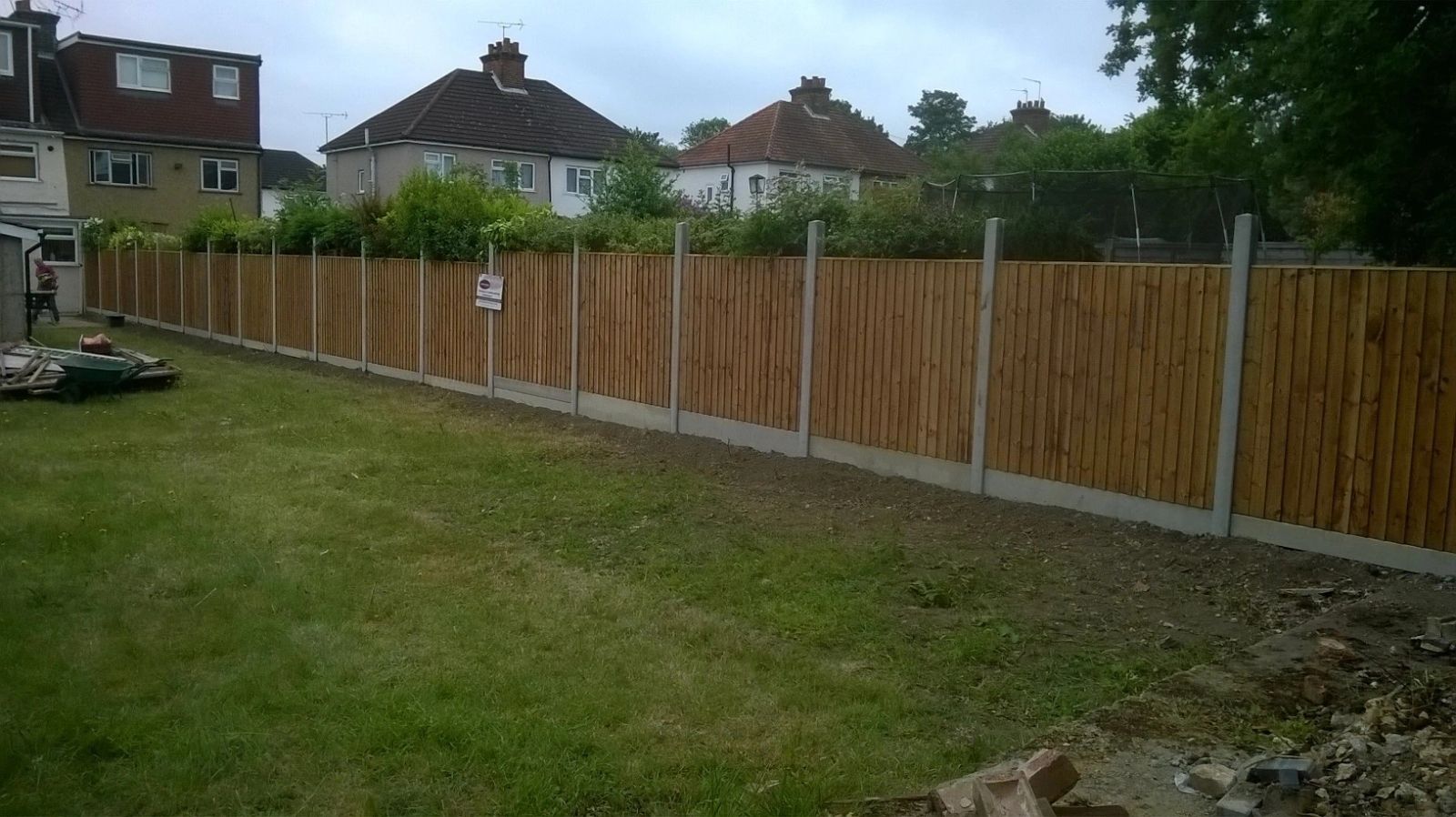
Front Boundary Railings, Made to Your Run in Mill Hill
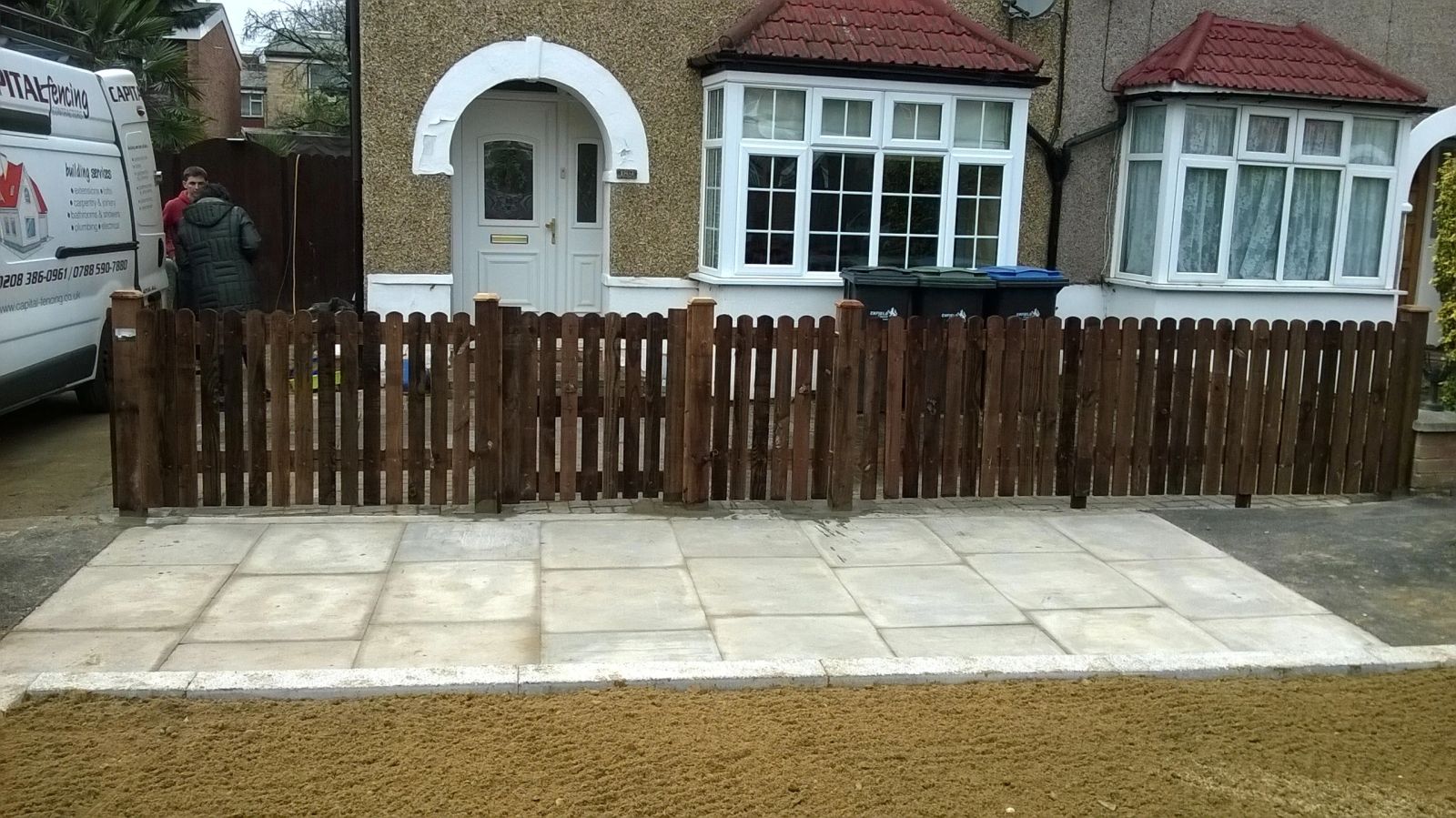
Front boundary railings and low estate fencing where the boundary needs marking without losing the view of the house.
A front railing does a job a fence panel cannot. It marks where your ground stops without hiding the frontage, it keeps a small child or a dog off the pavement, and on a Victorian or Edwardian house it puts back the detail the street lost when the original ironwork went for scrap.
Estate fencing is the rural cousin of the same idea: continuous horizontal rails on slim uprights, used along verges, paddock edges, open frontages and long garden boundaries where a solid run would block a view that is half the reason the plot is worth what it is.
Both are made to the run rather than cut down from a stock length, which matters because almost no front boundary in London or Hertfordshire is level, square or the same height at both ends.
What is different about Mill Hill
Longer sections come in off A1 / A41, so on the tighter streets around Mill Hill Broadway (Thameslink) / Mill Hill East (Northern line) we plan the offload and the carry before the day rather than blocking a road at eight in the morning.
Large detached homes on the Ridgeway, 1930s semis around the Broadway, and modern infill near Mill Hill East set the tone for front boundaries across Mill Hill, and on those frontages a railing run reads as putting something back rather than adding something new. We measure the existing bay widths on the street before quoting so the new run sits at the same rhythm as the surviving ironwork either side.
Ground matters more than pattern here. The Mill Hill Conservation Area on the Ridgeway has strict rules on materials and finishes, so the upright fixing is decided on the visit: resin fixed into a sound dwarf wall where there is one, concreted in ground where there is not.
How it is specified
- Typical height
- 600mm to 1200mm for a front boundary, lower for estate fencing
- Head detail
- Round bar, blunt top, ball top or cast finial to suit the street
- Uprights
- Core drilled and resin fixed into masonry, or set into concrete in ground
- Wall top option
- Railings mounted to an existing dwarf wall where the brickwork is sound
- Finish
- Hot dip galvanised then powder coated, commonly black, dark green or anthracite
Galvanising first, powder coat second. The galvanising is what stops the rust; the powder coat is what stops the galvanising going dull and lets you pick the colour.
How we build it
1. Measure and set out
Every bay is measured on site, because a run that steps down a slope needs the bay heights working out before anything is cut.
2. Fabricate to the run
Frames are welded to the measured bays so joints land at posts rather than in the middle of a panel.
3. Fix and finish
Uprights core drilled and resin fixed into sound masonry, or concreted where they go into ground, then touch in any site cut.
Where this is the right answer
- A period frontage where the neighbours still have their original ironwork and a panel fence would look wrong
- A dwarf wall that has lost its railings and still has the stubs or the original lead pockets
- Steps, light wells and raised patios where the drop needs guarding rather than screening
- Long open boundaries where the view matters more than privacy
Railings are the wrong choice if what you actually want is privacy or wind shelter. Bars do not screen anything, and no amount of spacing changes that. For a rear garden where you want to sit unseen, closeboard or slatted timber is the honest answer and we will say so on the visit.
Common questions
- What happens where the ground slopes?
- Bays are stepped down the slope so the top line stays horizontal, or raked to follow the ground where the fall is gentle. Which one looks right depends on the frontage, and we mark it out before fabrication.
- Can railings be fitted onto my existing garden wall?
- Usually yes, if the brickwork and the coping are sound. Uprights are core drilled and resin fixed rather than hammered in, because hammering into an old coping is how you crack it. If the wall is loose or the coping is failing we will tell you what the wall needs first.
- What height are front garden railings normally?
- Most front boundary railings sit between 600mm and 1200mm. Anything over one metre next to a highway is worth checking against permitted development limits before you order it, and we will flag it on the visit rather than after.
- Is estate fencing strong enough to keep a dog in?
- It depends on the dog and the bar spacing. Standard estate fencing has wide gaps by design. Where a dog is the reason for the fence we either close the bar centres up or run mesh behind the lower rails.
- Do railings need to match the neighbours?
- They do not have to, but on a terrace where the original ironwork survives either side, matching the head detail and the bar centres is what stops a new run looking like a repair.
- What do most Mill Hill customers ask you for on this?
- Large detached homes on the Ridgeway, 1930s semis around the Broadway, and modern infill near Mill Hill East shape most of it, so the common brief here is a run measured to an existing boundary rather than an off the shelf size. The Mill Hill Conservation Area on the Ridgeway has strict rules on materials and finishes, and that shows up in the post work more than in the steel above it.
Railings priced properly in Mill Hill
Free measured site visit, then an itemised written quote covering the steel, the galvanising and powder coat, the fixings and the making good. Cards, bank transfer or cash once the price is agreed.
Related metal work: Driveway gates, Vertical bar fencing, Bow top fencing. Main hub: metal fencing and gates.
Nearby: Railings and estate fencing in Edgware, Railings and estate fencing in Finchley, Railings and estate fencing in Barnet.
Get My Free Quote — 24h Response
No callout fee · Free site visit · Friendly local team covering London & Hertfordshire.
Pay by debit or credit card, bank transfer or cash once the work and price are agreed. No deposit taken online.