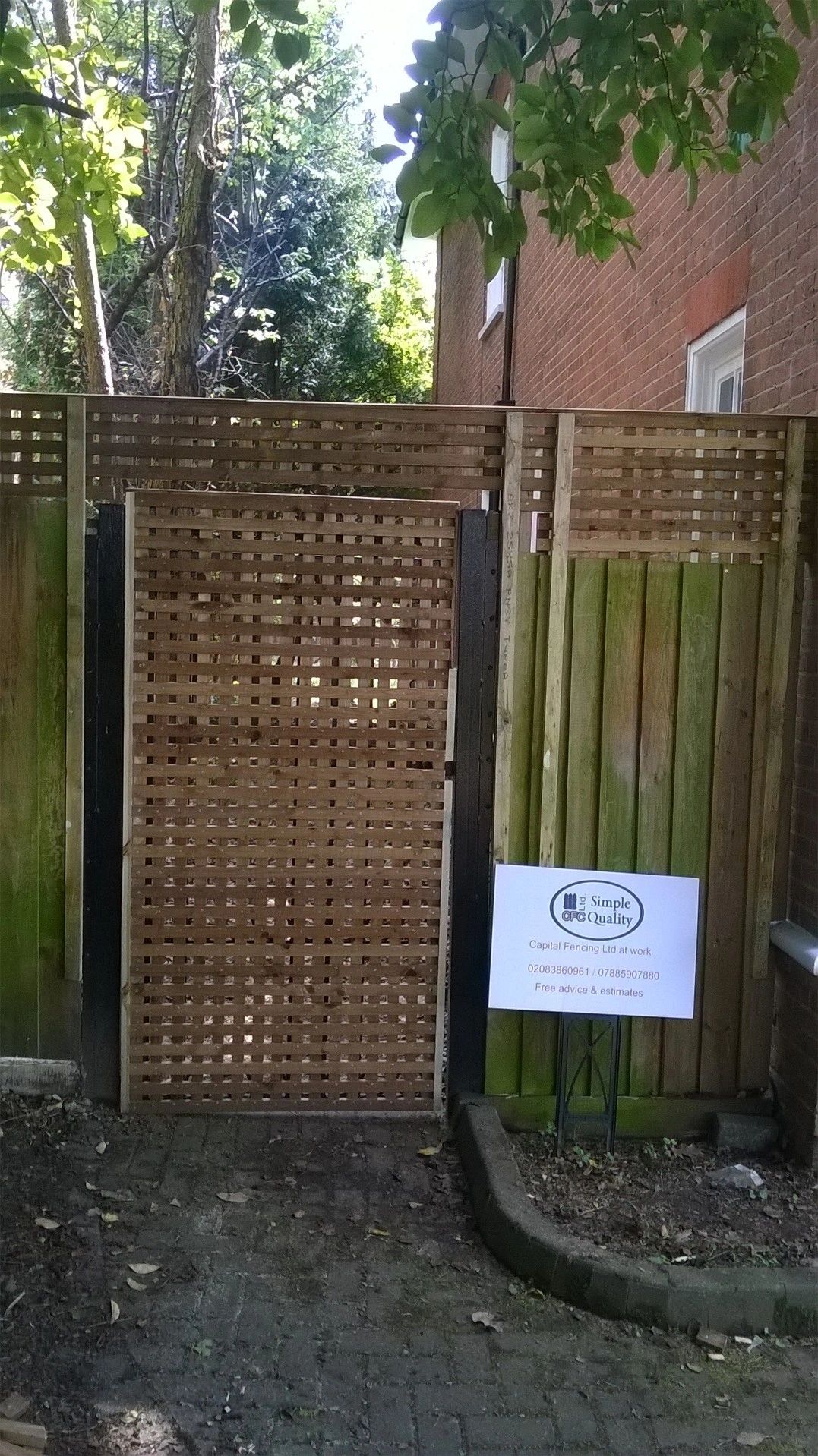
A care home garden boundary has to do a specific job: let residents, including those living with dementia, use an outdoor space freely and safely without the risk of wandering off-site, while still looking and feeling like a garden rather than an institution.
That's a design brief as much as a security one, and it changes what we recommend compared with a purely security-driven boundary — sightlines, gate placement and even colour and finish choices are all part of the conversation.
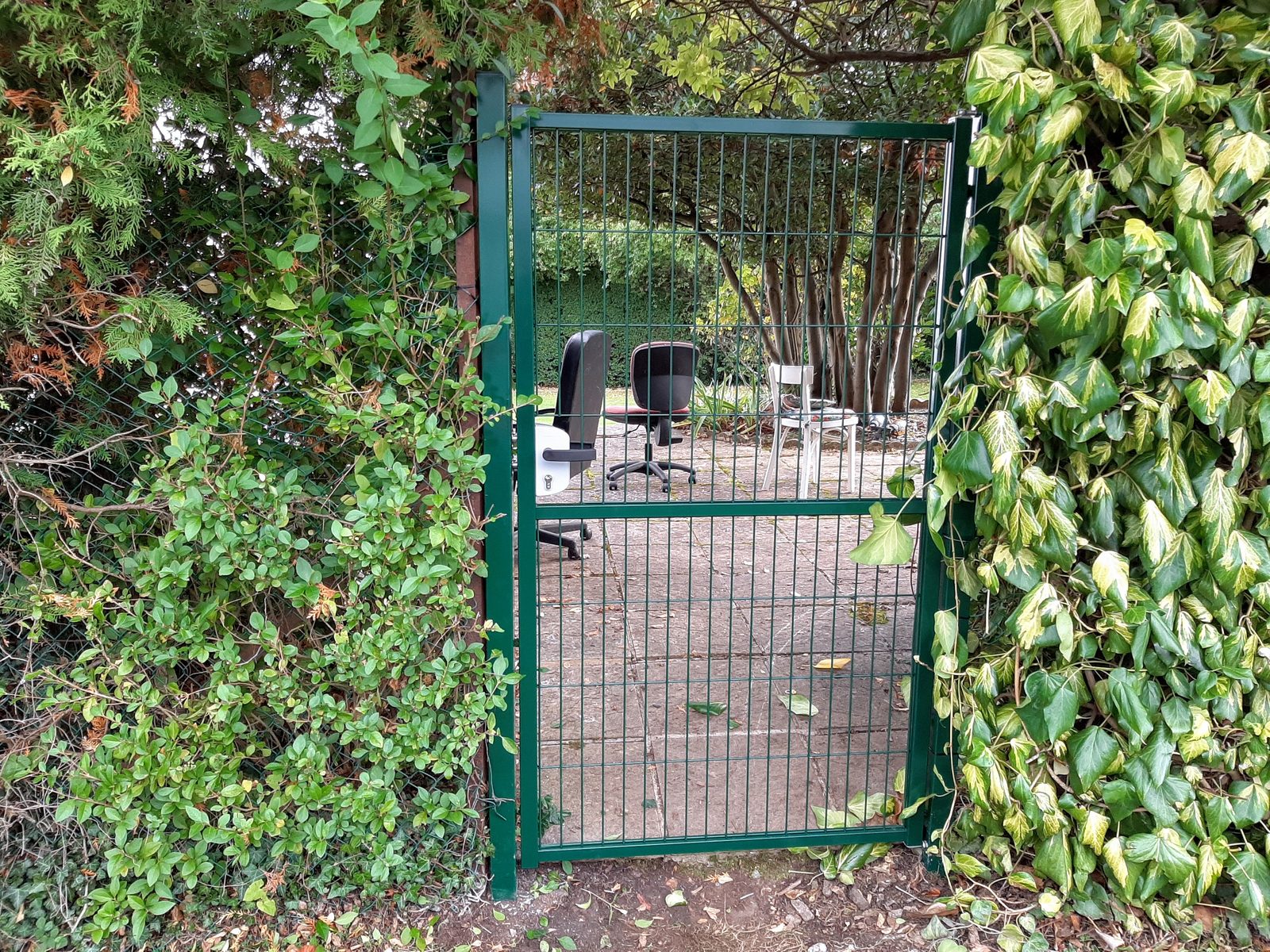
Wander-proof boundary design
Full-height, gap-free boundary fencing with no external handholds or footholds is the baseline, but the more important detail is usually the gate — a wander-proof garden gate needs a lock or delayed-release mechanism residents can't operate but staff can, without turning the garden into something that feels locked down.
We favour closeboard or picket-style fencing with a solid rear infill rather than anything with an obvious climbing profile, and keep gate hardware discreet rather than visibly institutional wherever the home's own policy allows it.
- Full-height boundary with no external hand or foot holds
- Gate hardware operable by staff, not by residents, without looking like a lock-up
- Garden layout that avoids dead ends or blind corners near the boundary
- Non-slip, level path surfaces where fencing work adjoins pathways
Dementia-friendly garden considerations
Some care providers specifically ask for garden boundaries and planting schemes that support dementia-friendly design — clear, non-confusing sightlines, no mirrored or highly reflective surfaces, and boundary colours that don't create disorientating contrast. We can build to a design brief like this where the home has one, or suggest a simple version of it where they don't.
Working around residents
Grounds and fencing work at a care home is scheduled to avoid disrupting daily routines — mealtimes, therapy sessions and quiet hours — and we keep noisy work (post driving, cutting) to agreed windows. Access routes for materials are agreed with the home's management in advance so residents and visitors aren't walking past open trenches or stored materials.
Specification checklist
- 1Confirm gate hardware meets wander-proofing needs without looking institutional
- 2Check for external hand/foot holds on the full boundary run, not just the obvious sections
- 3Agree noisy-work windows around mealtimes and quiet hours
- 4Ask about dementia-friendly design guidance if the home has one
- 5Agree a materials access route that avoids resident walkways
Frequently asked
What makes a garden boundary 'wander-proof' rather than just secure?
It's mainly about the gate — a standard secure gate can still be opened by a resident; a wander-proof gate has hardware only staff can operate, ideally without the garden feeling locked down.
Can fencing work be scheduled around residents' daily routine?
Yes — we agree quiet and noisy work windows with the home's management up front, working around mealtimes and any therapy or activity sessions.
Do you follow dementia-friendly garden design guidance?
We can build to a design brief the home provides, or suggest simple dementia-friendly adjustments (sightlines, contrast, no confusing dead ends) where none exists.
Is picket fencing secure enough for a care home garden?
It can be, with a solid rear infill and the right height and gate hardware — the material itself matters less than the overall boundary and gate design.