
Serving Hertford
Security Fencing — Hertford, SG13
Security fencing is a design problem before it's a materials problem — height, topping, sightlines and what sits either side of the line matter more than the panel you pick.
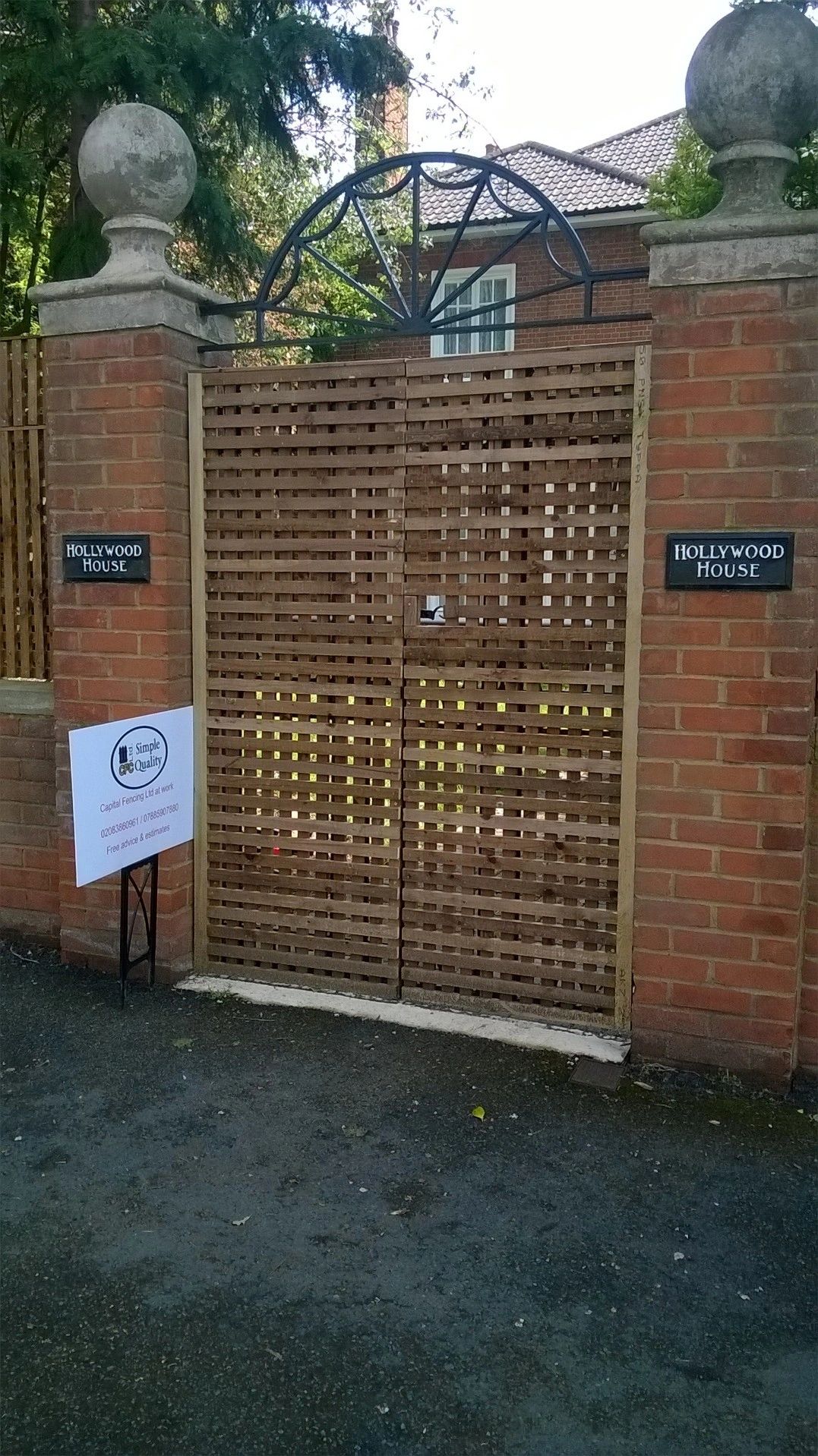
Around Hertford, security fencing briefs are shaped by conservation areas and listed buildings around the castle restrict heights and finishes. A security fence lives or dies on the post fixing, not the panel — a run that can be rocked loose at the base gives an intruder a lever the panel design can't fix. We set posts into concrete to a depth that matches the height and loading of the run, not a single stock depth for every job. Bengeo Street, Queens Road Hertford Castle grounds Hertford's old town sits in a bowl where the River Lea and River Beane meet, on ground that lies close to the water table on the streets nearest Mead Lane. The Sele Farm and Foxholes estates were built over land reclaimed from the historic brewery works, and parking on the narrow streets around SG14 is limited.
Why this comes up in Hertford
East Hertfordshire District Council covers planning here, and weld-mesh versus expanded metal panels gets checked on every enquiry from this postcode. Expanded metal costs more per panel but suits higher-threat compounds where weld failure at a joint would be the obvious attack point; weld mesh remains the standard choice for everyday commercial and school boundaries. The Sele Farm and Foxholes estates were built over land reclaimed from the historic brewery works, and parking on the narrow streets around SG14 is limited.
Post fixing for a security-rated boundary
A security fence lives or dies on the post fixing, not the panel — a run that can be rocked loose at the base gives an intruder a lever the panel design can't fix. We set posts into concrete to a depth that matches the height and loading of the run, not a single stock depth for every job.
Where ground is soft or made-up, post spacing is tightened rather than left at a standard interval, because a wider gap between fixings is exactly the weak point a determined push targets first.
How a security job is sequenced
Work generally runs boundary-first — posts and the main line go in before gates, so gate openings are set against a fixed, already-concreted frame rather than guessed at in advance.
On a longer commercial perimeter the line is broken into manageable sections so part of the site can stay secure while another part is being worked on.
Weld-mesh versus expanded metal panels
Weld mesh is formed from crossed wires welded at each intersection, giving a uniform grid that's easy to cut to size and re-panel; expanded metal is slit and stretched from a single sheet, leaving no welds to fail and a diamond pattern that resists prising apart at a joint.
Expanded metal costs more per panel but suits higher-threat compounds where weld failure at a joint would be the obvious attack point; weld mesh remains the standard choice for everyday commercial and school boundaries.
Touching up galvanising after on-site cutting
Cutting a galvanised post or rail to length on site removes the zinc coating from the cut edge, leaving bare steel exposed exactly where water is most likely to sit if the cut faces upward.
A cold galvanising paint or zinc-rich primer applied to the cut edge immediately after cutting restores meaningful protection, and skipping this step on a security run is a common reason a fence corrodes first at bay joints rather than along the main rail length.
Snagging checklist items on a completed security run
A snagging check on a finished security boundary covers gate alignment and latch engagement, gap sizes at ground level and junctions, fixing torque on any tamper-proof bolts, and that capping or gravel boards sit flush along the whole run.
Any item that's marginal on day one — a slightly sticking latch, a small ground gap — is worth fixing immediately rather than left as a wear item, since these are exactly the points a determined attempt will test first.
Adjusting closing force on a self-closing gate
A spring or hydraulic closer set too strong can slam a gate hard enough to damage the latch or frame over repeated cycles, while one set too weak may not fully latch, especially into a headwind on an exposed boundary.
Closers are adjustable and should be tuned on site after fitting rather than left at a factory default, with a final check that the gate reliably latches under the worst wind condition it's likely to face.
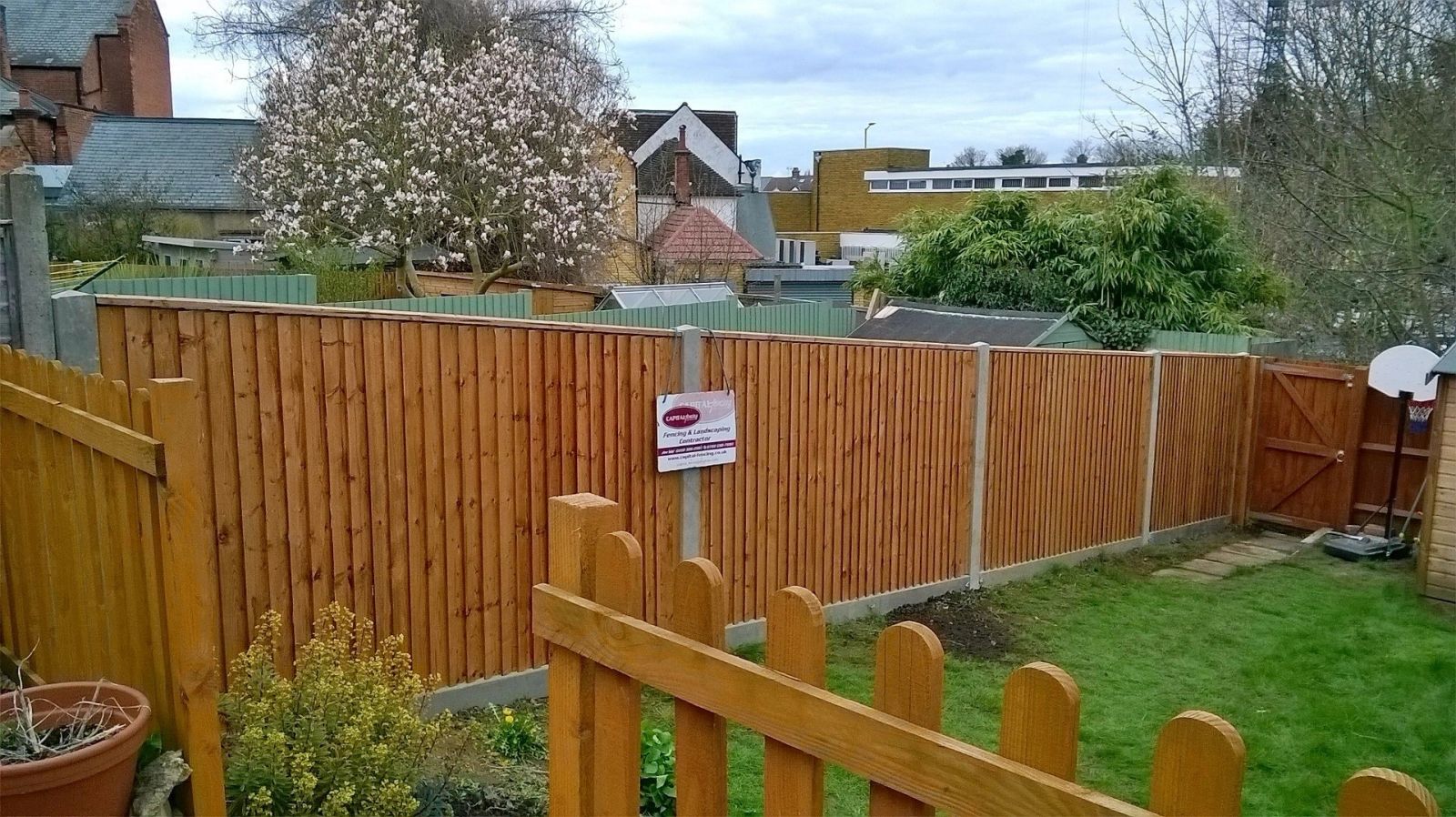
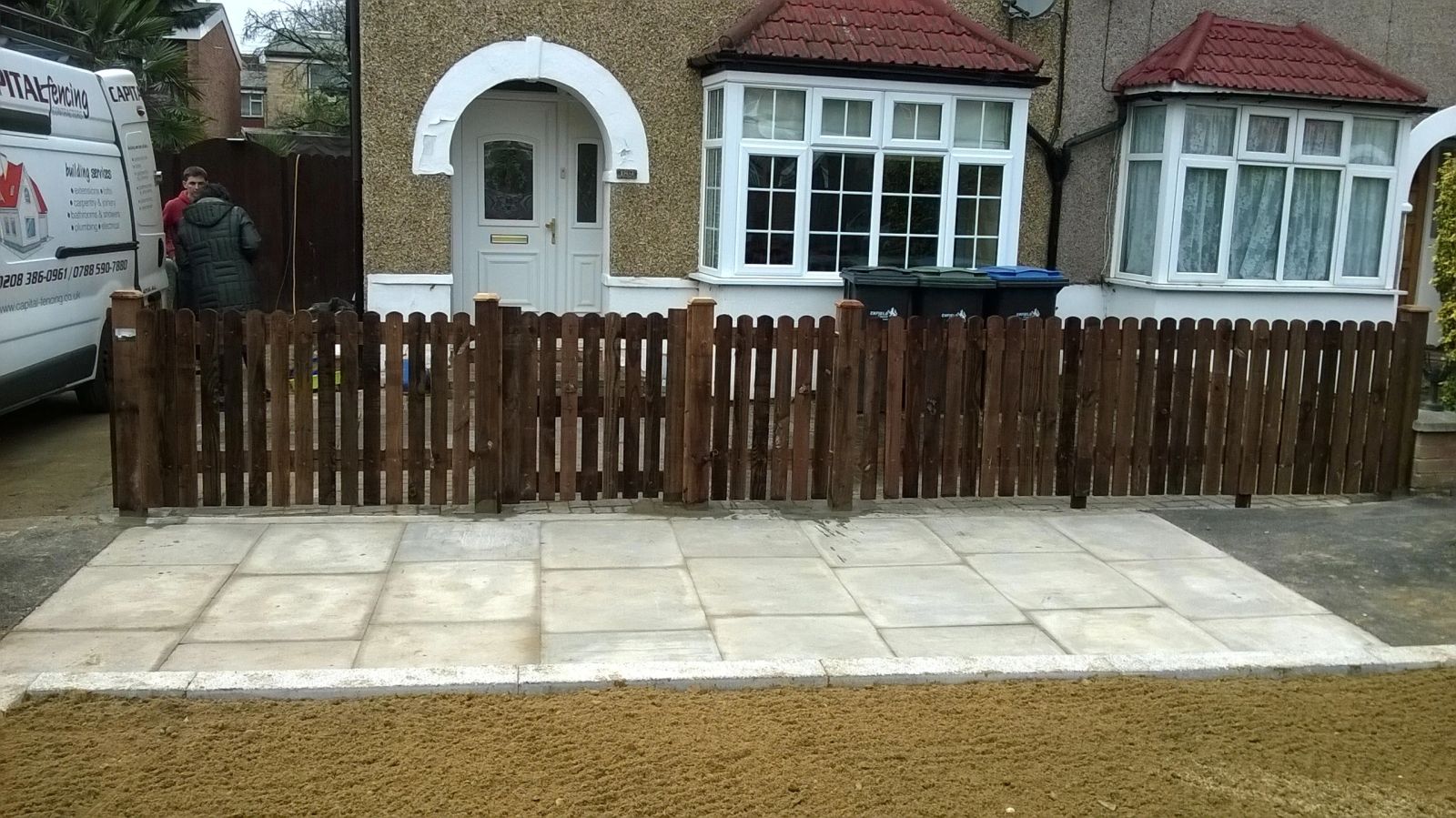
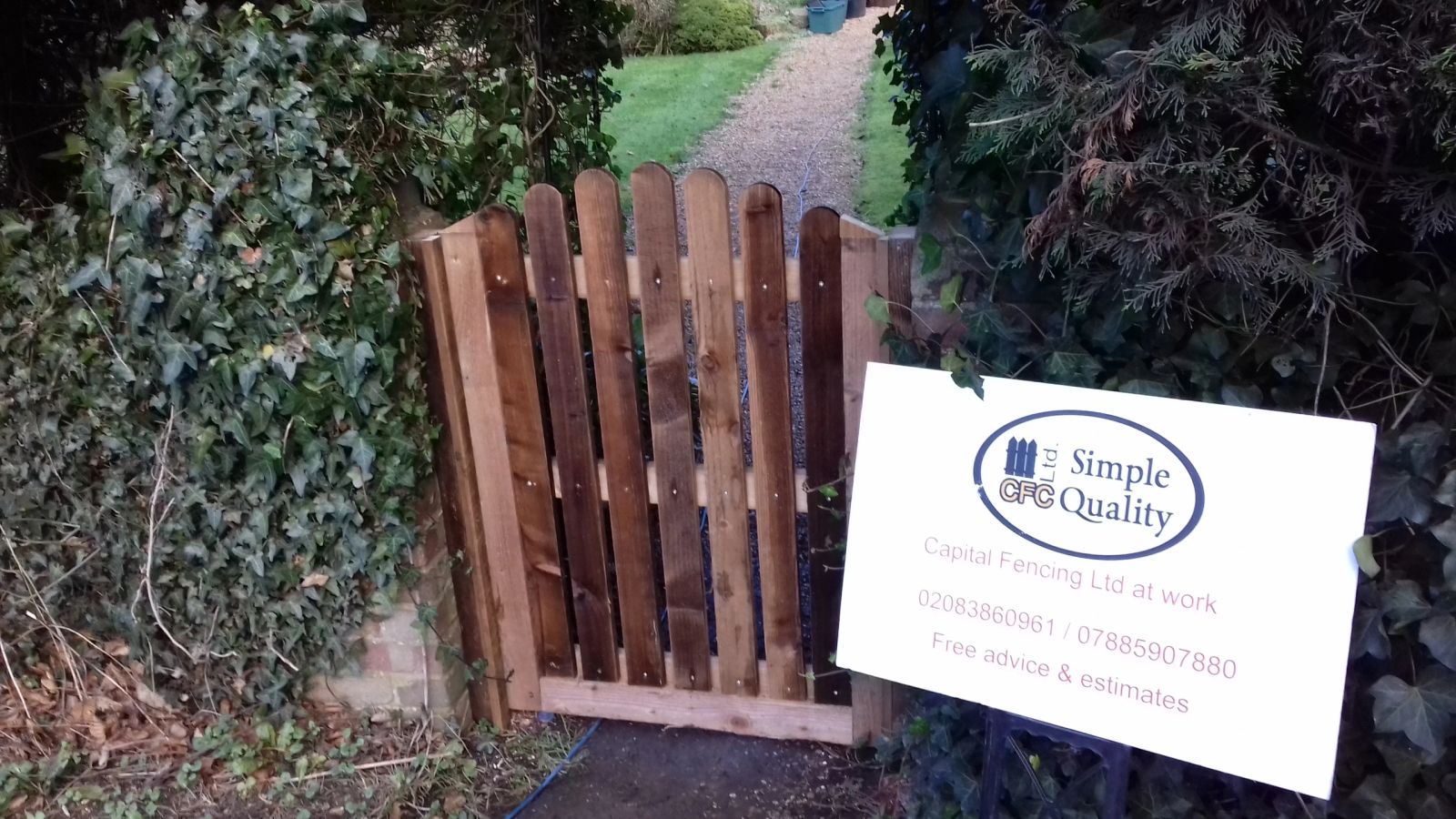
Hertford in one line: Cutting a galvanised post or rail to length on site removes the zinc coating from the cut edge, leaving bare steel exposed exactly where water is most likely to sit if the cut faces upward. Fanshawe Street, Port Vale Hertford East station goods yard The Sele Farm and Foxholes estates were built over land reclaimed from the historic brewery works, and parking on the narrow streets around SG14 is limited. The conservation area through Castle Street limits visible boundary materials to traditional close-board or painted picket to protect the historic street scene.
Frequently asked
Can a sliding gate trap fingers?
The running gap between a sliding gate and its guide posts can be a trap point, which is why guards or brush strips are fitted where children or the public use the gate. Mead Lane, Hagsdell Road Hertford Museum The Bengeo ridge to the north sits on higher, better-draining ground than the river-level streets below it.
Can a fence be both climb-resistant and safe for use near children?
Yes — climb-resistant infill and impact ratings can be combined with rounded caps and safe rail spacing so the boundary meets both requirements at once.
What is 358 mesh and when is it needed?
358 mesh is a tight-aperture weld mesh (3mm wire, 5mm x 76mm gaps) that resists cutting and climbing far better than standard weld mesh, and is generally reserved for compounds and higher-threat sites rather than everyday boundaries. The conservation area through Castle Street limits visible boundary materials to traditional close-board or painted picket to protect the historic street scene.
What happens to an old, damaged boundary during a security upgrade?
It's cleared and taken off site as part of the job, and any old post stumps are broken out so the new line has a proper base.
How do you handle a boundary with existing drainage problems?
We build in a fall away from the post base or a soakaway detail rather than setting posts into ground that regularly holds water.
Why do security gates use shear-nut bolts?
A shear-nut bolt snaps its head off once tightened, leaving nothing for a spanner to grip from outside, which stops fixings being undone at pale or panel junctions.
Can new fencing be bolted to an existing garden wall?
Only if the wall or pier is structurally sound enough to take the lateral load — an unstable wall needs a freestanding post instead of a wall-fixed bracket.
Is steel palisade suitable for a domestic garden?
It's more common on yards and compounds, but a shorter domestic-scale palisade or railing section is sometimes the right call where visible security matters more than screening.
Upgrading just the gate?
A gate is often the weakest point on an otherwise secure boundary — we can quote that alone without touching the rest of the run. Free site visit for Hertford — written quote, no pressure.
Ask about a gate-only upgradeGet My Free Quote — 24h Response
No callout fee · Free site visit · Friendly local team covering London & Hertfordshire.
Pay by debit or credit card, bank transfer or cash once the work and price are agreed. No deposit taken online.