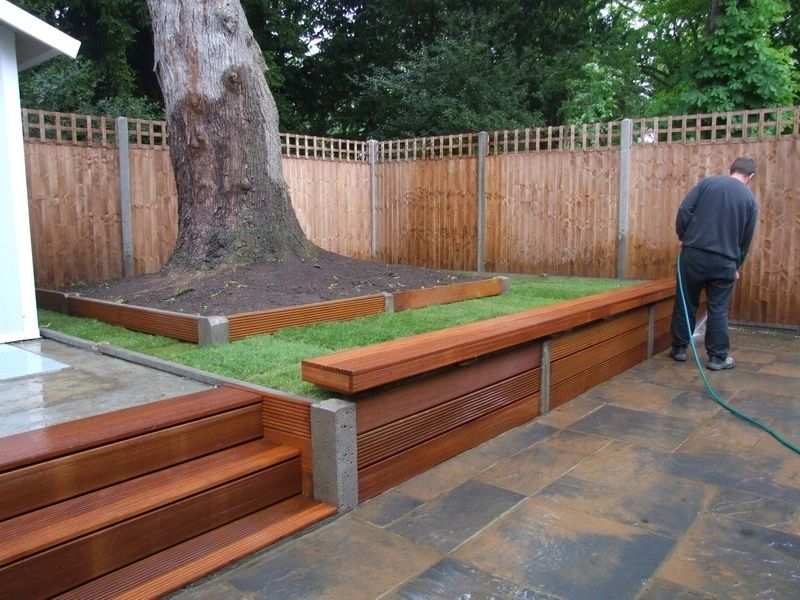
Hardwood Decking Installers Across Waltham Cross & cheshunt
Hardwood Decking in Waltham Cross isn't a bolt-on for us — it's a day-in, day-out install. We cover EN8 and the streets running toward A121 / A10, and we know before we arrive that shared boundaries plus a high turnover of rental properties means landlord-friendly specs matter. That's the first thing that shapes the spec, not the last. Recent work on Park Lane and Trinity Lane. We orient jobs off Eleanor Cross monument. Park Lane landlord turnaround. Closeboard with concrete posts, invoiced through agent. Done between tenancies in 4 days.
Hardwood Decking in Waltham Cross isn't a bolt-on for us — it's a day-in, day-out install. We cover EN8 and the streets running toward A121 / A10, and we know before we arrive that shared boundaries plus a high turnover of rental properties means landlord-friendly specs matter. That's the first thing that shapes the spec, not the last. Recent work on Park Lane and Trinity Lane. We orient jobs off Eleanor Cross monument. Park Lane landlord turnaround. Closeboard with concrete posts, invoiced through agent. Done between tenancies in 4 days.
Why hardwood decking works here
- genuine 25-year plus service life on yellow balau or ipe when detailed properly
- richer natural colour and grain than any composite
- can be sanded and re-oiled indefinitely
Where hardwood decking isn't the right answer
- •requires annual oiling to keep the honey colour — otherwise silvers naturally
- •material cost is significantly higher than softwood and often composite
We'll say so on the site visit — a wasted quote helps nobody.
How we build hardwood decking in Waltham Cross
Yellow balau, ipe or iroko boards on treated softwood or hardwood joists. Standard build: 21mm yellow balau or 19mm ipe, secret-fix or countersunk, hardwood-rated screws. On Waltham Cross jobs we adjust for shared boundaries plus a high turnover of rental properties means landlord-friendly specs matter.
Property mix locally: Victorian and Edwardian terraces near the town centre, with newer estates toward Theobalds. Typical gardens: small to medium gardens; many older properties share boundary fences with both neighbours. Postcodes we regularly service: EN8.
Common Waltham Cross briefs
- → premium rear gardens where a natural silver-grey patina is the desired finish
- → commissioned landscape schemes where the deck is a design feature, not just a floor
Hardwood Decking FAQs — Waltham Cross
How do you handle end-grain sealing on hardwood decks?
Across Waltham Cross (EN8), the honest answer depends on victorian and edwardian terraces near the town centre and small to medium gardens; many older properties share boundary fences with both neighbours. We'll walk you through both genuine 25-year plus service life on yellow balau or ipe when detailed properly and requires annual oiling to keep the honey colour — otherwise silvers naturally on the site visit before you commit.
What joist spacing do you use for hardwood boards?
On Waltham Cross jobs we spec around shared boundaries plus a high turnover of rental properties means landlord-friendly specs matter, so the default is 21mm yellow balau or 19mm ipe, secret-fix or countersunk, hardwood-rated screws. In short: genuine 25-year plus service life on yellow balau or ipe when detailed properly, though requires annual oiling to keep the honey colour — otherwise silvers naturally.
Can I let hardwood decking silver naturally?
Broxbourne Borough coverage and M25 J25 access means we can survey most EN8 addresses inside a week. Practically, that means richer natural colour and grain than any composite — and we're upfront that material cost is significantly higher than softwood and often composite.
Which hardwood lasts longest for decking in the UK climate?
We've installed hardwood decking across Waltham Cross — from Eleanor Cross Road retail through to the quieter streets toward cheshunt. We'll walk you through both genuine 25-year plus service life on yellow balau or ipe when detailed properly and requires annual oiling to keep the honey colour — otherwise silvers naturally on the site visit before you commit.
Do I need to oil hardwood decking every year?
Across Waltham Cross (EN8), the honest answer depends on victorian and edwardian terraces near the town centre and small to medium gardens; many older properties share boundary fences with both neighbours. We'll walk you through both genuine 25-year plus service life on yellow balau or ipe when detailed properly and requires annual oiling to keep the honey colour — otherwise silvers naturally on the site visit before you commit.
Recent hardwood decking work
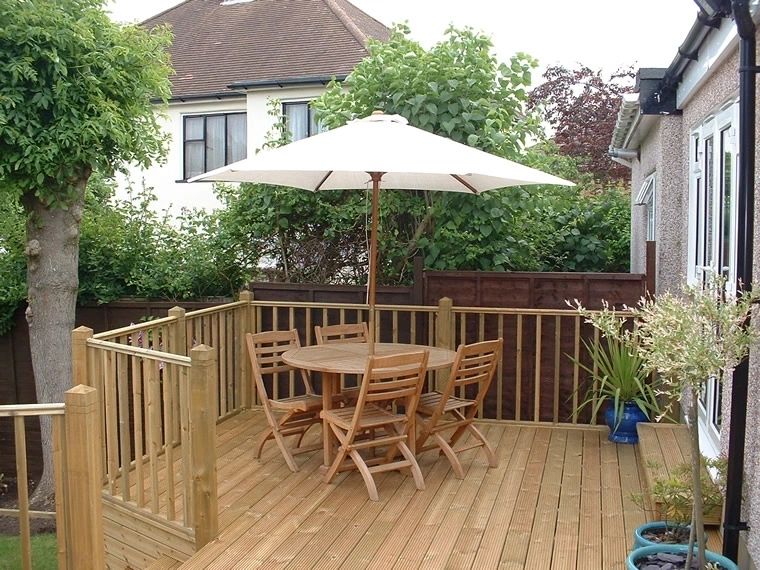
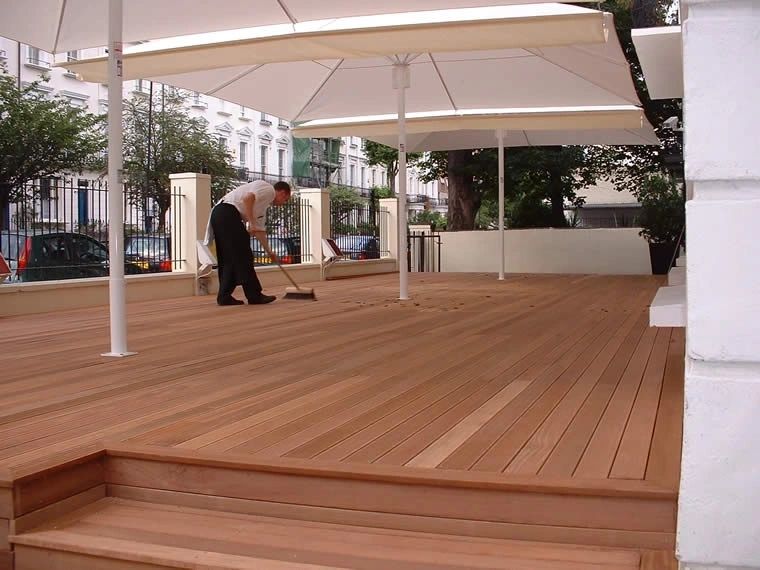
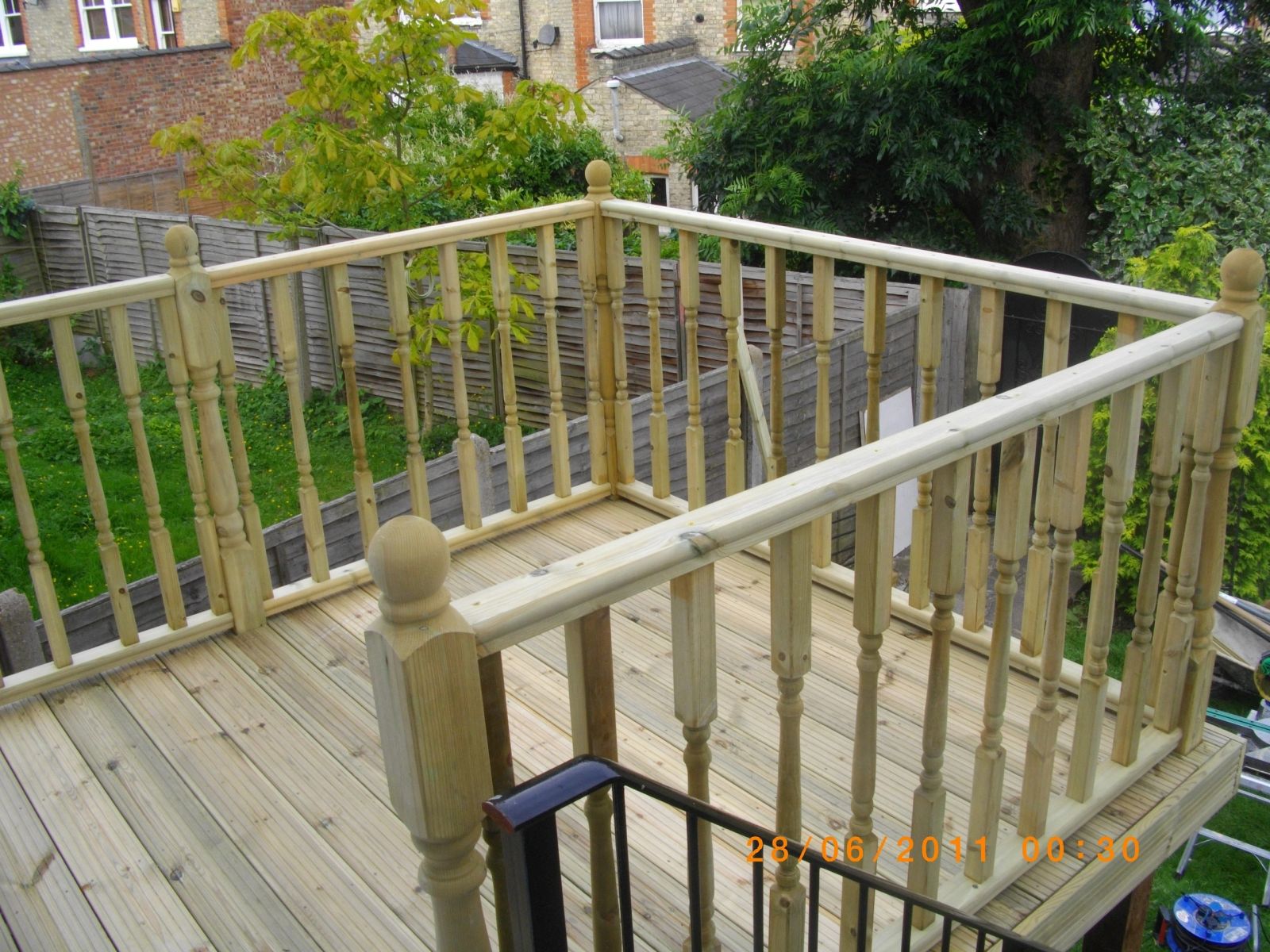
Waltham Cross clients get the same crew from first visit to hand-over. That's the whole model — one small team, hardwood decking done properly, warranty in writing. Recent work on Park Lane and Trinity Lane. We orient jobs off Eleanor Cross monument. Trinity Lane front picket and side gate. Painted picket with bespoke matching side gate. Matched original street line.
Get My Free Quote — 24h Response
No callout fee · Fully insured · Friendly local team covering London & Hertfordshire.