
Serving Watford
Acoustic Fencing — Watford, WD17
An acoustic fence works on mass and sealed joints, not the panel style — a heavy, gap-free screen close to the noise source does more than any 'acoustic' label on its own.
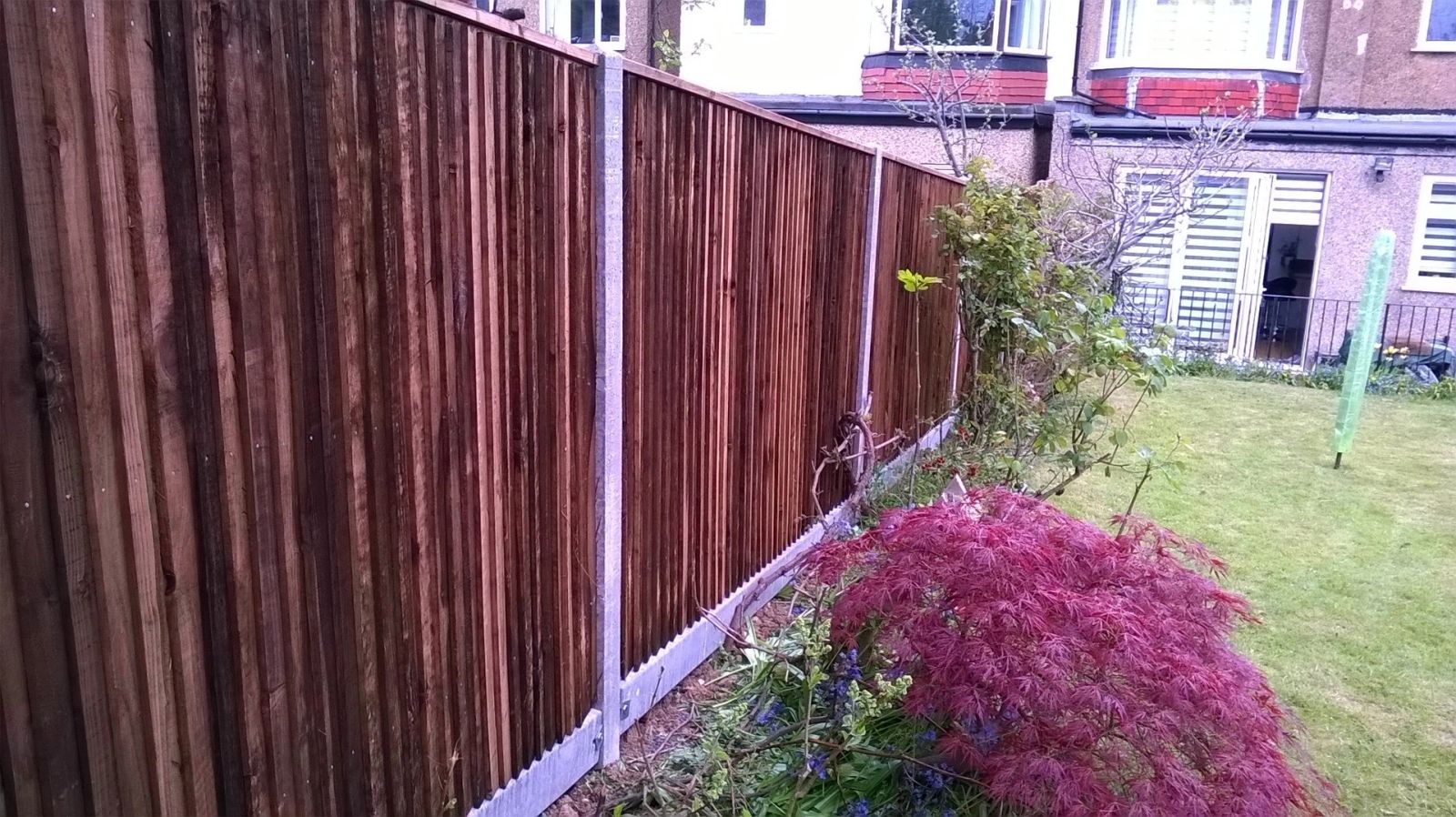
Watford's mix of victorian terraces around the centre, 1930s semis in oxhey, and large detached homes in cassiobury means acoustic fencing briefs vary street by street — a railway running in a cutting sits below the level of an adjoining garden, which changes the barrier calculation compared with a railway at grade or on an embankment, since the source is already partly screened by the cutting's own sides. Hempstead Road, Bushey Mill Lane Grand Union Canal locks Watford's housing mixes Victorian terraces near the town centre with 1930s semis around Cassiobury and larger detached homes further out. Vicarage Road is home to Watford FC's stadium, and matchday traffic is a known feature of the surrounding streets.
Why this comes up in Watford
We keep a standing note on Watford: tree-root heave is common near cassiobury and whippendell wood, so concrete-set posts are non-negotiable. A basic noise survey — even an informal one comparing levels at different points and times of day — helps establish what's actually reaching the garden before deciding on barrier height and specification. Nascot Wood Road backs onto mature woodland with beech and hornbeam trees subject to tree preservation orders.
A plot facing a motorway slip road
A slip road combines merging and accelerating traffic with the general flow of the adjoining carriageway, and the acceleration component can be louder at close range than steady-speed traffic on the main lanes themselves.
Because a slip road often sits on an embankment or elevated section relative to nearby housing, the barrier height needed to break the sightline to the road surface can be greater than for a plot facing a road at the same ground level.
A plot backing onto a rail cutting
A railway running in a cutting sits below the level of an adjoining garden, which changes the barrier calculation compared with a railway at grade or on an embankment, since the source is already partly screened by the cutting's own sides.
The wheel-rail interaction noise from a cutting can still carry surprisingly well along the open channel the cutting forms, so a barrier positioned at the top of the cutting edge is generally more effective than one set further back into the garden.
Measuring existing noise levels and why a survey helps
A basic noise survey — even an informal one comparing levels at different points and times of day — helps establish what's actually reaching the garden before deciding on barrier height and specification.
Where noise varies significantly by time of day, such as rush-hour traffic or a school's start and finish times, a survey that captures those peaks gives a more realistic basis for the design than a single spot reading.
Permitted development limits for a taller barrier
The same permitted development height rules that apply to any garden boundary also apply to one built for acoustic reasons — there's no automatic allowance for extra height simply because the purpose is noise control.
Where the height needed to break the sightline to a noise source exceeds what permitted development allows, planning permission has to be sought and justified on its own merits rather than assumed to follow from the acoustic need.
Weathering and maintenance of heavy panels
A heavy timber acoustic panel weathers in the same way as any exterior timber, but any movement at a joint has a bigger acoustic consequence than on a standard fence, so checks focus specifically on joint integrity rather than only on appearance.
A re-treatment or repaint cycle appropriate to the timber species and finish keeps the outer skin sound, which protects both the structure and the acoustic seal it maintains.
Recoating a heavy acoustic facing
A timber-faced acoustic panel needs the same kind of periodic stain or paint maintenance as any exterior timber, but access can be more limited where a dense panel sits close to a boundary wall or a neighbour's property.
Planning recoating around that access constraint, and choosing a product suited to a less frequently reachable surface, avoids a situation where one face of the run is maintained less often than the other simply because it's harder to reach.
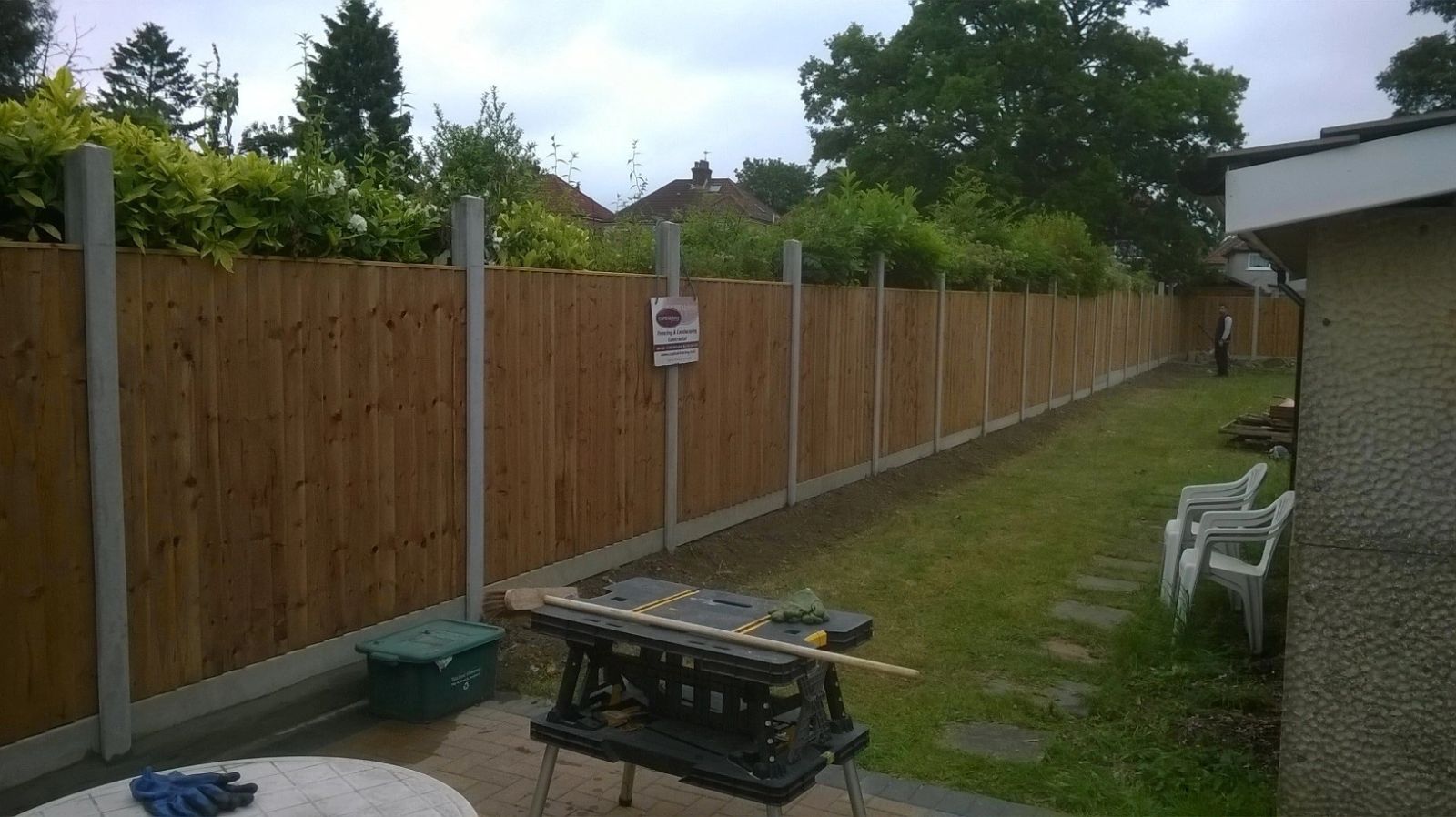
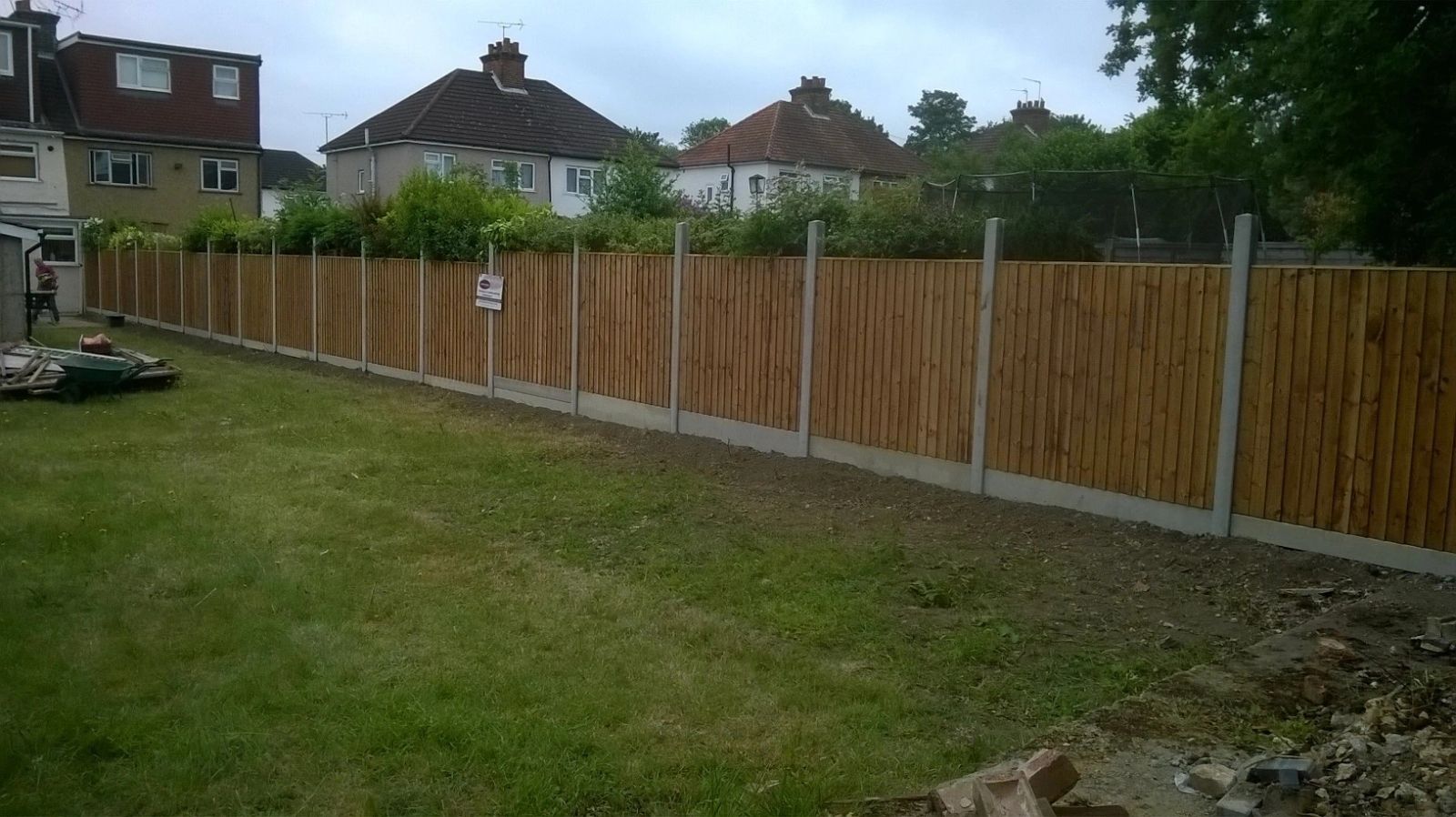
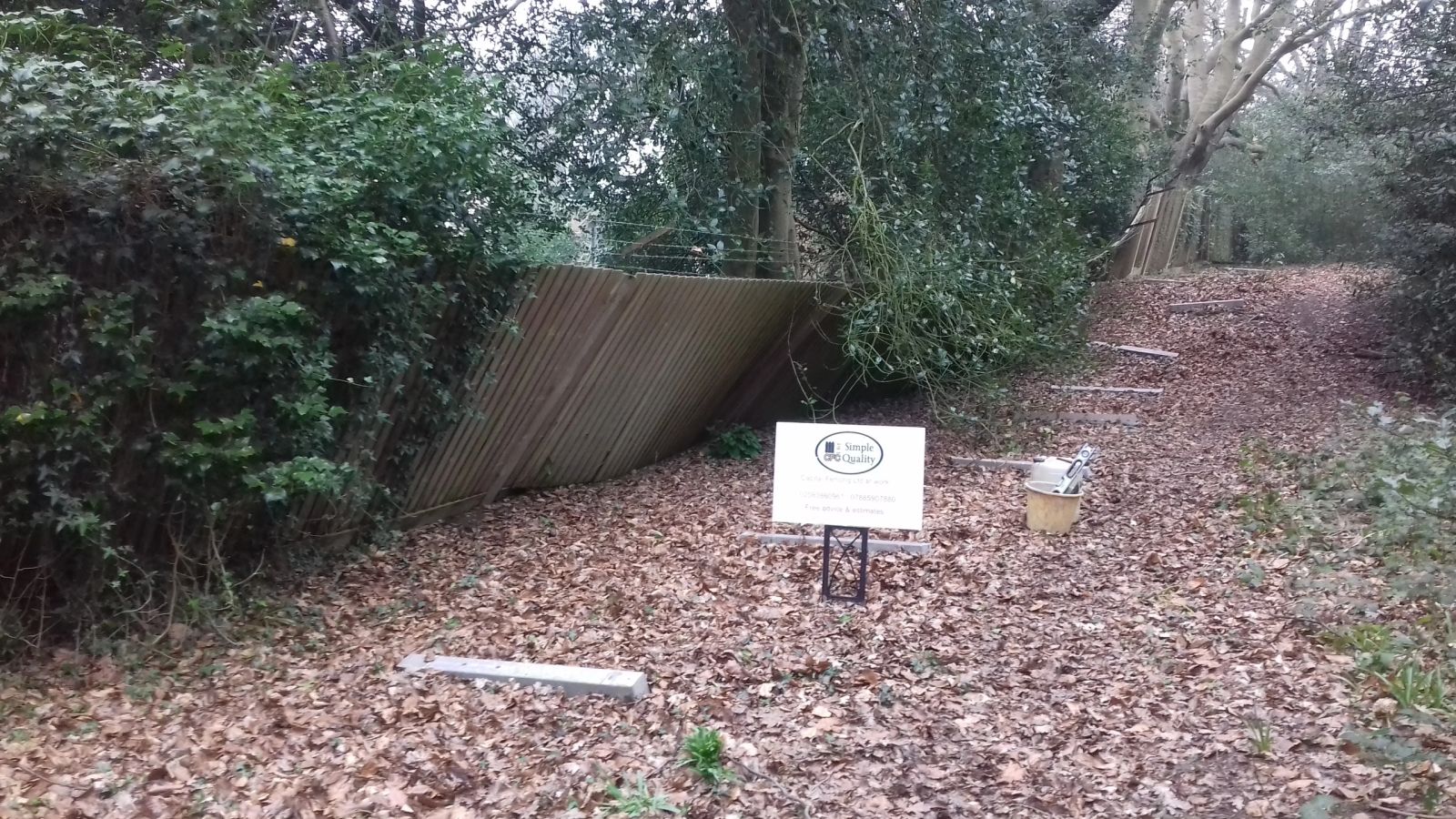
The short version for Watford: where the height needed to break the sightline to a noise source exceeds what permitted development allows, planning permission has to be sought and justified on its own merits rather than assumed to follow from the acoustic need. Vicarage Road, Hempstead Road Whippendell Wood Vicarage Road is home to Watford FC's stadium, and matchday traffic is a known feature of the surrounding streets. Nascot Wood Road backs onto mature woodland with beech and hornbeam trees subject to tree preservation orders.
Frequently asked
How is a heat pump or AC unit acoustic enclosure ventilated?
Enclosures are built with manufacturer clearance distances and airflow paths maintained, since restricting intake or exhaust can make the unit run harder and louder. Whippendell Road, Bushey Mill Lane Whippendell Wood The Grand Union Canal runs along the edge of Cassio Road, with a Canal & River Trust easement maintained along the towpath.
Why does fence height matter so much for noise reduction?
Sound diffracts, or bends, over the top of a barrier, so height relative to both the noise source and the listener largely determines how effective the barrier is.
Can you retrofit mineral wool to my existing fence?
Only if the existing posts and frame are sound enough to carry the extra weight of a second skin — we assess that on site rather than assume. Vicarage Road is home to Watford FC's stadium, and matchday traffic is a known feature of the surrounding streets.
Why does timber species and moisture content matter for an acoustic build?
Denser, properly seasoned timber contributes more mass and is more dimensionally stable, while timber supplied too wet will shrink and open sealed joints as it dries.
Does a gap under the fence really matter for noise?
Yes — a gap at ground level lets sound pass underneath even if the rest of the face is solid, so a close-fitting gravel board or cill is used to close it.
Can a single damaged acoustic panel be replaced without rebuilding the run?
With a cassette-style system, yes — an individual damaged unit can usually be lifted out and replaced without disturbing the rest of the boundary.
Does a corner plot need a different acoustic approach?
Often yes, since noise may arrive from two directions and sightline restrictions near a junction can limit height and position on one or both boundaries.
Does the fence help with noise from above the boundary line?
Not much — it's effective for ground-level sources like road or rail noise, but does little for noise arriving from above, such as flight paths.
Retrofitting an existing fence?
We'll check on site whether your current posts and frame can take a mineral-wool second skin before quoting. Covering Watford and the surrounding streets.
Ask about a retrofitGet My Free Quote — 24h Response
No callout fee · Free site visit · Friendly local team covering London & Hertfordshire.
Pay by debit or credit card, bank transfer or cash once the work and price are agreed. No deposit taken online.