Watford falls under Watford Borough Council, covering WD17, WD18, WD19 — property here runs to victorian terraces around the centre, 1930s semis in oxhey, and large detached homes in cassiobury, with gardens typically mixed — tight back-to-backs near the town centre, generous plots toward cassiobury park. The recurring factor on jobs here is tree-root heave is common near cassiobury and whippendell wood, so concrete-set posts are non-negotiable. Visibility splays on corner plots and driveways: Corner plots and driveways onto a road often have a highway visibility splay — a triangular zone near the junction — where boundary height is restricted so drivers and pedestrians can see each other clearly. These restrictions are usually lower than the standard 1m front-boundary limit and are enforced by the highway authority rather than just general planning policy, so it's worth checking with the council for any plot near a junction or driveway crossing a footway. Lap panels versus closeboard durability: Overlap (lap) panels are factory-assembled from thin horizontal slats stapled to a light timber frame, which makes them cheap and quick to fit but noticeably shorter-lived than boarded fencing.
Local knowledge
What shapes a Watford job
Property: Victorian terraces around the centre, 1930s semis in Oxhey, and large detached homes in Cassiobury
Gardens: mixed — tight back-to-backs near the town centre, generous plots toward Cassiobury Park
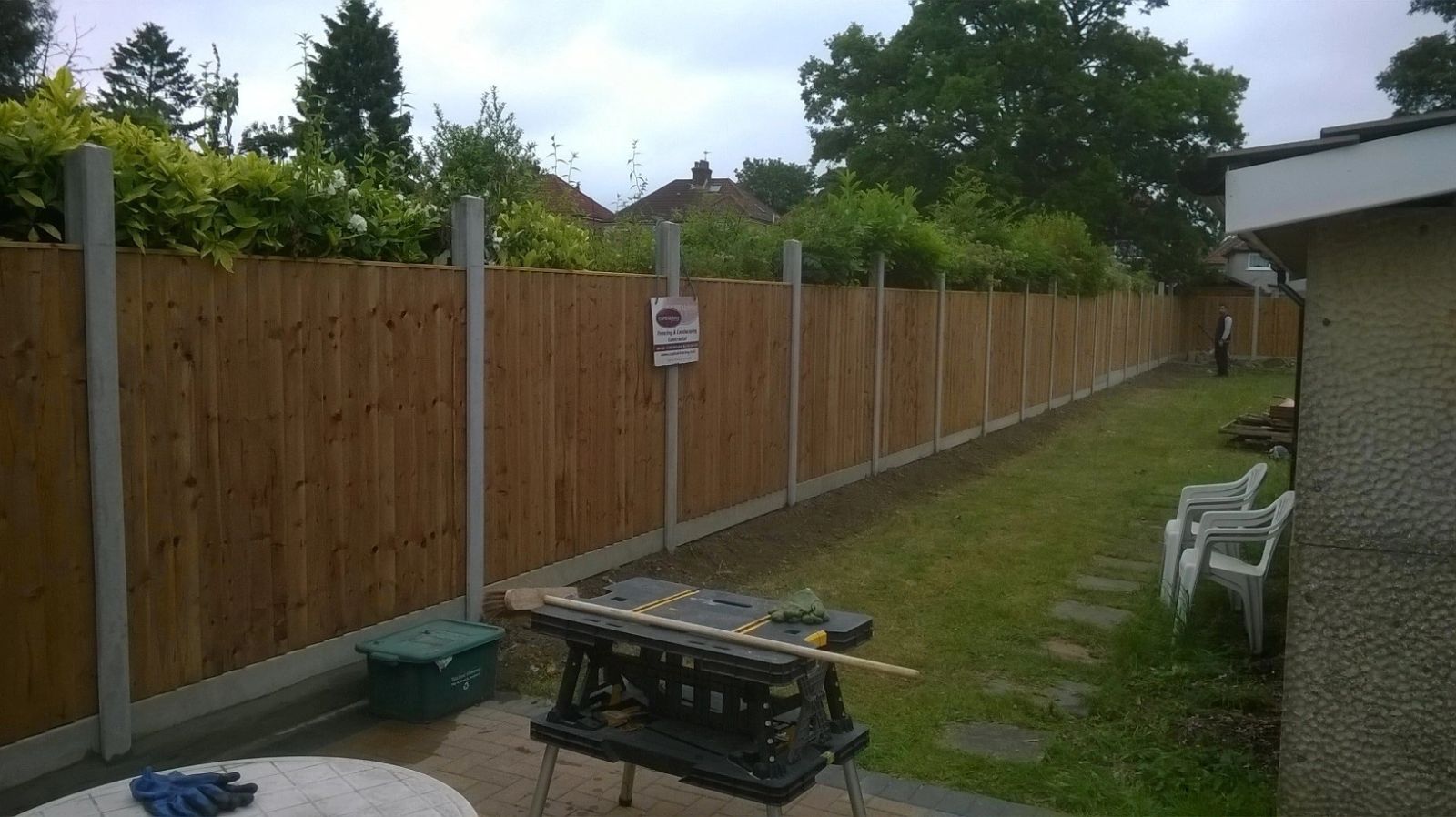
tree-root heave is common near Cassiobury and Whippendell Wood, so concrete-set posts are non-negotiable
Under Watford Borough Council, covering WD17, WD18, WD19. Nearest arterial: A411 / A4008, M1 J5 / M25 J19. Served from Watford Junction (West Coast Main Line). Local commercial anchors: Watford Business Park, Croxley Business Park.
Streets we regularly work on: Vicarage Road, Cassio Road, Langley Way, Rickmansworth Road. Local anchors: Watford Junction, Vicarage Road stadium, Whippendell Wood.
Watford's housing mixes Victorian terraces near the town centre with 1930s semis around Cassiobury and larger detached homes further out. Nascot Wood Road backs onto mature woodland with beech and hornbeam trees subject to tree preservation orders. The Grand Union Canal runs along the edge of Cassio Road, with a Canal & River Trust easement maintained along the towpath. Vicarage Road is home to Watford FC's stadium, and matchday traffic is a known feature of the surrounding streets.
Practical points for boundary work in Watford
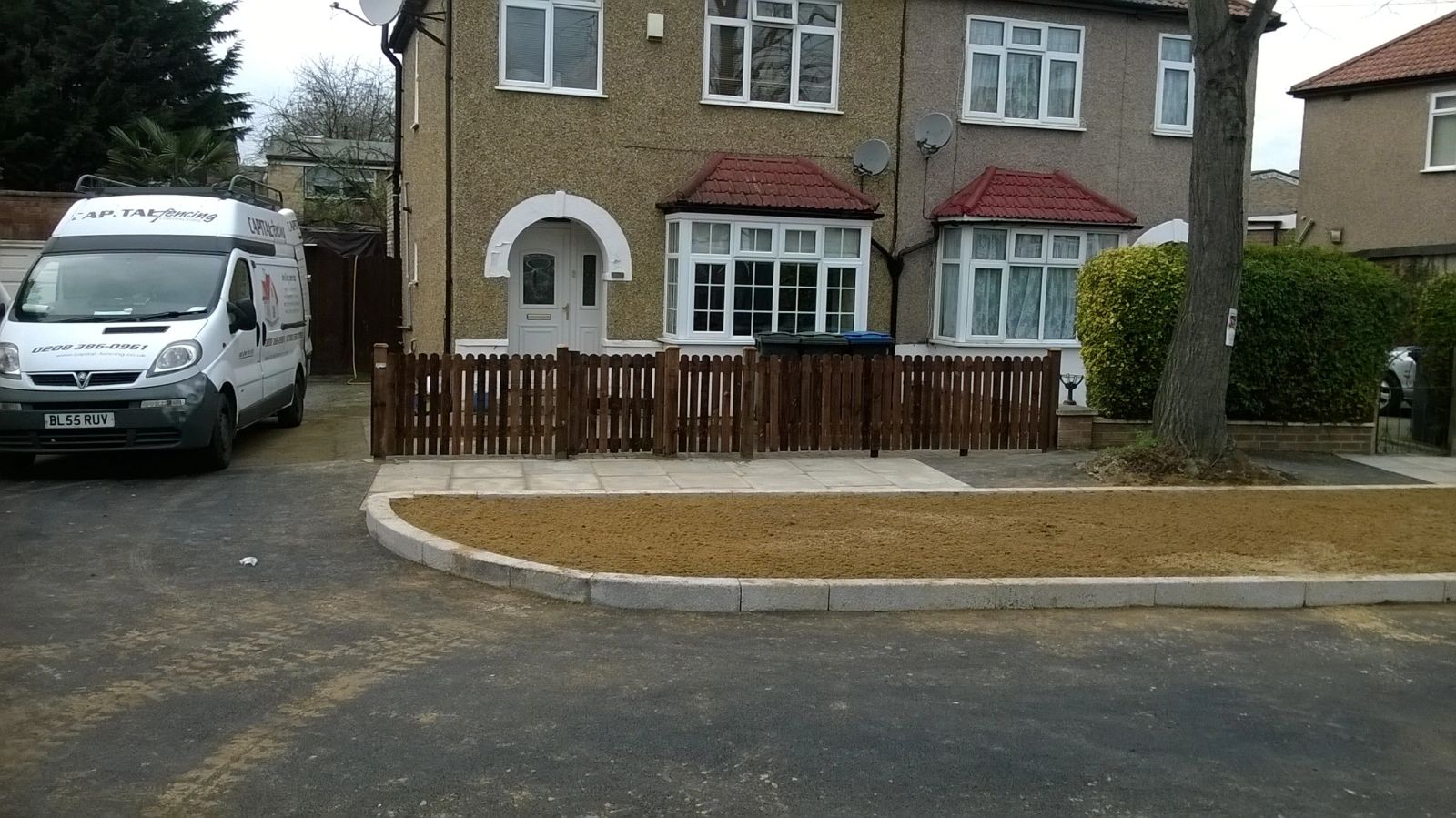
Visibility splays on corner plots and driveways
Corner plots and driveways onto a road often have a highway visibility splay — a triangular zone near the junction — where boundary height is restricted so drivers and pedestrians can see each other clearly.
These restrictions are usually lower than the standard 1m front-boundary limit and are enforced by the highway authority rather than just general planning policy, so it's worth checking with the council for any plot near a junction or driveway crossing a footway.
Open railings or low planting within a visibility splay are common solutions where some boundary definition is still wanted without blocking sightlines.
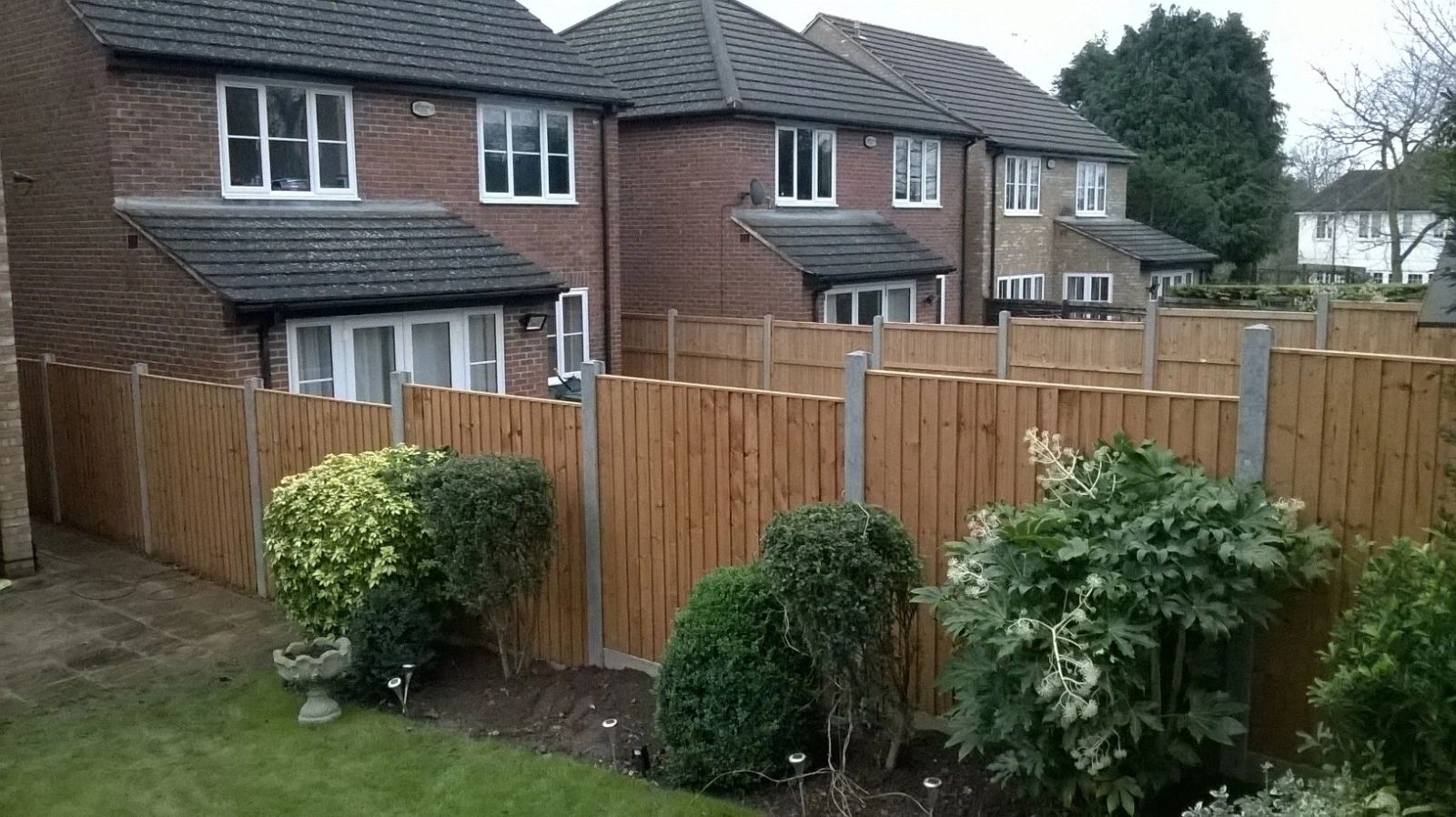
Lap panels versus closeboard durability
Overlap (lap) panels are factory-assembled from thin horizontal slats stapled to a light timber frame, which makes them cheap and quick to fit but noticeably shorter-lived than boarded fencing.
The thin slats and lightweight frame flex in wind and the staples pull through over a handful of seasons, especially on an exposed run, whereas closeboard's thicker feather-edge boards and nailed arris rails tolerate the same movement without failing.
Lap panels suit a budget-driven job with modest exposure; anywhere wind-loaded or expected to last well past a decade is better specified as closeboard from the outset.
Converted flats and shared bin storage
Houses converted into two or three flats often have a shared bin store or side passage boundary that wasn't part of the original single-dwelling fence layout, and responsibility for repair can be unclear where the freeholder retains the passage but individual flats use it daily.
A gate onto a shared bin store needs to be wide enough for wheelie bins to pass without lifting them over a threshold, and a self-closing latch is worth specifying so the gate isn't left open between collections.
Where flats were converted without formal division of the garden, it's worth clarifying in writing which flat is responsible for which section of boundary before starting any replacement work.
Fixing a fence run to an existing masonry wall
Tying a timber fence into an existing brick or block wall usually means fixing a timber post or batten flat to the wall face with masonry bolts or heavy-duty frame fixings rather than digging a post hole hard against the footing.
The wall's own condition matters before any fixing goes in — loose pointing, spalled brick faces or a wall already leaning shouldn't be relied on to carry lateral load from a fence panel.
Where the wall belongs to a neighbour or is shared, fixing into it without agreement can be a boundary matter in its own right, separate from the fencing work itself.
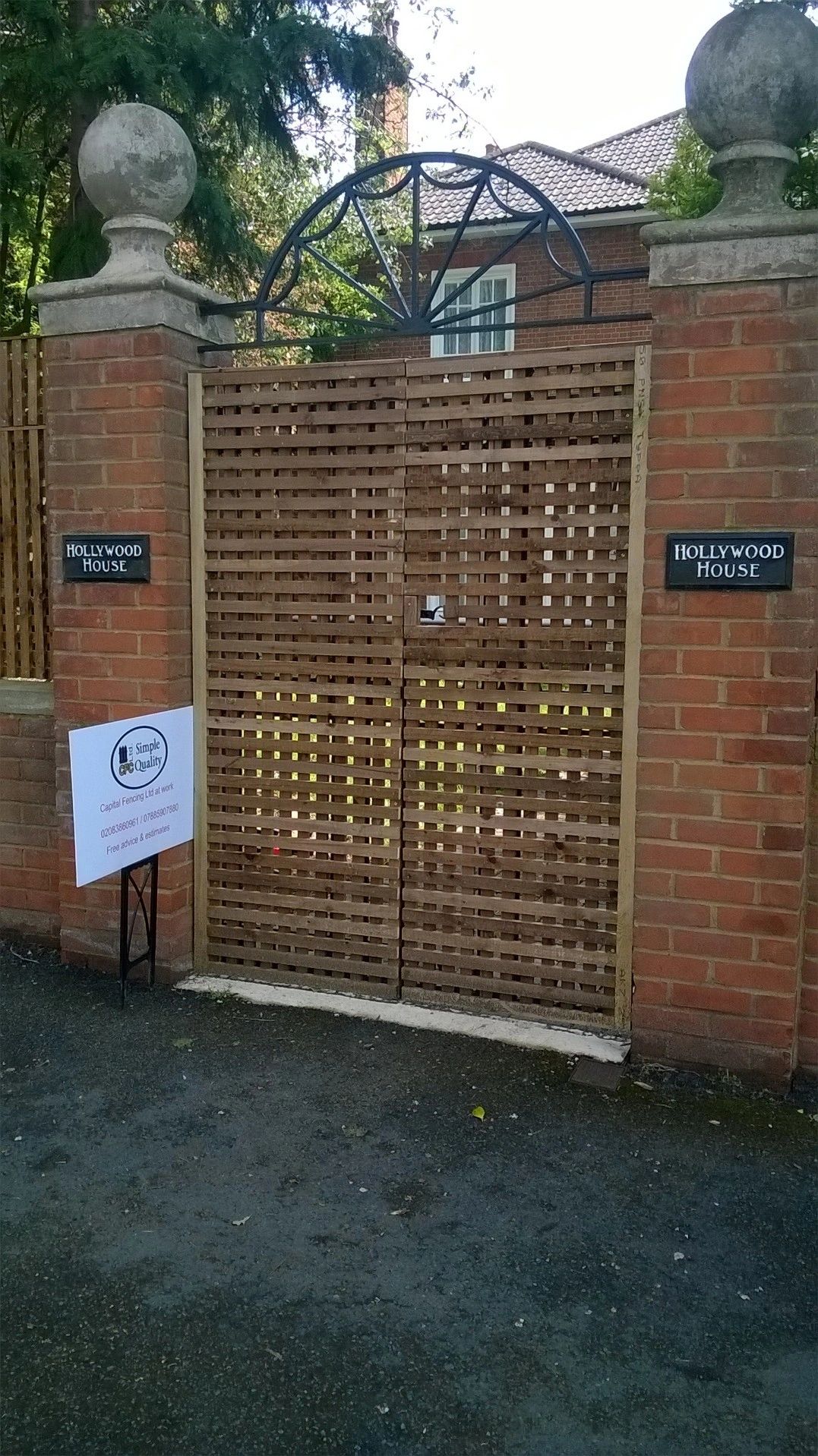
Higher wear on gates serving a shared driveway
A gate serving a driveway shared by more than one household sees substantially more open-close cycles than a private garden gate, which accelerates hinge and latch wear well ahead of the general maintenance interval expected for a single-household gate.
Specifying heavier-duty hinges and a latch mechanism rated for frequent use, rather than standard domestic hardware, is worth the modest extra cost on a shared-access gate given how much more it's actually used.
It's also worth agreeing maintenance responsibility for a shared gate in writing between households, since a gate serving multiple parties doesn't have the same single clear owner a private gate does.
Creosote and its substitutes
Traditional creosote, a tar-oil wood preservative, gives strong protection against rot and insects but is now restricted to professional and agricultural use in the UK following changes in chemical regulation, and isn't available for general retail sale.
Modern water-based and oil-based substitute preservatives aim to replicate creosote's protective performance without the same handling and environmental restrictions, though some traditionalists consider the older tar-oil formulations more effective on long-term exposed structural timber.
Fencing sold as 'creosoted' to the public today is typically treated with one of these substitute formulations rather than genuine creosote, since supply of the original product to non-professional users has been curtailed.
What should I know about fixing a fence run to an existing masonry wall in Watford?
Tying a timber fence into an existing brick or block wall usually means fixing a timber post or batten flat to the wall face with masonry bolts or heavy-duty frame fixings rather than digging a post hole hard against the footing. The wall's own condition matters before any fixing goes in — loose pointing, spalled brick faces or a wall already leaning shouldn't be relied on to carry lateral load from a fence panel. Where the wall belongs to a neighbour or is shared, fixing into it without agreement can be a boundary matter in its own right, separate from the fencing work itself.
Creosote and its substitutes — what does that mean for a job in Watford?
Modern water-based and oil-based substitute preservatives aim to replicate creosote's protective performance without the same handling and environmental restrictions, though some traditionalists consider the older tar-oil formulations more effective on long-term exposed structural timber. Fencing sold as 'creosoted' to the public today is typically treated with one of these substitute formulations rather than genuine creosote, since supply of the original product to non-professional users has been curtailed. Traditional creosote, a tar-oil wood preservative, gives strong protection against rot and insects but is now restricted to professional and agricultural use in the UK following changes in chemical regulation, and isn't available for general retail sale.
What's the most common issue you plan around in Watford?
Tree-root heave is common near Cassiobury and Whippendell Wood, so concrete-set posts are non-negotiable.
What areas of Watford do you cover?
We cover all of Watford (WD17, WD18, WD19), under Watford Borough Council.
Higher wear on gates serving a shared driveway — what does that mean for a job in Watford?
A gate serving a driveway shared by more than one household sees substantially more open-close cycles than a private garden gate, which accelerates hinge and latch wear well ahead of the general maintenance interval expected for a single-household gate. Specifying heavier-duty hinges and a latch mechanism rated for frequent use, rather than standard domestic hardware, is worth the modest extra cost on a shared-access gate given how much more it's actually used. It's also worth agreeing maintenance responsibility for a shared gate in writing between households, since a gate serving multiple parties doesn't have the same single clear owner a private gate does.
Does converted flats and shared bin storage come up much on jobs around Watford?
Where flats were converted without formal division of the garden, it's worth clarifying in writing which flat is responsible for which section of boundary before starting any replacement work. Houses converted into two or three flats often have a shared bin store or side passage boundary that wasn't part of the original single-dwelling fence layout, and responsibility for repair can be unclear where the freeholder retains the passage but individual flats use it daily. A gate onto a shared bin store needs to be wide enough for wheelie bins to pass without lifting them over a threshold, and a self-closing latch is worth specifying so the gate isn't left open between collections.
We work this patch off A411 / A4008, close to M1 J5 / M25 J19, via Watford Junction (West Coast Main Line). Converted flats and shared bin storage: Houses converted into two or three flats often have a shared bin store or side passage boundary that wasn't part of the original single-dwelling fence layout, and responsibility for repair can be unclear where the freeholder retains the passage but individual flats use it daily. A gate onto a shared bin store needs to be wide enough for wheelie bins to pass without lifting them over a threshold, and a self-closing latch is worth specifying so the gate isn't left open between collections. Fixing a fence run to an existing masonry wall: Tying a timber fence into an existing brick or block wall usually means fixing a timber post or batten flat to the wall face with masonry bolts or heavy-duty frame fixings rather than digging a post hole hard against the footing.
Get In Touch
Get My Free Quote — 24h Response
No callout fee · Free site visit · Friendly local team covering London & Hertfordshire.