
Composite vs Timber Decking: Which Is Right for You?
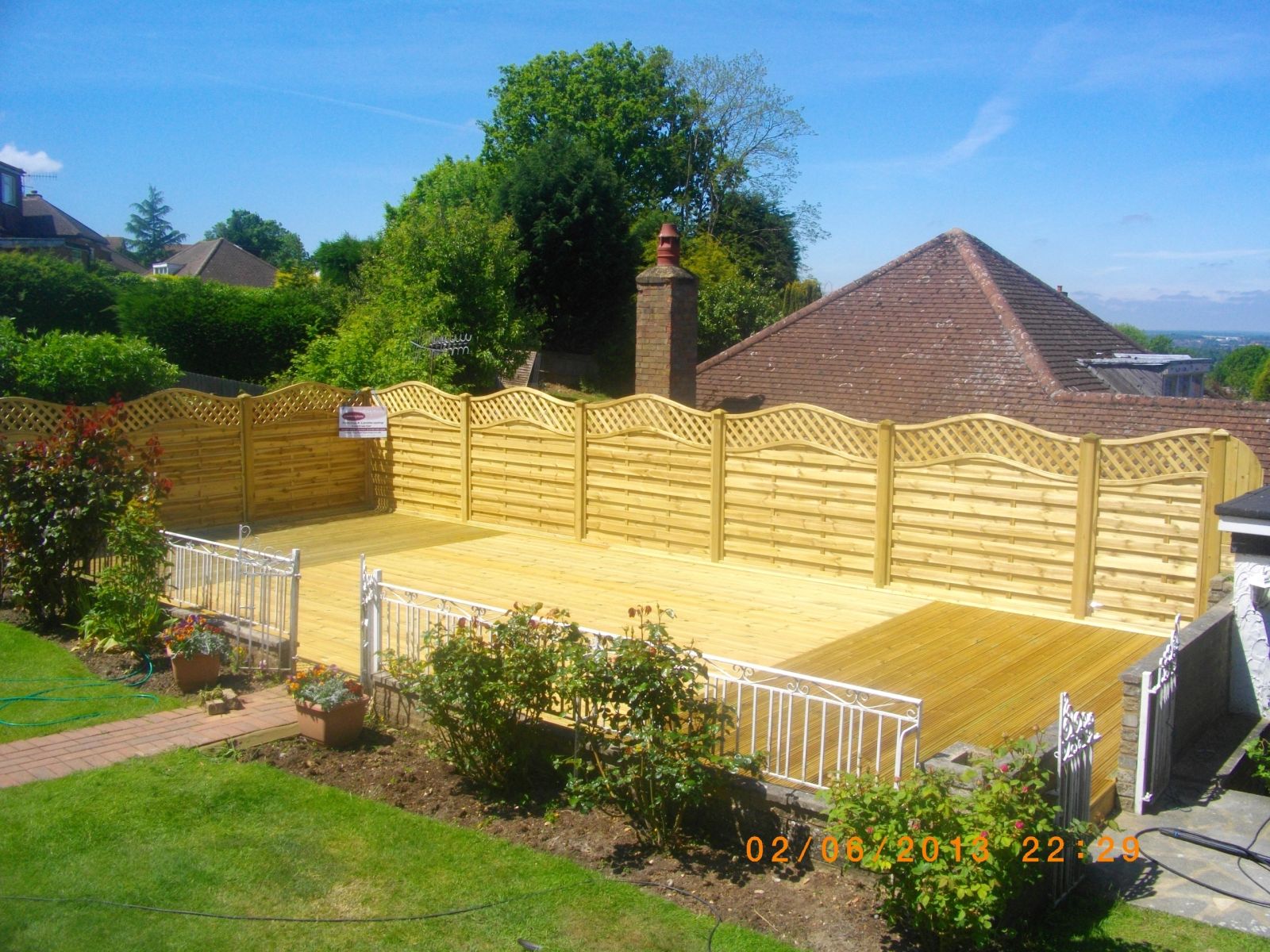
Timber decking costs less initially and looks natural; composite costs more but needs almost no upkeep and resists slipping and splintering better over time.
Decking spends its life outdoors, underfoot, in the wet — so the material decision here has more day-to-day consequences than almost any other choice in a garden project.
Timber decking
- Lower upfront cost across most softwood and mid-range hardwood options
- Natural look and feel that many people simply prefer
- Individual boards are simple and cheap to replace
- Needs regular cleaning, oiling or staining to stay presentable and safe
- Can splinter and go slippery with algae if maintenance is skipped
Composite decking
- No staining or oiling — an occasional wash keeps it looking right
- Consistent grip and colour that doesn't degrade like neglected timber
- Resists splintering, making it a safer surface for bare feet and kids
- Higher material cost than most timber options
- Can retain more heat underfoot in direct summer sun than lighter timber
Side by side
| Timber | Composite | |
|---|---|---|
| Cost | Lower | Higher |
| Maintenance | Regular oiling/staining | Occasional wash |
| Slip resistance over time | Depends on upkeep | Consistent |
| Splinter risk | Present, especially if neglected | Very low |
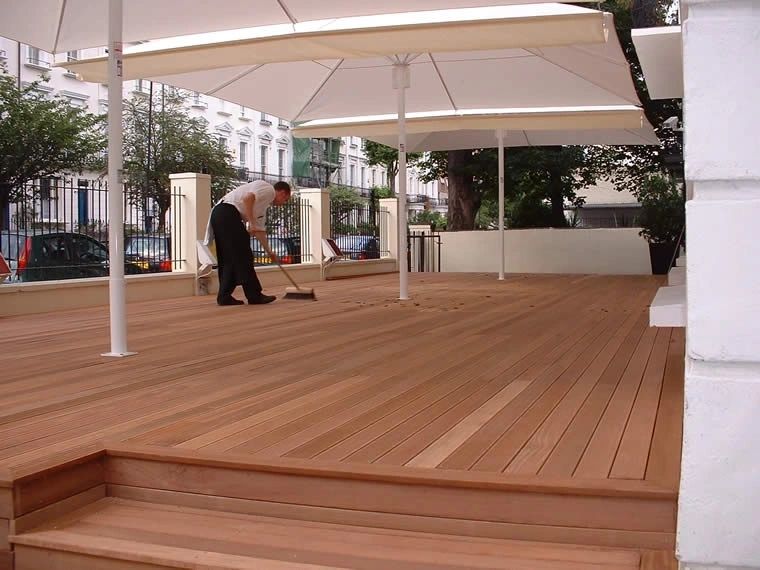
Which should you choose?
Choose timber if you want the classic look, a lower price, and are genuinely willing to keep up an annual treatment routine.
Choose composite if the deck sees bare feet, is in a shaded or damp spot prone to algae, or you simply don't want another outdoor maintenance job on the list.
Timber for budget and natural appearance with upkeep; composite for low-maintenance, consistent performance at a higher price.
Frequently asked
Is composite decking slippery when wet?
Quality composite boards include a textured, grooved surface designed for grip; poor-quality boards can still be slippery, so spec matters.
Does composite decking fade?
Reputable composite products are UV-stabilised and fade minimally compared with untreated or neglected timber.
Can I lay composite boards on an existing timber sub-frame?
Often yes, provided the joists and spacing meet the composite manufacturer's requirements — we check this on site.
Which is better near a hot tub or pool?
Composite generally handles constant splashing and damp better with less ongoing treatment.