Garden Decking in Waltham Forest (E4)
Capital Fencing Ltd delivers garden decking across Waltham Forest and the surrounding E4 / E10 / E11 / E17 postcode area, from streets backing onto A112 Hoe Street / A104 Lea Bridge Road through to the quieter avenues toward hackney. We're typically on site within a couple of weeks and M11 J4 / A406 North Circular keeps response times tight for follow-up visits. Wood Street, Grove Green Road Walthamstow Wetlands Walthamstow Village CA rear boundary. Painted softwood closeboard with capping to match the E17 conservation profile. Approved without amendment at street-level review. The Wetlands and Forest edges bring stock-proof and ecology considerations; the Mini-Holland cycle scheme has narrowed a lot of E17 side streets so unloading windows are tight and we book bay suspensions on almost every job.
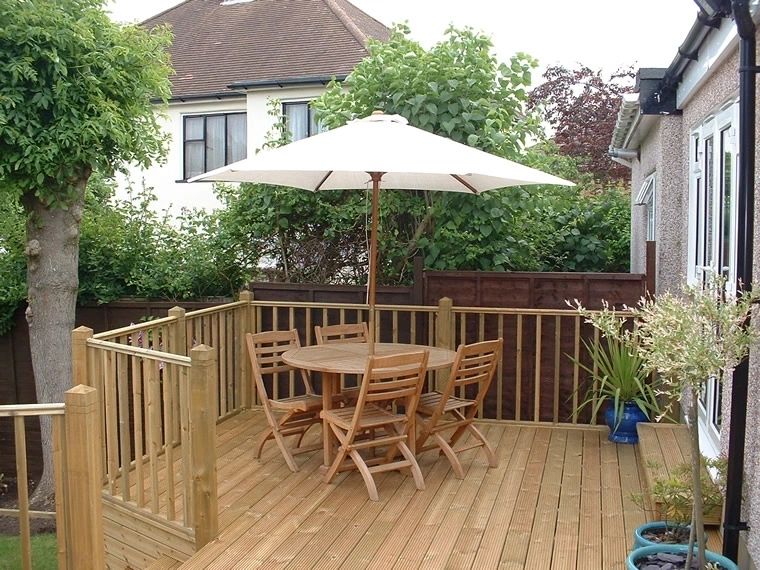
Waltham Forest decking — common briefs
Garden levelling on Victorian terraces across Walthamstow and Leyton
Many Waltham Forest gardens are mid-length rear gardens, several sloping toward the Lea Valley with heavy clay — raised decks fix the slope and add a usable flat area.
Working around wind funnelled off the Lea Valley regularly takes out weak panel fences on the eastern boundaries
Every quote we write in E4 factors this in from the first measure.
Boundary work near Hoe Street
Quick turnarounds, properly insured, with materials that match the surrounding residential streetscape.
Composite vs hardwood for Waltham Forest gardens
Composite suits low-maintenance briefs near Hoe Street; hardwood still wins for big spans and a long-term natural look.
Materials we use in Waltham Forest
Specified where it suits the brief — depth, exposure, garden style.
Specified where it suits the brief — depth, exposure, garden style.
Specified where it suits the brief — depth, exposure, garden style.
Specified where it suits the brief — depth, exposure, garden style.
Specified where it suits the brief — depth, exposure, garden style.
What we've learned working Waltham Forest
Waltham Forest runs from tight Leyton E10 terraces to Chingford E4 detached with real garden depth — one borough, two completely different quote sheets. The Wetlands and Forest edges bring stock-proof and ecology considerations; the Mini-Holland cycle scheme has narrowed a lot of E17 side streets so unloading windows are tight and we book bay suspensions on almost every job.
Streets we've worked on
- Hoe Street
- Forest Road
- Wood Street
- Church Lane
- Chingford Mount Road
- Grove Green Road
We orient by
- Walthamstow Wetlands
- Epping Forest (Chingford edge)
- Lloyd Park
- Leyton Orient (Brisbane Road)
- Walthamstow Village
Recently completed in Waltham Forest
- decking brief
Walthamstow Village CA rear boundary
Spec: Painted softwood closeboard with capping to match the E17 conservation profile
Outcome: Approved without amendment at street-level review.
- decking brief
Chingford Mount driveway gates
Spec: Hardwood double gates on refurbished brick piers with manual drop bolt
Outcome: Sized to fit an awkward 3.4m opening with a 60mm cross-fall.
Why this Waltham Forest page exists
Waltham Forest sits within Waltham Forest Council, part of London Borough of Waltham Forest, with Walthamstow Central (Victoria line / Overground), Leyton, Chingford as the anchor and A112 Hoe Street / A104 Lea Bridge Road the main route in and out. M11 J4 / A406 North Circular puts the decking crew on site fast, and our radius takes in hackney, haringey, enfield comfortably. The local commercial cluster around Hoe Street sees us regularly for security and boundary work.
- Council
- Waltham Forest Council
- Postcodes
- E4, E10, E11, E17
- Nearest motorway
- M11 J4 / A406 North Circular
- Main route
- A112 Hoe Street / A104 Lea Bridge Road
- Transport anchor
- Walthamstow Central (Victoria line / Overground), Leyton, Chingford
Fully insured on every Waltham Forest job.
Installing garden decking across Greater London.
Our own team — no subcontracting.
Waltham Forest gardens left clean at end of every day.
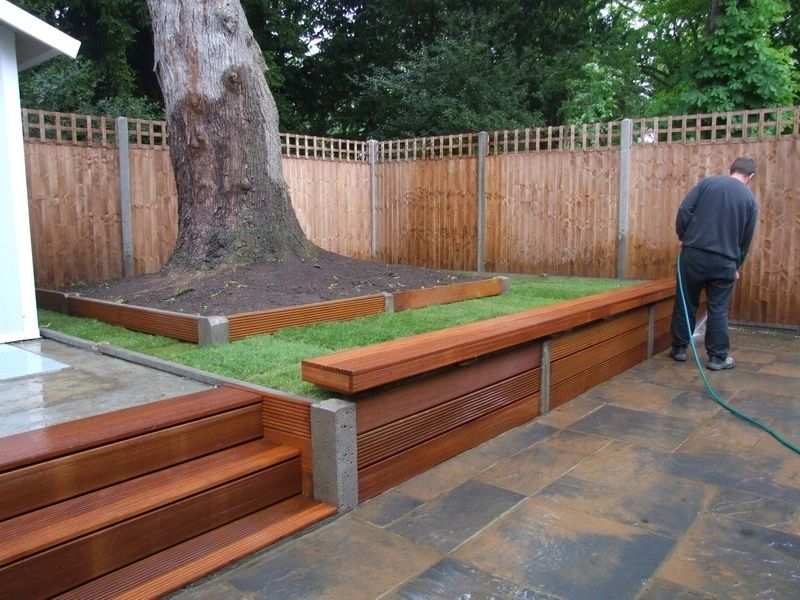
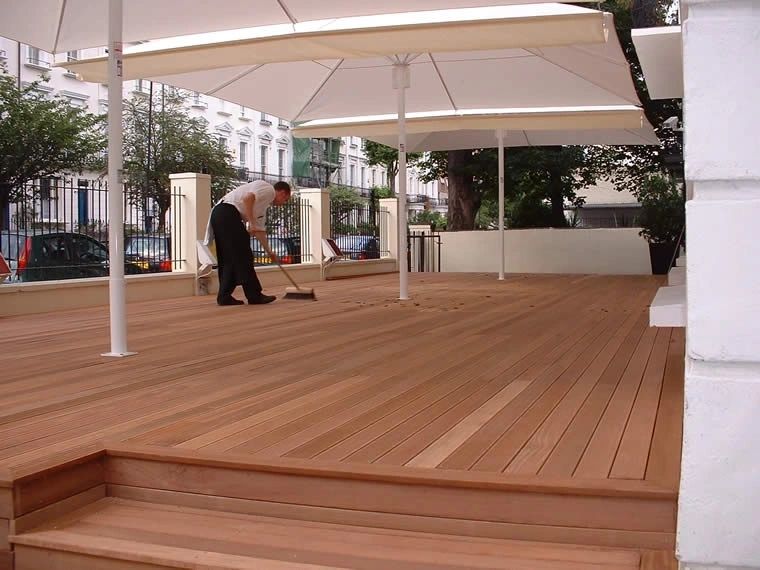
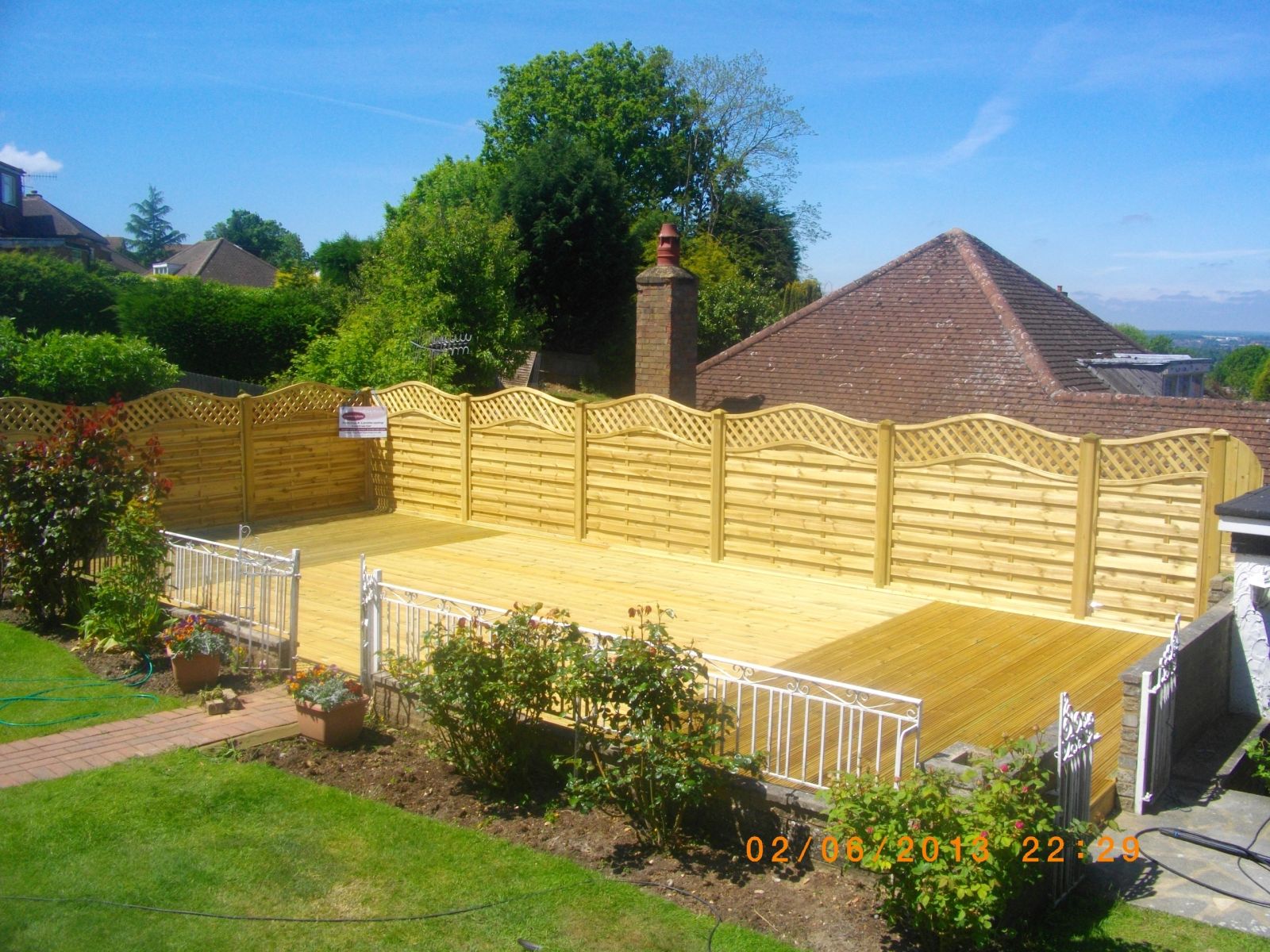
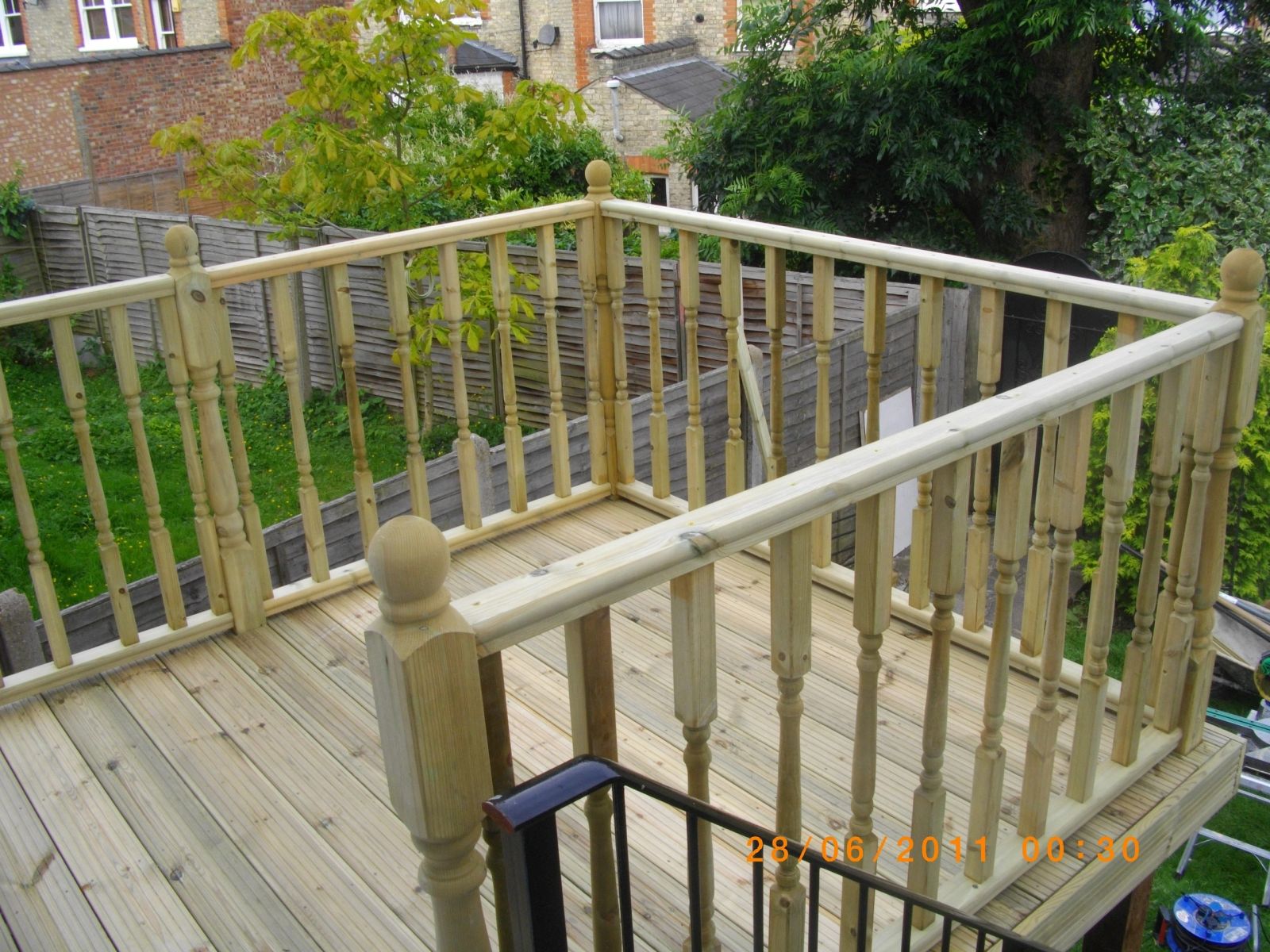
Recent decking work near Waltham Forest
Nearby areas we cover from Waltham Forest
Within practical driving distance of Waltham Forest via A112 Hoe Street / A104 Lea Bridge Road and M11 J4 / A406 North Circular.
FAQ — decking in Waltham Forest
Will you match the existing decks on the street in Waltham Forest?+
On Victorian terraces across Walthamstow and Leyton streets in Waltham Forest we usually try to match the existing line — height, style and finish — unless the brief is a deliberate change. Chingford Mount Road, Church Lane Walthamstow Village Walthamstow Village CA rear boundary. Painted softwood closeboard with capping to match the E17 conservation profile. Approved without amendment at street-level review. The Wetlands and Forest edges bring stock-proof and ecology considerations; the Mini-Holland cycle scheme has narrowed a lot of E17 side streets so unloading windows are tight and we book bay suspensions on almost every job.
Can you handle the soil and ground conditions in Waltham Forest?+
Yes — mid-length rear gardens, several sloping toward the Lea Valley with heavy clay. We concrete-set every post as standard, and where trees or services are in the way we work around them properly.
How quickly can you start a decking job in Waltham Forest?+
Most Waltham Forest jobs are quoted within 48 hours of a site visit and booked in within one to two weeks. We cover E4, E10, E11, E17 from a base that keeps response times tight.
How far from Waltham Forest do you cover?+
Comfortably across hackney, haringey, enfield and the wider Greater London area. M11 J4 / A406 North Circular keeps the radius practical.
Do you guarantee the work?+
Yes — fully insured (£5M public liability), all workmanship guaranteed, and we're around long-term to put anything right if it comes up. Waltham Forest clients can speak to past customers if it helps.
Free garden decking quote across Waltham Forest (E4)
Tell us about the run — length, access along A112 Hoe Street / A104 Lea Bridge Road, deadline. We'll be on site within a few days and turn the quote around in 48 hours. Wood Street, Church Lane Walthamstow Wetlands Walthamstow Village CA rear boundary. Painted softwood closeboard with capping to match the E17 conservation profile. Approved without amendment at street-level review. The Wetlands and Forest edges bring stock-proof and ecology considerations; the Mini-Holland cycle scheme has narrowed a lot of E17 side streets so unloading windows are tight and we book bay suspensions on almost every job.
In short — Garden Decking in Waltham Forest
15+ years installing across Greater London, with regular decking work near Hoe Street. £5M public liability, time-served crew, and E4 references happy to take a call. Forest Road, Grove Green Road Leyton Orient (Brisbane Road) Chingford Mount driveway gates. Hardwood double gates on refurbished brick piers with manual drop bolt. Sized to fit an awkward 3.4m opening with a 60mm cross-fall. Waltham Forest runs from tight Leyton E10 terraces to Chingford E4 detached with real garden depth — one borough, two completely different quote sheets.