
Comparisons
Hedge or Fence: Which Is Better for Your Boundary?
Last updated
The short answer
Choose a fence if you need privacy and a secure line straight away in limited space. Choose a hedge if you have room and time and want a softer, wildlife friendly boundary. Many gardens combine the two: a fence on the line with planting a little inside it.
Official guidance: GOV.UK: how to resolve neighbour disputes
At a glance
- Fence
- Instant privacy, narrow, secure
- Hedge
- Softer, wildlife, needs time and width
- Upkeep
- Trimming for hedges, checks and coating for fences
- Both
- Fence on the line, planting inside it
A fence gives privacy and a firm line straight away. A hedge takes time and space but softens the garden. Many gardens end up with both.
When an old boundary comes to the end of its life, some owners wonder whether to replace it with a fence at all or plant a hedge instead. Both can work. They suit different gardens, budgets of time and expectations.
We build fences, so we are not neutral, but this guide sets out the trade offs fairly so you can choose what suits your garden.
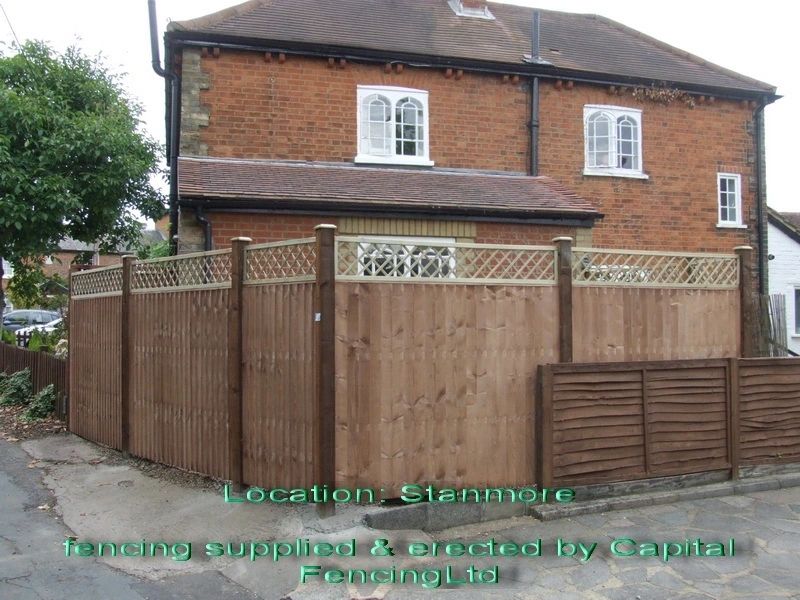
Privacy now, or privacy later
A fence gives full height screening the day it goes in. A hedge starts small and takes years to fill out, depending on the plants. If you need privacy for a new seating area or to block an overlooking window, that timescale often decides it.
Space and width
A fence takes up only the width of its posts. A hedge grows wide as well as tall and needs room to be trimmed from both sides. In a narrow terraced garden that lost width can matter more than people expect.
Upkeep over the years
A hedge needs regular trimming, watering while it establishes and clearing of fallen leaves. A timber fence needs an occasional check and coating, and eventually replacement of posts or panels. Neither is maintenance free; the work is just different.
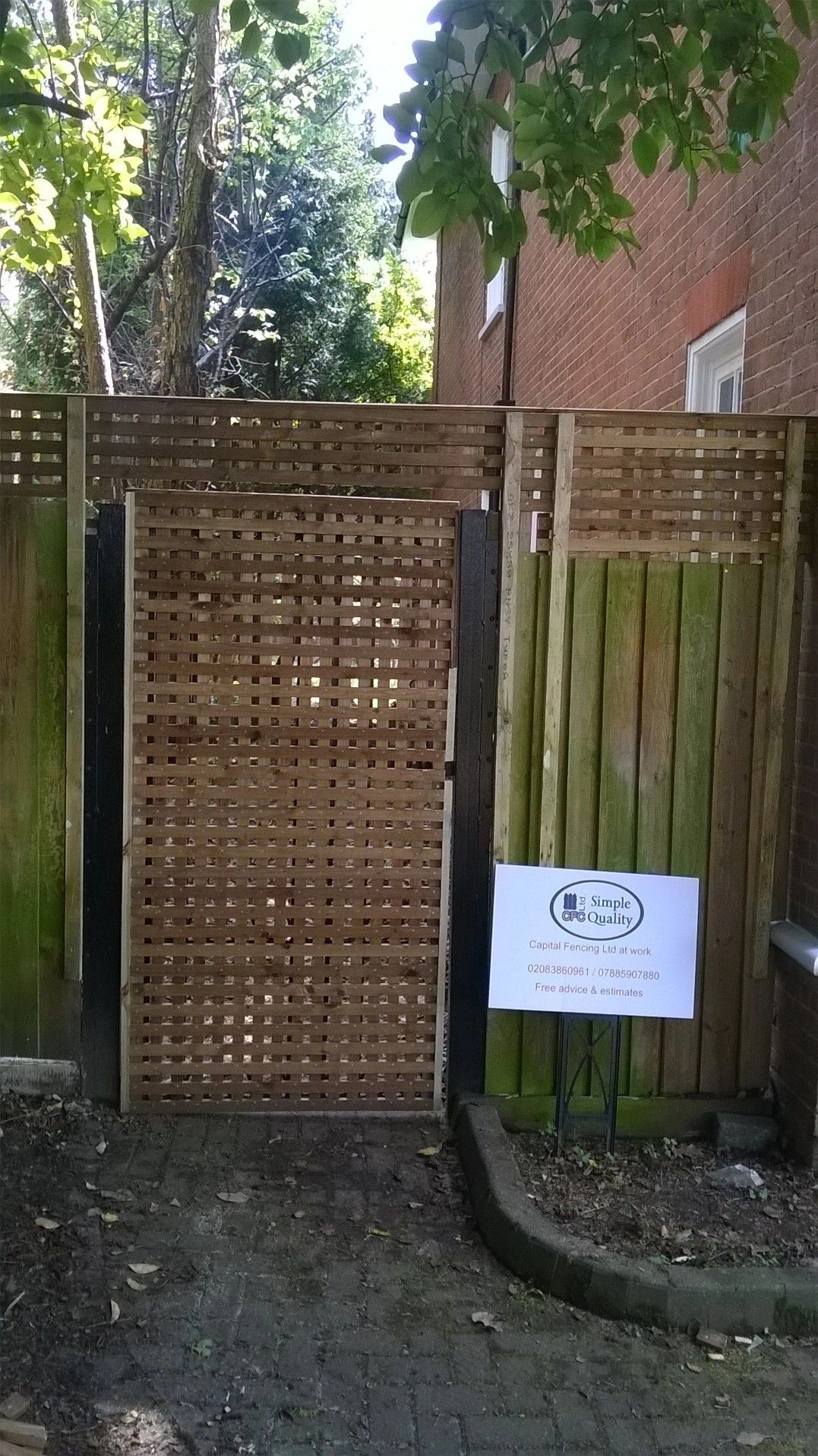
Wildlife, wind and noise
Hedges offer food and shelter for birds and insects and filter wind rather than blocking it. In spring it is worth checking for nesting birds before cutting. A solid fence blocks noise better and gives a firm, secure line, but it catches the full force of the wind, so the posts have to be built for it.
- Hedge: softer look, wildlife, filters wind
- Fence: instant privacy, narrow, secure line
- Both: privacy now with planting in front
Tall hedges and neighbours
A hedge on a boundary can become a source of disagreement if it grows very tall and blocks light. GOV.UK's guidance on resolving neighbour disputes covers what to try first and the council route for problem high hedges. A fence within the general height limits avoids that particular argument.
Security and boundaries you can see
A fence makes the boundary line clear and is harder to push through than a young hedge. That matters where you need to keep children or pets in, or want a firm edge on a corner plot. A mature, dense hedge can be a good barrier too, but a newly planted one has gaps for years, so many owners put a simple post and wire or a low fence behind it while it grows.
Replacing a hedge with a fence
Taking out an old hedge to put up a fence is a bigger job than it looks. The roots spread wide and can be in the way of post holes for some distance, and the ground often needs levelling once they are gone. If the hedge is on a shared boundary, agree its removal with your neighbour first and check whether any planning or conservation controls apply to your street.
Thinking about the long term
A fence and a hedge age differently. A well built timber fence has a working life, after which posts or panels need replacing, while a healthy hedge keeps growing as long as it is looked after. Equally, a hedge can be lost to drought, disease or neglect, and a fence can be replaced in days. Thinking about how long you plan to stay, and how much garden work you enjoy, often settles the choice more than looks alone.
Corner plots and front gardens
On a corner plot or a front garden next to a road, the lower general height limit for fences applies. A hedge behind a low fence or railing can give more screening there without a tall structure on the street edge, which is one reason many front gardens use both.
Combining a fence and a hedge
A popular answer is a fence on the boundary line with a hedge or climbers planted a little inside it. You get privacy and security straight away, and the planting softens the fence over time. Leave enough space to reach the fence for maintenance. If you want the fence part, send photos and measurements and we will give a written estimate.
Frequently asked
Is a hedge cheaper than a fence?
It depends on the plants and size, and a hedge's cost is spread over years of care. A fence is a clearer one off job. We can price the fence side from photos.
Does a hedge give as much privacy as a fence?
Eventually it can, but it takes time to fill out and can thin at the base. A fence is full height straight away.
Can I plant a hedge in front of a new fence?
Yes. Plant a little way in from the fence so roots and growth do not push on it and you can still reach it.
Are there rules about hedge height?
There is a council process for problem high hedges between neighbours. GOV.UK's neighbour disputes guidance explains it.
Going for the fence, or both?
We fit the fence line and leave room for planting in front of it. Photos and rough lengths are enough to start a written estimate.