
Serving Haringey
Security Fencing Near Haringey
Security fencing is a design problem before it's a materials problem — height, topping, sightlines and what sits either side of the line matter more than the panel you pick.
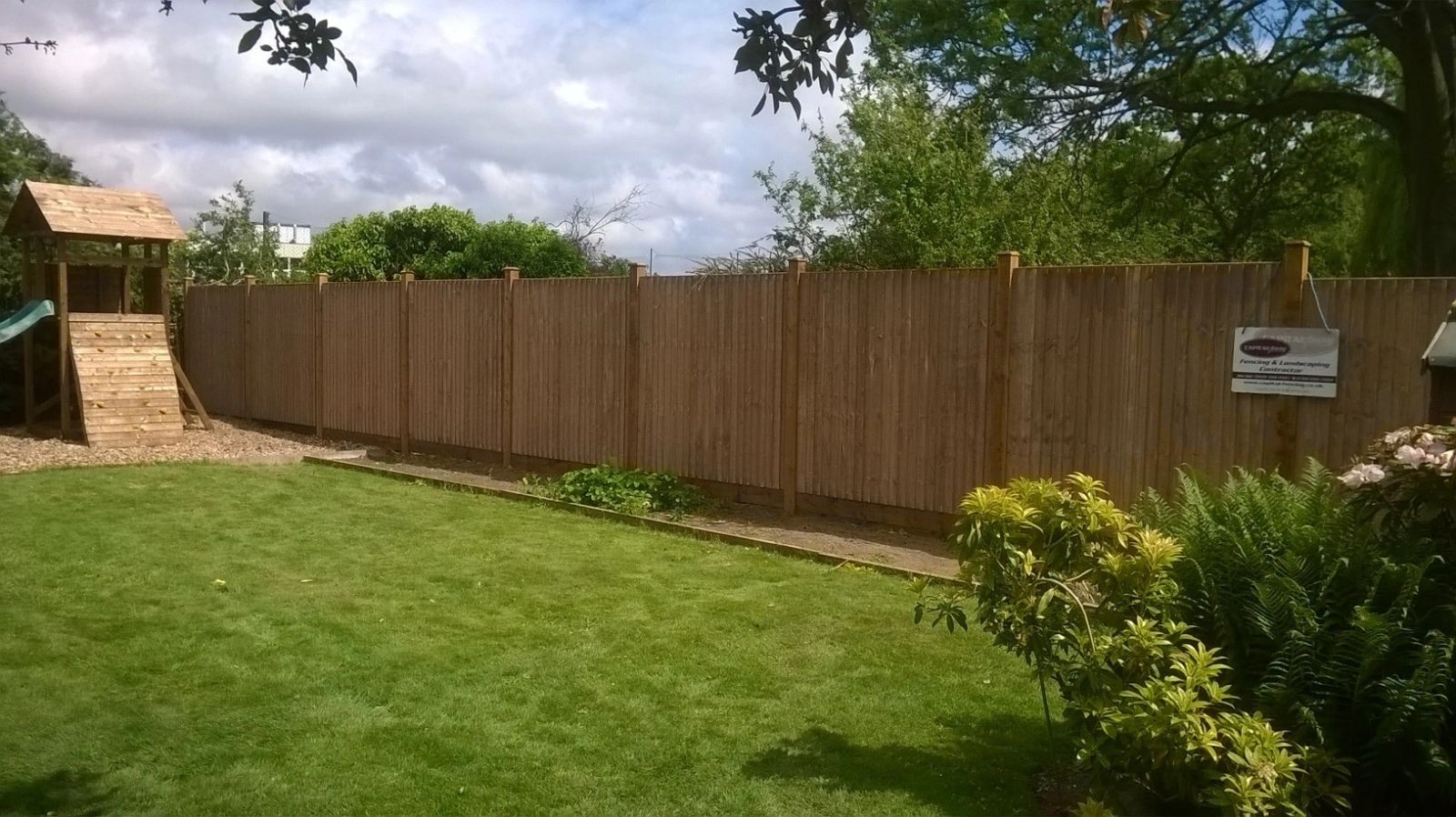
Security Fencing in Haringey usually comes down to one thing first: establishing who owns the boundary. Title deeds don't always mark ownership clearly, and a security upgrade is exactly the kind of work that surfaces a dispute if the existing line is assumed rather than checked. Where a boundary is shared, we recommend confirming ownership and getting neighbour agreement in writing before work starts, particularly on a line that's being made taller or more solid than what's there now. Ferme Park Road, Wightman Road Finsbury Park (north edge) The Ladder streets have long, narrow rear gardens with alley access at the ends of some blocks, while the wider Edwardian roads around Alexandra Park Road have side returns wide enough for a gate. Alexandra Palace sits on high ground overlooking much of the borough, and the slope down from the Palace affects garden gradients on the surrounding streets.
Why this comes up in Haringey
Within reach of Turnpike Lane, Wood Green, Harringay (Piccadilly / Overground), Haringey's victorian terraces (harringay ladder, crouch end), 1930s semis in muswell hill, and post-war estates around tottenham throw up a fairly consistent brief: a cranked topping arm angled outward at roughly 45 degrees forces a climber to overcome gravity as well as grip when reaching over the top, which is significantly harder to defeat than a vertical extension of the same height. Haringey falls under Haringey Council, in the N4 postcode area, neighbouring hackney.
Establishing who owns the boundary
Title deeds don't always mark ownership clearly, and a security upgrade is exactly the kind of work that surfaces a dispute if the existing line is assumed rather than checked. Where a boundary is shared, we recommend confirming ownership and getting neighbour agreement in writing before work starts, particularly on a line that's being made taller or more solid than what's there now.
On terraced rows this matters more than on a detached plot, because a shared rear boundary can affect several neighbours at once.
Defensive planting alongside a security fence
Dense, thorny planting such as hawthorn or berberis along the inside or outside of a lower fence adds a deterrent layer without extra height, and is sometimes used where planning limits the fence itself.
Planting needs a maintained gap from the fence line so roots don't undermine posts and growth doesn't hide someone approaching the boundary — the deterrent only works if it's kept low enough to see over and dense enough not to push through.
Cranked arm angle for wire toppings
A cranked topping arm angled outward at roughly 45 degrees forces a climber to overcome gravity as well as grip when reaching over the top, which is significantly harder to defeat than a vertical extension of the same height.
Angling the arm inward is sometimes specified instead where the security concern is people leaving a site rather than entering it, such as around a compound holding valuable scrap awaiting collection.
Checking post plumb tolerance after installation
A post that's slightly off plumb when first set can be adjusted while the concrete is still workable, but once cured the only fix is breaking out and resetting it, so plumb is checked with a spirit level in two directions before the pour rather than assumed from a quick visual check.
A run of posts each slightly off plumb in the same direction is usually a sign of a systematic setting-out error rather than individual mistakes, and is worth catching after the first two or three posts rather than the whole run.
Resin anchor fixings for a bolted baseplate post
A resin anchor sets a threaded stud into a drilled hole in existing concrete or masonry using a two-part chemical resin, giving a strong fixing for a bolted baseplate post where excavating a new footing isn't practical, such as on an existing hardstanding.
Anchor depth and resin cure time both need to match the manufacturer's data for the load expected, and a resin anchor installed into damp or dusty concrete without proper hole cleaning will pull out well below its rated capacity.
Inspecting fixing points for early corrosion during routine maintenance
Corrosion on a galvanised security fence typically shows first at cut ends, weld points and fixing holes where the zinc coating has been broken during manufacture or installation, rather than along an untouched length of rail or mesh.
A routine inspection checks these specific points rather than relying on a general look along the fence line, since a fixing bolt corroding from the inside can look sound from the outside until it fails under load.
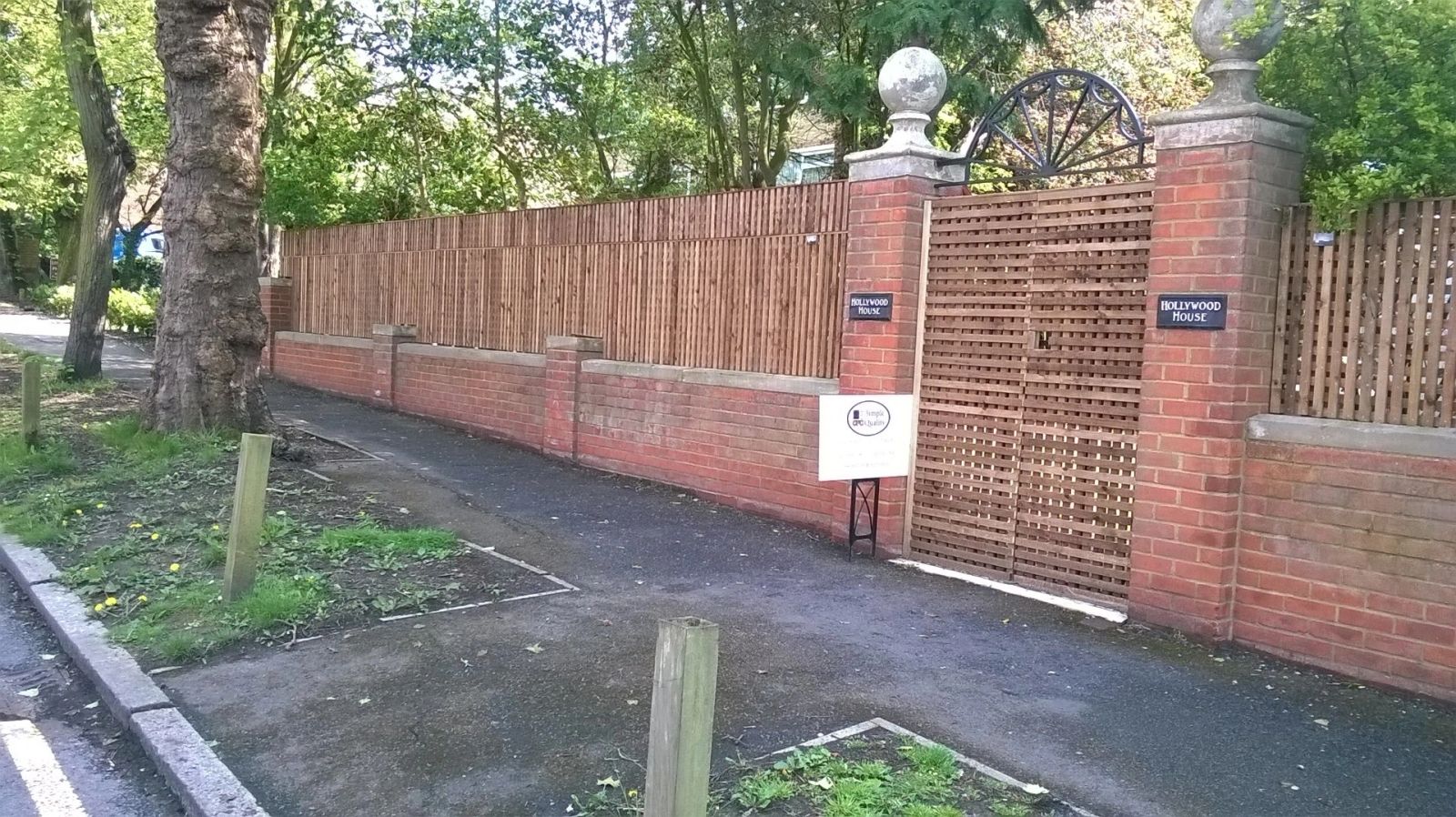
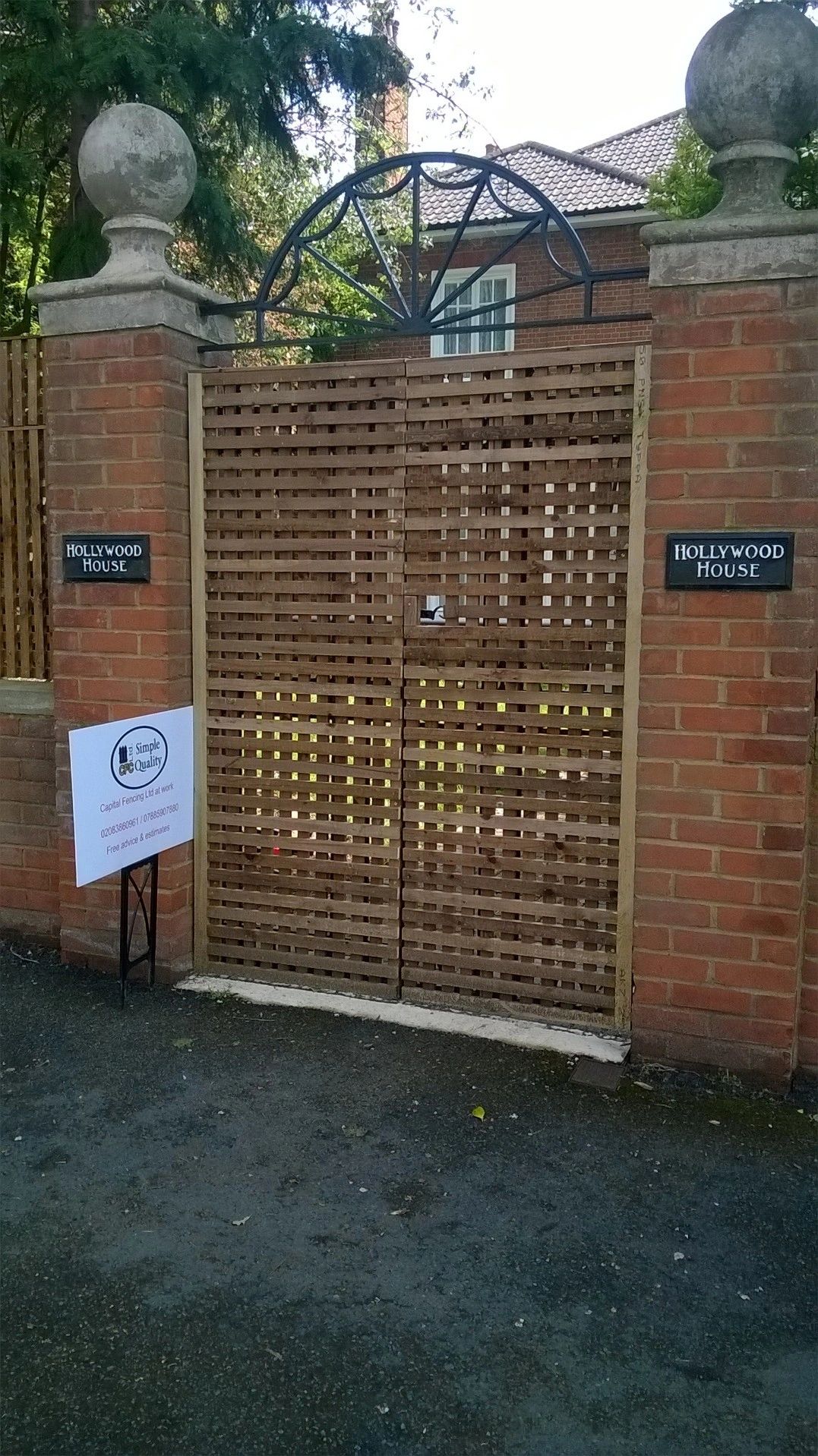
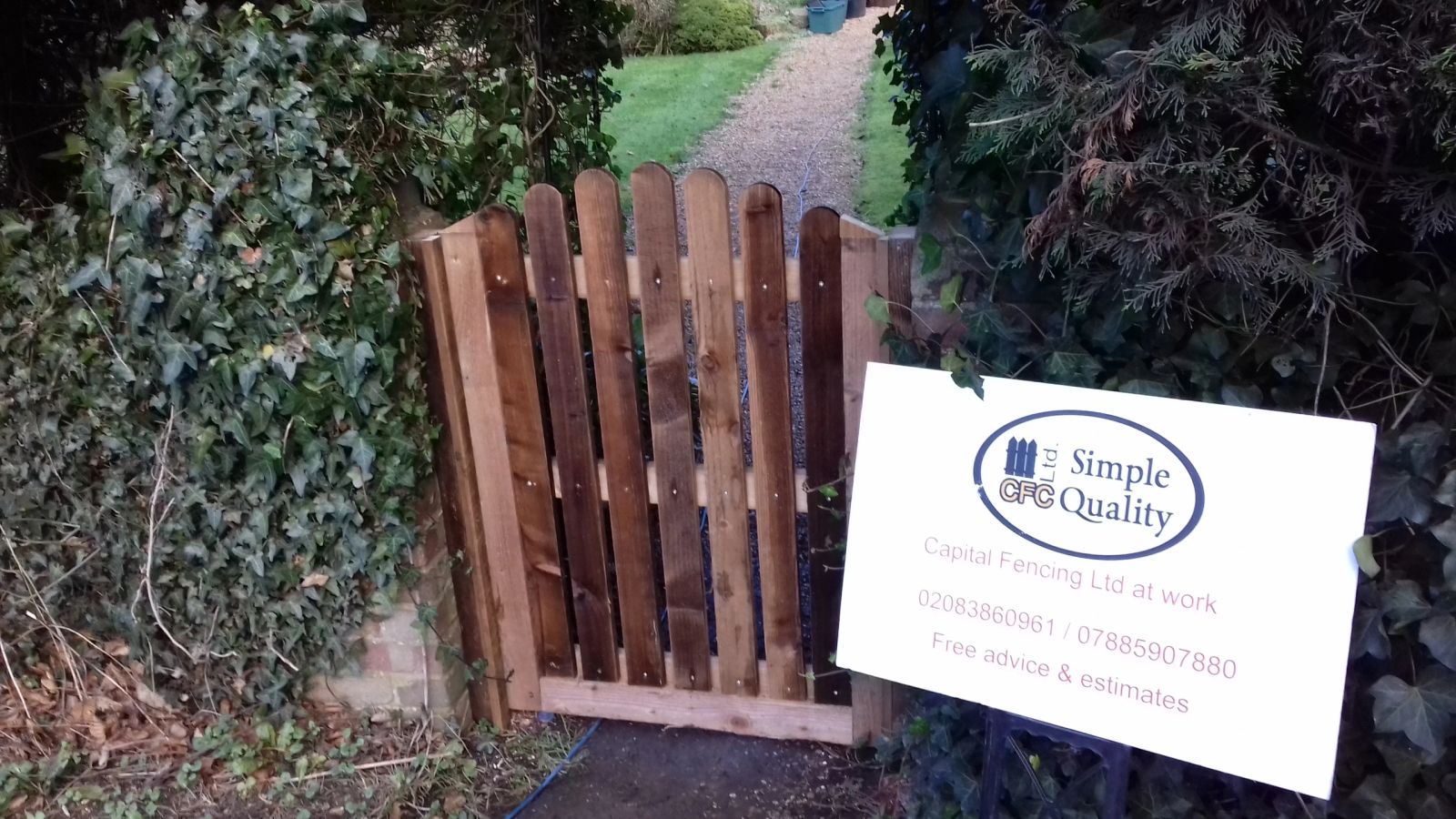
Checking post plumb tolerance after installation is the detail that decides most security fencing jobs here — a post that's slightly off plumb when first set can be adjusted while the concrete is still workable, but once cured the only fix is breaking out and resetting it, so plumb is checked with a spirit level in two directions before the pour rather than assumed from a quick visual check. Green Lanes, Wightman Road Bruce Castle Park Haringey Council maintains conservation areas covering parts of Muswell Hill, Crouch End and Tottenham, which affect front-boundary heights and materials. Alexandra Palace sits on high ground overlooking much of the borough, and the slope down from the Palace affects garden gradients on the surrounding streets.
Frequently asked
What ironmongery do you use on security gates?
Commercial-grade galvanised hinges, drop bolts and hasps as standard, matched to the weight and use of the gate. Wightman Road, Alexandra Park Road Harringay Ladder The Ladder streets have long, narrow rear gardens with alley access at the ends of some blocks, while the wider Edwardian roads around Alexandra Park Road have side returns wide enough for a gate.
Can a security fence be built around mature trees?
Usually yes, by offsetting posts around root zones — a preservation order on the tree is checked before any groundwork begins.
What's the practical difference between weld mesh and expanded metal panels?
Weld mesh has welded wire joints that are quick and economical to install, while expanded metal is cut from a single sheet with no welds to fail, giving better resistance at the joint on higher-threat sites. Haringey covers a wide area including the Harringay Ladder, a distinctive grid of Victorian terraced streets between Green Lanes and Wightman Road.
Is a CCTV warning sign a legal requirement?
Signage needs to be truthful and visible from the approach it warns about; a sign for a feature that doesn't exist offers no legal protection and can be misleading.
What padlock rating should I look for on a security gate?
Look for a recognised cut, drill and pick resistance rating, and pair it with a shrouded or closed-shackle hasp so the padlock body isn't exposed to bolt-croppers.
What is 358 mesh and when is it needed?
358 mesh is a tight-aperture weld mesh (3mm wire, 5mm x 76mm gaps) that resists cutting and climbing far better than standard weld mesh, and is generally reserved for compounds and higher-threat sites rather than everyday boundaries.
Is steel palisade suitable for a domestic garden?
It's more common on yards and compounds, but a shorter domestic-scale palisade or railing section is sometimes the right call where visible security matters more than screening.
Can a perimeter security upgrade be done in phases on an occupied site?
Yes, work is commonly phased section by section so the whole boundary is never left compromised at once, usually starting with the most vulnerable elevation.
Get your perimeter looked at properly
A free site visit covers the whole boundary, not just the run you called about — we'll flag any weak points while we're there. Covering Haringey and the surrounding streets.
Book a security site visitGet My Free Quote — 24h Response
No callout fee · Free site visit · Friendly local team covering London & Hertfordshire.
Pay by debit or credit card, bank transfer or cash once the work and price are agreed. No deposit taken online.