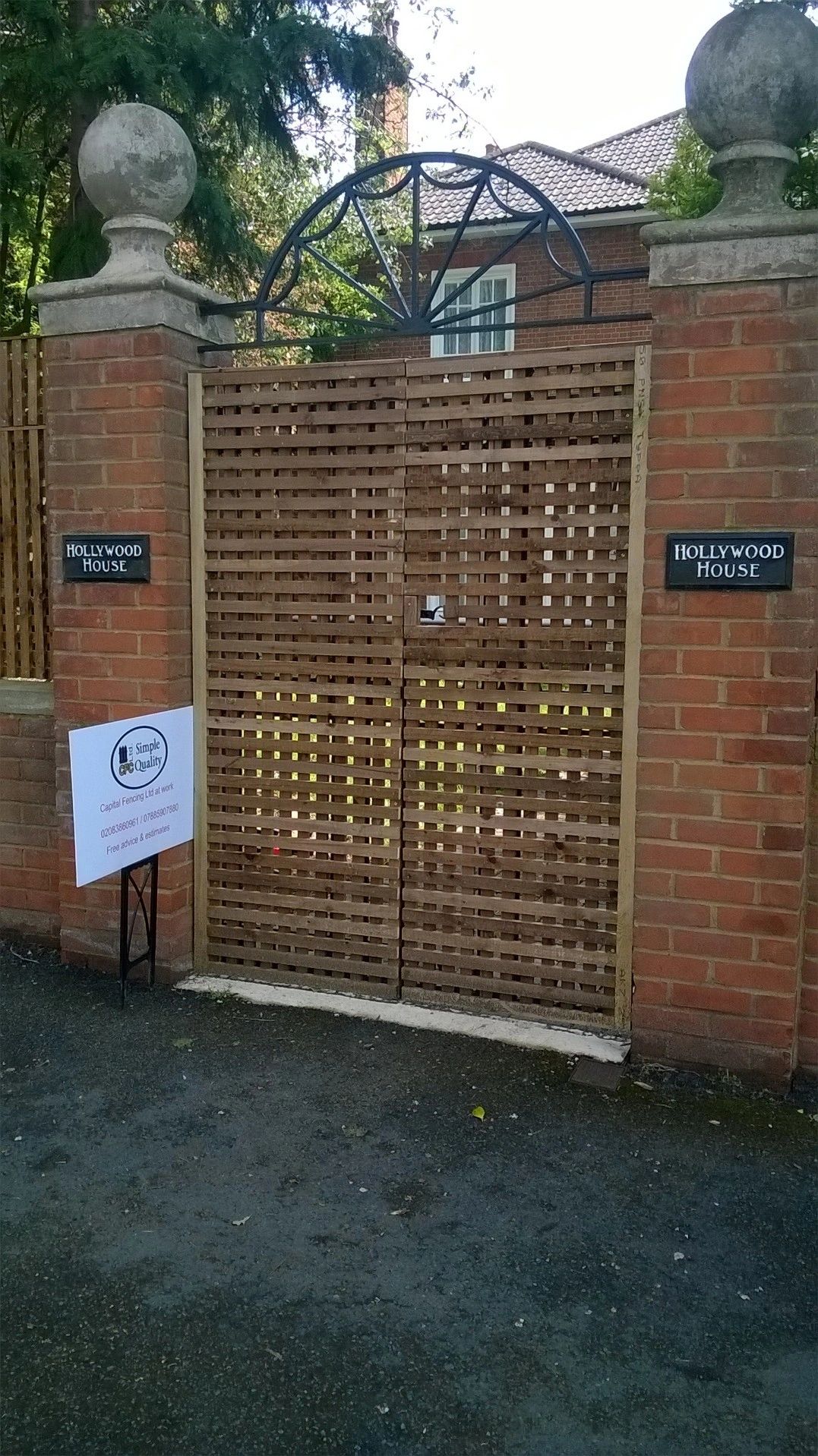
Closeboard Fencing Installers Across Mill Hill & edgware
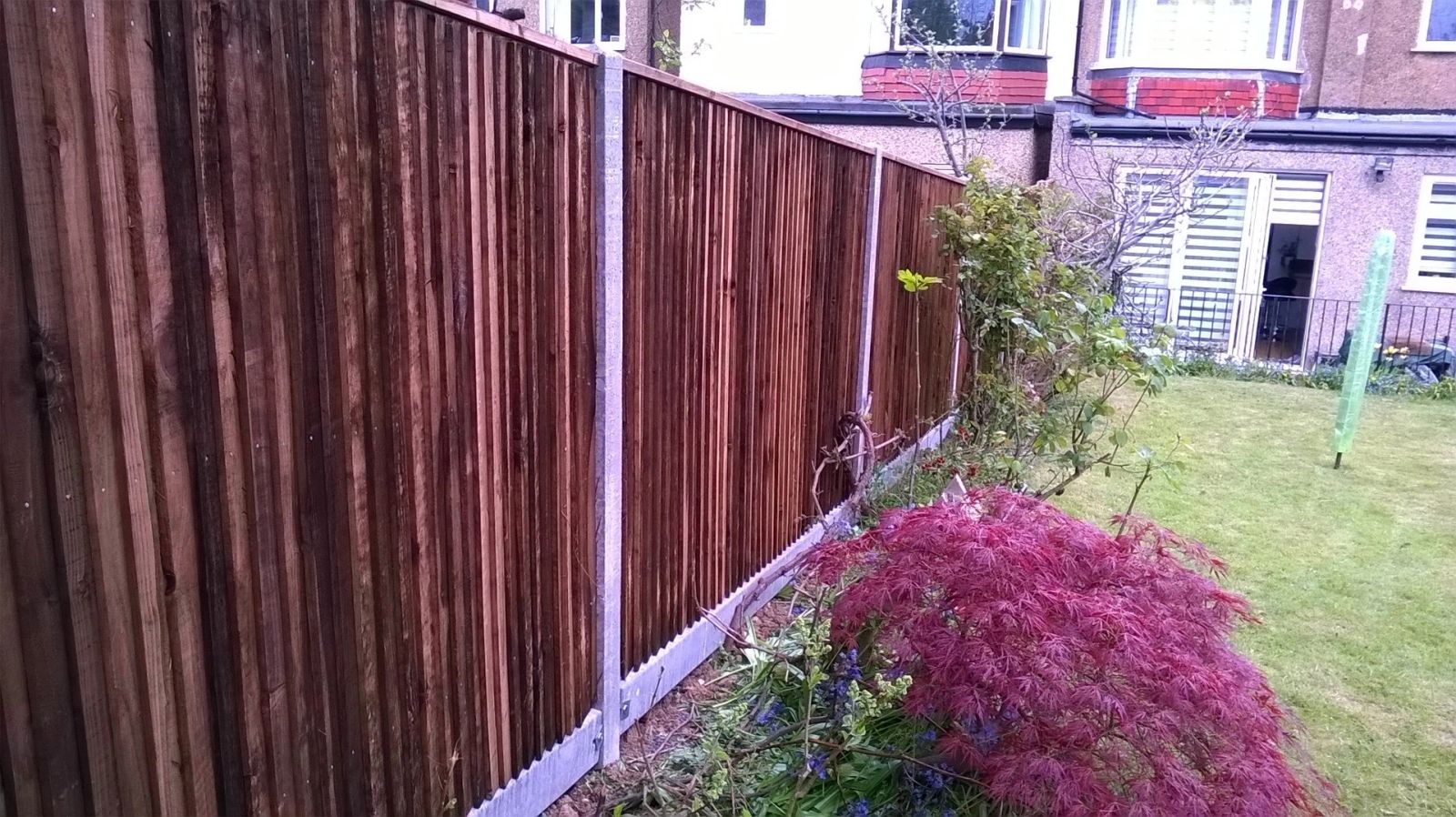
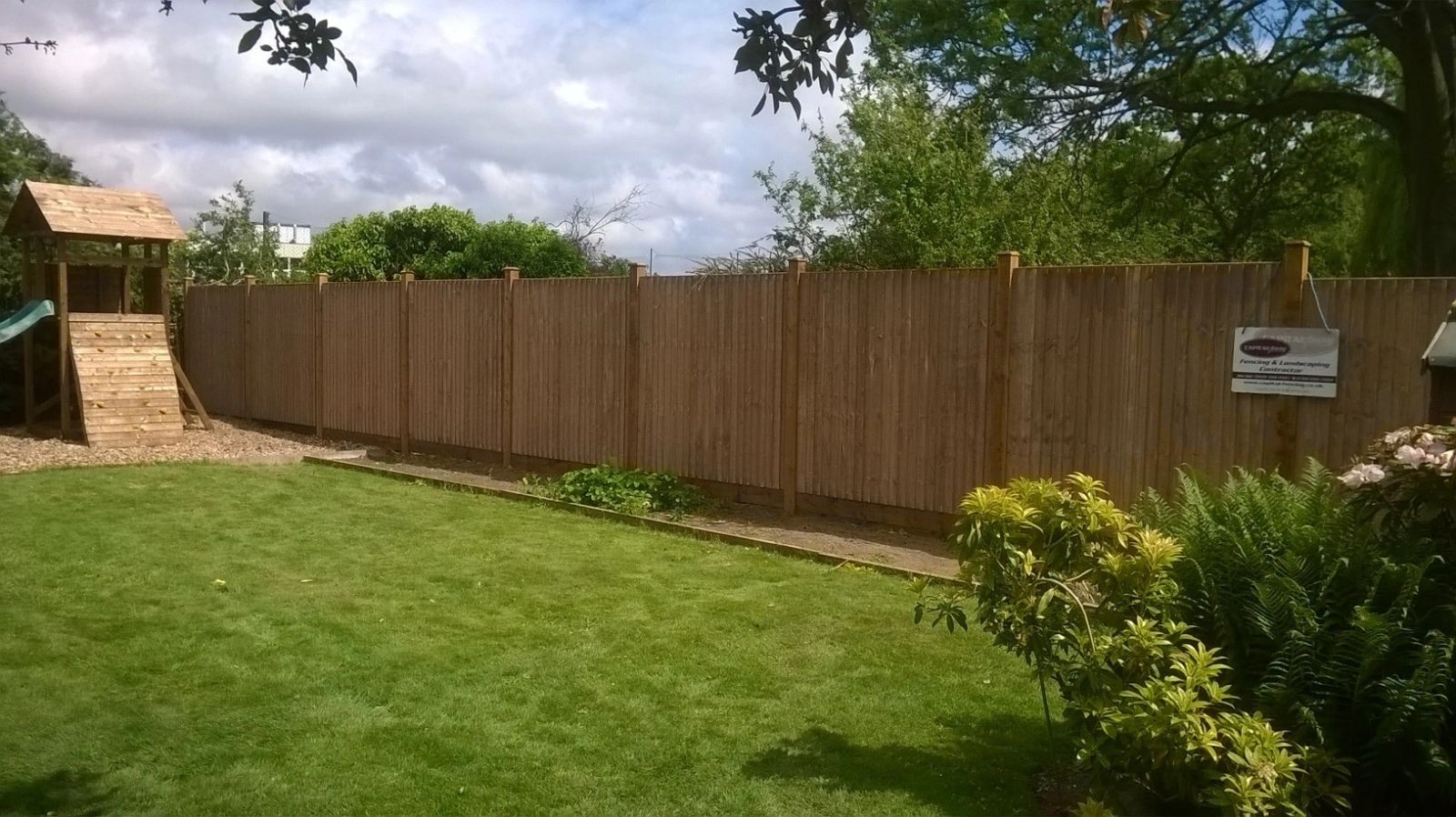
Closeboard Fencing in Mill Hill isn't a bolt-on for us — it's a day-in, day-out install. We cover NW7 and the streets running toward A1 / A41, and we know before we arrive that the mill hill conservation area on the ridgeway has strict rules on materials and finishes. That's the first thing that shapes the spec, not the last. Recent work on Nan Clark's Lane and Devonshire Road. We orient jobs off Copthall Stadium. Ridgeway-facing rear boundary, repeat wind damage. 1.8m closeboard, 100mm posts at 1.83m centres, capped rail. Replaced a 12m panel run that had blown over twice in successive storms.
Closeboard Fencing in Mill Hill isn't a bolt-on for us — it's a day-in, day-out install. We cover NW7 and the streets running toward A1 / A41, and we know before we arrive that the mill hill conservation area on the ridgeway has strict rules on materials and finishes. That's the first thing that shapes the spec, not the last. Recent work on Nan Clark's Lane and Devonshire Road. We orient jobs off Copthall Stadium. Ridgeway-facing rear boundary, repeat wind damage. 1.8m closeboard, 100mm posts at 1.83m centres, capped rail. Replaced a 12m panel run that had blown over twice in successive storms.
Why closeboard fencing works here
- individual boards are cheap and quick to replace when damaged
- no visible fixings on the show side — cleaner look than lap panels
- properly specced arris-rail runs last 15–20 years
Where closeboard fencing isn't the right answer
- •needs re-treating every 3–4 years to keep the boards tight
- •not suitable for very sloping sites without stepped construction
We'll say so on the site visit — a wasted quote helps nobody.
How we build closeboard fencing in Mill Hill
Vertical feather-edge boards on arris rails with pressure-treated posts. Standard build: 150×22mm feather-edge boards, 3-rail arris, 100×100mm pressure-treated posts. On Mill Hill jobs we adjust for the mill hill conservation area on the ridgeway has strict rules on materials and finishes.
Property mix locally: large detached homes on the Ridgeway, 1930s semis around the Broadway, and modern infill near Mill Hill East. Typical gardens: spacious plots — many of the Ridgeway properties have gardens deep enough for full landscaping schemes. Postcodes we regularly service: NW7.
Common Mill Hill briefs
- → landlord-grade runs where a broken board must be swapped, not the whole panel
- → long rear boundaries where privacy and durability beat panel replacement cycles
Closeboard Fencing FAQs — Mill Hill
Can you build closeboard on a slope?
Across Mill Hill (NW7), the honest answer depends on large detached homes on the ridgeway and spacious plots — many of the Ridgeway properties have gardens deep enough for full landscaping schemes. We'll walk you through both individual boards are cheap and quick to replace when damaged and labour is heavier than dropping panels, so day-rate cost is higher on the site visit before you commit.
How is closeboard different from lap-panel fencing?
On Mill Hill jobs we spec around the mill hill conservation area on the ridgeway has strict rules on materials and finishes, so the default is 150×22mm feather-edge boards, 3-rail arris, 100×100mm pressure-treated posts. Practically, that means no visible fixings on the show side — cleaner look than lap panels — and we're upfront that needs re-treating every 3–4 years to keep the boards tight.
How often should closeboard fencing be re-treated?
Barnet coverage and M1 J2 / A41 access means we can survey most NW7 addresses inside a week. Practically, that means no visible fixings on the show side — cleaner look than lap panels — and we're upfront that needs re-treating every 3–4 years to keep the boards tight.
Is closeboard suitable for high-wind boundaries?
We've installed closeboard fencing across Mill Hill — from Mill Hill Industrial Estate through to the quieter streets toward edgware. In short: individual boards are cheap and quick to replace when damaged, though labour is heavier than dropping panels, so day-rate cost is higher.
What post depth do you use for closeboard?
Across Mill Hill (NW7), the honest answer depends on large detached homes on the ridgeway and spacious plots — many of the Ridgeway properties have gardens deep enough for full landscaping schemes. Practically, that means no visible fixings on the show side — cleaner look than lap panels — and we're upfront that needs re-treating every 3–4 years to keep the boards tight.
Recent closeboard fencing work
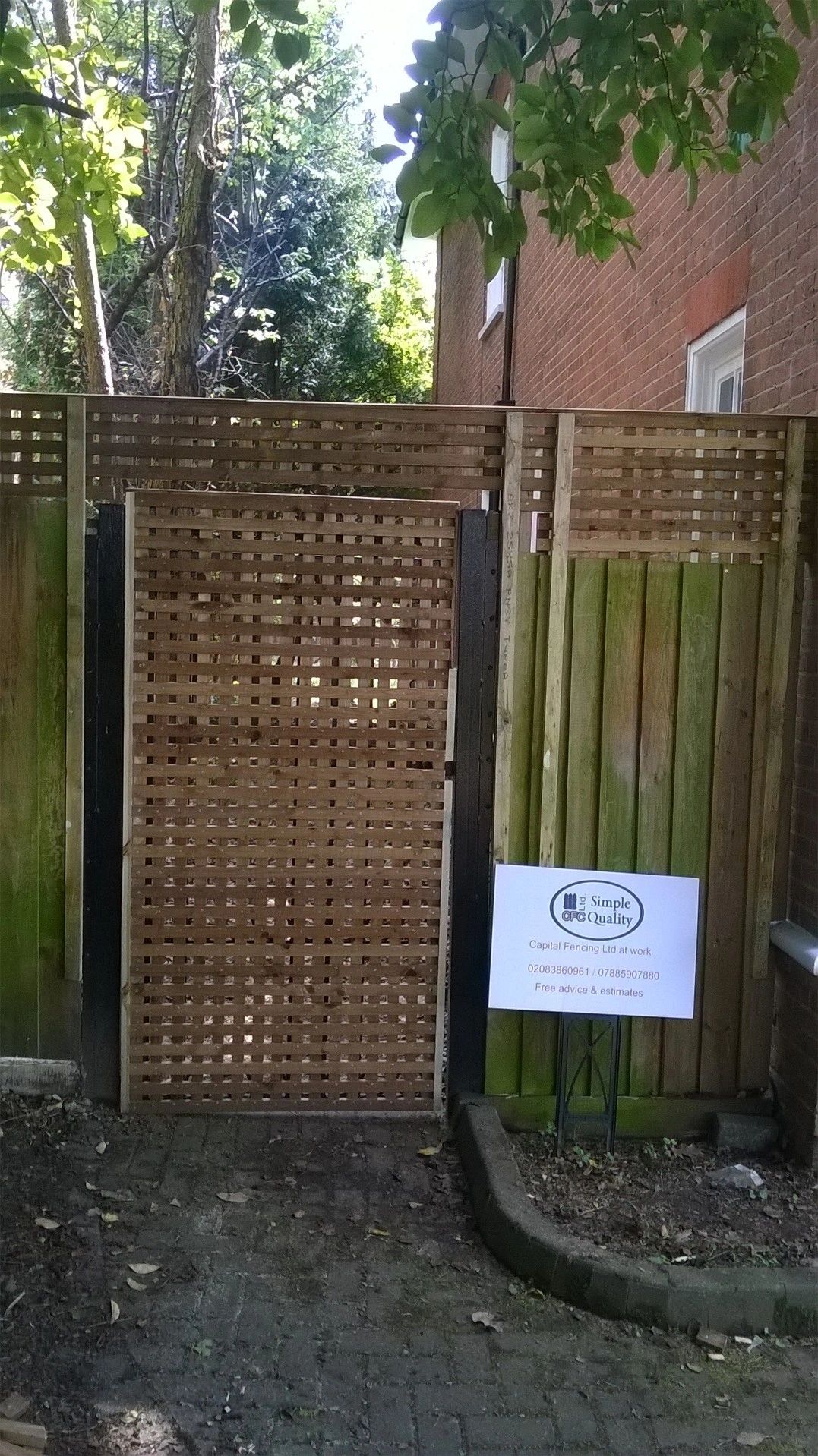
Mill Hill clients get the same crew from first visit to hand-over. That's the whole model — one small team, closeboard fencing done properly, warranty in writing. Recent work on Nan Clark's Lane and The Ridgeway. We orient jobs off Belmont Farm. Page Street raised deck over slope. Hardwood deck with integrated steps and balustrade, levelled across 600mm fall. Garden gained ~18m² of usable flat space.
Get My Free Quote — 24h Response
No callout fee · Fully insured · Friendly local team covering London & Hertfordshire.