Garden Decking Specialists Across Camden & islington
If you've been quoted for decking in Camden, you already know the catch round here: listed-building and conservation constraints across most postcodes — timber and painted profiles only at the front. We build to that, not around it — every decking we install in NW1 is specced with that local reality first. Prince of Wales Road, Camden Road Kentish Town City Farm Chetwynd Road CA4 front picket. Painted softwood picket on oak posts, drawings submitted with the party-wall notice. Approved without amendment; matched the four-plot street line. Rear gardens back onto NW5 mews and canal-adjacent plots where the fall to the water sets the gravel-board line, not the customer.
Why this Camden page exists
Camden sits within Camden Council, part of London Borough of Camden, with Camden Town, Kentish Town, Belsize Park (Northern line) as the anchor and A400 Kentish Town Road / A502 Haverstock Hill the main route in and out. M1 J1 (10 min) / A406 (15 min) puts the decking crew on site fast, and our radius takes in islington, haringey, finchley comfortably. The local commercial cluster around Camden High Street sees us regularly for security and boundary work.
- Council
- Camden Council
- Postcodes
- NW1, NW3, NW5, N7, WC1
- Nearest motorway
- M1 J1 (10 min) / A406 (15 min)
- Main route
- A400 Kentish Town Road / A502 Haverstock Hill
- Transport anchor
- Camden Town, Kentish Town, Belsize Park (Northern line)
What we've learned working Camden
Camden is a party-wall and permit town — half our briefs need a parking bay suspension before we can unload, and the boroughs' conservation coverage means painted timber and traditional profiles dominate frontages. Rear gardens back onto NW5 mews and canal-adjacent plots where the fall to the water sets the gravel-board line, not the customer.
Streets we've worked on
- Prince of Wales Road
- Camden Road
- Fortess Road
- Malden Road
- Chetwynd Road
- Mansfield Road
We orient by
- Hampstead Heath south edge
- Kentish Town City Farm
- Camden Lock
- Regent's Canal towpath
- Parliament Hill Fields
Recently completed in Camden
- decking brief
Chetwynd Road CA4 front picket
Spec: Painted softwood picket on oak posts, drawings submitted with the party-wall notice
Outcome: Approved without amendment; matched the four-plot street line.
- decking brief
Regent's Canal-side rear boundary
Spec: Pressure-treated closeboard on stepped gravel boards to track the towpath fall
Outcome: Standing through two winter high-water events.
Camden decking — common briefs
Garden levelling on Georgian and Victorian townhouses in Primrose Hill and Hampstead
Many Camden gardens are small walled courtyards behind period houses; several conservation areas restrict visible materials — raised decks fix the slope and add a usable flat area.
Working around listed-building and conservation constraints across most postcodes — timber and painted profiles only at the front
Every quote we write in NW1 factors this in from the first measure.
Boundary work near Camden High Street
Quick turnarounds, properly insured, with materials that match the surrounding residential streetscape.
Composite vs hardwood for Camden gardens
Composite suits low-maintenance briefs near Camden High Street; hardwood still wins for big spans and a long-term natural look.
Materials we use in Camden
Specified where it suits the brief — depth, exposure, garden style.
Specified where it suits the brief — depth, exposure, garden style.
Specified where it suits the brief — depth, exposure, garden style.
Specified where it suits the brief — depth, exposure, garden style.
Specified where it suits the brief — depth, exposure, garden style.
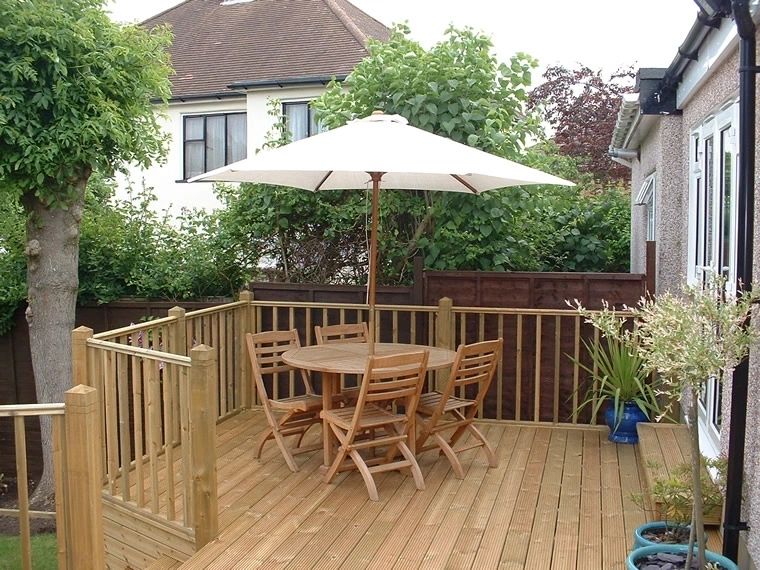
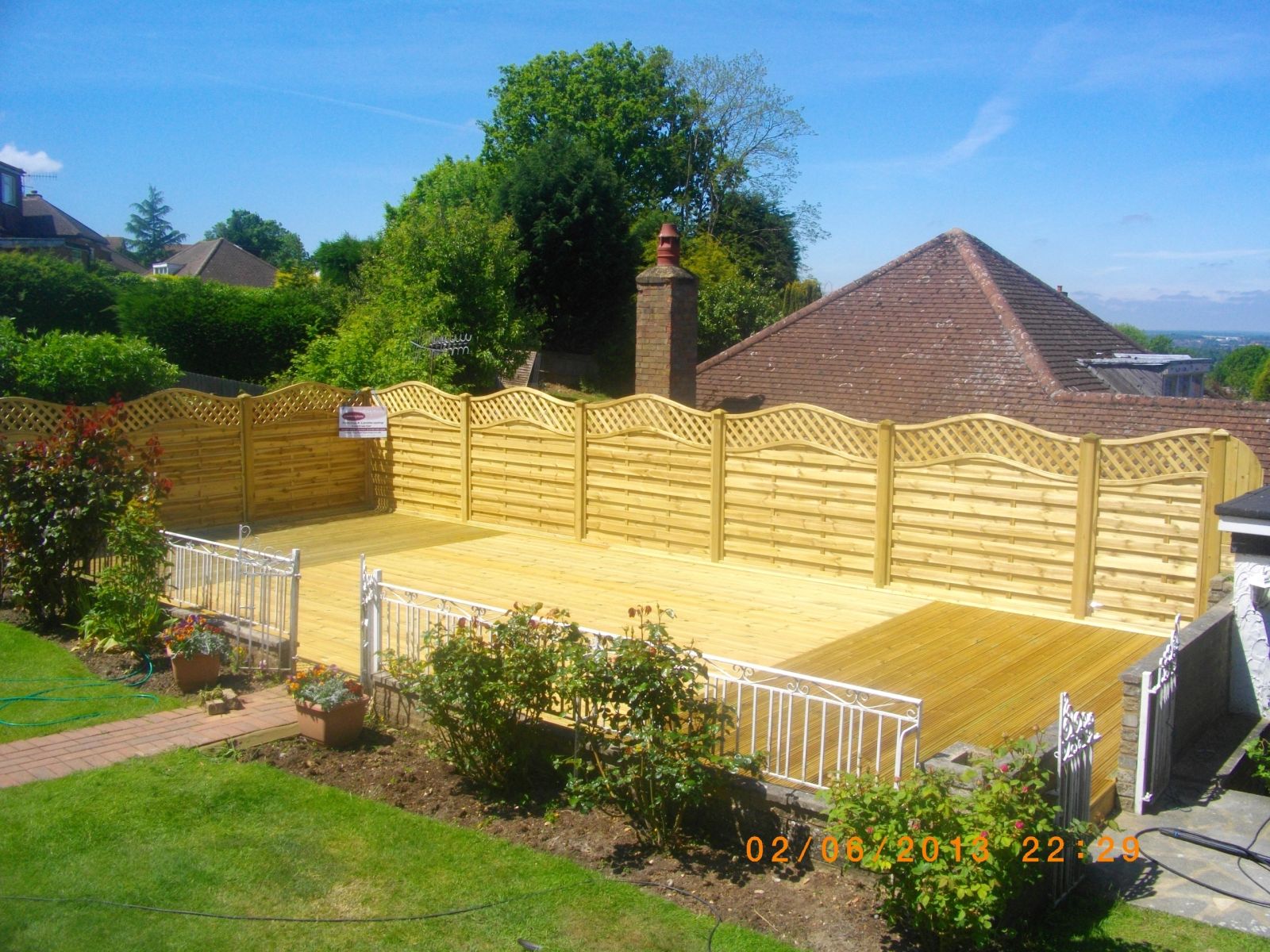
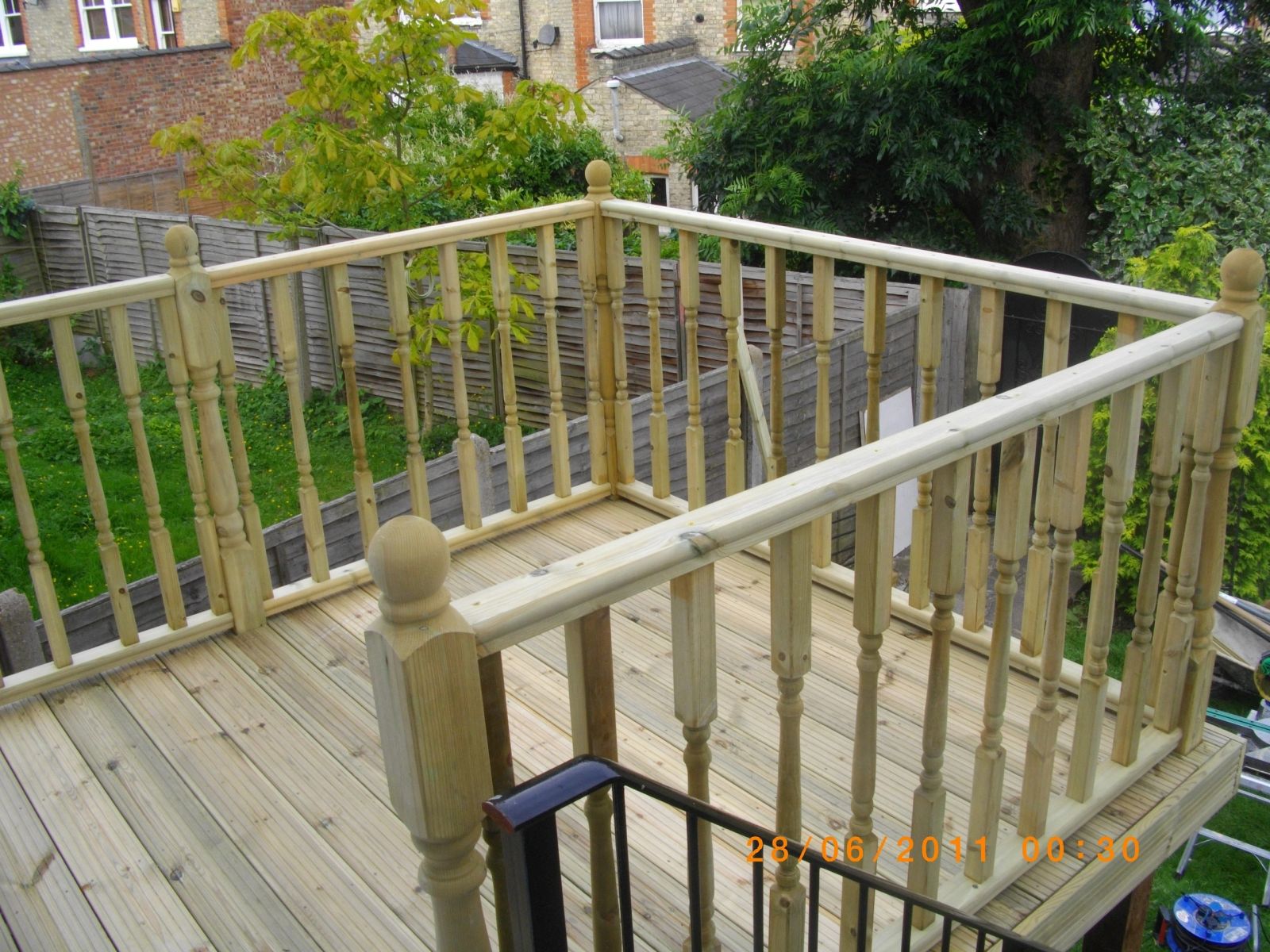
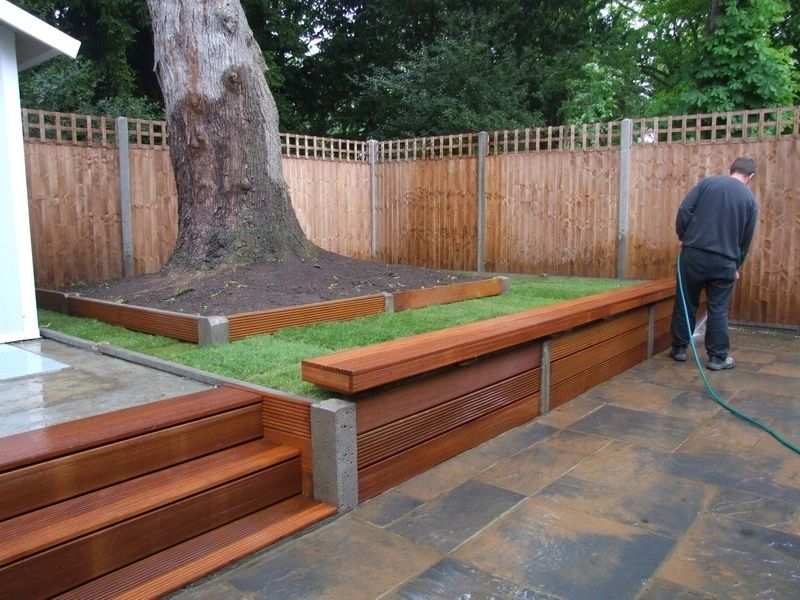
Recent decking work near Camden
FAQ — decking in Camden
Do you remove the old decks as part of the job?+
Yes — removal, disposal and site clear-up are included as standard. We leave Camden gardens tidy at the end of every day. Chetwynd Road, Camden Road Parliament Hill Fields Chetwynd Road CA4 front picket. Painted softwood picket on oak posts, drawings submitted with the party-wall notice. Approved without amendment; matched the four-plot street line. Rear gardens back onto NW5 mews and canal-adjacent plots where the fall to the water sets the gravel-board line, not the customer.
What does decking typically cost in NW1?+
Pricing varies with run length, materials (softwood / yellow balau hardwood / Q-Deck composite) and access. Every quote we send for Camden is itemised so you can see where the cost sits.
How quickly can you start a decking job in Camden?+
Most Camden jobs are quoted within 48 hours of a site visit and booked in within one to two weeks. We cover NW1, NW3, NW5, N7, WC1 from a base that keeps response times tight.
Do you need planning permission for decking in Camden?+
Standard rear-garden decking under 2m doesn't normally need permission, but Camden's conservation/heritage rules can change that. We'll flag it on the quote.
Can you handle the soil and ground conditions in Camden?+
Yes — small walled courtyards behind period houses; several conservation areas restrict visible materials. We concrete-set every post as standard, and where trees or services are in the way we work around them properly.
In short — Garden Decking in Camden
15+ years installing across Greater London, with regular decking work near Camden High Street. £5M public liability, time-served crew, and NW1 references happy to take a call. Fortess Road, Camden Road Hampstead Heath south edge Regent's Canal-side rear boundary. Pressure-treated closeboard on stepped gravel boards to track the towpath fall. Standing through two winter high-water events. Camden is a party-wall and permit town — half our briefs need a parking bay suspension before we can unload, and the boroughs' conservation coverage means painted timber and traditional profiles dominate frontages.