
Hitchin, SG4 / SG5
Fence Repairs in Hitchin
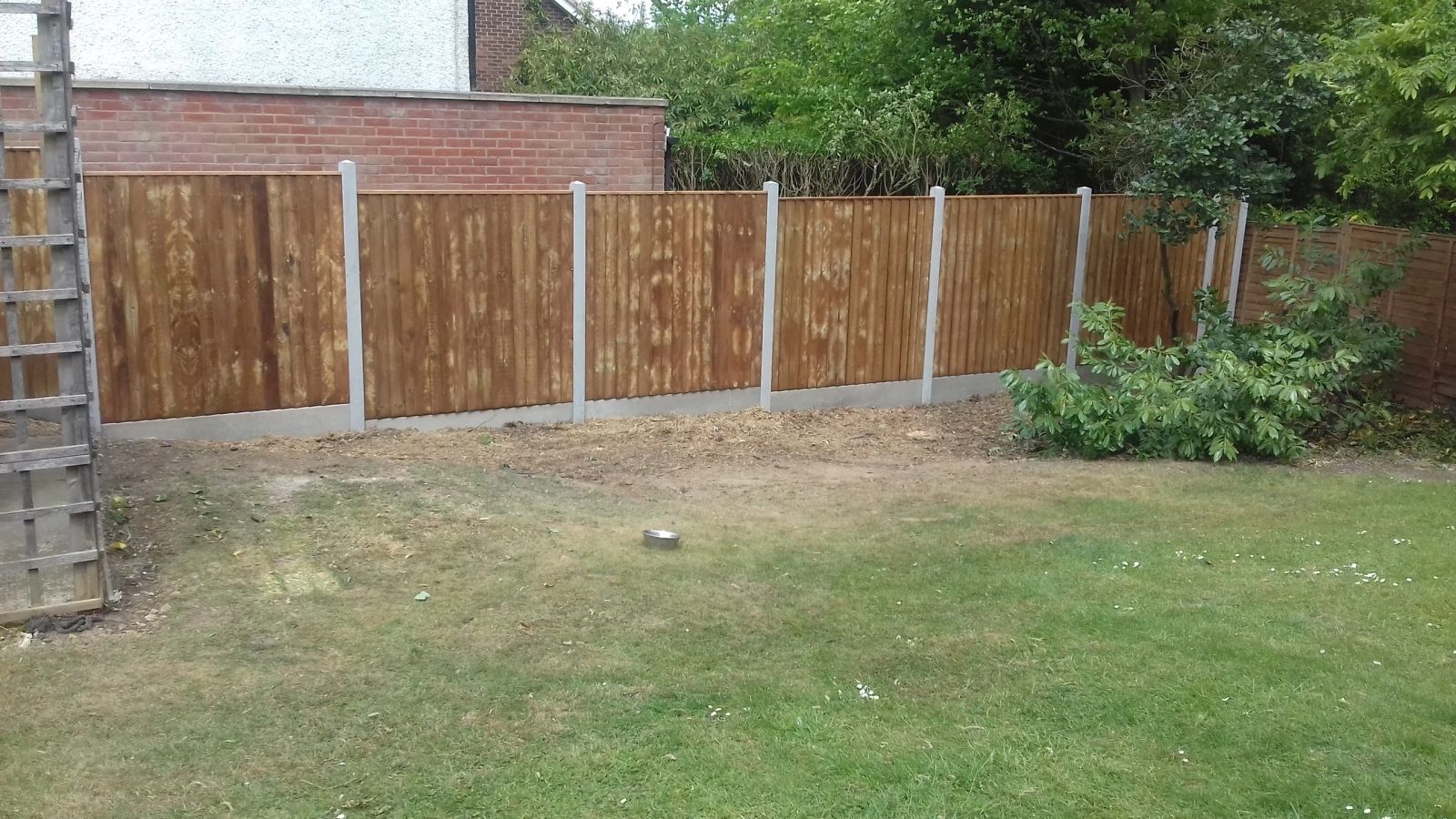
Most fence repairs are one of four jobs — a post, a panel, a gravel board or a full spurred run — and knowing which one you actually need is what keeps the bill down.
Call 07885907880If you're weighing up fence repairs in Hitchin: a post repair is either a reset in fresh concrete where the timber itself is sound, a concrete spur bolted above a rotten section where enough good timber remains, or a full replacement where rot has reached the panel fixings. Highbury Road, Grays Lane Windmill Hill The Victorian terraces off Nightingale Road have narrow rear access, which usually means carrying panels and posts through the house or along a shared alley. North Hertfordshire District Council is the planning authority and maintains the town-centre conservation area around Bancroft and Tilehouse Street.
Insurance claim in progress?
We'll provide an itemised quote and photographs from our site visit in the format most insurers expect. Free site visit for Hitchin — written quote, no pressure.
Ask about insurance paperworkFree, no-obligation site visit for Hitchin and the surrounding area — written quote, no pressure.
Resetting versus replacing a post
A post repair is either a reset in fresh concrete where the timber itself is sound, a concrete spur bolted above a rotten section where enough good timber remains, or a full replacement where rot has reached the panel fixings.
We test each post on site with a probe at ground level rather than deciding from a visual check alone, since a post can look fine above ground and be rotten just below it.
Tree roots as a cause of fence failure
Roots growing under or against a post base can lift or crack a footing over several years, and a repair in that position sometimes needs the post offset slightly rather than reset in exactly the same spot.
Where a protected tree is involved, any groundwork near it is checked against that protection before a repair goes ahead.
Repairing a section of a fence built to a non-standard height
Some existing fences were built to a height that doesn't match a standard panel or board size, often because of a specific planning condition or a personal preference at the time of original construction, and matching that height on a repair takes more care than fitting an off-the-shelf panel.
Site-cutting boards or panels to the existing height, and checking whether that height has any planning significance before changing it, keeps a repair consistent with the rest of the run.
Dealing with a feather-edge board that has cupped
A board cups when one face dries and shrinks faster than the other, usually where the weathered outer face has taken more sun and rain cycling than the sheltered inner face, and it's most common on wide boards cut from flatter-sawn stock.
A cupped board rarely flattens back out once set, so repair is a straight swap rather than an attempt to refix it flatter, and choosing narrower or more vertically grained replacement stock reduces the chance of the same board cupping again.
Concrete post spalling and what can and can't be patched
Spalling is concrete breaking away from the surface as a corroding internal reinforcing rod expands, and once that process has started it keeps progressing even if the visible flaking is patched over cosmetically.
A post spalling only at the surface with the rod still fully protected can sometimes be repaired with a proprietary concrete repair mortar, but any post spalling down to exposed, rusted reinforcement is a replacement rather than a patch job.
Why frost affects the timing of a post repair
Concrete poured around a post footing in freezing conditions can suffer frost damage before it's cured enough to resist it, leaving a weaker footing than the same mix poured in mild weather, so hard frosts are a reason to delay rather than push a repair through.
Ground that's frozen solid is also harder to dig cleanly, and posts reset into ground that later thaws unevenly can move again within the same season, so timing a repair around a settled mild spell reduces the risk of redoing it.
Why this comes up in Hitchin
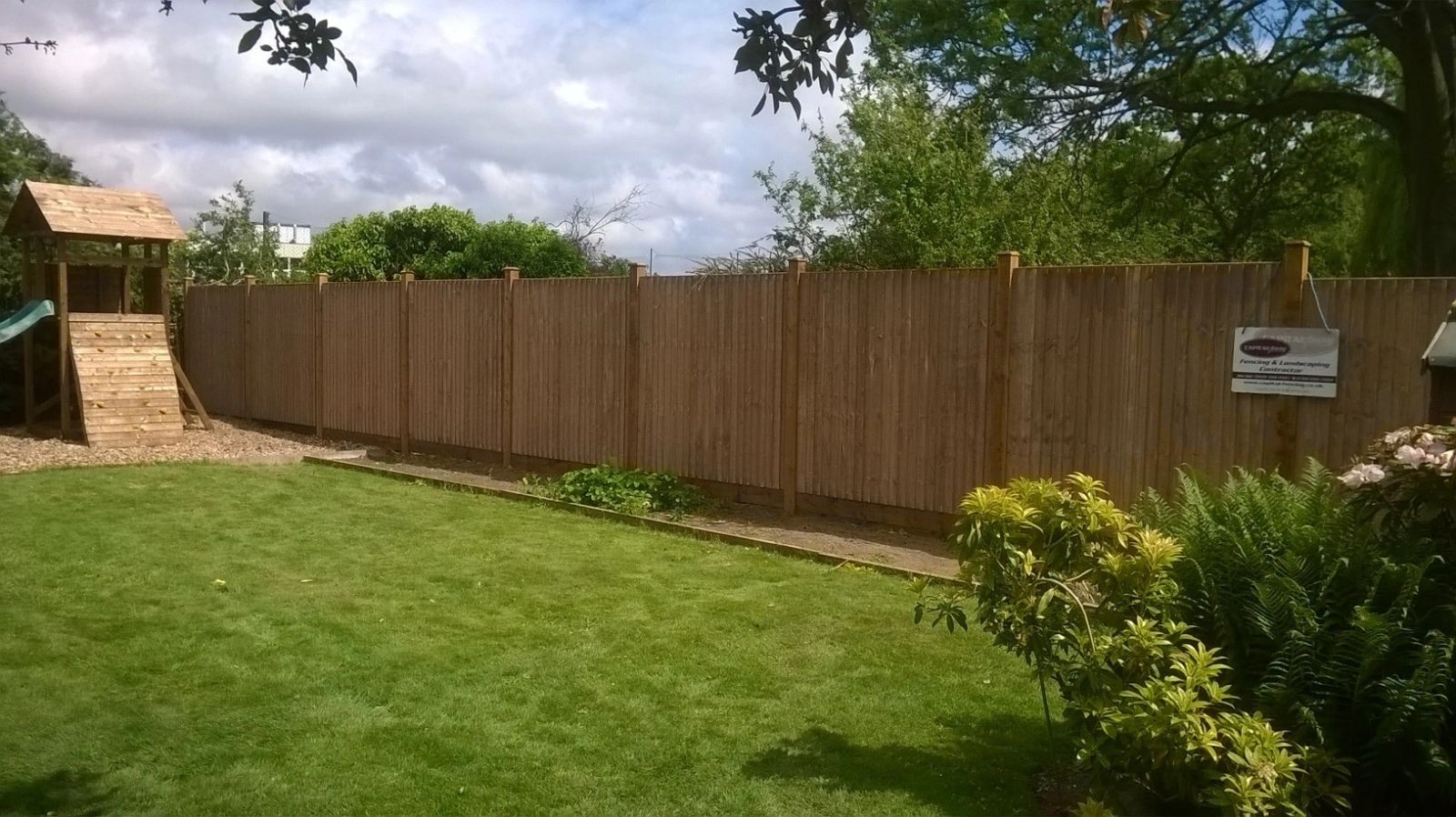
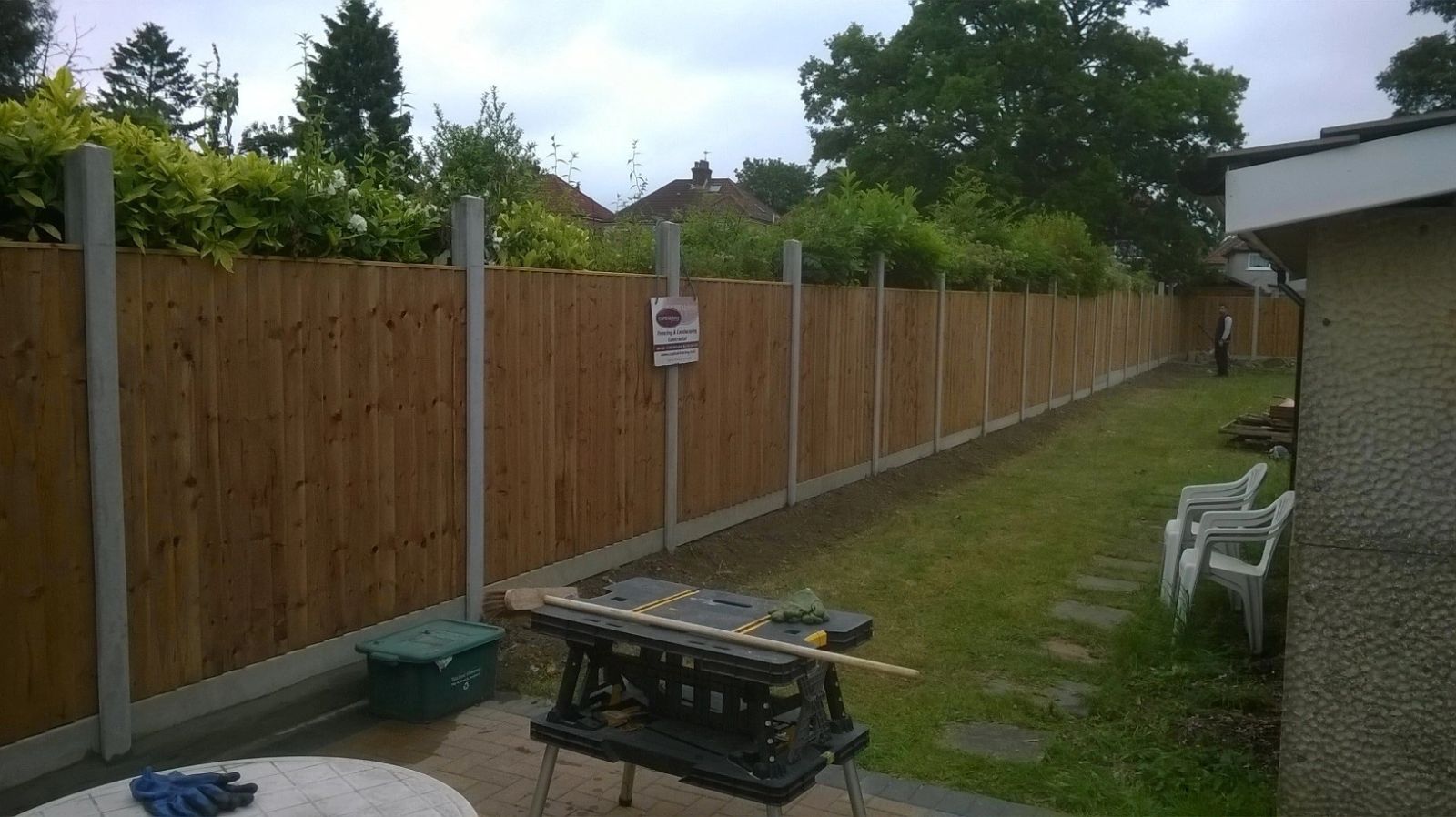
North Hertfordshire District Council covers planning here, and repairing a section of a fence built to a non-standard height gets checked on every enquiry from this postcode. Site-cutting boards or panels to the existing height, and checking whether that height has any planning significance before changing it, keeps a repair consistent with the rest of the run. Walsworth and Westmill estates on the outskirts are mostly 1960s semis with predictable plot sizes.
Common questions
What happens to the old concrete and soil dug out during a post repair?
It's removed from site as part of the job rather than left in the garden, and old concrete is typically heavier and bulkier than the original hole suggests. Nightingale Road, Highbury Road Hitchin station North Hertfordshire District Council is the planning authority and maintains the town-centre conservation area around Bancroft and Tilehouse Street.
Do I need to consider wildlife before repairing a fence near a garden boundary?
If there's an active badger sett or similar protected wildlife nearby, its presence needs to be considered before digging or fixing work near that spot, as they're legally protected.
Can a hedge damage a fence even without a storm involved?
Yes — an unmanaged hedge planted close to the boundary pushes against the panel or rail as it thickens, which can bow or rack the fence over several seasons. Walsworth and Westmill estates on the outskirts are mostly 1960s semis with predictable plot sizes.
Why do metal post spikes work loose over time?
They rely on ground compaction around the socket, and repeated wind loading or wet ground gradually widens that socket until the post starts to rock.
Is it cheaper to repair or replace a damaged run?
It depends how much of the run is affected — a repair to one or two bays is usually cheaper, but replacement can work out better value if a third or more of the posts are failing.
What kind of evidence photos are useful for a repair or insurance record?
Dated wide shots of the whole affected run alongside close-ups of the specific failure point, taken before any clearance work starts.
How quickly is storm damage usually looked at?
We prioritise call-outs where the damage affects safety or security, such as a fallen boundary next to a road or shared path.
How can I stop my dog from repeatedly damaging the same section of fence?
Reinforcing the lower section with a mesh liner or kickboard behind the boards addresses the point of damage rather than just replacing the timber.
Hitchin in one line: A board cups when one face dries and shrinks faster than the other, usually where the weathered outer face has taken more sun and rain cycling than the sheltered inner face, and it's most common on wide boards cut from flatter-sawn stock. Highbury Road, Tilehouse Street Hitchin Market Square The Victorian terraces off Nightingale Road have narrow rear access, which usually means carrying panels and posts through the house or along a shared alley. Hitchin's town-centre conservation area shapes a lot of frontage work — painted picket and traditional close-board only.
Get My Free Quote — 24h Response
No callout fee · Free site visit · Friendly local team covering London & Hertfordshire.
Pay by debit or credit card, bank transfer or cash once the work and price are agreed. No deposit taken online.