
Rules & permissions
Do You Need Your Neighbour's Garden to Replace a Fence?
Last updated
The short answer
Many fences can be replaced entirely from the side paying for the work, so you may not need next door at all. Access helps when plants, sheds or boards on their side need attention. Ask early and explain the plan. If a neighbour refuses work that is truly necessary, the law allows a court application, but talking or mediation should come first.
Official guidance: GOV.UK: how to resolve neighbour disputes
At a glance
- Often needed
- No, for panel fences built from one side
- Helps when
- Plants or structures sit on their side
- Best approach
- A friendly chat weeks before the work
- Last resort
- A court access order under the 1992 Act
Most fences can be built from one side, but some jobs go far smoother with a few hours on the other side of the line, and the polite way to get that is to ask early.
A fence has two faces, and the boundary it stands on usually has a garden either side. When you plan a replacement, it is natural to wonder whether the people next door will need to let anyone in. Sometimes they will not need to at all. Sometimes a short visit makes the difference between a neat job and an awkward one.
This guide explains when access is genuinely useful, how to raise it with a neighbour, what we do while we are on their side, and what the law offers if they refuse something that is truly necessary.
Jobs that can usually be done from your side
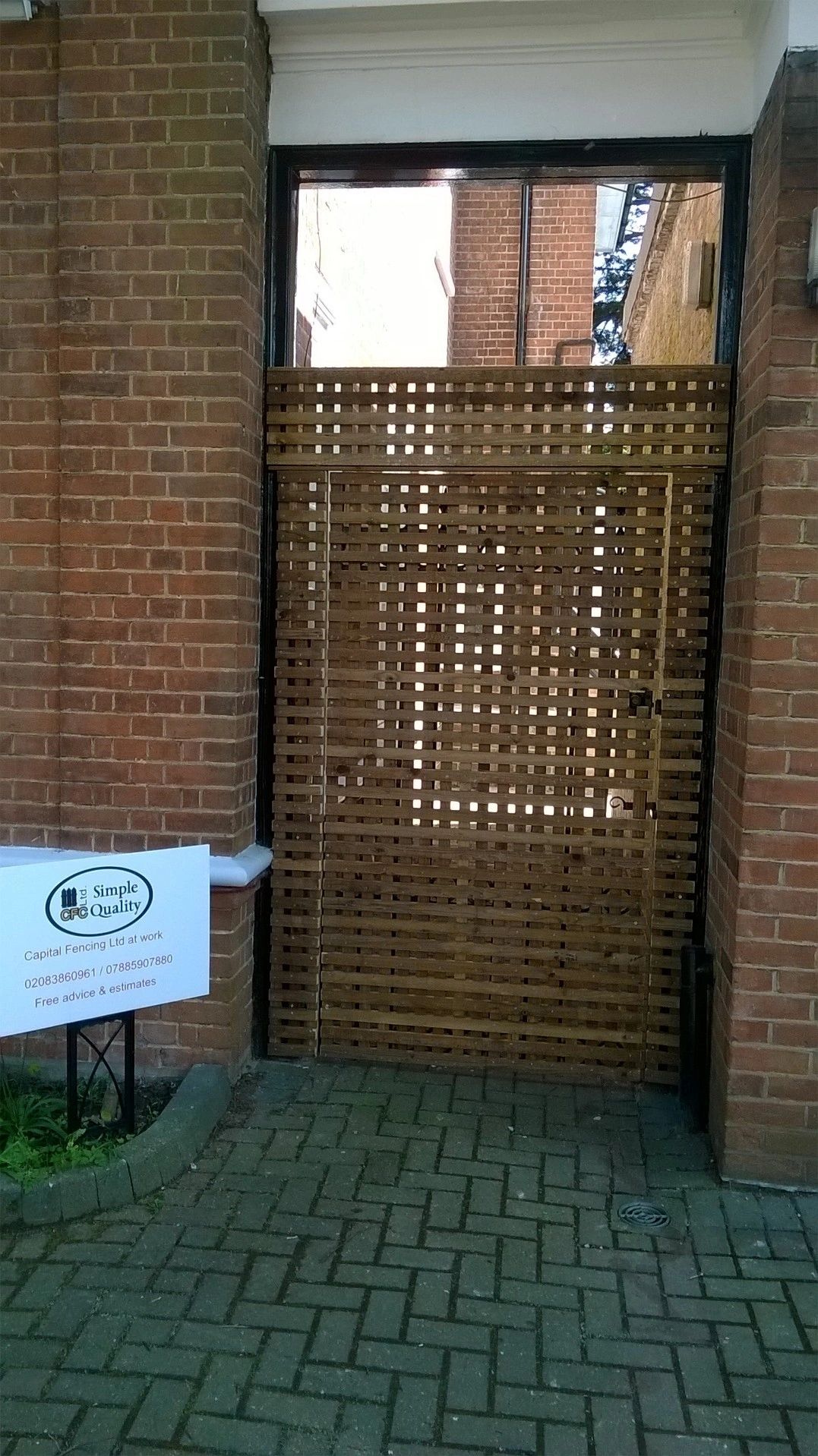
Taking down old panels, digging out post holes and setting new posts in concrete can normally all happen from the garden that is paying for the work. Panels slide into slotted concrete posts from above, and timber rails can be fixed from one face. On a straightforward run between two lawns, many customers never need to knock next door at all.
When the other side really matters
Access becomes useful when something on the far face needs attention. Examples include ivy or shrubs grown through the old boards, a shed or compost bin pushed hard against the fence, rotten rails that were fixed from next door, or a closeboard fence where the boards face the neighbour and have to be nailed from their side.
Sloping ground can also make a difference, because checking levels and gravel boards is far easier when someone can see both faces at once.
- Plants or climbers rooted on their side
- Structures leaning on the old fence
- Boards that face and fix from next door
- Uneven ground that needs checking from both faces
How to ask your neighbour
A friendly conversation a couple of weeks before the work usually settles it. Tell them what is being replaced, roughly when, how long anyone would need to be on their side, and what you would like them to move. Most people are happy to help when they know the fence they look at will be new too.
Putting the key points in a short note or message afterwards avoids confusion about dates, and gives them a chance to mention pets, children or plants they care about.
What we do while we are next door
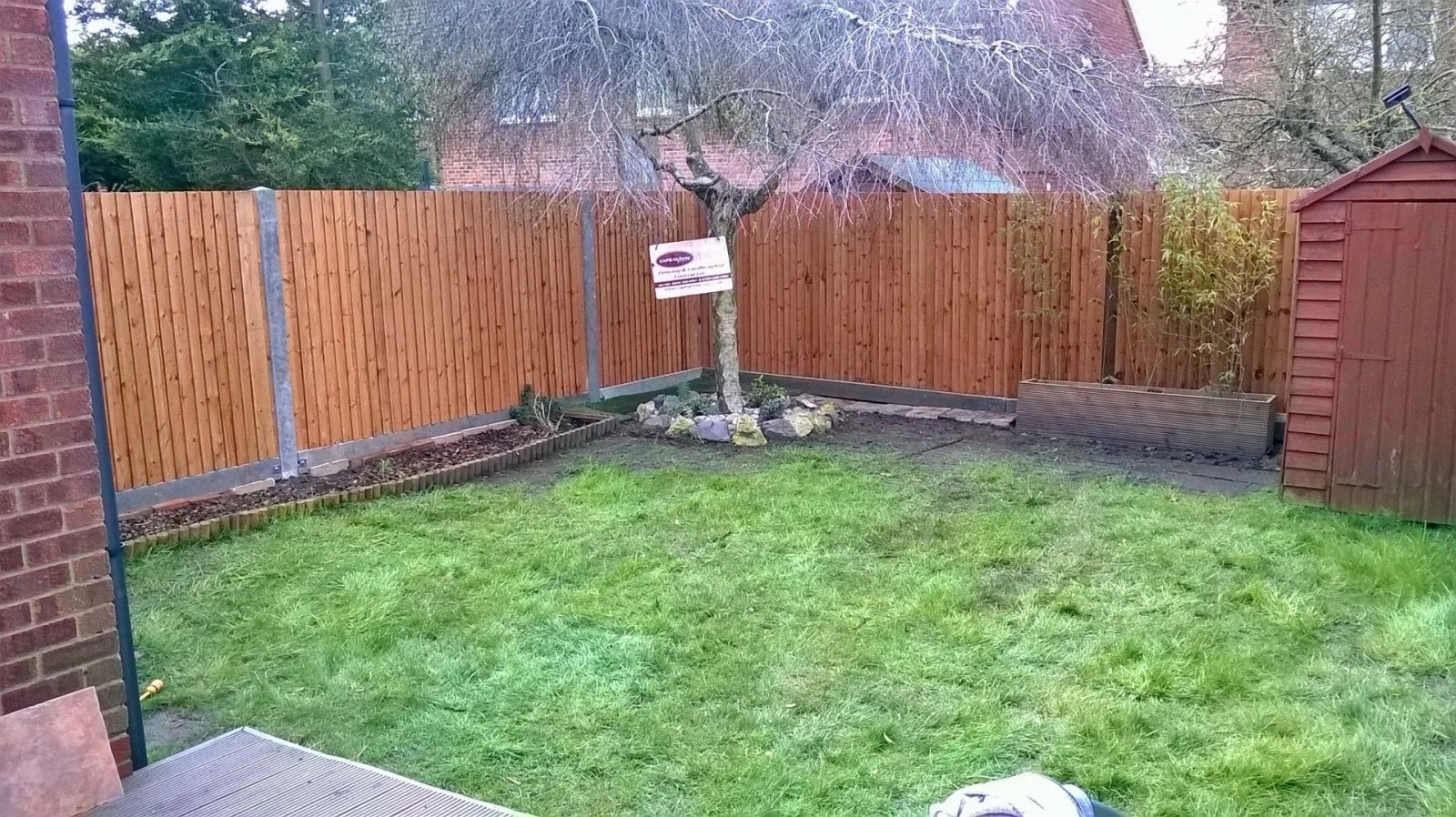
Our team keeps time on a neighbour's land short and tidy. We carry tools through rather than leaving them, put down protection where we kneel or stand on borders, and take the old timber back through your side. If something on their side is fragile, such as a pond edge or a greenhouse, we would rather know before we arrive than find it on the day.
If the answer is no
A refusal does not always stop the job. We can often change the method so that everything happens from one side, for example choosing a fence style that fixes entirely from your face, or leaving a plant in place and fitting around it. It may mean a slightly different look, but it keeps the peace.
Where the boundary and its ownership are unclear, it is worth checking that first. Our guides on which side of the fence is yours and on handling a neighbour fence dispute cover that ground in more detail.
What the law says in general
In England and Wales, the Access to Neighbouring Land Act 1992 allows a person to ask a court for an order giving access when work is reasonably necessary to preserve their own property and the neighbour will not agree. Going to court is slow and a last resort, and GOV.UK suggests trying to resolve neighbour problems by talking or through mediation first. For anything beyond a simple chat, take advice that suits your circumstances.
Planning the visit around them
Choosing a day when the neighbour is at home, or agreeing that a side gate can be left unlocked, makes the access part quick. When you send us photos for an estimate, mention whether the other side is reachable and anything that sits against the fence there. We can then tell you whether access is needed at all before you have the conversation.
Shared fences and splitting the work
Where a fence is shared, or both households want it replaced, access stops being a favour and becomes part of a joint project. Agree in writing who is arranging the work, which style is going in and which way it will face before anyone books a date. Our guide to splitting the cost of a boundary fence covers the conversation about who pays, which is often the harder part. Once that is settled, the access question usually answers itself because both gardens are expecting the team.
Frequently asked
Do I need my neighbour's permission to replace my own fence?
If the fence is yours and the work can be done from your side, you are replacing your own property. Telling them in advance is still good manners and avoids surprises.
Can the fencer stand in my neighbour's garden without asking?
No. We only go onto a neighbour's land when they have agreed. If they have not, we plan the job so it can be done from your side.
What if their plants are growing through the fence?
Ask them before the work whether they would like the plants cut back, moved or kept. We fit around plants where we can, but stems woven through old boards usually have to be trimmed.
Will a one side fit look different?
Sometimes the fixings or rails show on one face, so you may choose a style that looks good from both sides. We will explain any difference when we quote.
Not sure if we need next door?
Send photos of both sides if you can, and we will tell you whether the job can be done entirely from your garden.