
Costs & pricing
Cheap Fencing: How to Keep the Cost Down Sensibly
The cheapest fence to own is rarely the cheapest to buy. You can save by choosing a simpler design, standard panel widths and a sensible height, but saving on posts, bases or gravel boards usually means paying for the fence twice.
Plenty of people search for cheap fencing, and wanting good value is sensible. The trouble is that the price differences between quotes usually come from the parts of the fence you cannot see once it is up: the posts, how deep they are set, and whether any timber sits on the soil. A fence that saves money there tends to lean or rot early.
This guide sets out where you can genuinely reduce the cost of a new fence, where saving money is a false economy, and how to compare quotes so you are looking at the same job. We do not publish prices here; every job is priced after a free site visit with a written quote.
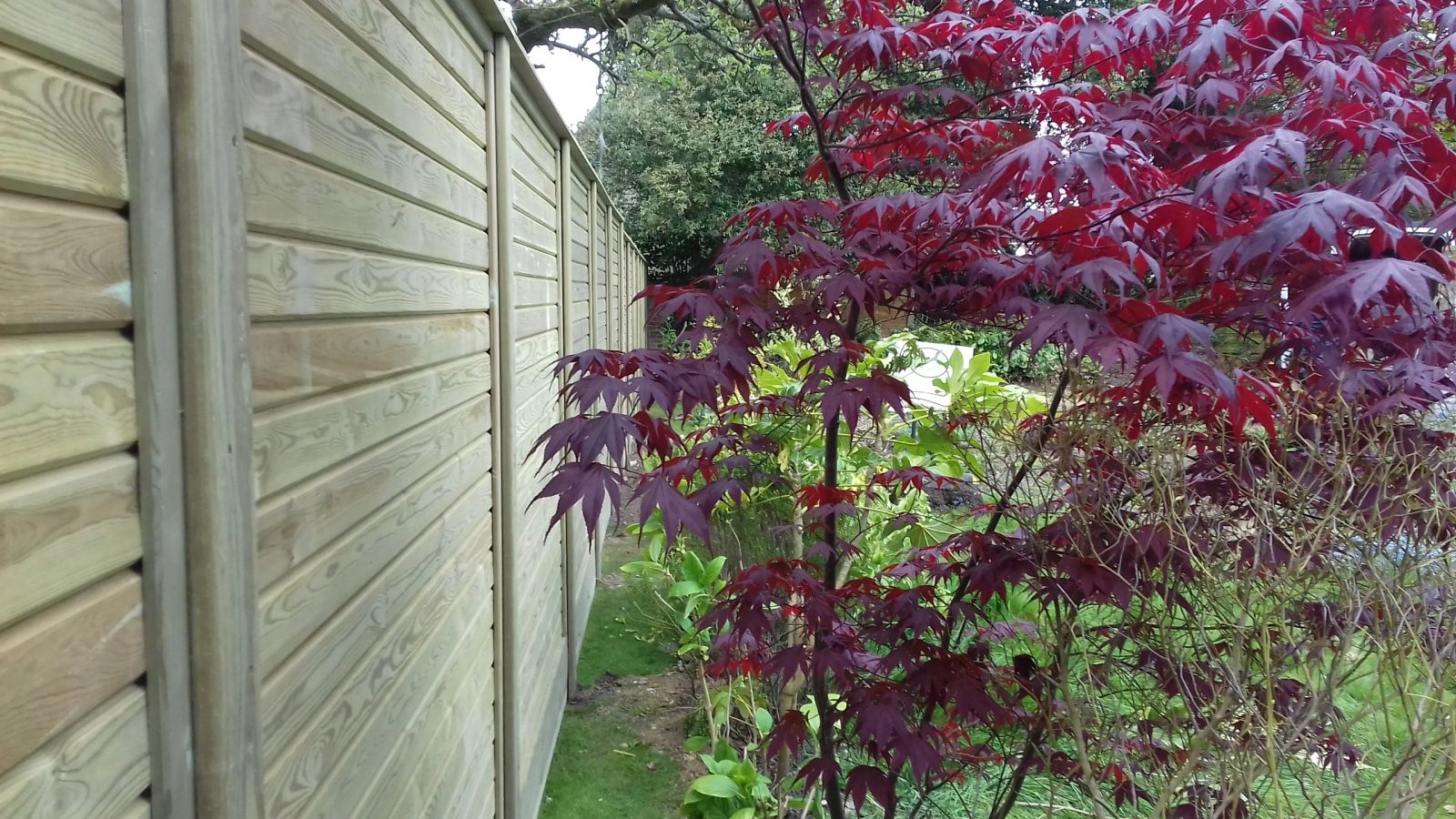
Where you can save
Design is the biggest lever. Standard fence panels on a straight, level run are quicker to fit than a bespoke slatted screen. A lower fence where full height is not needed uses less material. Keeping the design simple, with no trellis or decorative tops, trims the cost further.
- Choose standard panel widths on straight runs
- Only use full height where you need privacy
- Keep decorative tops for the sections people see
- Repair sound sections instead of replacing the whole run
Repair where it is honest to
If only a few panels have blown out or one post has failed, a repair can be far cheaper than a new fence. If most of the posts are rotten at ground level, patching simply moves the problem along. Our repair or replace guide explains how to tell the difference.
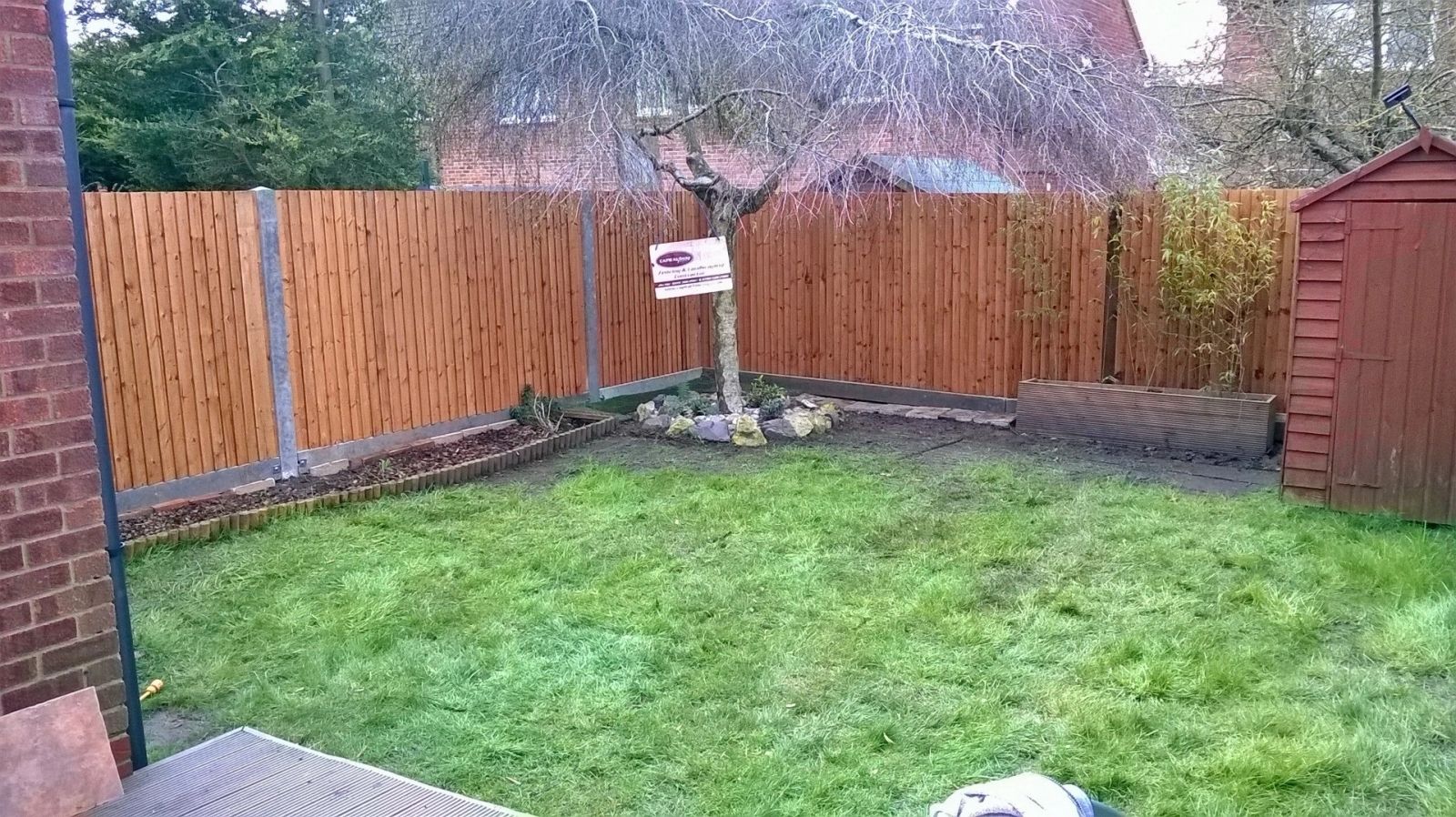
Where cutting corners costs more
Posts, bases and gravel boards are where cheap quotes usually save money. Shallow posts set in a little postcrete, timber boards sitting on the soil and undersized posts all shorten the life of the fence. On our jobs a 2.4m post for a 1.8m fence sits in a concrete base of around 700 to 750mm deep, and a gravel board keeps the timber clear of the ground.
Concrete posts cost more than timber at the start, but they do not rot, which is why many people find them better value over the life of the fence.
Compare quotes like for like
Two quotes can look very different simply because they describe different jobs. Check that each one states the length, the height, the post type and how the posts are set, whether gravel boards are included, and whether taking away the old fence is in the price. Ask who will actually do the work.
Hidden costs to watch for
Disposal of the old fence, awkward access through a house, and ground full of old concrete or roots can all add to the job. A quote given after seeing the site should already allow for them, which is why we price after a visit rather than over the phone.
When cheap is fine
For a short-term boundary, a sheltered spot or a fence you plan to replace soon anyway, a simpler, lighter fence can be perfectly reasonable. The point is to make that choice knowingly rather than discovering it after the first winter storm.
Frequently asked
What is the cheapest type of garden fence?
Standard panel fencing on a straight, level run is usually the least expensive to supply and fit.
Are concrete posts worth the extra?
For most gardens, yes. They do not rot, so the fence usually lasts longer before the posts need attention.
Is it cheaper to repair or replace a fence?
Repair is cheaper when the posts are sound. If most posts have rotted at ground level, replacing the run is usually better value.
Do you give quotes over the phone?
We price after a free site visit, then give a written quote, so the price reflects the actual job.
Want this priced properly for your garden?
Free site visit across London and Hertfordshire, a written specification, and a fixed price. No obligation.