
Comparisons
Do Fence Post Sleeves and Rot Barriers Work?
Last updated
The short answer
A correctly fitted post sleeve or barrier may add protection around the vulnerable soil line, but it cannot make unsuitable timber safe to bury or repair a post that is already rotten. Ground contact treatment, protected cuts and moisture management at the base remain essential.
At a glance
- Possible benefit
- Extra protection at the soil line
- Not a repair
- Will not restore soft or moving posts
- Still required
- Suitable ground contact timber
- Key risk
- A badly detailed covering can trap water
A sleeve can shield part of a vulnerable timber post, but it cannot make poor timber suitable for burial or compensate for a wet, badly prepared base.
Post sleeves, wraps and barriers are sold to protect timber around the soil line, where many fence posts eventually soften. They appeal because the problem is easy to understand: keep damp and organisms away from the wood and the post should last longer.
The detail is less simple. A barrier only covers the part it fits, it must not create a water trap, and the rest of the installation still matters. This guide explains where these products fit into a sound specification and what they should never be asked to do.
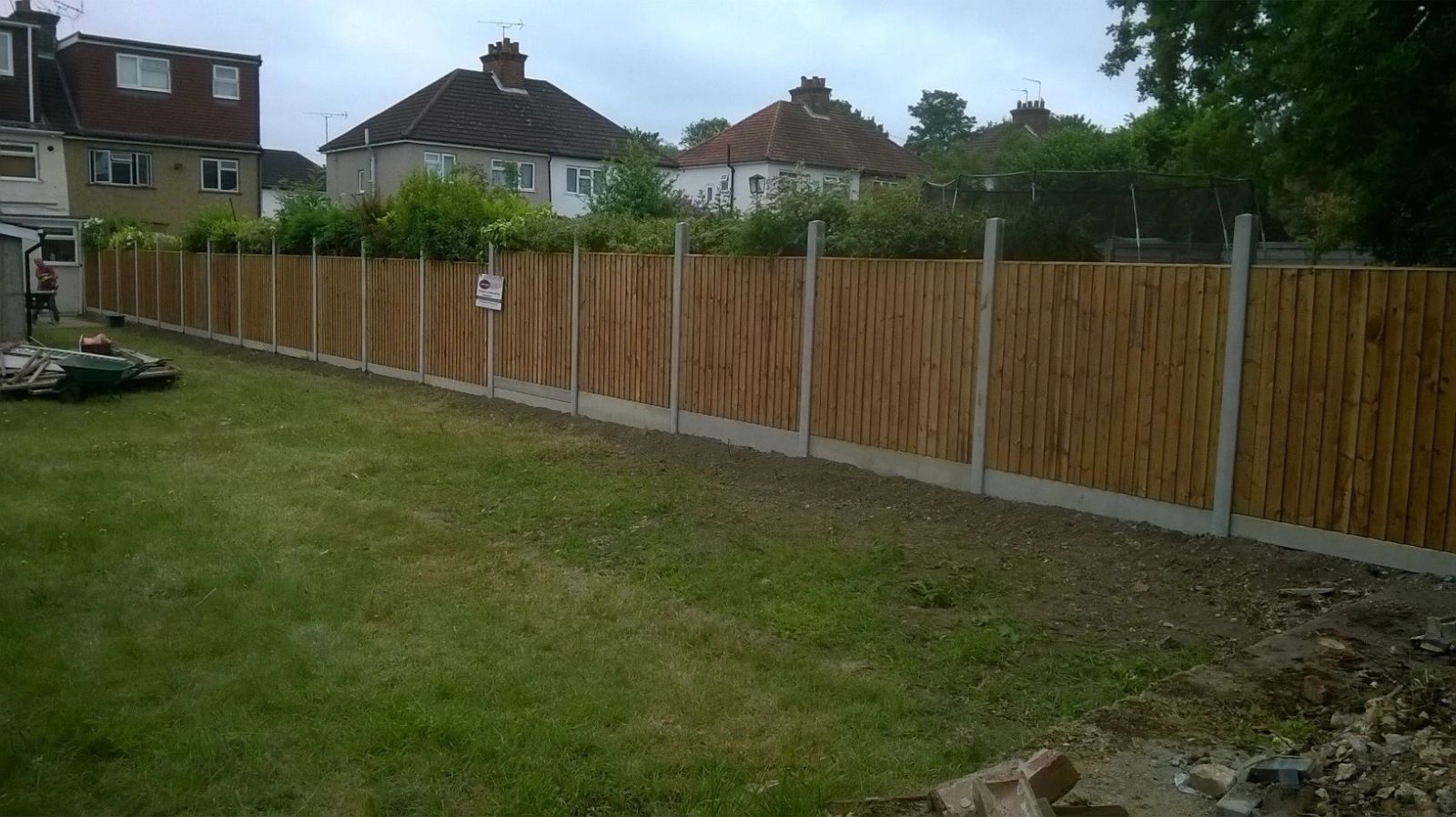
Why protection focuses on the soil line
A buried post does not face the same conditions all the way down. The transition between soil and air is repeatedly wet and then exposed to oxygen, creating favourable conditions for decay in susceptible timber. This is why a post can look sound higher up while failing at ground level.
A sleeve is normally intended to protect that transition zone. Any assessment therefore has to cover the timber above, below and inside the barrier, not just the visible outer surface.
Different products described as post protection
The term covers several ideas: fitted sleeves, wrapped membranes, protective coatings and physical barriers placed around part of the post. Some are added before installation, while others are marketed for existing posts. Their materials and intended ground conditions vary.
The manufacturer's instructions should state where and how the product is meant to be used. A barrier designed for one post size or base arrangement cannot be assumed to work the same way in another.
Where a barrier may be useful
A correctly fitted barrier may provide an extra layer between suitable treated timber and the wettest part of the ground. It can form one part of a wider approach that also includes ground contact rated timber, protected cut ends and a base that does not leave water standing around the post.
It is most sensible to think of that as additional protection, not the single feature on which the whole fence depends.
The risk of trapping water
Any covering needs to manage water rather than collect it. If rain or condensation can enter at the top but cannot escape, the timber inside may remain damp for longer than it would uncovered. Rough installation, torn material and unsealed cuts can create similar problems.
A neat visible collar is not proof that the concealed detail is working. We would consider the full assembly and follow a proven product arrangement rather than improvising a wrap around any available post.
Treatment still matters underneath
Pressure treatment and the intended use class of the timber remain fundamental. A product meant for above ground use should not be buried simply because a sleeve has been added. Fresh cuts and drilled holes also expose timber that needs appropriate protection.
Our pressure treated timber guide explains why labels such as green or brown do not by themselves tell you whether a post is suitable for ground contact.
Drainage and the concrete collar
The base should support the post without creating a permanent pocket of water. Soil conditions, the hole, backfill and the finish at the top all influence how moisture behaves. A concrete surface that holds water against timber can undermine the benefit of other precautions.
There is no universal collar shape that rescues every installation. The important outcome is a stable base with sensible moisture management for the actual ground.
Barriers on existing or damaged posts
Adding a wrap to a post that is already soft is not a structural repair. Decay can continue behind the covering, and movement at the base will still allow the fence to lean. An existing post needs its condition established before any protective product is considered.
- Do not conceal soft or crumbling timber
- Do not use a sleeve to stabilise a moving base
- Do not bury timber that is unsuitable for ground contact
- Do not assume protection removes the need for inspection
Alternatives worth comparing
Concrete posts remove timber decay at ground level from the equation, although their own condition and installation still matter. In a local repair, a properly installed concrete spur may be more appropriate than trying to preserve a failed timber section.
The best choice depends on the fence style, access and number of affected posts. Send photographs of the bases and the run, and we can explain whether new timber with suitable protection, concrete posts or a repair is the sensible route.
Frequently asked
Do fence post sleeves stop rot completely?
No product can honestly promise that in every installation. A correctly used barrier may add protection, but timber suitability, cut ends, moisture and the base all remain important.
Can I put a sleeve on a rotten fence post?
It will not restore strength or stop the fence moving. A decayed or unstable post needs an appropriate repair or replacement rather than a concealed covering.
Are concrete posts better than sleeved timber?
They avoid timber rot at ground level and suit many panel systems. Timber can still be chosen for appearance or fixing flexibility when its specification and installation are suitable.
Should treated timber still be protected at cut ends?
Yes. Cutting and drilling can expose timber that the original treatment did not reach in the same way, so those areas need suitable protection before installation.
Choosing how to protect new posts?
Tell us the ground and fence style and we will explain the post specification we would quote, without relying on a wrap to hide a weak base.