
How it's done
How Are Fence Panels Fixed Between Posts?
Last updated
The short answer
Fence panels normally slide into channels in slotted concrete posts or attach to timber and solid posts with suitable clips, brackets or frame fixings. The panel and post system must be compatible. Correct fitting controls movement without forcing the frame, trapping it with unsuitable packing or fixing through thin decorative boards.
At a glance
- Concrete posts
- Usually slotted with compatible retainers
- Timber posts
- Clips, brackets or structural frame fixings
- Rattling
- Often a mismatch, missing retainer or worn frame
- Closeboard
- Individual boards fixed to horizontal rails
Panels either slide into purpose made slots or are secured to the face of posts with suitable fixings. The method depends on the post, panel and exposure, not habit.
A fence panel looks simple once it is standing between two posts, but the small connection at each edge decides whether it stays quiet, drains properly and can be removed for repair. Different post systems need different fixing details.
Understanding those details helps when comparing quotes or investigating a loose panel. This guide explains the common arrangements we work with and why one method is not interchangeable with every fence.
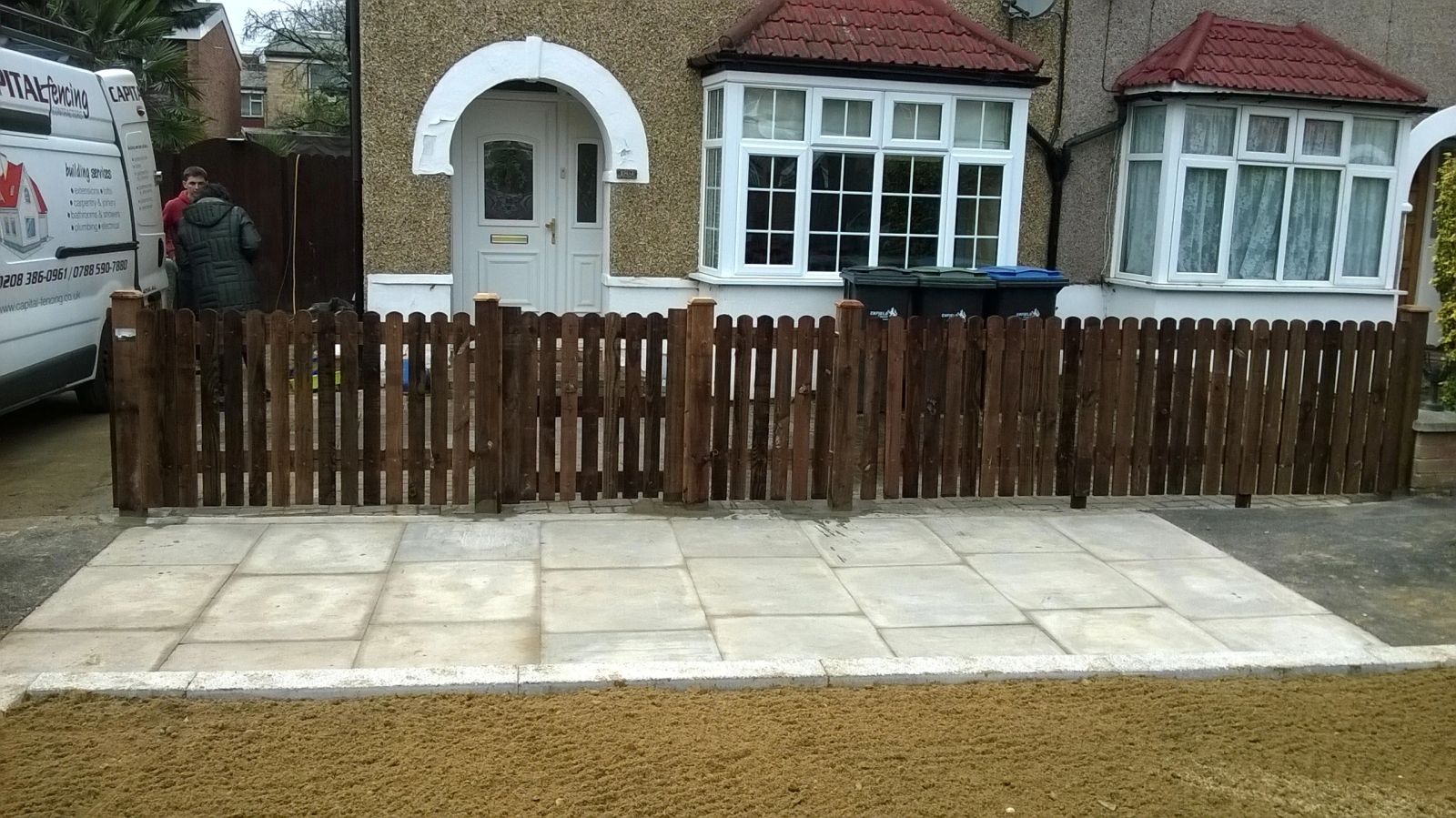
Panels dropped into slotted concrete posts
Slotted concrete posts have a channel running down each side. The panel edges sit inside those channels, with gravel boards below where specified. On a new run, panels are lowered in from above before the next post or any top restriction makes that impossible.
The slot supports the panel along its height rather than relying on a few screws. Correct width and alignment are therefore essential, because forcing a panel into a tight channel can damage both components.
Retaining panels inside the slots
A properly matched panel should be secure without rigidly filling every millimetre of the channel. Small retaining clips or other suitable fittings may be used to reduce movement and prevent unwanted lifting, depending on the system.
Wedging random material into a slot is not a reliable substitute. Hard, uneven packing can split a panel frame or hold water against it. The aim is controlled support that still allows the panel to be serviced when necessary.
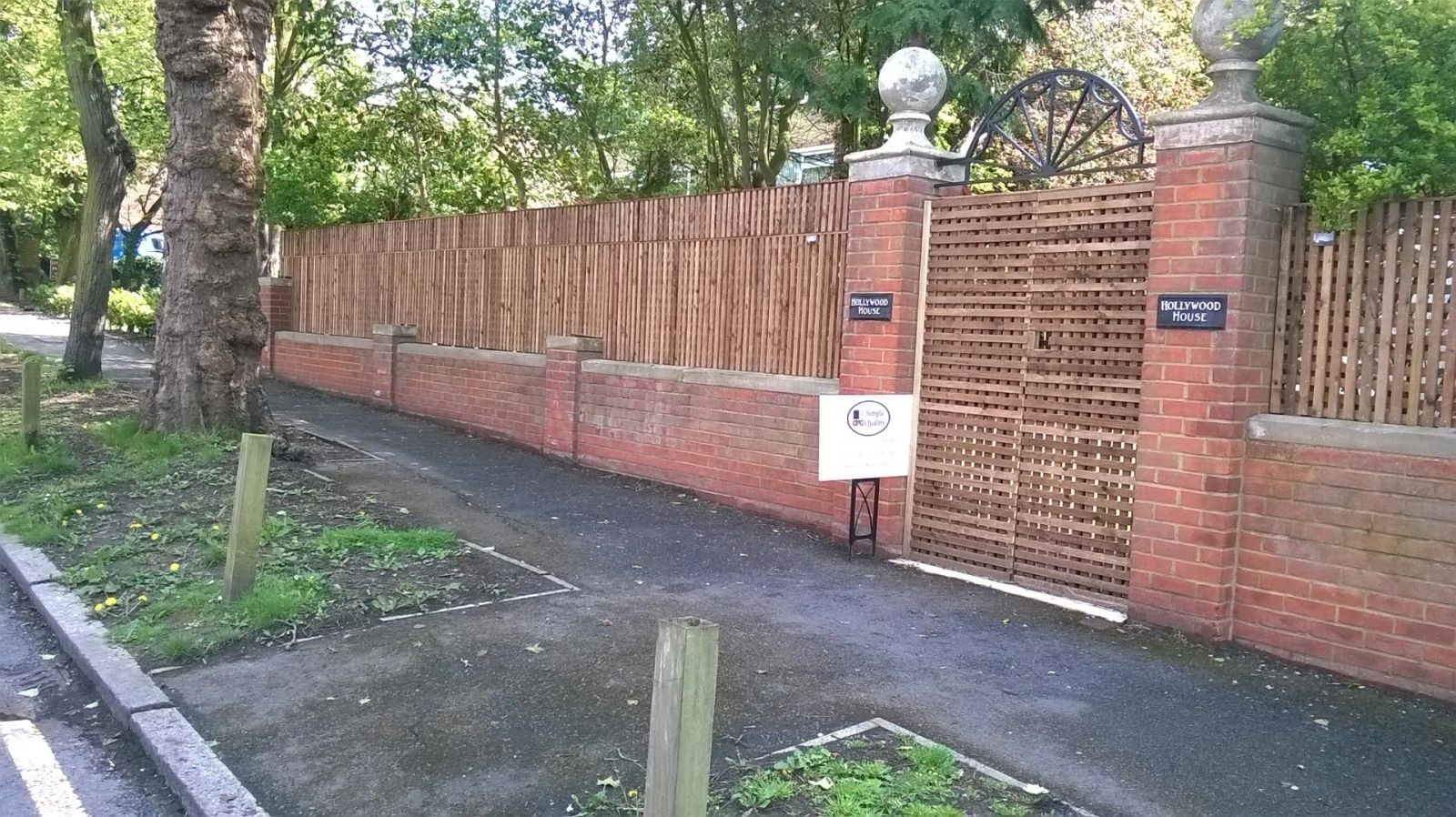
Fixing panels to timber posts
With timber posts, panels are commonly attached using suitable clips, brackets or direct fixings through their frames. The position and number of fixings depend on the panel construction and the conditions along the run. Fixings need to enter sound timber and resist corrosion outdoors.
The panel should sit at a consistent height and remain clear of soil, normally with a gravel board beneath. Screwing through thin decorative infill rather than the structural frame will not provide a durable connection.
Using brackets on concrete or other posts
Some solid concrete posts and nonstandard installations use brackets rather than slots. These must suit both the post and the panel, and they need secure fixings into material that can hold them. Old holes and corroded fittings are assessed rather than automatically reused.
Bracket fixing can help where a bay is being repaired without lowering a panel from above. It also changes the appearance of the post face, so matching details across the run matters.
Why some panels rattle
Rattling usually comes from a small mismatch between panel and slot, a missing retainer or movement at the fixing points. Wind makes the panel knock repeatedly, which gradually wears the frame and can widen the original clearance.
The remedy starts by identifying where the movement occurs. Securing the panel properly may solve it, but loose posts, distorted frames and damaged slots need a different repair. Our rattling panel guide looks at diagnosis in more detail.
Security and lifting panels out
A removable panel is convenient for maintenance, yet it should not be easy to lift or push out from the wrong side. Retaining details and sensible fixing positions reduce that risk without turning a routine repair into destructive removal.
Security also depends on gravel boards, post strength and the gate at the end of the run. Adding numerous screws to a weak panel frame does little if the surrounding structure can simply be moved.
Closeboard is fixed differently
A closeboard fence is assembled on site rather than installed as complete panels. Its feather edge boards are nailed individually to horizontal rails, which are connected to the posts. That is why it can follow uneven ground and fit nonstandard bay widths more easily.
- Panel fencing relies on the panel frame and post connection
- Closeboard relies on rails and individual board fixings
- Slatted systems may have their own posts and prescribed fixings
- Composite systems should follow their manufacturer's installation details
What should appear in a fencing specification
A useful quote names the panel and post types rather than describing the whole job as a standard fence. Where brackets, clips or special retaining details are needed, they should be part of the plan. Nonstandard bay widths and panel trimming should also be clear.
If you are investigating an existing fence, send close photographs of the post slot or brackets, the panel edge and the gravel board below. Those details help us suggest a compatible repair instead of guessing from the style of the front face.
Frequently asked
Do fence panels need screws in concrete posts?
Not usually when the posts are slotted and the panels fit correctly. Retaining clips or other compatible details may still be used to control movement.
Can you screw a panel directly to a timber post?
Yes, if the screws pass through the panel's structural frame into sound post timber and suit outdoor use. Clips or brackets may be more appropriate for the particular system.
Why is my panel loose inside a concrete slot?
The panel and slot may be mismatched, a retainer may be missing, or the frame or post may be damaged. The movement needs locating before packing or fixing anything.
Can a panel be removed without taking the posts out?
Usually. Slotted panels can be lifted where there is clearance, while face fixed panels are unfastened. The exact method depends on the surrounding fence and fittings.
Panel loose in its posts?
A close photograph of the slot or bracket tells us far more than the front of the panel. Send both and we will suggest the compatible repair.