
Care & longevity
Lawn Repair: Patching or Returfing a Worn Lawn
Last updated
The short answer
To repair a lawn, find the cause first, such as shade, compaction, waterlogging or pets. Reseed or patch small bare areas with turf, add a path where people walk, and aerate compacted ground. When most of the lawn has failed, strip it and returf on properly prepared ground.
At a glance
- Small patches
- Reseed or patch with turf
- Worn path
- Add stepping stones or paving
- Waterlogging
- Fix drainage first
- Most of lawn failed
- Returf completely
Small bare patches can be reseeded or patched with turf. When wear, moss or waterlogging affects most of the lawn, returfing on prepared ground is usually the lasting fix.
Lawns fail in predictable places: under trees, on the route to the shed, where the dog runs and where water sits. Repairing them without fixing the cause usually means doing it again next year.
We relay lawns that have worn out, flooded or been taken over by moss as part of our turfing work. This guide helps you decide between a patch and a full returf.
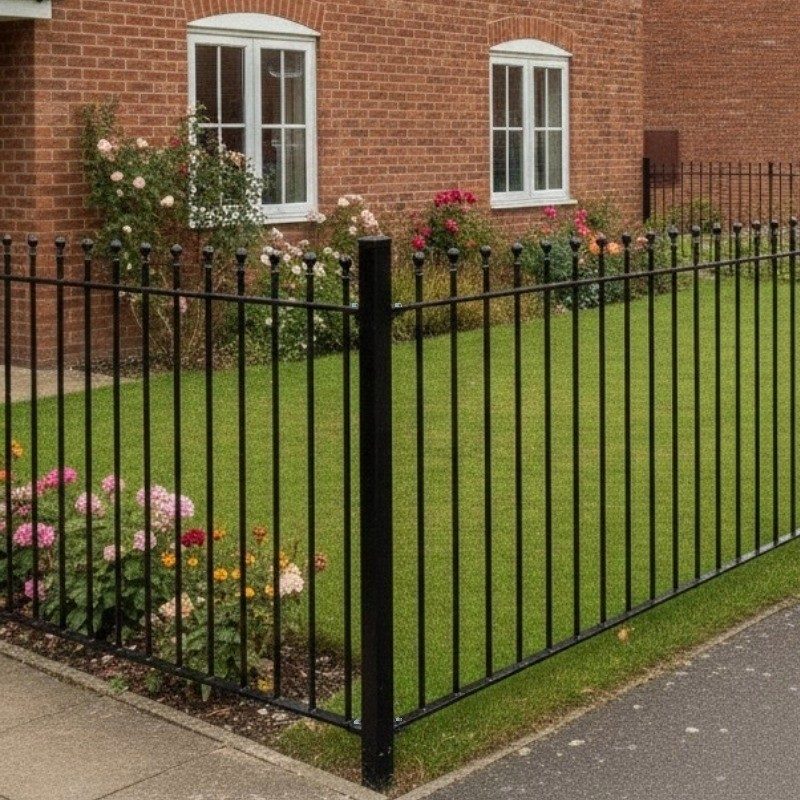
Find the cause first
Look at why the grass has died. Heavy foot traffic compacts the soil. Shade from trees or tall boundaries starves grass of light. Standing water after rain points to compaction or poor drainage. Pets can scorch patches.
Each cause has a different fix, and some can only be worked around rather than cured.
Reseeding small patches
Rake out dead grass, loosen the surface, sprinkle seed matched to your lawn and keep it moist. This is cheap, but it takes weeks to fill in and the patch must be kept off while it grows.
Patching with turf
Cut out the damaged area in a neat square, loosen and level the soil, then fit a piece of new turf tightly into the gap, firming it and watering well. This gives an instant result, though new turf can look a slightly different shade at first.
Keep the patch well watered for the next couple of weeks, because the edges dry out faster than the surrounding lawn, and top dress any gaps around the edge with fine soil.
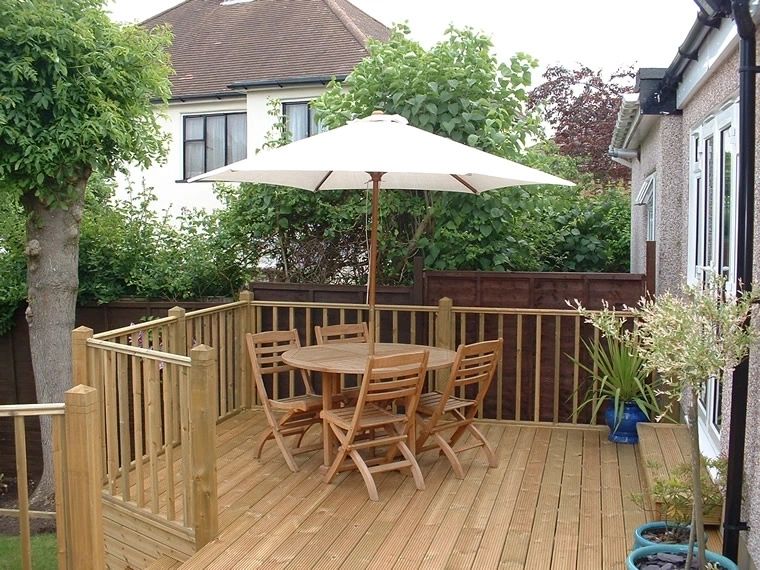
Fixing worn paths
A line of bare grass from door to shed tells you where people walk. Rather than repairing it repeatedly, a stepping stone path or a paved strip lets the lawn recover either side.
Stepping stones should be set just below the grass so a mower can pass over them.
Compaction and waterlogging
Spiking or hollow tining a compacted lawn lets air and water in. A lawn that floods every winter may need drainage improvement or regrading before any new grass will last.
Lifting soil for drainage near the house can meet pipes and cables, so check where services run first.
When to returf completely
When more of the lawn is bare, mossy or uneven than healthy, patching becomes a false economy. Stripping the old lawn, preparing the ground properly and laying new turf gives a uniform result in one go.
In deep shade, artificial grass or a planted bed may be a more realistic choice than real grass.
Getting a lawn relaid
We visit, look at the ground and drainage, and recommend whether to patch, returf or choose artificial grass. The written quote covers clearance, preparation and laying.
Lawns under trees and beside fences
Grass needs light, and many lawns fail along tall boundaries and under trees where they get little direct sun. Shade tolerant turf can help a little, but in deep shade it is often better to accept a planted border, a bark path or an artificial surface. Raising the crown of a tree can let in more light, but tree work should be left to a qualified tree surgeon.
Moss in the lawn
Moss is usually a symptom of shade, poor drainage, compaction or low fertility rather than the cause of a poor lawn. Raking it out and treating it gives a short term improvement, but it returns unless the conditions change. Where moss covers most of the lawn, returfing on improved ground is often the quickest lasting answer.
Repairing lawn edges
Broken edges along beds and paths make a lawn look tired even when the grass is healthy. A damaged section can be cut out, turned round so the good side faces the edge, and the gap filled in the middle. Edging strips stop the edge crumbling again.
When the problem is drainage
Water sitting on a lawn for days after rain usually means compacted soil, heavy clay or a lawn lower than its surroundings. Aerating helps compaction, but a lawn in a low spot may need regrading, and persistent waterlogging may need a drain. New turf laid on ground that floods every winter will fail the same way as the old lawn, so the drainage is checked first.
Frequently asked
How do I fix bare patches in my lawn?
Rake out the dead grass, loosen the soil, and either reseed or fit a piece of new turf. Deal with the cause first.
Is it better to reseed or returf a lawn?
Reseeding suits small patches if you can wait. Returfing suits large areas and gives a usable lawn sooner.
Why does my lawn keep dying in the same spot?
Usually shade, compaction from foot traffic or waterlogging. Fixing the cause matters more than the new grass.
Do you repair or relay lawns?
Yes. We relay worn, flooded or mossy lawns with new turf or artificial grass, priced after a visit.
How do I get rid of moss in my lawn?
Rake it out and treat it, but tackle the shade, drainage or compaction behind it or it will return.
Lawn beyond patching?
Send photos of the worst areas. We will say whether to patch, returf or switch to artificial grass.