
How it's done
Post and Rail Fencing: Where It Works and How It Is Built
Last updated
The short answer
Post and rail fencing marks a boundary without blocking the view. Two rails suit low boundary marking; three rails make a taller, stronger fence for paddocks. Cleft rails look rustic and are often morticed into posts, while sawn rails give a neater line. Add wire netting when it must keep dogs or small animals in.
At a glance
- Best for
- Larger gardens, drives, paddock edges
- Rails
- Two for marking, three for strength
- Timber
- Cleft for rustic, sawn for neat
- Not for
- Privacy, unless paired with another screen
Post and rail fencing marks a line rather than hiding a view. On the right boundary it is simple, sturdy and looks at home.
Post and rail is the open, rural style of fence you see along paddocks, driveways and the edges of larger gardens: upright posts with two or three horizontal rails between them. It keeps things in and marks the edge of a property without blocking light or the view.
We build post and rail fencing for larger gardens, paddock edges and boundary marking across London and Hertfordshire, especially on the edges of towns where gardens meet fields. This guide explains the choices and where it does and does not suit.
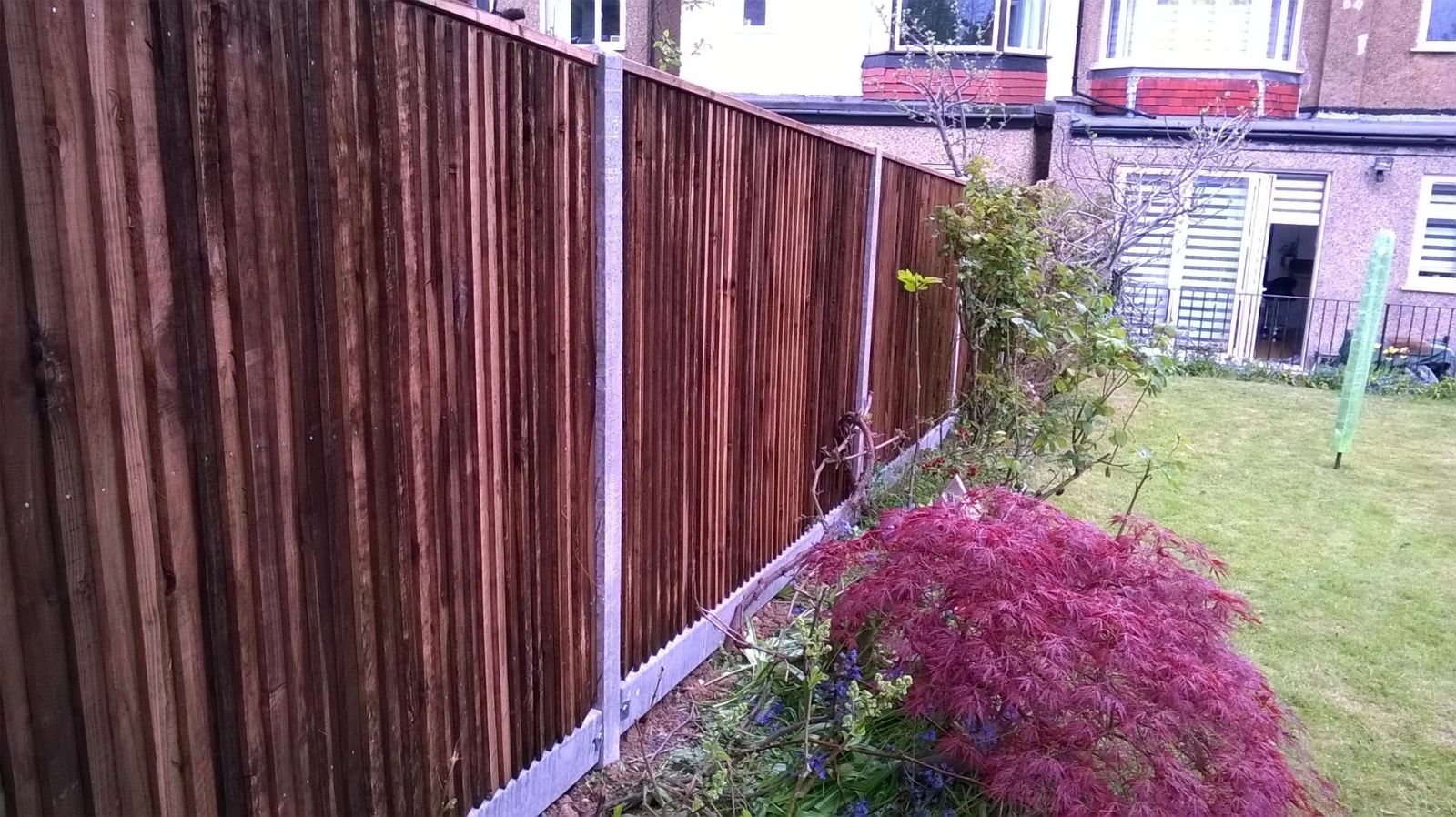
Where post and rail works
Post and rail is the right choice when the aim is to show where a boundary is, guide people and vehicles, or keep larger animals in. Typical uses include the front of a rural property, the line of a long drive, the edge of a paddock and dividing a large garden into areas.
It is not a privacy fence and on its own it will not keep small dogs or rabbits in. For those, netting can be added, or a different fence may be better.
Two rails or three
Two rails give a lighter, more open look and suit lower fences and boundary marking. Three rails make a taller, stronger fence and leave smaller gaps, which suits paddocks and anywhere you want a firmer barrier.
Cleft or sawn timber
Cleft rails are split along the grain rather than sawn, giving a rustic, uneven look that suits country settings. Sawn rails are cut to a regular size and give a neater, more uniform line. Both are normally used with treated posts.
- Cleft rails: rustic look, often morticed into the posts
- Sawn rails: neat and regular, usually nailed or screwed to the face
- Morticed: rails slot through holes in the posts for a strong, tidy joint
- Face fixed: quicker to build, simpler to repair
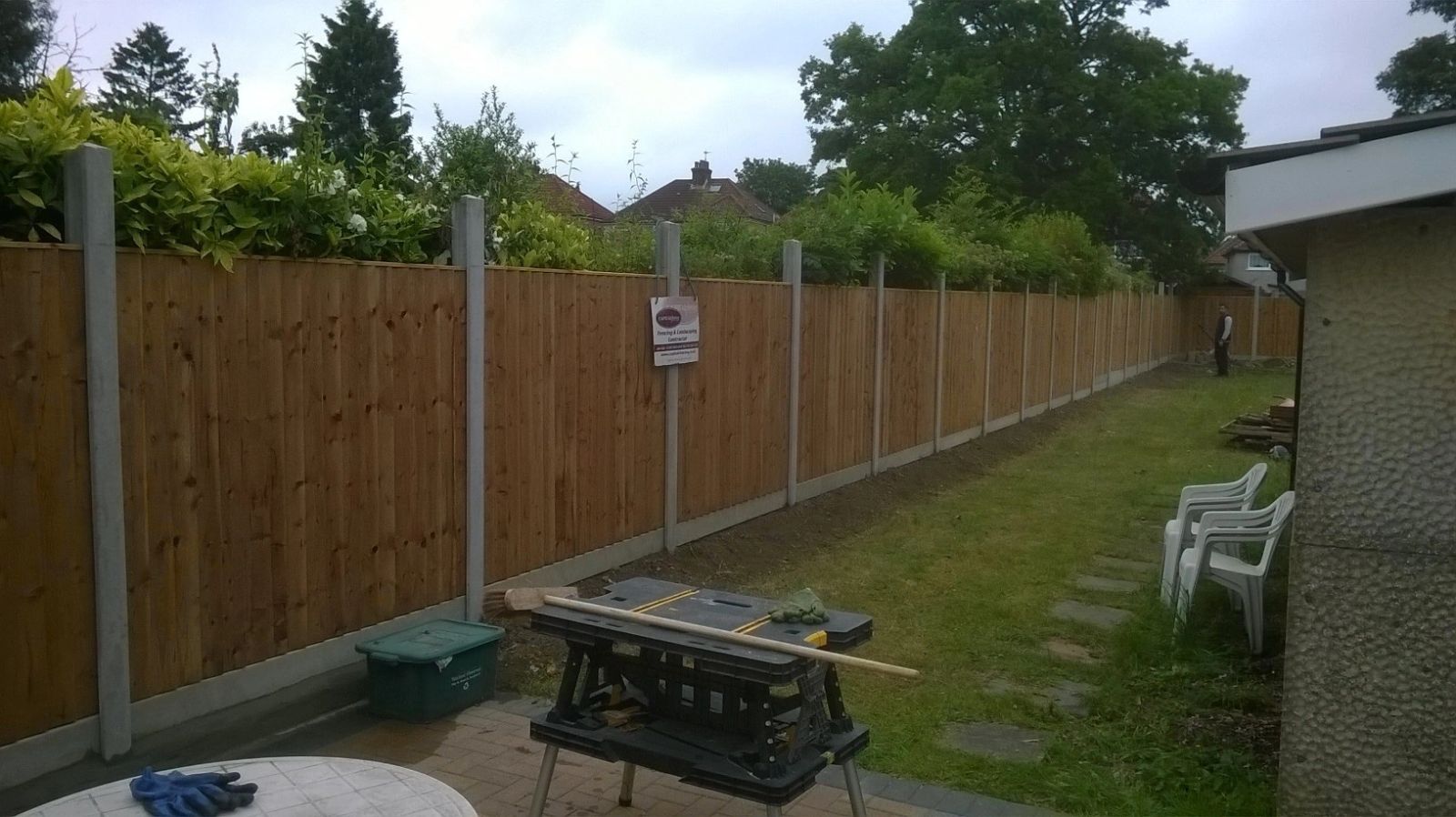
Adding netting
Wire stock netting or mesh can be fixed to the posts to keep dogs, sheep or rabbits in or out. It is fixed on the side the animals will push against, and for rabbits the bottom is often turned and buried a little. Netting turns a marker fence into a stock proof fence without blocking the view.
Building it well
Post and rail is often built over long runs and uneven ground, so setting out matters. Posts are kept in a straight line, at even spacing to suit the rail length, with rails following the ground smoothly rather than stepping. Straining or corner posts take the load where the fence turns. Long runs on soft ground need posts set firmly enough not to lean over time.
Upkeep and repairs
Post and rail fencing is simple to look after. Treated timber can be left to weather or treated now and then, and a broken rail can be replaced on its own without disturbing the rest of the run. The main things to watch are posts loosening in soft ground and rails splitting where they have been knocked by animals or mowers.
Because each bay is independent, a single damaged section is quick and inexpensive to fix compared with a solid fence.
Mixing styles on one property
On larger properties post and rail often runs along the outer edge while a closeboard or panel fence screens the garden nearest the house. Planning both together means the posts, heights and gates line up where the two styles meet.
Gates and finishing
Most post and rail fences need a field gate or a pedestrian gate somewhere along them. We set gate posts separately so the gate's weight does not pull the fence out of line. Send photos, the length of the run and what the fence needs to do, and we send a written estimate and visit to confirm.
Frequently asked
Is post and rail fencing good for dogs?
Not on its own, because dogs can slip between the rails. Adding wire netting to the posts makes it much more secure for dogs.
What is the difference between morticed and nailed rails?
Morticed rails slot through holes cut in the posts. Nailed or screwed rails are fixed to the face of the posts. Both are strong when built well.
Can post and rail fencing go on a slope?
Yes. The rails usually follow the ground, which suits slopes and long, uneven runs.
Can you add a gate to post and rail fencing?
Yes. A field gate or pedestrian gate is hung on its own posts set into the fence line.
How far apart are the posts on post and rail fencing?
The spacing is set by the length of the rails being used, so posts fall where the rail ends meet. On soft or exposed ground, or where animals lean on the fence, closer posts help it stay firm.
Does post and rail fencing need treating?
Pressure treated timber is protected inside the wood and can be left to weather naturally. Some owners apply a preserver or stain now and then to keep the colour, especially on cleft rails near the house.
Want this priced properly for your garden?
Photos first, then a written estimate across London and Hertfordshire, a written specification, and a fixed price. No obligation.