
How it's done
Can You Reuse Fence Posts When Replacing Panels?
Last updated
The short answer
Existing fence posts can be reused when they are stable, upright, correctly spaced and compatible with the new panels. Check the base and slots rather than judging only the visible face. Any loose, cracked or rotten posts should be repaired or replaced before new panels are fitted.
At a glance
- Often reusable
- Sound, straight slotted concrete posts
- Main check
- Movement and condition at ground level
- Must also match
- Slot width, panel thickness and bay alignment
- Not a shortcut
- New panels do not strengthen failed posts
Sound, straight posts can often stay when panels are replaced. The saving disappears quickly if the posts move, the slots do not fit or several bases are near failure.
When old panels look tired but the posts still appear solid, replacing only the visible part of the fence seems the obvious choice. Sometimes it is. Concrete posts in particular can outlast several sets of timber panels, and keeping them avoids unnecessary digging and waste.
The decision has to be made bay by bay rather than from one photograph of the whole run. This guide explains what we check before recommending that posts stay, and why a post that looks acceptable at eye level can still be the wrong thing to build on.
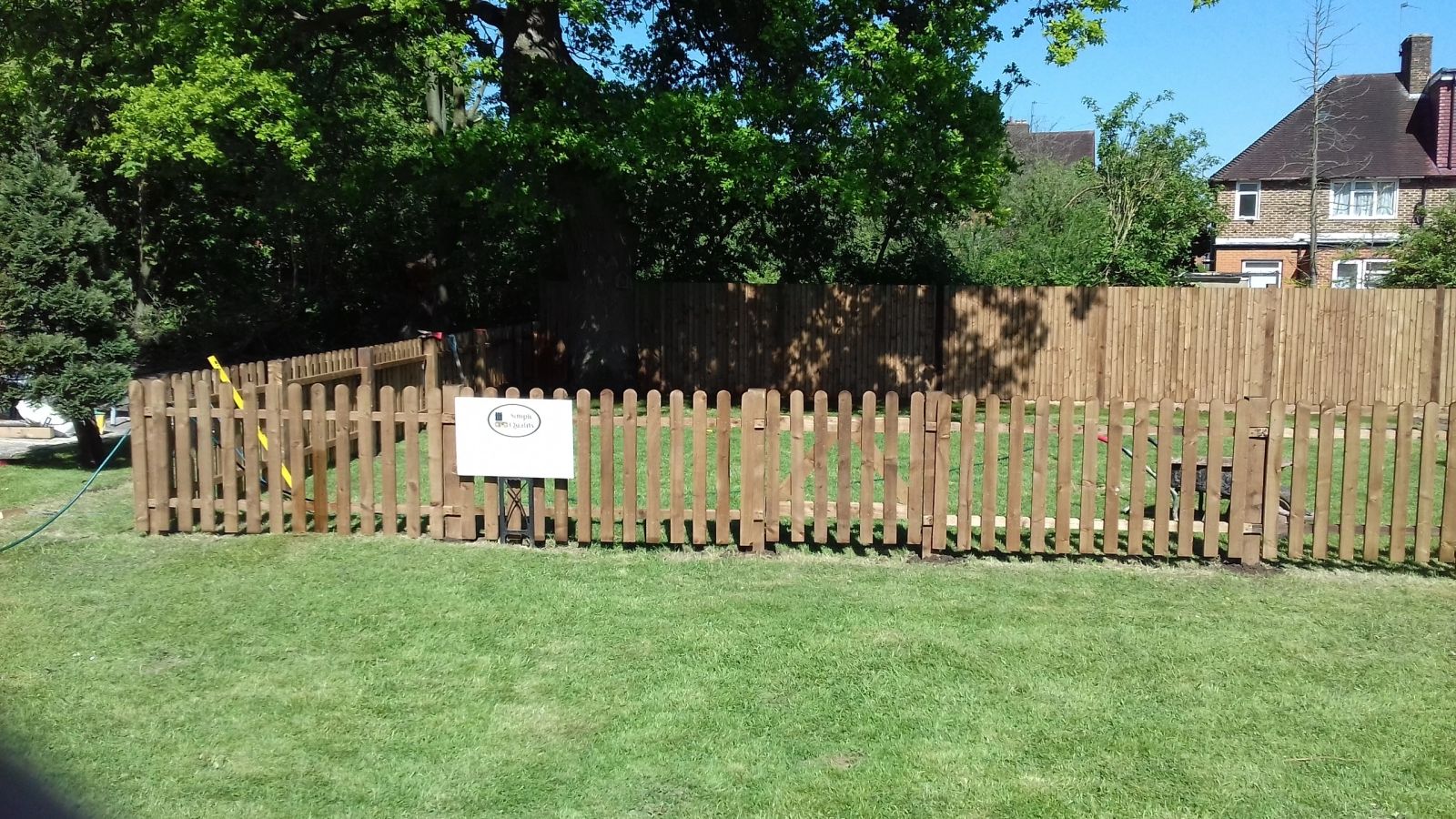
Start with movement at the base
A useful post should not rock when the fence is pushed firmly. Movement at ground level suggests a failed timber section, a loose concrete base or a crack where the post enters the soil. A small amount of flex in a long fence is different from a base that shifts, so the whole bay needs watching as pressure is applied.
If several posts move together, keeping them only postpones the main job. New panels add fresh weight and present a clean, uninterrupted face to the wind, which can reveal the weakness sooner.
Checking concrete posts beyond the surface
Concrete posts often look weathered without being structurally unsound. Surface staining and small chips are less important than cracks through the slot, exposed reinforcement, a leaning line or crumbling around ground level. The top and bottom of each slot deserve particular attention because that is where panels are levered during removal.
A post can also be sound but standing at the wrong angle. New rectangular panels will not slide neatly into slots that converge or twist along the bay.
When timber posts are worth keeping
Timber posts need checking where they meet the ground, not just along the visible face. Soft fibres, deep splits and movement around the base are warning signs. If the lower section is sound and the post remains plumb, there may be plenty of useful life left.
The fixing method matters too. Panels screwed directly to timber can usually be removed without dismantling the post. Rails or old brackets may need renewing so the new panel is supported rather than simply attached to whatever remains.
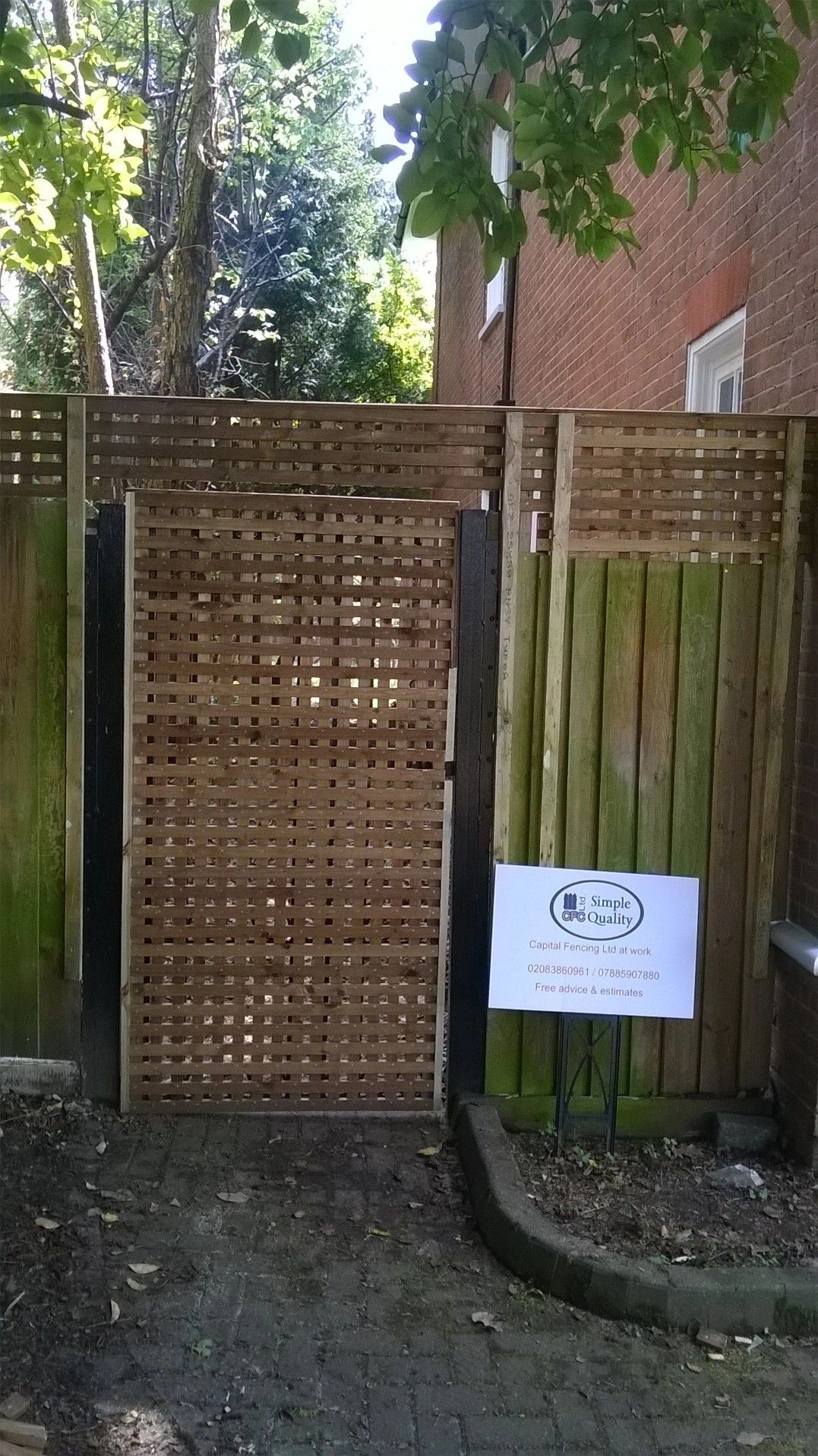
Slot width and panel thickness
Not every panel suits every slotted post. Slot dimensions vary, and a replacement panel may be thinner, thicker or framed differently from the original. A loose panel can rattle or lift, while one that is too thick may be forced in and split.
We measure the slot and the proposed panel before promising a straightforward swap. Packers, clips or a different panel specification can sometimes resolve a mismatch, but the fix should leave the panel secure without putting unnecessary pressure on the concrete.
Alignment across the whole run
Old fences rarely form a perfectly straight line. Individual posts may have moved at different rates, producing bays that vary slightly in width and height. Standard panels can often be trimmed and reframed to suit, but that work needs allowing for in the quote.
On a sloping run, the old stepping may also need changing. Keeping posts does not mean every new panel has to reproduce the old gaps or awkward levels. Gravel boards and panel heights can be planned afresh within the existing positions.
Height, gravel boards and the finished look
Reused posts limit the height available unless they already extend above the old panels. Adding a taller panel or trellis may leave too little post at the top and can increase wind load beyond what the old installation was designed to carry.
Existing concrete gravel boards may be worth retaining if they are undamaged and level. Mixing clean new boards with stained posts and old bases will also look different from a completely new fence, which matters when appearance is the main reason for the work.
When partial replacement makes sense
A sensible job can combine old and new. One failed timber post might be replaced while its neighbours stay, or a run of sound concrete posts might take new panels and gravel boards throughout. This approach keeps good material in use without treating every post as untouchable.
- Keep posts that are stable, upright and correctly spaced
- Replace any post with a failed base or serious structural crack
- Renew loose clips, brackets and fixings rather than reusing them by habit
- Price trimming and panel adjustments before work starts
What to photograph for an estimate
Take one picture along the fence line, then close views of each post base, the slots and the top of the run. A short note about any movement or previous repairs helps us interpret what the pictures show. If you know the panel style you want, include that too.
We can then say whether a panel only replacement looks plausible and what needs confirming during a visit. The written quote will distinguish retained posts from any new ones, so the scope is clear before anyone removes a panel.
Frequently asked
Can new panels go into old concrete posts?
Often, provided the posts are stable, the slots are intact and the new panels fit them. We check every bay rather than assuming the whole run is suitable.
Is it cheaper to keep existing fence posts?
It can be, because there is less digging and waste. Trimming panels, renewing fixings or replacing isolated posts can reduce the saving, so the whole run needs pricing accurately.
Can I reuse timber fence posts?
Yes if they are plumb and sound at ground level. Any softness, serious splitting or movement around the base usually makes replacement the better choice.
Will new panels make old posts stronger?
No. Panels do not repair a loose base or a cracked post. In some cases new solid panels increase the wind load, so weaknesses need dealing with first.
Want to keep sound posts where you can?
Send a view along the run and close ups of the bases and slots. We will say which posts look reusable and confirm every bay before quoting.