
Care & longevity
Soil Piled Against a Fence: Why It Causes Rot and What Helps
Last updated
The short answer
Soil piled against a timber fence keeps the boards permanently damp, so they rot from the bottom, and it pushes sideways on the panels and posts. The usual fix is to pull the soil back so it sits below the gravel board, or, where the ground levels differ between gardens, to build a proper retaining edge so the fence is not doing that job.
Official guidance: GOV.UK: how to resolve neighbour disputes
At a glance
- Main problem
- Wet timber and sideways pressure
- Quick fix
- Pull soil back below the gravel board
- Level differences
- Need a retaining edge, not a fence
- Warning signs
- Rotten bottom boards and a lean
A fence is not built to hold back earth. When soil builds up against it, the timber stays wet and the extra pressure slowly pushes it over.
Raised beds, new borders and a neighbour's landscaping can all end up with soil heaped against a fence. It happens slowly, so the damage is often hidden until a panel crumbles at the base or the fence starts to tip.
This guide explains what the soil does to the fence, how to fix it, and what to do when the higher ground is on the other side.
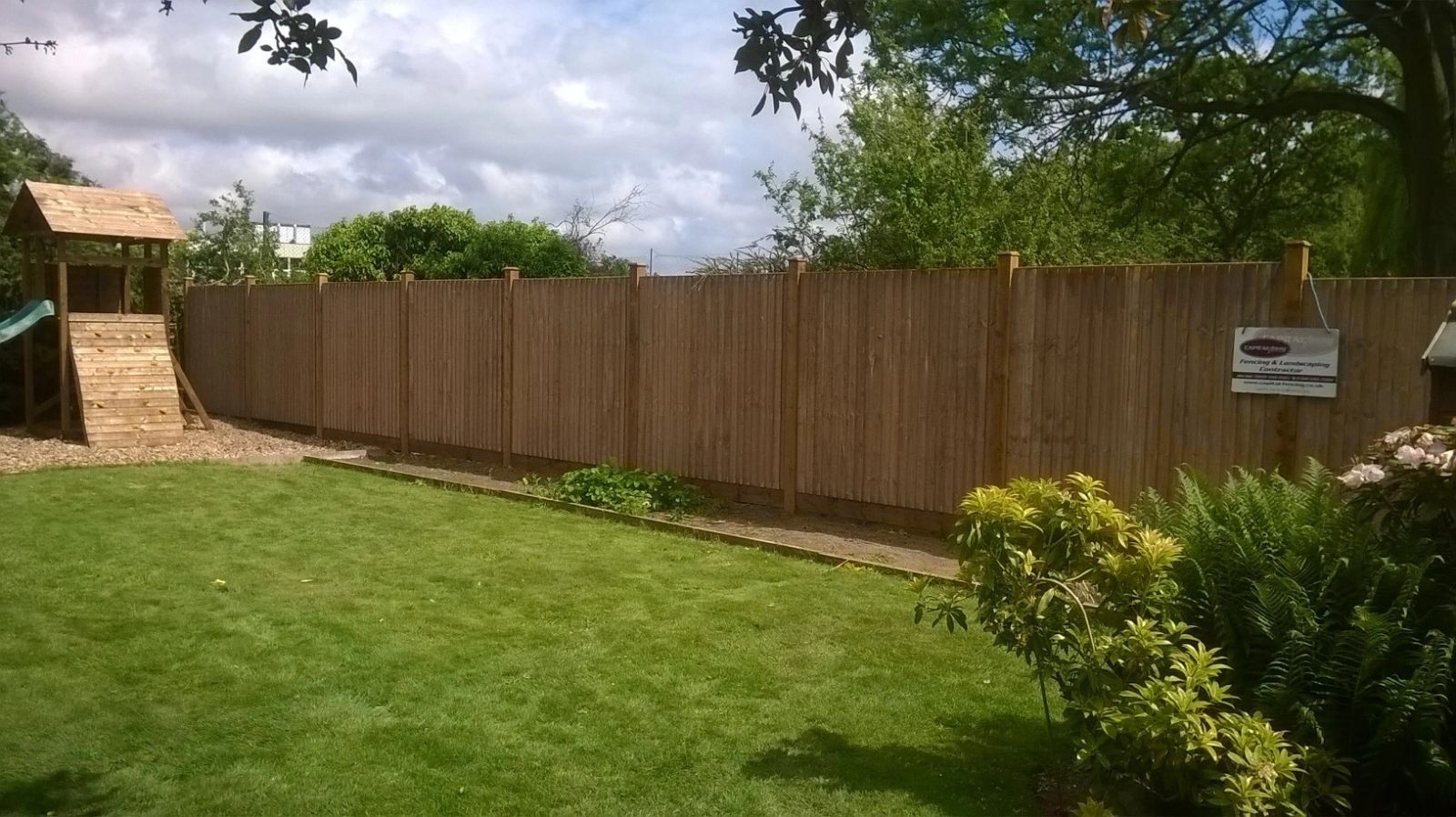
Why timber fences hate soil
Treated timber is meant to dry out between showers. Buried in soil it never does, so rot sets in even on boards that would otherwise last for years. The soil also carries insects and fungi straight to the wood.
The pressure problem
Earth is heavy, and wet earth more so. A fence built to stand up to wind is not designed to hold back a bank. The panels bow, rails pull loose and posts gradually tilt away from the higher side.
- Bottom boards dark, soft or crumbling
- Panels bowing away from the soil
- Posts leaning towards the lower garden
- Gaps opening at the top of the run
Gravel boards as the first defence
A gravel board is a concrete or timber board fitted at the foot of the fence, below the panels. It takes the contact with the ground so the panels stay clear. Concrete gravel boards suit spots where soil is a problem. They still should not be used to hold back a deep bank. Our gravel boards page explains the options.
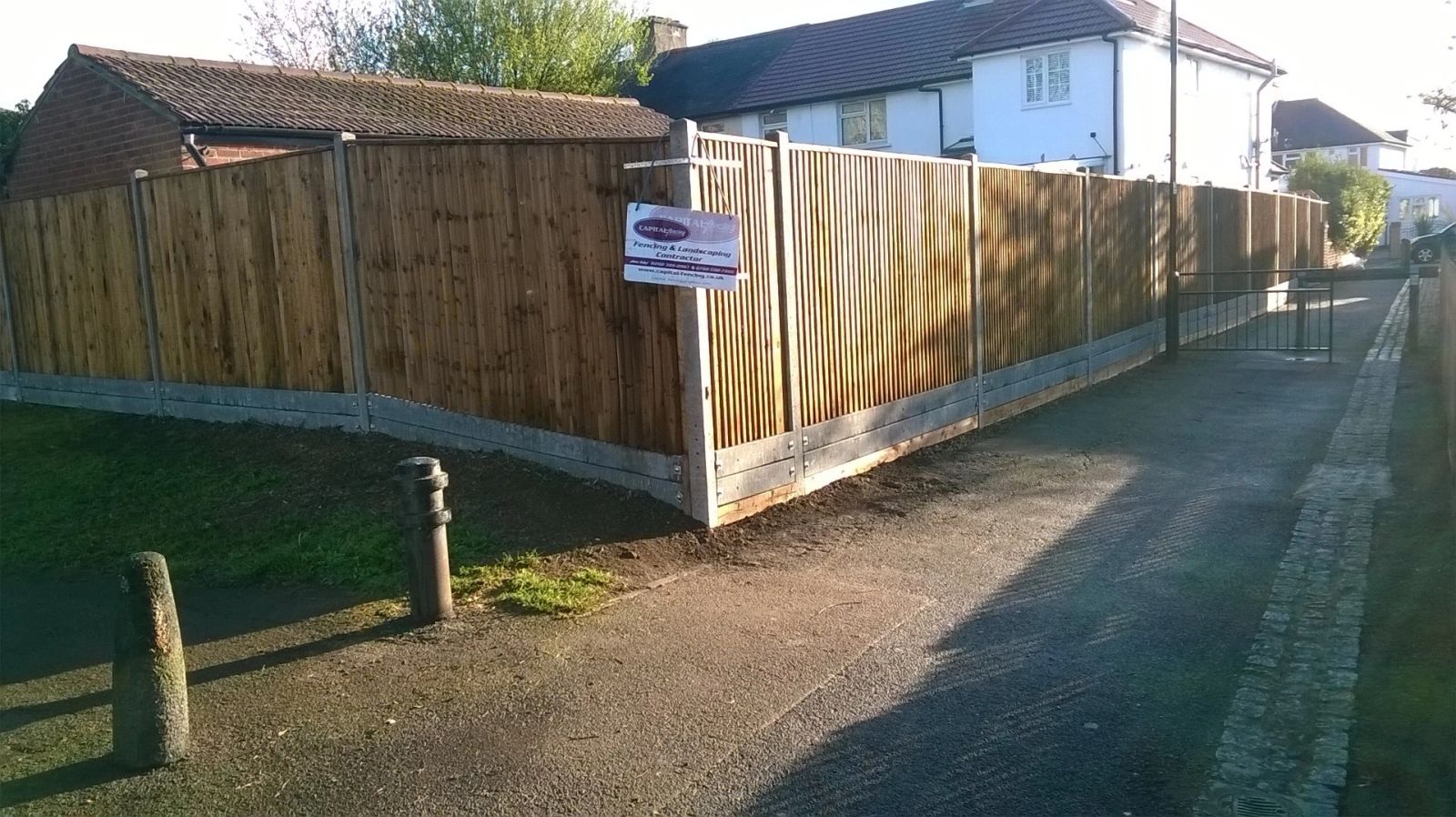
When gardens sit at different levels
If one garden is genuinely higher than the other, the fence needs a retaining edge beneath it, such as stacked gravel boards on suitable posts for a small step, or a proper retaining wall for a bigger one. The right answer depends on the height of the step. Our guide to fencing on a slope covers stepped fences in more detail.
If the soil is on your neighbour's side
You cannot move earth in someone else's garden, but you can explain the damage and ask them to pull it back or let you put in a gravel board. A friendly conversation with photos usually works better than a letter. GOV.UK has guidance on resolving neighbour disputes if it becomes difficult.
Repairing the damage
Once the soil is moved, the extent of the rot is clear. Replacing gravel boards and bottom rails, or a few rotten panels, may be enough. If posts have rotted at ground level, they may need repairing or replacing. Our repair page covers what we do.
How it happens without anyone noticing
Soil creeps upwards in small steps: a border topped up each spring, grass cuttings piled at the end, a raised bed built against the boards, or spoil from a new patio raked into a corner. Each step seems harmless. After a few years the bottom of the fence is buried and nobody remembers it ever sat clear of the ground.
Raised beds near a fence
If you want a raised bed along a boundary, build it as a free standing box with its own sides, set a little away from the fence. That leaves a gap for air and lets you reach the back of the fence for repairs. Lining the bed stops wet soil touching the timber of the bed itself too.
Composite and concrete options
Where soil contact cannot be avoided at the very base, concrete gravel boards and concrete posts handle damp ground far better than timber. Composite fencing also copes with damp, though it still is not designed to retain earth. Talk to us about which suits your boundary.
Whatever the material, keep the finished soil level a little below the bottom of the fence so water can run away and the base can be checked easily.
Getting it looked at
Send photos of both sides of the fence, the soil level against it and any rot you can see. We will tell you whether a repair, new gravel boards or a retaining edge looks likely, and give a written quote.
Frequently asked
Can I put soil against a fence?
It is best not to. Soil keeps the timber wet, causing rot, and adds pressure that can push the fence over.
Will a gravel board stop rot from soil?
It keeps soil off the panels, which helps a lot. It is not meant to hold back a deep bank of earth on its own.
My neighbour's garden is higher. Whose job is the retaining edge?
It depends on who raised the ground and who owns the boundary. Talk to them early and agree a plan before work starts.
Can a rotten bottom board be replaced on its own?
Often. Gravel boards, bottom rails and individual boards can usually be replaced without rebuilding the whole fence.
Soil pushing on your fence?
Send photos showing the soil level on both sides and we will suggest the right fix.