Common questions
Do I need listed building consent to replace a garden fence?
Only if the fence or gate is considered part of the listed building's setting or curtilage — a modern replacement fence usually isn't, but an original wall or gate often is.
Can I install a modern composite fence at a listed property?
Possibly, particularly for a rear boundary with no heritage significance, but we'd check first rather than assume — and a sympathetic timber option often suits better anyway.
Who decides if my boundary needs listed building consent?
The local authority's conservation officer makes that determination — we can flag likely cases but can't make the formal call.
Are wrought-iron-style gates appropriate for period properties?
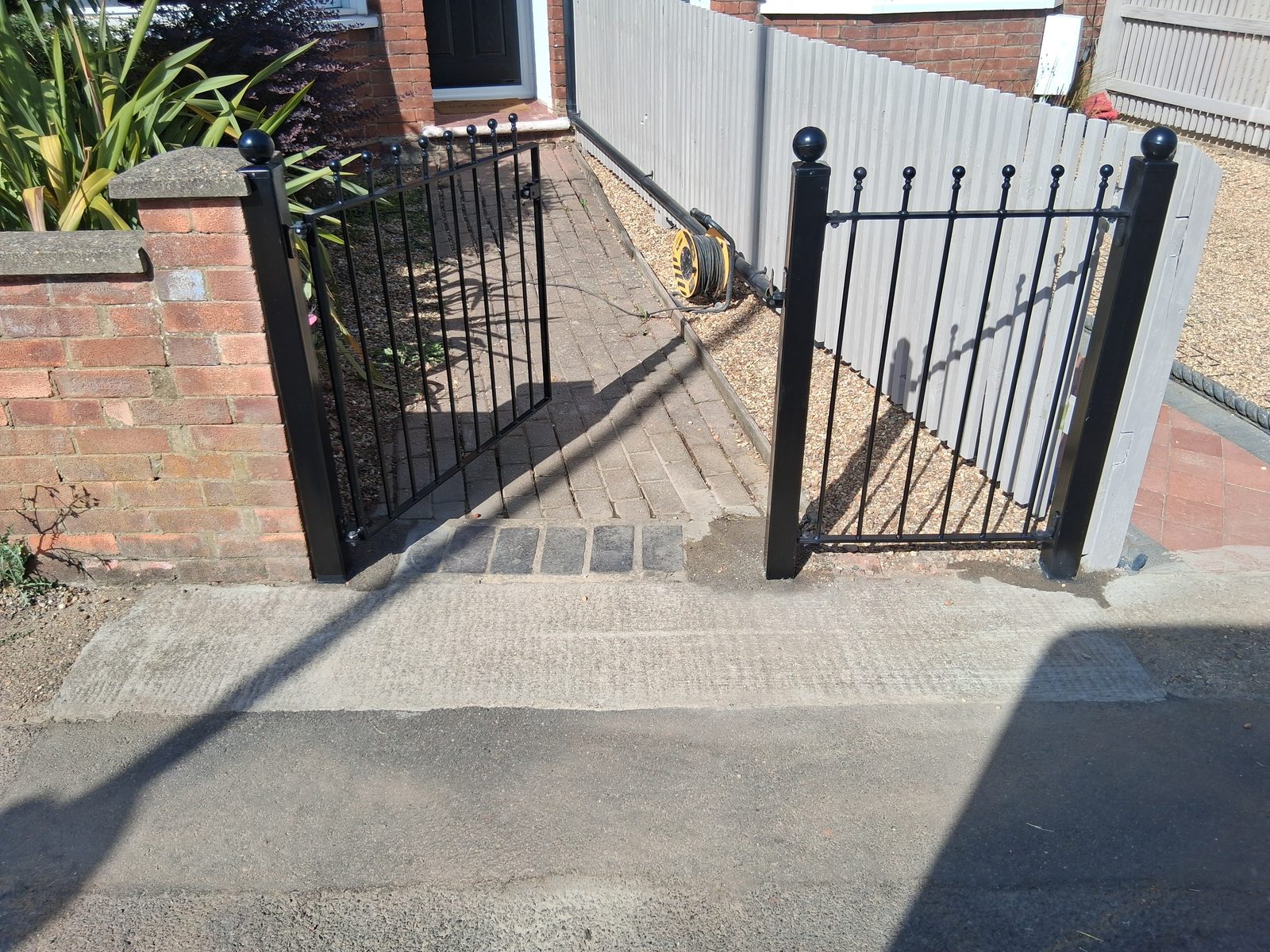
Often yes — see our hardwood and metal gates pages for detailing that tends to suit period settings well.
Listed status is a stricter and separate regime from conservation area designation, and can extend to structures within the property's curtilage, including some walls, gates and railings, depending on age and whether they're considered to contribute to the property's significance.
When listed building consent applies
If a boundary feature pre-dates or is contemporary with the listed building and is considered part of its setting, altering or removing it can need separate listed building consent, distinct from any general planning permission question.
Sympathetic materials and detailing
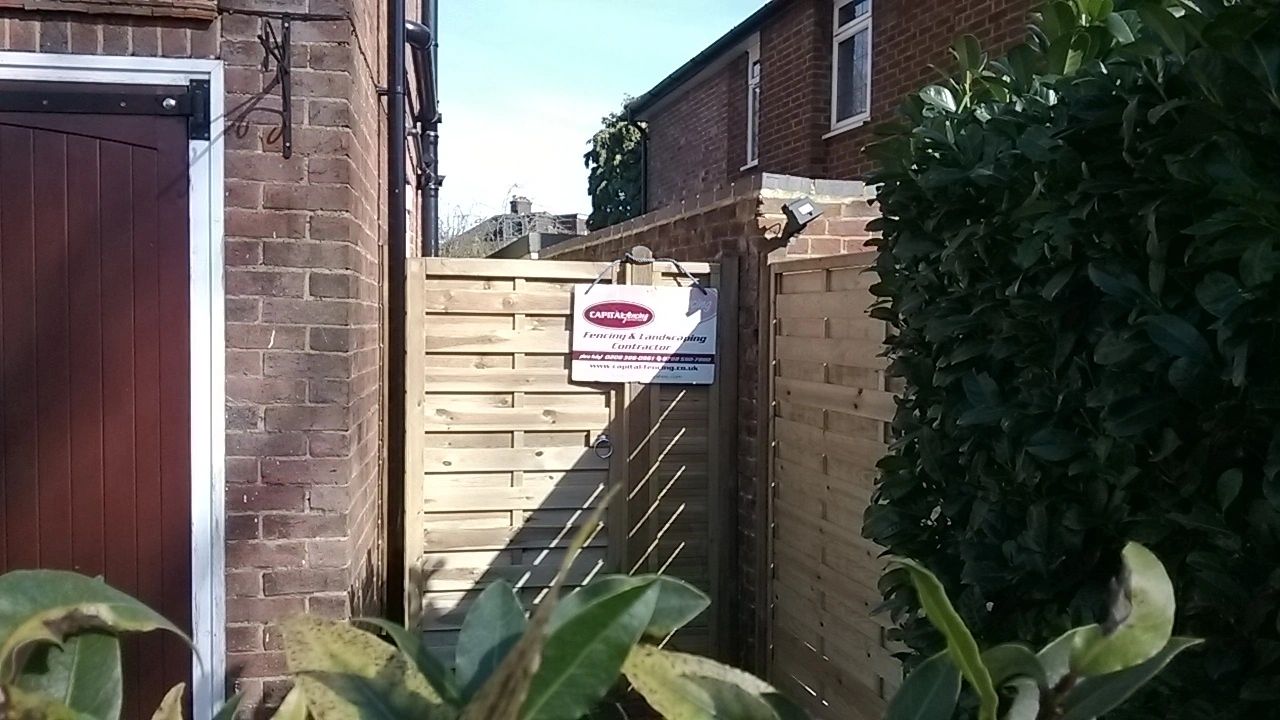
Where consent is needed or where you simply want the work to suit the property, traditional materials and detailing — timber gates rather than composite, painted metal railings matching an original pattern — usually suit better than modern low-maintenance systems.
- Check whether existing boundary features are original or later additions
- Traditional timber and wrought-iron-style detailing usually suits a listed property better than composite
- Get any consent requirement confirmed in writing before committing to a design
Working with heritage constraints practically
We'll flag anything that looks like it may need consent on the site visit, but the formal determination sits with the conservation officer, not with us — build in time for that process if your boundary work touches anything original.
On-site checklist
- Establish whether the boundary feature is original or a later addition
- Check with the local conservation officer before altering anything original
- Favour sympathetic materials even where consent isn't strictly required
- Allow extra time in your project schedule for any consent process