
Specification checklist
- 1Prioritise fixing existing perimeter gaps over full replacement where budget is tight
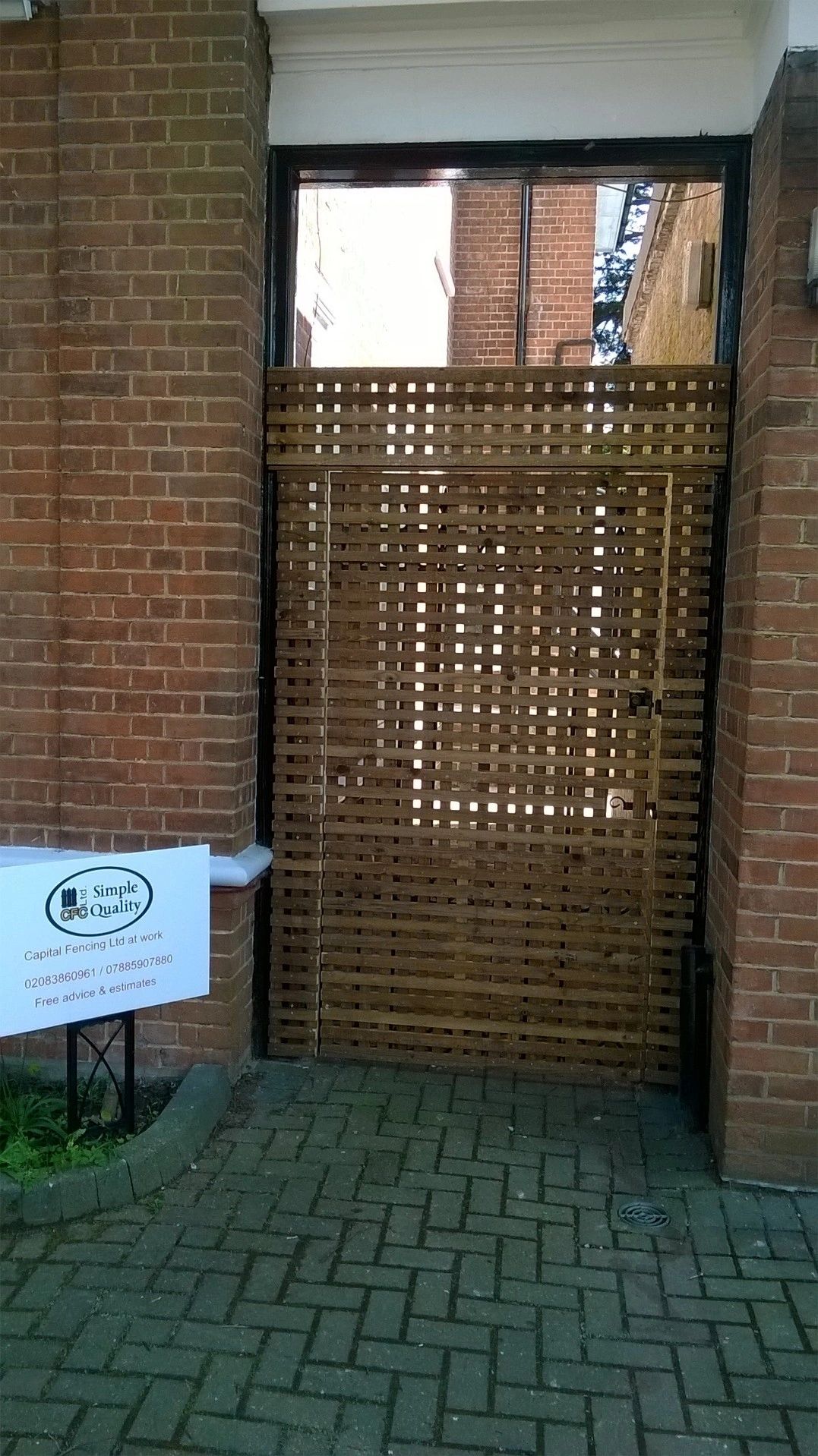
- 2Specify one well-built site gate rather than several lower-quality access points
- 3Keep individual plot division fencing low-cost — security sits with the perimeter
- 4Ask for a phased quote if committee funding runs annually
- 5Consider a separate, better-secured enclosure for any shared tool store
Allotment sites and community gardens face a real, recurring problem — tool shed break-ins and produce theft — but almost never have a commercial security budget to solve it with. The honest answer is usually a straightforward, well-maintained perimeter and a decent site gate rather than anything elaborate.
We've quoted enough of these projects to know the brief is nearly always the same: get meaningful deterrence for a sensible cost, agreed with a committee, sometimes phased across more than one growing season.
Realistic perimeter security on a community budget
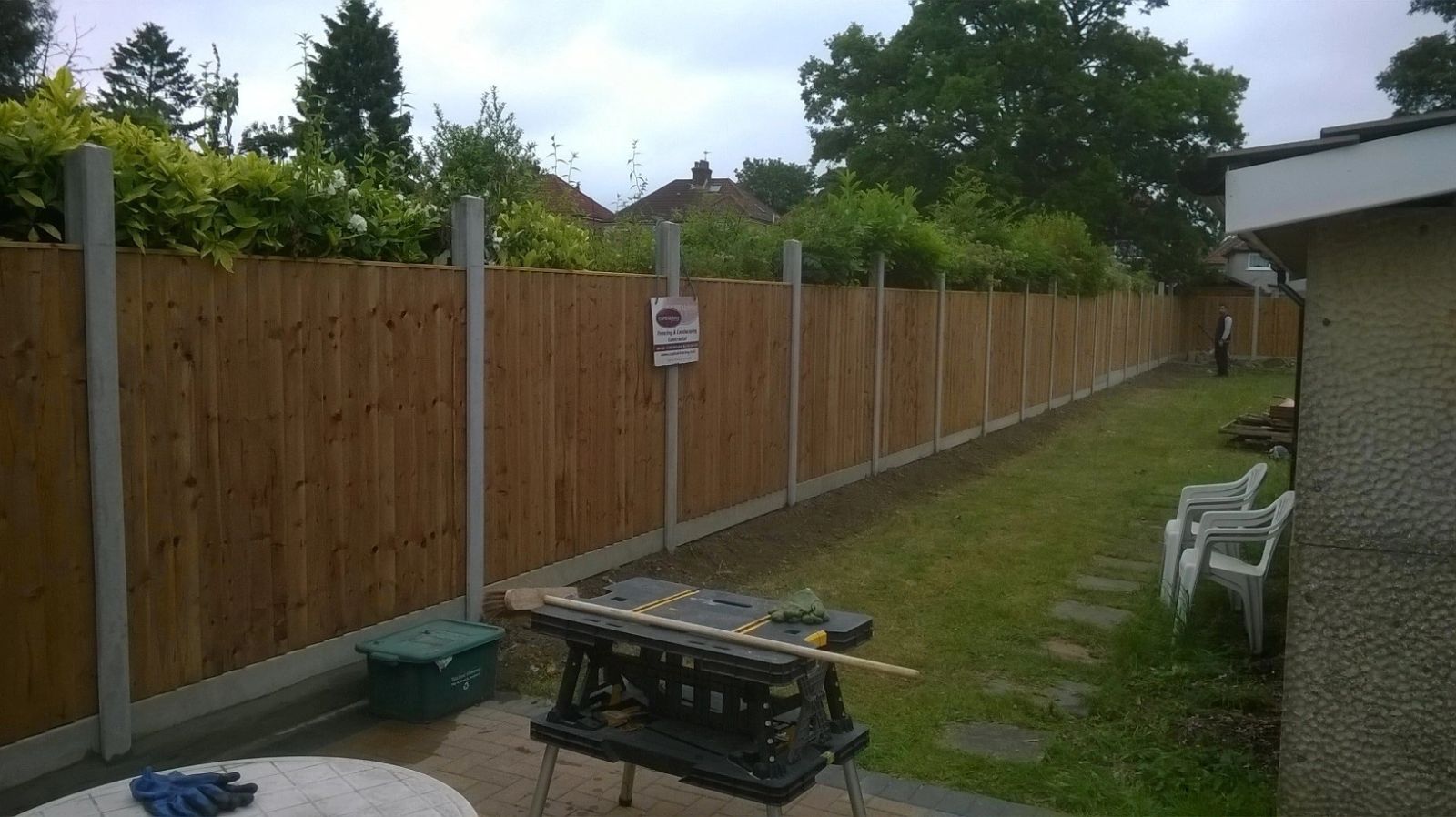
A well-maintained stock or weldmesh fence at a reasonable height, with a single well-built site gate rather than multiple weak points, does most of the deterrence work that a more expensive spec would offer at a fraction of the cost. Fixing existing gaps and failing sections is usually better value than replacing an entire working boundary.
Individual plot divisions are typically low-cost — post and wire, or simple picket — since their job is marking boundaries between plot-holders rather than security, which sits with the site perimeter instead.
- One well-built, well-maintained perimeter gate rather than several weak points
- Repair and patch existing perimeter sections before considering full replacement
- Low-cost plot division fencing (post and wire, picket) rather than security-grade materials
- Phased works across growing seasons where budget requires it
Committee decision-making and budgets
Allotment and community garden fencing decisions almost always go through a committee, association or council parks team, often with a fixed annual budget rather than a one-off project sum. We're used to providing quotes broken into phases so a committee can approve and fund work over more than one year if that's how the budget works.
Access for members and shared tool stores
Where a site has a shared tool store or communal shed, that store benefits from its own better lock and, where budget allows, a slightly higher-spec enclosure than the general plot fencing — it's usually the single highest-value target on site and worth prioritising over further perimeter spend.
Working with a committee budget for allotment or community garden fencing?
We'll survey the site, tell you honestly what needs replacing versus repairing, and quote it in phases if that's how your budget works.
Frequently asked
What's the most cost-effective way to improve allotment site security?
Usually repairing existing perimeter gaps and upgrading to one well-built site gate, rather than replacing the whole boundary — that combination gives most of the deterrence for a fraction of full replacement cost.
Can you phase fencing work across more than one budget year?
Yes — we regularly quote allotment and community garden work in phases so a committee can approve and fund it against an annual budget.
Should individual allotment plots have their own security fencing?
Not usually — plot division fencing is for marking boundaries between plot-holders; site security is better concentrated on the main perimeter and gate.
Is it worth extra spend on a shared tool store enclosure?
Often yes — a shared store is usually the single highest-value theft target on an allotment site, so it's worth prioritising over incremental perimeter upgrades.