Metal Gates in Cheshunt (EN7)
If you're weighing metal gates for a property in Cheshunt, the housing stock — mid-century semis and bungalows, plus newer riverside developments toward Goffs Oak — sets most of the answer. On long flat gardens — many back onto the Lee Valley with high-water-table conditions, galvanised steel or wrought-iron-style frames with hardwood or composite infill generally makes sense for driveway gates where security and impact resistance are the brief. Where it doesn't, we say so. Recent work on Windmill Lane and Flamstead End Road. We orient jobs off Cedars Park. Turners Hill driveway gates. Hardwood double gates manual-bolted to existing piers. Sized to fit awkward 3.6m opening with 50mm fall.
If you're weighing metal gates for a property in Cheshunt, the housing stock — mid-century semis and bungalows, plus newer riverside developments toward Goffs Oak — sets most of the answer. On long flat gardens — many back onto the Lee Valley with high-water-table conditions, galvanised steel or wrought-iron-style frames with hardwood or composite infill generally makes sense for driveway gates where security and impact resistance are the brief. Where it doesn't, we say so. Recent work on Windmill Lane and Flamstead End Road. We orient jobs off Cedars Park. Turners Hill driveway gates. Hardwood double gates manual-bolted to existing piers. Sized to fit awkward 3.6m opening with 50mm fall.
Common Cheshunt briefs
- → commercial yard gates with drop bolts, cane bolts and industrial hinges
- → estate-style pedestrian gates matching bow-top railings
Why metal gates works here
- won't warp, drop or shrink the way timber does
- handles automation loads without the reinforcement carpentry timber gates need
- hot-dip galvanised then powder-coated finishes give 25-year service life
How we build metal gates in Cheshunt
Galvanised steel or wrought-iron-style frames with hardwood or composite infill. Standard build: 50×50mm SHS frame, 40×40mm infill or hardwood slats, hot-dip galv + RAL powder-coat. On Cheshunt jobs we adjust for ground water near the lee valley means post bases need extra care to prevent rot.
Property mix locally: mid-century semis and bungalows, plus newer riverside developments toward Goffs Oak. Typical gardens: long flat gardens — many back onto the Lee Valley with high-water-table conditions. Postcodes we regularly service: EN7, EN8.
Metal Gates FAQs — Cheshunt
Do you install pedestrian and driveway gates as a matching pair?
Across Cheshunt (EN7), the honest answer depends on mid-century semis and bungalows and long flat gardens — many back onto the Lee Valley with high-water-table conditions. Practically, that means handles automation loads without the reinforcement carpentry timber gates need — and we're upfront that no natural warmth — often paired with timber slats or composite infill.
Are metal gates easier to automate than timber?
On Cheshunt jobs we spec around ground water near the lee valley means post bases need extra care to prevent rot, so the default is 50×50mm SHS frame, 40×40mm infill or hardwood slats, hot-dip galv + RAL powder-coat. We'll walk you through both won't warp, drop or shrink the way timber does and impact damage usually means welding and re-coating on site on the site visit before you commit.
Can I mix metal gates with a timber fence?
Broxbourne Borough coverage and M25 J25 access means we can survey most EN7 addresses inside a week. Practically, that means handles automation loads without the reinforcement carpentry timber gates need — and we're upfront that no natural warmth — often paired with timber slats or composite infill.
What's the maximum span before a metal driveway gate needs a wheel or cantilever?
We've installed metal gates across Cheshunt — from Brookfield Riverside through to the quieter streets toward waltham cross. Practically, that means handles automation loads without the reinforcement carpentry timber gates need — and we're upfront that no natural warmth — often paired with timber slats or composite infill.
How long do galvanised gates last before recoating?
Across Cheshunt (EN7), the honest answer depends on mid-century semis and bungalows and long flat gardens — many back onto the Lee Valley with high-water-table conditions. In short: won't warp, drop or shrink the way timber does, though impact damage usually means welding and re-coating on site.
Recent metal gates work
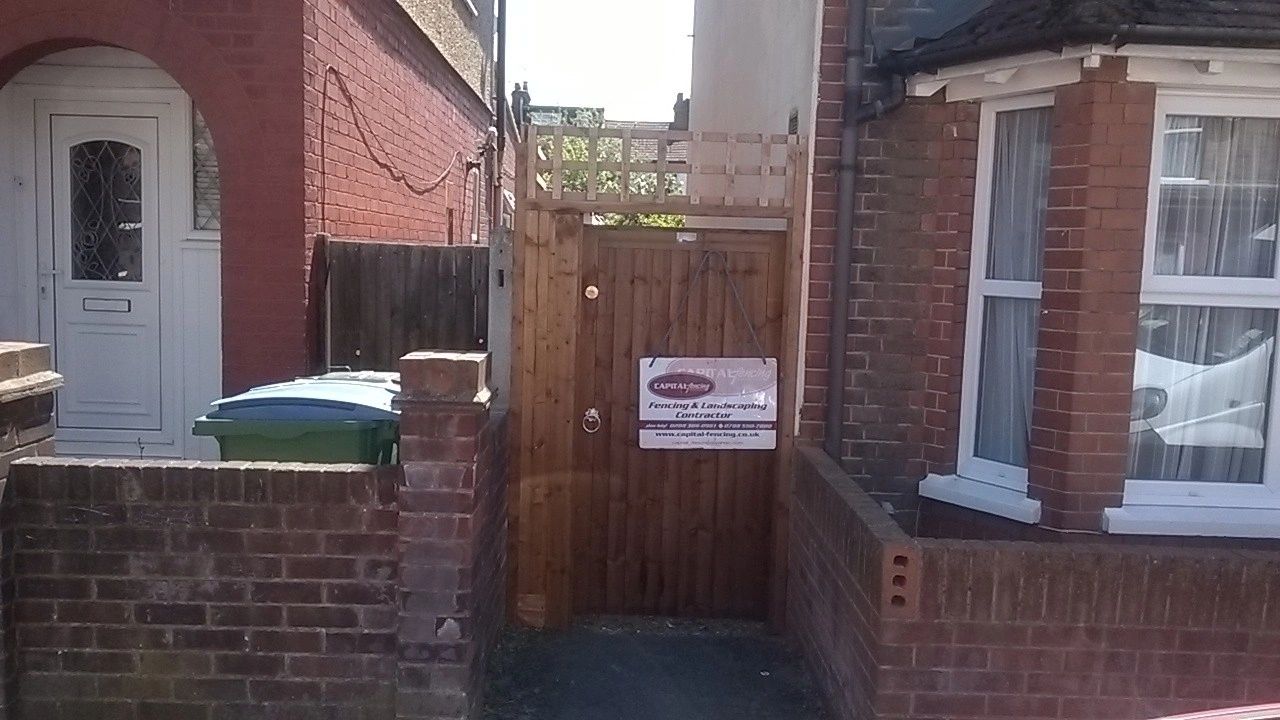
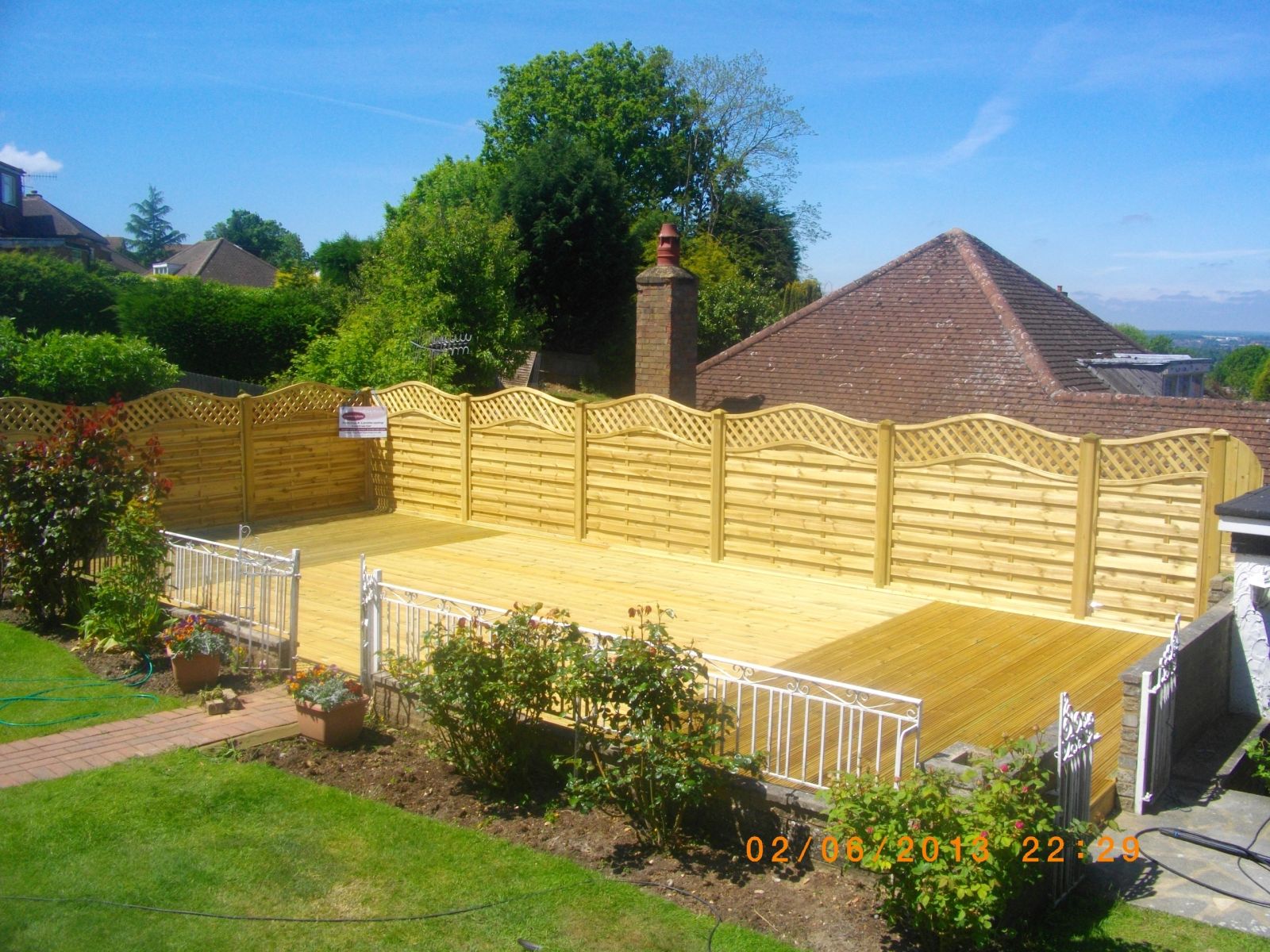
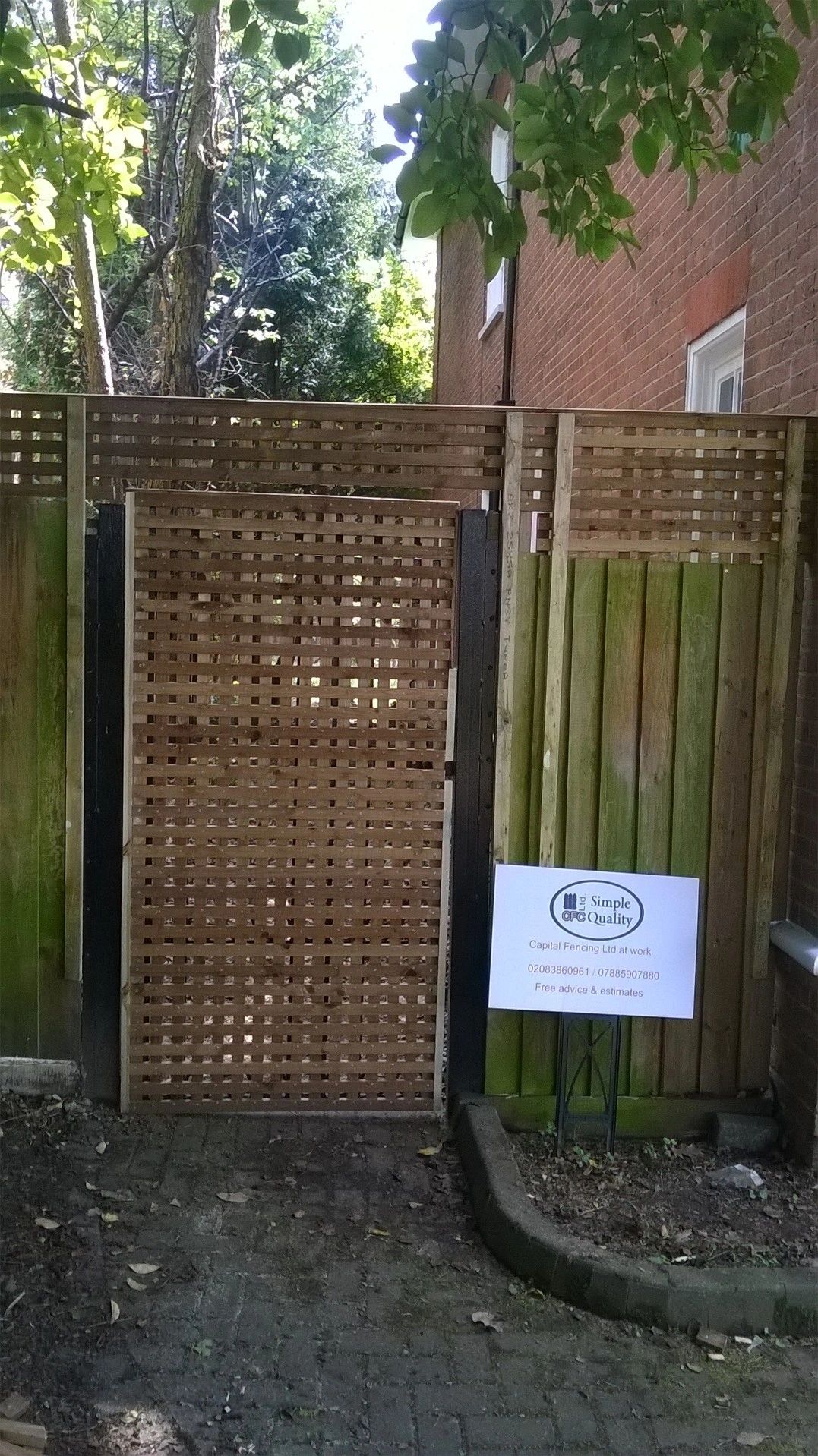
We keep the metal gates process simple for Cheshunt clients: site visit, written quote, agreed start date, then in and out cleanly. No subcontracted labour, no chasing for an invoice at the end. Recent work on Flamstead End Road and Windmill Lane. We orient jobs off Cheshunt station. Crossbrook Street rear deck. Composite deck with skirts, raised over slope to clear flood line. Replaced rotted softwood deck that had failed at the joists.
Get My Free Quote — 24h Response
No callout fee · Fully insured · Friendly local team covering London & Hertfordshire.