London & Hertfordshire Free Site Visit
Fencing and gates coverage in Mill Hill East, Mill Hill

Mill Hill East: Fencing & Decking Within Mill hill

Sitting inside mill hill and administered by Barnet Council, Mill Hill East (NW7) has its own character: modern apartments and townhouses around millbrook park, plus older semis nearby, gardens small modern courtyards, plus larger established gardens. What tends to drive the spec on a Mill Hill East job is new-build sites need fence-and-gate packages that match developer brief and hoa rules. Staining versus painting: different maintenance cycles: A translucent or semi-transparent stain penetrates the timber surface and wears gradually, so re-application every two to three years is a top-up rather than a full strip-back, and overlap patches between old and new coats blend reasonably well. Opaque exterior paint or solid-colour masonry-style coatings sit on the surface as a film, which looks crisper initially but is prone to flaking and cracking as the timber moves seasonally, and once it starts to fail it usually needs full removal rather than a top coat. Fencing compared with a boundary wall: A masonry boundary wall generally costs more and takes longer to build than an equivalent length of timber fencing, but needs far less routine maintenance over its lifetime and can outlast several generations of fence replacement.

NW7

Mill Hill East is part of our Mill Hill coverage under Barnet Council, with its own property mix and its own recurring brief.

Property & garden in Mill Hill East

Property: modern apartments and townhouses around Millbrook Park, plus older semis nearby

Gardens: small modern courtyards, plus larger established gardens

new-build sites need fence-and-gate packages that match developer brief and HOA rules

Nearest arterial: A41 / A1, M1 J2 / A41. Served from Mill Hill East (Northern line). Nearby commercial anchors: Bittacy Hill, Millbrook Park new development.

Practical points for boundary work in Mill Hill East

Staining versus painting: different maintenance cycles

A translucent or semi-transparent stain penetrates the timber surface and wears gradually, so re-application every two to three years is a top-up rather than a full strip-back, and overlap patches between old and new coats blend reasonably well.

Opaque exterior paint or solid-colour masonry-style coatings sit on the surface as a film, which looks crisper initially but is prone to flaking and cracking as the timber moves seasonally, and once it starts to fail it usually needs full removal rather than a top coat.

Clients choosing paint for a specific colour should budget for that more disruptive maintenance cycle rather than assuming it behaves like a stain with a different finish.

Fencing compared with a boundary wall

A masonry boundary wall generally costs more and takes longer to build than an equivalent length of timber fencing, but needs far less routine maintenance over its lifetime and can outlast several generations of fence replacement.

Walls also carry their own structural considerations — foundation depth, movement joints on longer runs, and retaining requirements on a sloping plot — that a fence largely avoids.

Mixing the two, a low wall topped with railings or a timber panel, is a common way to get some of a wall's permanence and kerb appeal without the full cost of a wall along an entire boundary.

Working carefully around artificial lawn during fencing installation

Artificial turf doesn't recover from scuffing, dropped tools or concrete splash the way real grass can regrow, so any damage to it during a fencing job is effectively permanent rather than something that fades over a season.

Digging post holes at the very edge of an artificial lawn needs particular care to avoid disturbing the turf's edge trim or the compacted base beneath it, since that base is engineered to stay firm and level rather than simply being soil.

Boards or sheeting laid over artificial turf during material handling protect it from scuffing in the same way they would a patio, and are worth using as standard rather than only when asked.

Post-mix curing times

Fast-setting post-mix concrete typically reaches a workable set within 10-30 minutes, holding a post upright without props, but its full design strength isn't reached for several days afterwards, and lateral loads applied too soon can shift the post before it's cured.

Standard site-mixed concrete cures more slowly than fast-setting post-mix but generally achieves a denser, less porous final material, which some contractors prefer for structural gate posts subject to repeated racking loads.

Cold weather slows the curing chemistry considerably in both cases, and concrete placed close to freezing can be seriously weakened if it freezes before curing, which is why exposed posts set in winter often need extra time before load is applied.

Boundary questions raised during a property sale

Conveyancing on a property sale routinely asks the seller to confirm boundary ownership and flag any known disputes, which can bring long-dormant boundary questions to the surface.

A fence built or replaced without proper regard to the true boundary line can complicate or delay a sale if it comes up during these enquiries.

Keeping any boundary agreements, planning permissions or correspondence about a garden fence on file makes answering these standard conveyancing questions considerably easier when the time comes.

How a restrictive covenant is actually enforced

A restrictive covenant on a title is enforced privately by whoever holds its benefit — often a neighbour, a management company, or occasionally the original developer — rather than by the council.

This means a fence can be entirely lawful under planning rules and still breach a private covenant, with enforcement coming through a civil claim rather than council action.

Checking who benefits from a known covenant, and whether they're likely to object, is worth doing before assuming a technically 'planning-compliant' fence is automatically fine.

Services in Mill Hill East

Mill Hill East — frequently asked

How does "working carefully around artificial lawn during fencing installation" affect fencing or decking work in Mill Hill East?

Digging post holes at the very edge of an artificial lawn needs particular care to avoid disturbing the turf's edge trim or the compacted base beneath it, since that base is engineered to stay firm and level rather than simply being soil. Boards or sheeting laid over artificial turf during material handling protect it from scuffing in the same way they would a patio, and are worth using as standard rather than only when asked. Artificial turf doesn't recover from scuffing, dropped tools or concrete splash the way real grass can regrow, so any damage to it during a fencing job is effectively permanent rather than something that fades over a season.

Do you cover mill hill beyond just Mill Hill East?

Yes — Mill Hill East sits within our wider mill hill coverage.

How does "boundary questions raised during a property sale" affect fencing or decking work in Mill Hill East?

Conveyancing on a property sale routinely asks the seller to confirm boundary ownership and flag any known disputes, which can bring long-dormant boundary questions to the surface. A fence built or replaced without proper regard to the true boundary line can complicate or delay a sale if it comes up during these enquiries. Keeping any boundary agreements, planning permissions or correspondence about a garden fence on file makes answering these standard conveyancing questions considerably easier when the time comes.

Does how a restrictive covenant is actually enforced come up much on jobs around Mill Hill East?

A restrictive covenant on a title is enforced privately by whoever holds its benefit — often a neighbour, a management company, or occasionally the original developer — rather than by the council. This means a fence can be entirely lawful under planning rules and still breach a private covenant, with enforcement coming through a civil claim rather than council action. Checking who benefits from a known covenant, and whether they're likely to object, is worth doing before assuming a technically 'planning-compliant' fence is automatically fine.

What should I know about post-mix curing times in Mill Hill East?

Standard site-mixed concrete cures more slowly than fast-setting post-mix but generally achieves a denser, less porous final material, which some contractors prefer for structural gate posts subject to repeated racking loads. Cold weather slows the curing chemistry considerably in both cases, and concrete placed close to freezing can be seriously weakened if it freezes before curing, which is why exposed posts set in winter often need extra time before load is applied. Fast-setting post-mix concrete typically reaches a workable set within 10-30 minutes, holding a post upright without props, but its full design strength isn't reached for several days afterwards, and lateral loads applied too soon can shift the post before it's cured.

What areas of Mill Hill East do you cover?

We cover all of Mill Hill East (NW7), under Barnet Council.

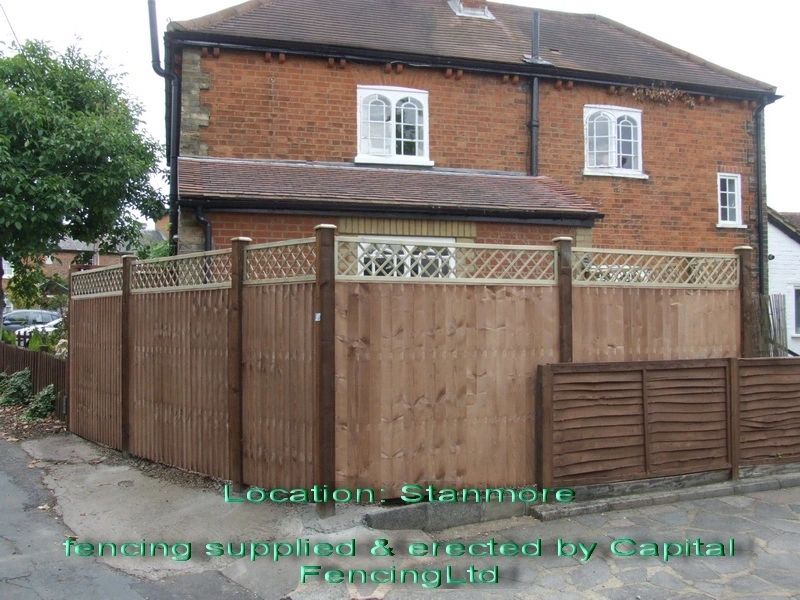
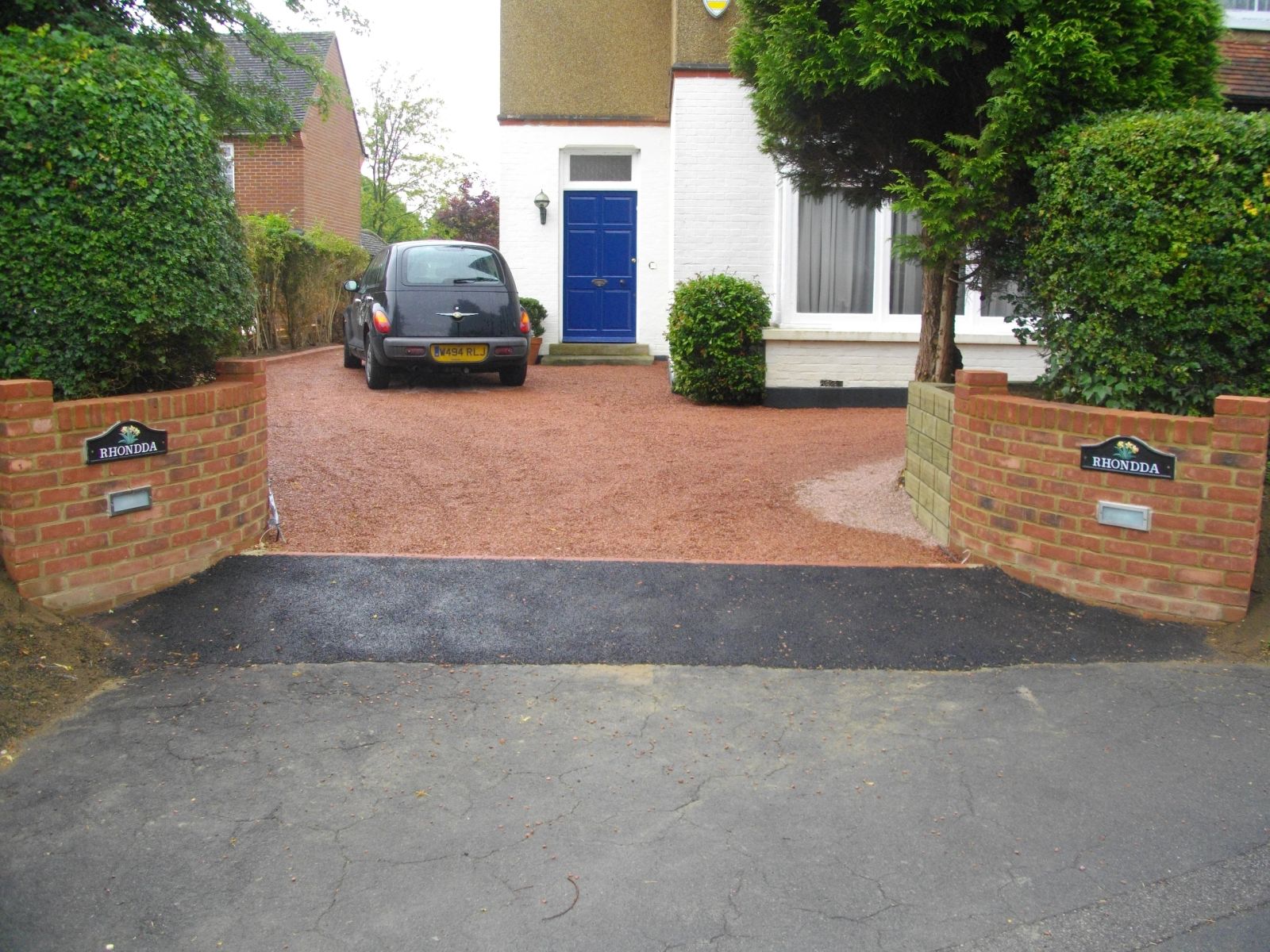
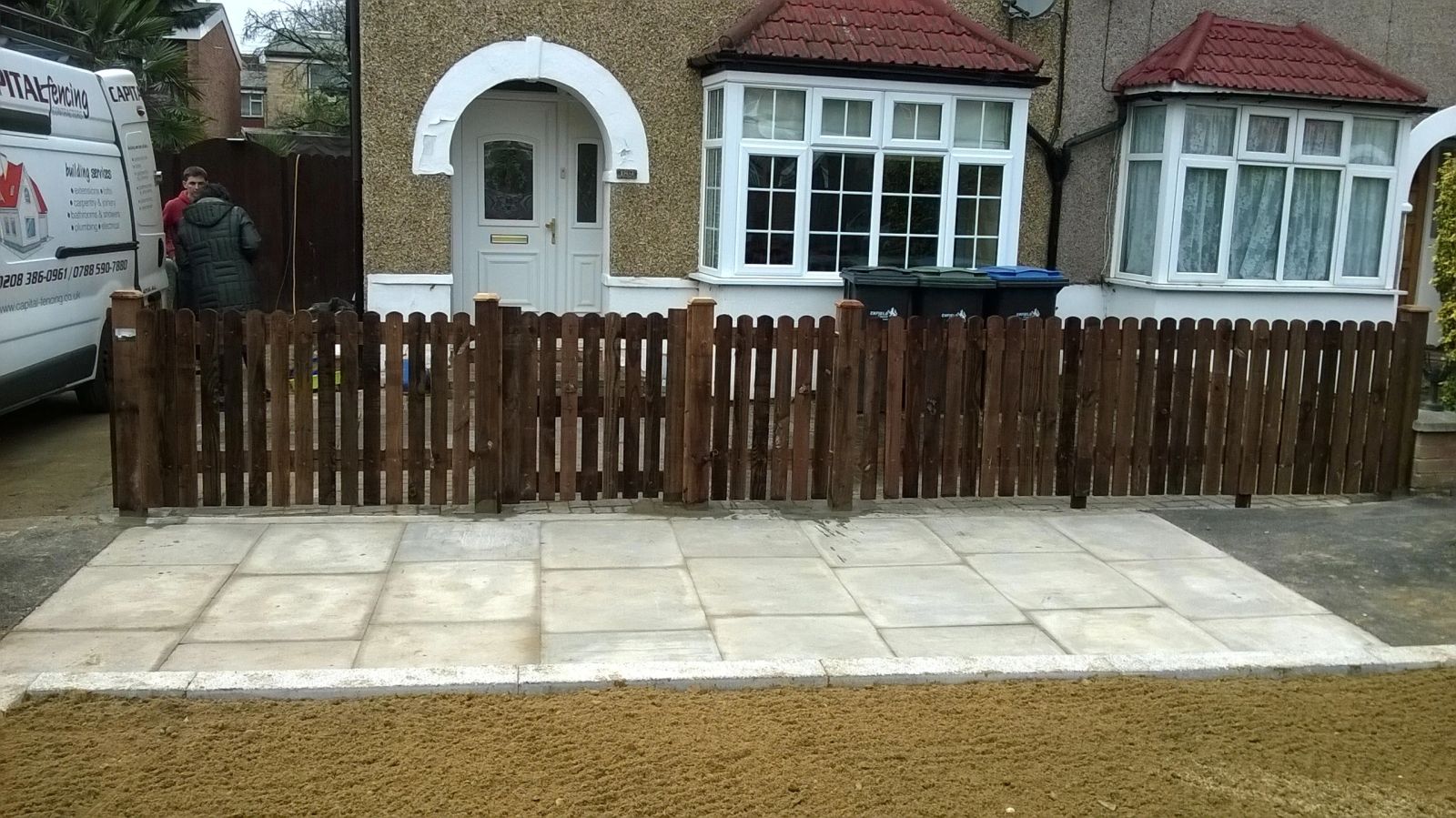
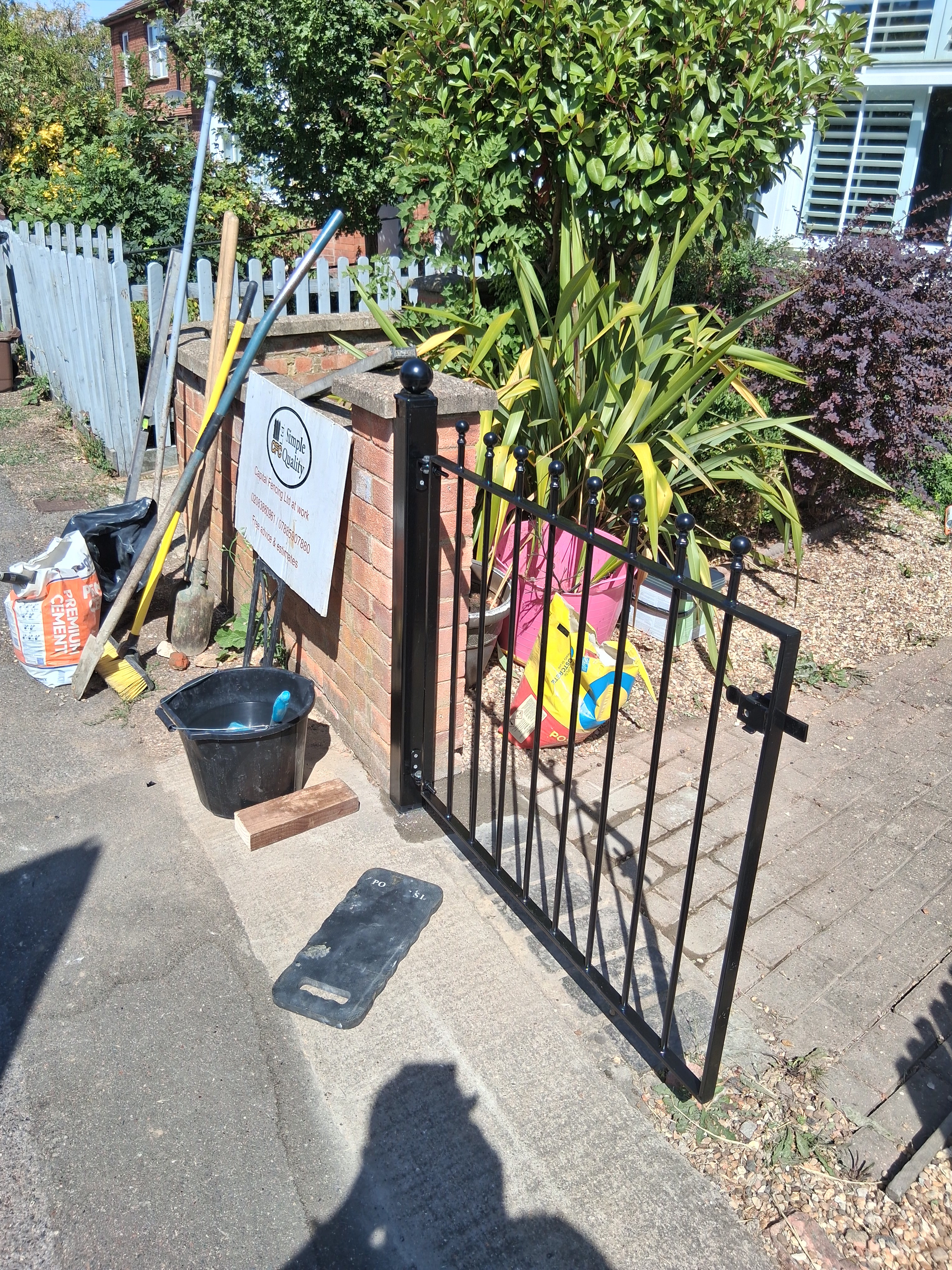
Capital Fencing project in Mill Hill East, NW7Capital Fencing project in Mill Hill East, NW7Capital Fencing project in Mill Hill East, NW7

Access is via A41 / A1, with Mill Hill East (Northern line) close by. Working carefully around artificial lawn during fencing installation: Artificial turf doesn't recover from scuffing, dropped tools or concrete splash the way real grass can regrow, so any damage to it during a fencing job is effectively permanent rather than something that fades over a season. Digging post holes at the very edge of an artificial lawn needs particular care to avoid disturbing the turf's edge trim or the compacted base beneath it, since that base is engineered to stay firm and level rather than simply being soil. Post-mix curing times: Fast-setting post-mix concrete typically reaches a workable set within 10-30 minutes, holding a post upright without props, but its full design strength isn't reached for several days afterwards, and lateral loads applied too soon can shift the post before it's cured.

Get In Touch

Get My Free Quote — 24h Response

No callout fee · Free site visit · Friendly local team covering London & Hertfordshire.

Request a Free Quote

We'll get back to you within 24 hours.

Free Site Visit No Callout Fee
Call WhatsAppQuote