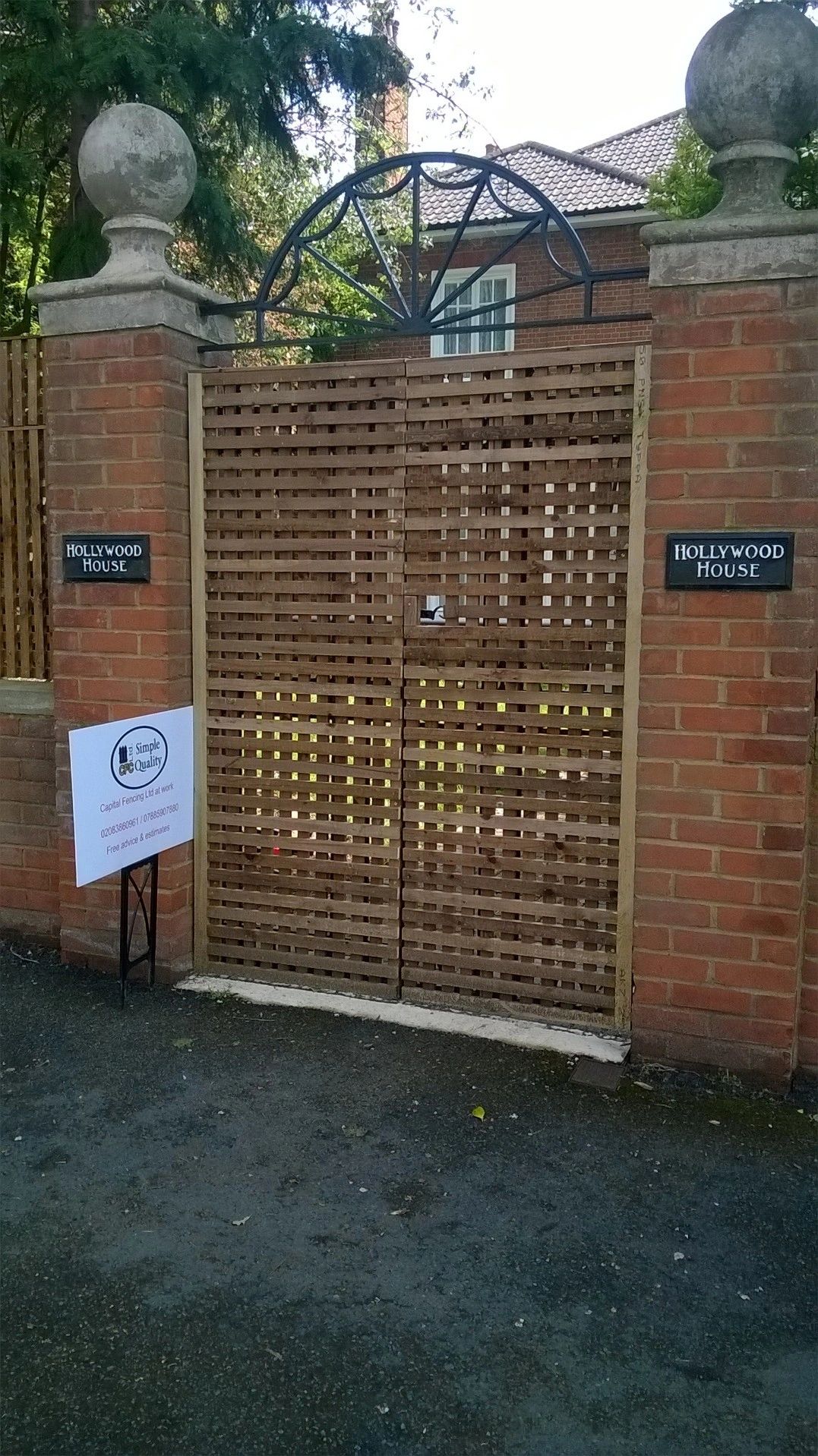
Conservation area fencing across Mill Hill — Barnet
If you're weighing conservation-area fencing for a property in Mill Hill, the first thing that matters is conservation guidance, sight-line splays and permitted-development limits — not the material choice. Once that's settled, hand-painted softwood picket is where most of our conservation-area fencing work in NW7 lands, with oak-posted estate railings as a considered alternative. Recent work on Devonshire Road and Hammers Lane. We orient jobs off Mill Hill East station. Page Street raised deck over slope. Hardwood deck with integrated steps and balustrade, levelled across 600mm fall. Garden gained ~18m² of usable flat space.
If you're weighing conservation-area fencing for a property in Mill Hill, the first thing that matters is conservation guidance, sight-line splays and permitted-development limits — not the material choice. Once that's settled, hand-painted softwood picket is where most of our conservation-area fencing work in NW7 lands, with oak-posted estate railings as a considered alternative. Recent work on Devonshire Road and Hammers Lane. We orient jobs off Mill Hill East station. Page Street raised deck over slope. Hardwood deck with integrated steps and balustrade, levelled across 600mm fall. Garden gained ~18m² of usable flat space.
Typical conservation-area fencing briefs in Mill Hill
- → estate railings on a low brick wall replacing a non-compliant close-panel installed by a previous owner
- → painted softwood picket front boundary matched to a neighbouring listed row
Why this spec, for owners in a designated conservation area or fronting a listed building — material and height rules apply
- designs matched to the immediate street rather than a generic catalogue drop-in
- material choices align with council conservation-area design guides — we've worked through most of them
- we handle the neighbour and council conversation, not just the physical work
How we build conservation-area fencing in Mill Hill
painted softwood picket, oak-post estate railings or low brick-and-rail — heights kept to 1m front / 1.8m rear per PD guidance. On Mill Hill jobs we adjust for the mill hill conservation area on the ridgeway has strict rules on materials and finishes.
Property mix locally: large detached homes on the Ridgeway, 1930s semis around the Broadway, and modern infill near Mill Hill East. Typical gardens: spacious plots — many of the Ridgeway properties have gardens deep enough for full landscaping schemes. Postcodes we regularly service: NW7.
we check the property's designation, cross-reference the local design guide, and where required prepare drawings for a Certificate of Lawfulness or planning submission.
Where conservation-area fencing isn't the right answer
- — listed buildings themselves — those need Listed Building Consent handled first
- — modern estates outside any conservation designation where standard timber panels are perfectly fine
Conservation Area Fencing FAQs — Mill Hill
How high can a front boundary be in a conservation area?
On conservation-area fencing jobs in Mill Hill (NW7), our default answer is: painted softwood picket, oak-post estate railings or low brick-and-rail — heights kept to 1m front / 1.8m rear per PD guidance. The honest trade-off is installing anything visible from a public road above 1m at the front without permission — the notice arrives inside a month — which is exactly what our default spec designs out.
Do you provide drawings for a Certificate of Lawfulness?
Across Mill Hill we spec around the mill hill conservation area on the ridgeway has strict rules on materials and finishes, so on conservation-area fencing that usually means hand-painted softwood picket. For context: material choices align with council conservation-area design guides — we've worked through most of them. We handle the council conversation as part of the job, not as an after-thought.
How long does conservation-area consent take?
Barnet coverage means we can survey most NW7 addresses inside a week — owners in a designated conservation area or fronting a listed building — material and height rules apply. For context: material choices align with council conservation-area design guides — we've worked through most of them. We handle the council conversation as part of the job, not as an after-thought.
Can I use closeboard in a conservation area?
Practically: painted softwood picket front boundary matched to a neighbouring listed row. That's the Mill Hill version of this job, not a generic one. The honest trade-off is installing anything visible from a public road above 1m at the front without permission — the notice arrives inside a month — which is exactly what our default spec designs out.
What materials are typically allowed on a period frontage?
On conservation-area fencing jobs in Mill Hill (NW7), our default answer is: painted softwood picket, oak-post estate railings or low brick-and-rail — heights kept to 1m front / 1.8m rear per PD guidance. The honest trade-off is installing anything visible from a public road above 1m at the front without permission — the notice arrives inside a month — which is exactly what our default spec designs out.
Recent conservation area fencing work
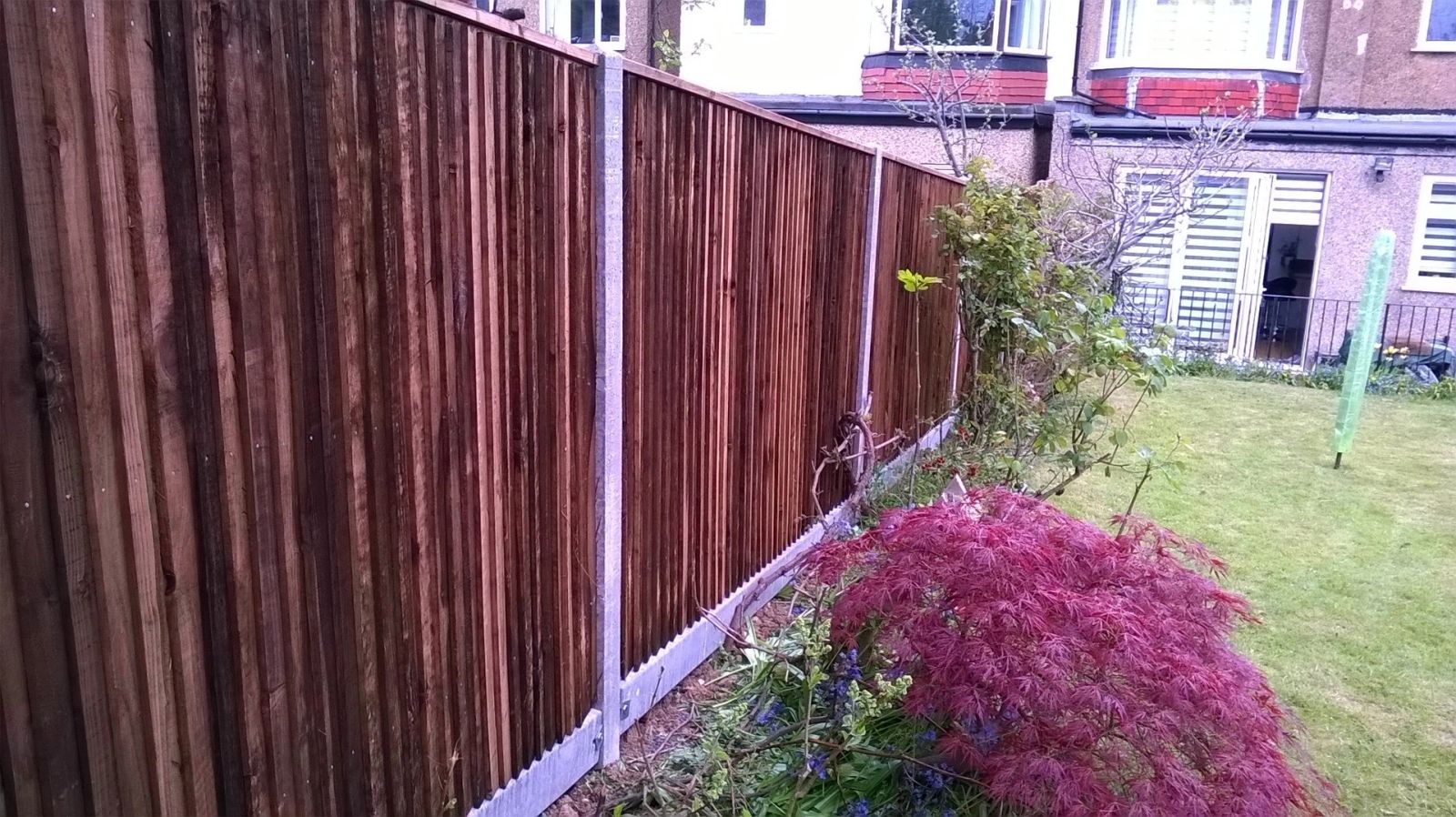
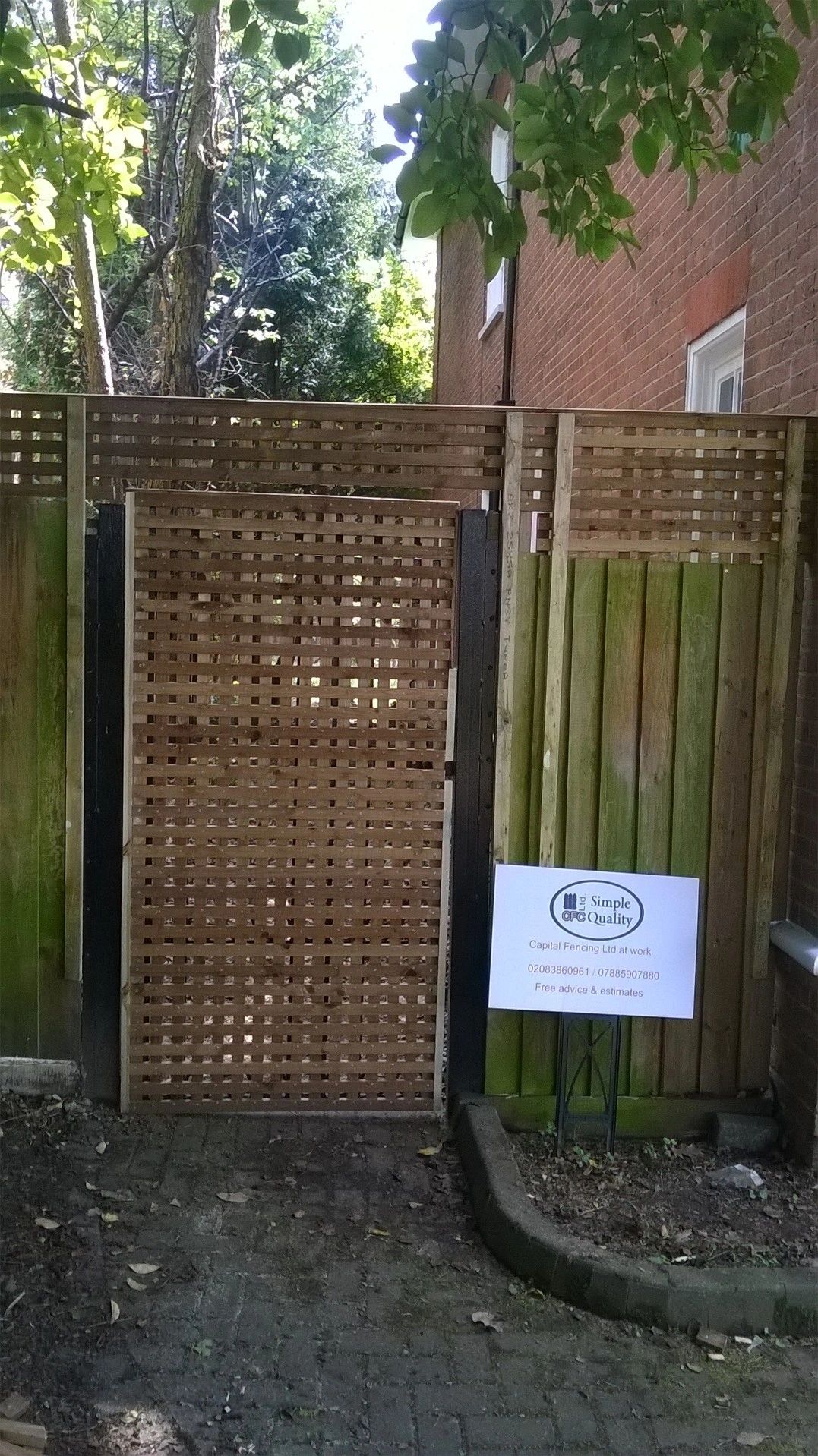
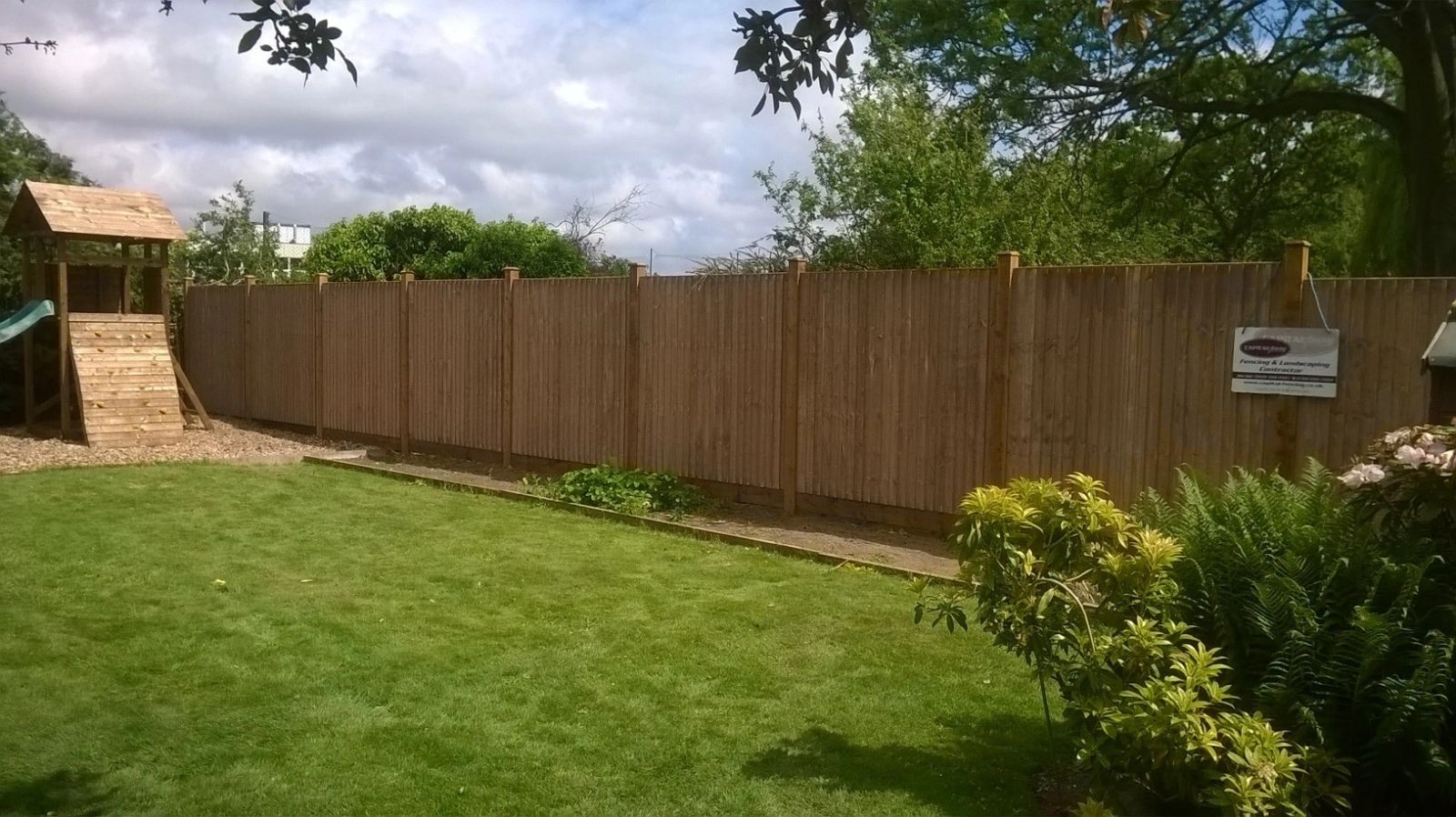
Conservation Area Fencing across NW7 is a regular run for us. We'll quote honestly, tell you if conservation-area fencing isn't the right answer for your site, and book the job in within a week or two of a signed quote. we handle the council conversation as part of the job, not as an after-thought. Recent work on Nan Clark's Lane and Milespit Hill. We orient jobs off Belmont Farm. Ridgeway-facing rear boundary, repeat wind damage. 1.8m closeboard, 100mm posts at 1.83m centres, capped rail. Replaced a 12m panel run that had blown over twice in successive storms.
Get My Free Quote — 24h Response
No callout fee · Fully insured · Friendly local team covering London & Hertfordshire.