
Composite vs Timber Fencing: Which Should You Choose?
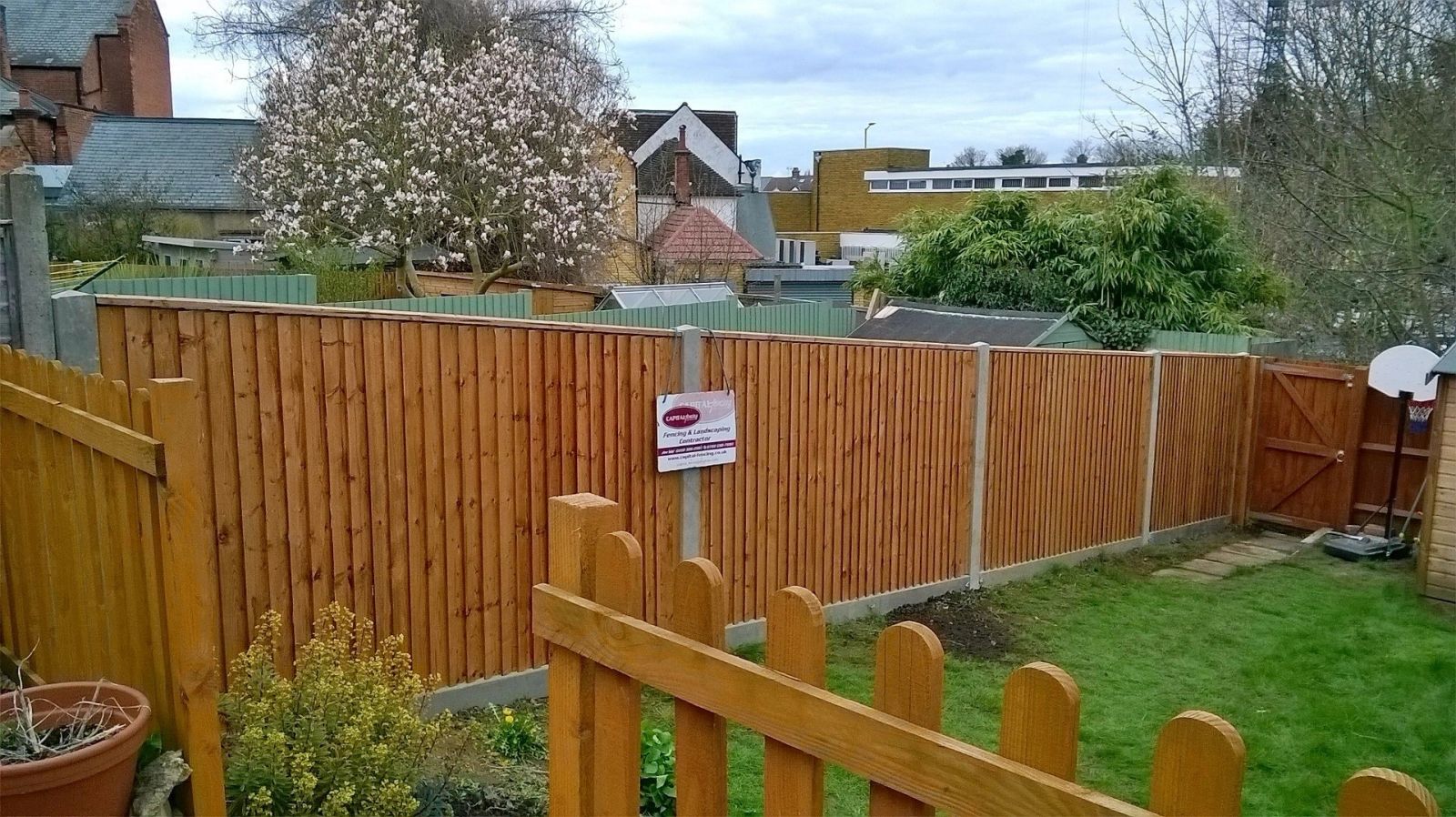
Timber is cheaper to install and easier to repair in sections; composite costs more upfront but needs far less attention over its life.
This is the question we get asked most on quote visits, usually from someone who has read conflicting things online. Both are legitimate choices — the right one depends on how long you want the fence to last untouched and what you're willing to spend now versus later.
We fit both, so this isn't a pitch for one over the other. It's what actually differs when the fence is standing in your garden five years from now.
Timber (closeboard or panel)
- Lower material and installation cost
- Damaged boards or panels are cheap and quick to replace individually
- Natural appearance that suits period and rural-feel properties
- Widely available, so like-for-like repairs are simple years later
- Needs re-treating every 1-2 years to hold its colour and slow decay
- Gravel boards and lower rails are the weak point in wet ground
- Typical lifespan is shorter unless maintained properly
Composite fencing
- No staining or treating — an occasional wash is all it needs
- Consistent colour that doesn't grey or warp like poorly maintained timber
- Boards resist rot and insect damage in the way timber cannot
- Higher upfront material cost than timber panels
- Damaged boards are replaced as a specific composite product, not off-the-shelf timber
- Fewer traditional styles — composite tends to look more contemporary
Side by side
| Timber | Composite | |
|---|---|---|
| Typical upfront cost | Lower | Higher |
| Maintenance | Re-treat every 1-2 years | Occasional wash only |
| Repairing a single damaged board | Cheap, widely available | Product-specific replacement |
| Appearance | Natural, weathers over time | Consistent, doesn't grey |
| Best suited to | Period gardens, tight budgets | Low-maintenance, modern gardens |
Which should you choose?
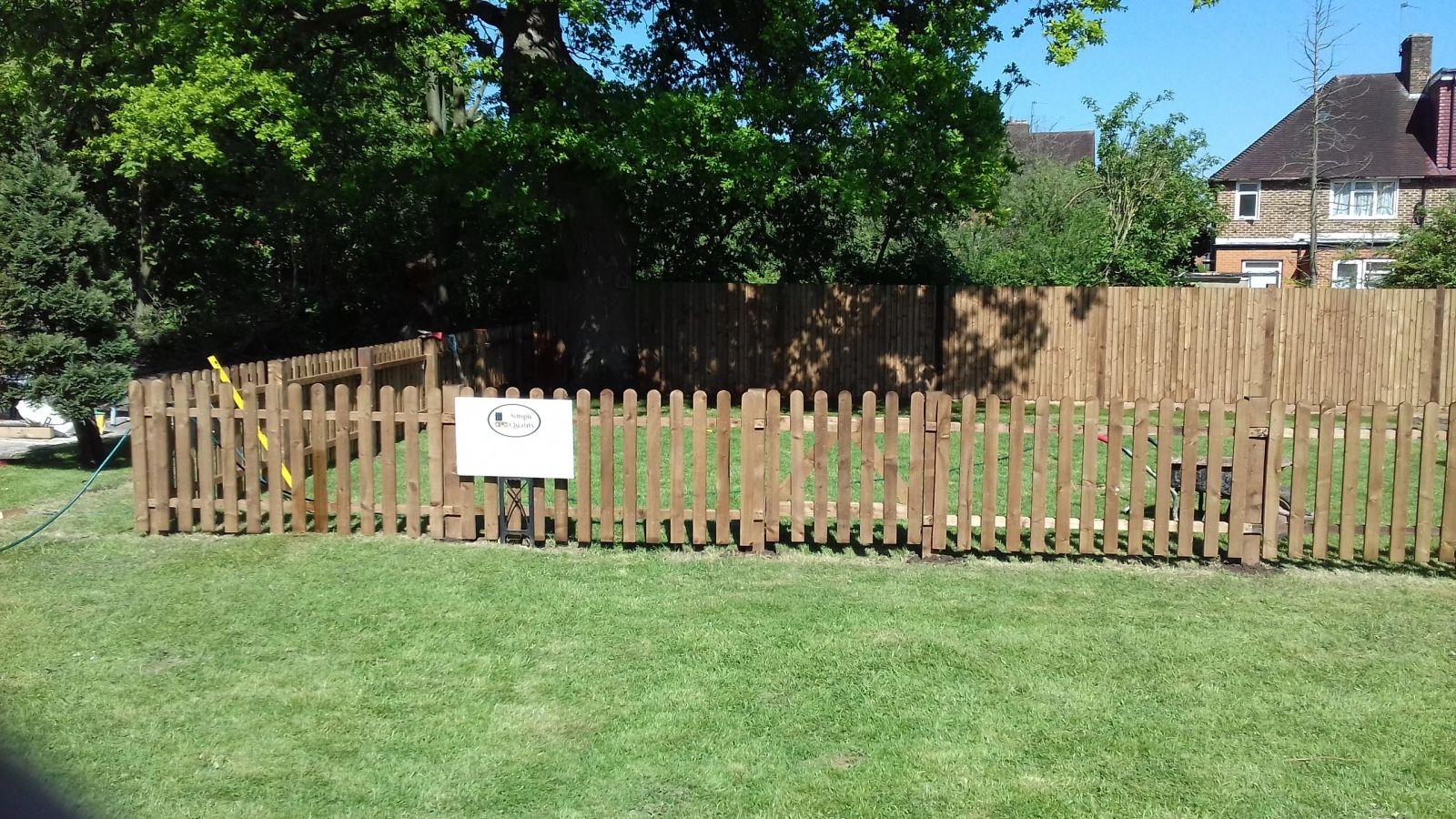
If you're pricing a boundary now and won't mind treating it every year or two, timber closeboard is a sound, cost-effective choice and remains what most gardens in our coverage area use.
If the fence is somewhere you can't easily get to with a brush and sprayer, or you've owned a timber fence before and are tired of the upkeep, composite earns its higher price back in time not spent maintaining it.
Timber wins on upfront cost and repairability; composite wins on long-term low maintenance. Neither is the wrong answer — it comes down to your maintenance appetite.
Frequently asked
Does composite fencing last longer than timber?
In terms of resisting rot and insect damage, yes. Well-maintained timber can still last a long time, but composite doesn't depend on you keeping up the treatment schedule.
Can you mix composite boards with timber posts?
Yes — many composite systems use timber or composite posts with aluminium reinforcement; we'll confirm compatibility on your site visit.
Is composite fencing more expensive to repair?
A single board replacement costs more than a timber equivalent because it's a specific product, but it's needed far less often.
Which looks more natural?
Timber, particularly closeboard, still reads as more traditional. Composite has closed the gap in texture and colour but remains a distinct look.