
Mill Hill, NW7
Mill Hill Fence Repairs
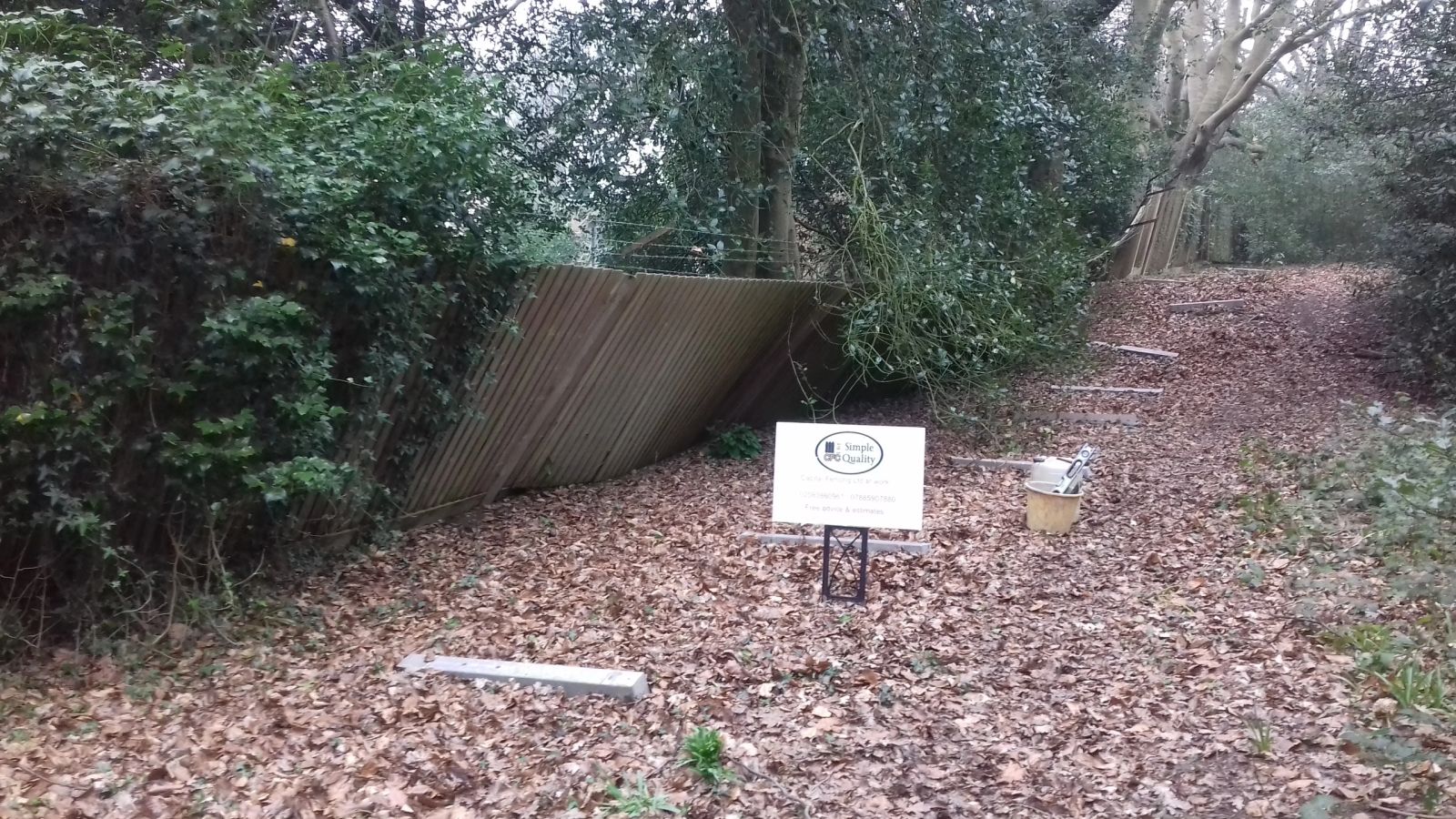
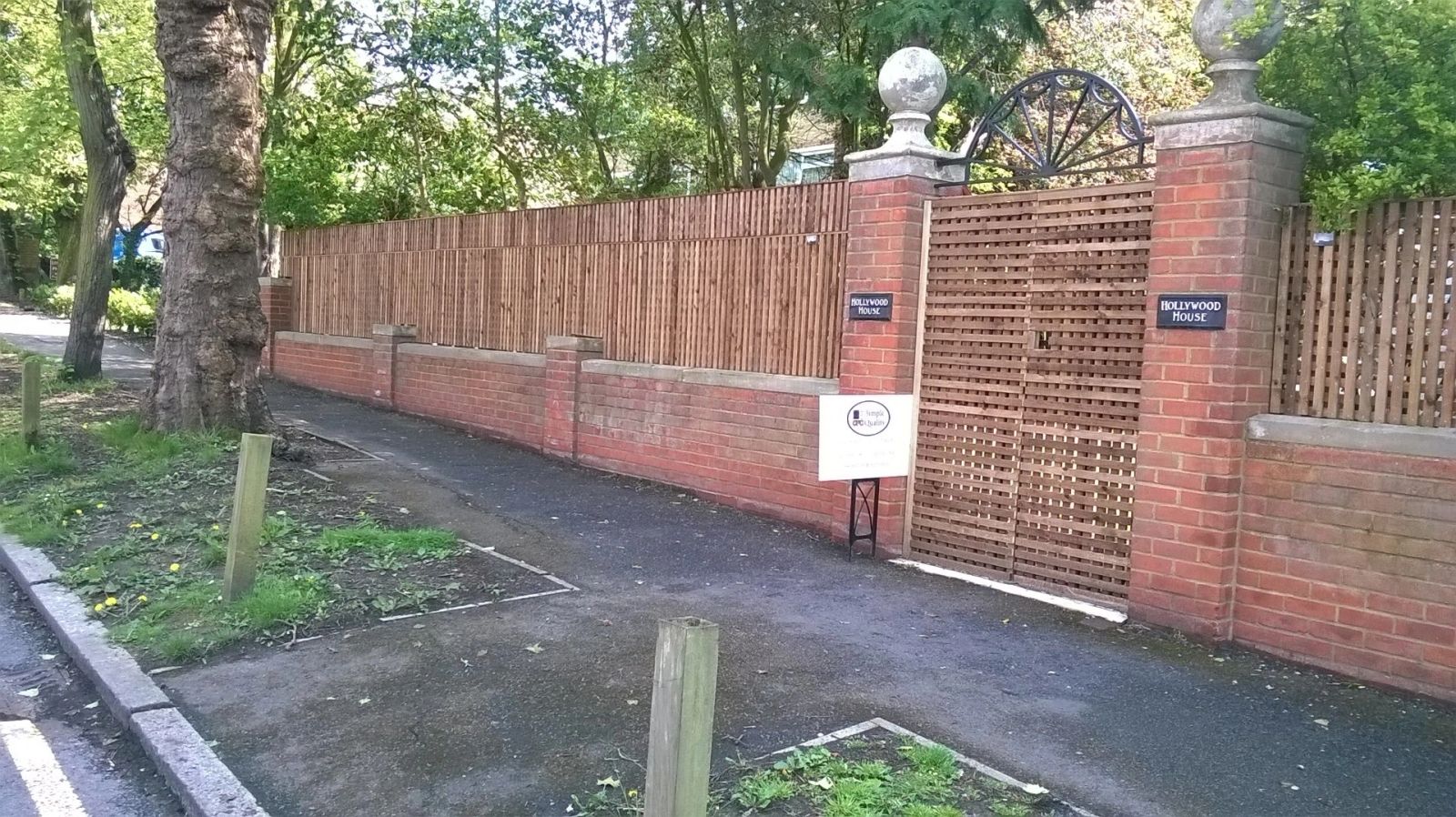
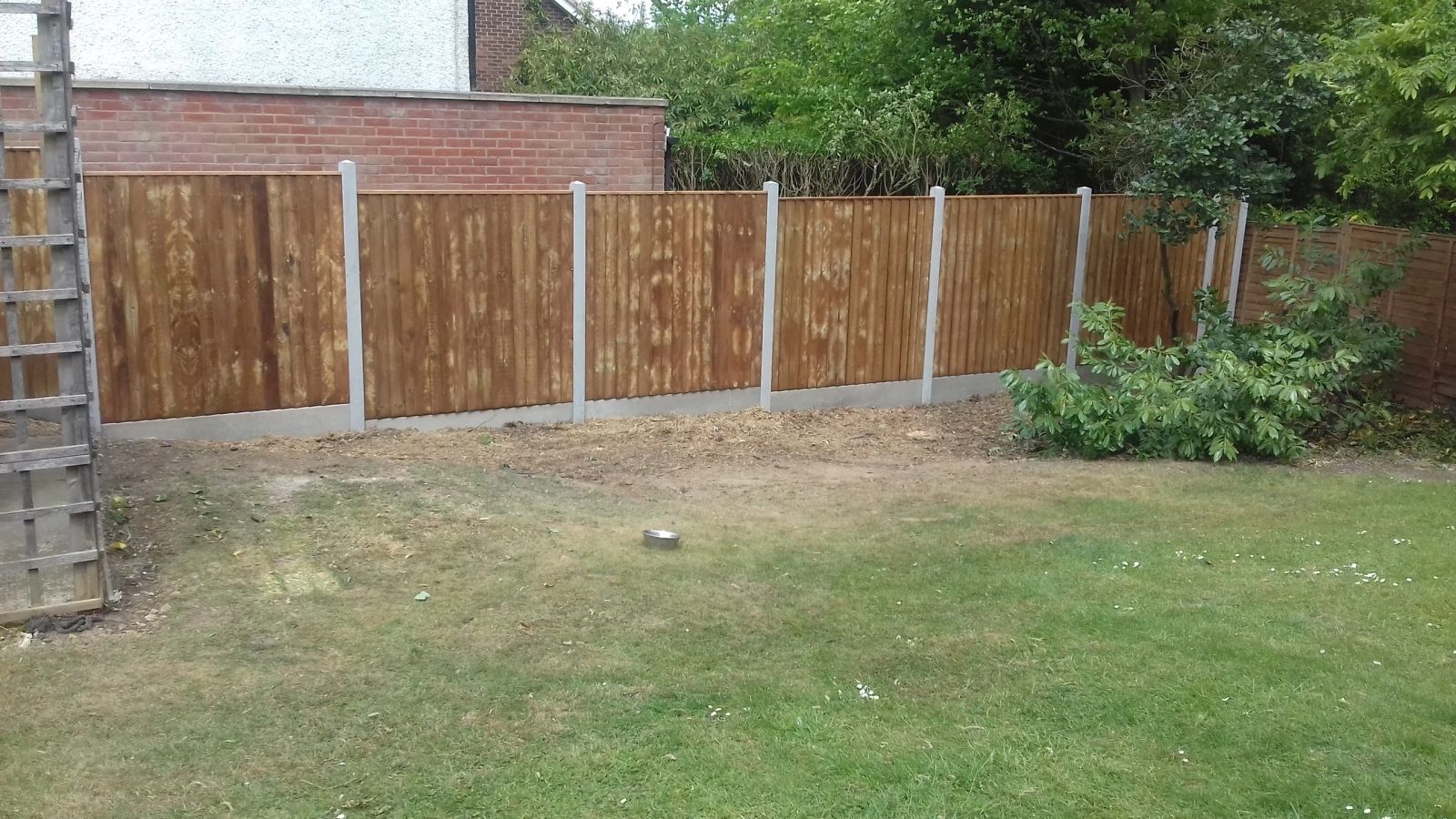
Most fence repairs are one of four jobs — a post, a panel, a gravel board or a full spurred run — and knowing which one you actually need is what keeps the bill down.
Call 07885907880Fence Repairs in Mill Hill usually comes down to one thing first: dog damage and low-level reinforcement. Repeated pushing, chewing or digging by a dog tends to damage the lowest section of a fence first, since that's the section within reach and the section closest to any dug-out gap at ground level. Devonshire Road, Milespit Hill Mill Hill East station The newer estates around Mill Hill East were built over shallower topsoil above clay, typical of the area's underlying geology. Nan Clark's Lane borders the Totteridge Valley green belt, where development and boundary changes are restricted by planning policy.
Multiple neighbours affected?
We can coordinate a shared boundary repair across several gardens in one visit. Covering Mill Hill and the surrounding streets.
Ask about a shared repairFree, no-obligation site visit for Mill Hill and the surrounding area — written quote, no pressure.
Dog damage and low-level reinforcement
Repeated pushing, chewing or digging by a dog tends to damage the lowest section of a fence first, since that's the section within reach and the section closest to any dug-out gap at ground level.
Reinforcing the repaired section with a mesh liner or a kickboard behind the lower boards addresses the recurring cause rather than just replacing the damaged timber.
Re-securing wire fencing where staples have popped
Fencing wire under tension gradually works staples out of a timber post as the timber itself shrinks and swells with the seasons, and once enough staples along a run have popped the wire starts to sag between posts.
Repair means re-tensioning the wire with a strainer before re-stapling, since driving new staples into a slack wire only delays the same sagging rather than fixing it.
Fox digging and mesh skirts
Foxes commonly dig at the base of a fence line where the ground is soft, undermining a gravel board or creating a gap large enough to pass through underneath an otherwise intact fence.
A buried mesh skirt fitted along the base at repair time, angled outward below ground, is a more durable fix than repeatedly backfilling the same dug-out gap.
Repairing a post damaged by a worn drop bolt receiver
A drop bolt on a double gate is driven into a socket set in the ground or in an adjoining post, and repeated slamming or a poorly aligned bolt can gradually damage the timber or crack the concrete around that socket.
Repair usually involves a new or repositioned socket set into sound material rather than simply refitting the same worn receiver, since a loose socket lets the bolt rattle and wear further even after the immediate damage is patched.
Repairing a spot damaged repeatedly by a dog
A dog that digs at the base of a fence or chews at exposed board edges tends to concentrate damage at one recurring spot rather than spreading it along the whole run, which makes a localised repair — a buried mesh skirt, a metal kick-plate — more effective than a general fence upgrade.
Addressing the underlying cause, such as blocking the specific gap the dog is trying to reach through, matters as much as the physical repair, since a repaired section without that change is often damaged again in the same place.
Handling older timber treated with preservatives no longer in use
Timber treated with older preservative formulations that have since been withdrawn or restricted can still be present in fences installed some years ago, and cutting or sanding that timber during a repair can release different residues than modern treated timber would.
Where a fence is old enough that its original treatment is uncertain, working with good ventilation, gloves and dust control, and disposing of offcuts as general waste rather than burning them, is the sensible default.
Why this comes up in Mill Hill
Within reach of Mill Hill Broadway (Thameslink) / Mill Hill East (Northern line), Mill Hill's large detached homes on the ridgeway, 1930s semis around the broadway, and modern infill near mill hill east throw up a fairly consistent brief: foxes commonly dig at the base of a fence line where the ground is soft, undermining a gravel board or creating a gap large enough to pass through underneath an otherwise intact fence. Mill Hill falls under Barnet Council, in the NW7 postcode area, neighbouring edgware.
Common questions
How do you handle a repair on a shared boundary?
We recommend confirming ownership and notifying the neighbour in writing before starting, particularly where the repair changes the fence's height or spec. Milespit Hill, Hammers Lane Totteridge Valley footpath The former Mill Hill Barracks site off Milespit Hill was redeveloped for housing, and the area's military history is well documented.
Why does the gravel board rot before the rest of the fence?
It sits closest to ground level and takes the most soil contact and splashback, so it's usually the first timber component to fail.
How do you decide between a post reset and a spur repair?
By probing the timber at ground level — if rot hasn't reached above where a spur would bolt on, a spur is usually enough; if it has, the post needs replacing. The former Mill Hill Barracks site off Milespit Hill was redeveloped for housing, and the area's military history is well documented.
Will you check the rest of the boundary during a repair call-out?
Yes — a post that's been leaned on by a falling neighbour during a storm is often compromised even if it's still standing, so we check adjacent bays too.
What happens if the original panel style is no longer available?
The closest equivalent height and style is used, and any mismatch is pointed out honestly rather than presented as an exact match.
Is new timber fitted into an old run always a perfect colour match?
Not immediately — new timber weathers at a different rate to older boards for the first year or two before it settles down to a similar tone.
Can a bowed fence panel be straightened rather than replaced?
A mild bow can sometimes be braced from behind, but a panel bowed badly enough to have cracked its internal frame is usually more reliably replaced.
What usually causes a fence to fail first?
Gravel boards, since they take the brunt of ground moisture — they're often the first component to fail, well before the panels above show any problem.
That's the standard we hold to on every Mill Hill job — repair usually involves a new or repositioned socket set into sound material rather than simply refitting the same worn receiver, since a loose socket lets the bolt rattle and wear further even after the immediate damage is patched. Hammers Lane, Page Street Totteridge Valley footpath Nan Clark's Lane borders the Totteridge Valley green belt, where development and boundary changes are restricted by planning policy. The newer estates around Mill Hill East were built over shallower topsoil above clay, typical of the area's underlying geology.
Get My Free Quote — 24h Response
No callout fee · Free site visit · Friendly local team covering London & Hertfordshire.
Pay by debit or credit card, bank transfer or cash once the work and price are agreed. No deposit taken online.