Phasing a perimeter security upgrade
Replacing an entire perimeter in one go isn't always practical on an occupied commercial site, so work is often phased section by section, with each completed run left secure before the next section is opened up.
Phasing needs a sequence that never leaves the whole boundary compromised at once — usually working round from the least to most vulnerable elevation rather than a simple left-to-right order.
Small claims court as a route for fencing disputes
Straightforward disputes over the cost or condition of a shared boundary fence can, in principle, be pursued through the small claims track of the county court, which is designed to be accessible without needing a solicitor.
This route is generally reserved for lower-value, relatively clear-cut disagreements rather than complex boundary line disputes, which usually need more specialist legal input.
It's worth exhausting direct discussion and mediation options first, since even a successful small claim can be a slower and more stressful route than reaching agreement directly.
Realistic panel replacement frequency on an exposed plot
A standard timber panel on a sheltered suburban plot might reasonably be expected to last a decade or more before replacement; the same panel on a genuinely exposed, wind-loaded boundary can fail in structural terms — cracked rails, a bowed or blown-out panel — well inside that timeframe regardless of treatment quality.
Setting client expectations around this at quote stage, rather than after an early failure, avoids the impression that a product or installation was faulty when the real cause is unmanaged exposure.
Where budget allows, specifying for the exposure from the outset is cheaper over the fence's life than replacing a standard panel repeatedly on the same exposed run.
Higher wear on gates serving a shared driveway
A gate serving a driveway shared by more than one household sees substantially more open-close cycles than a private garden gate, which accelerates hinge and latch wear well ahead of the general maintenance interval expected for a single-household gate.
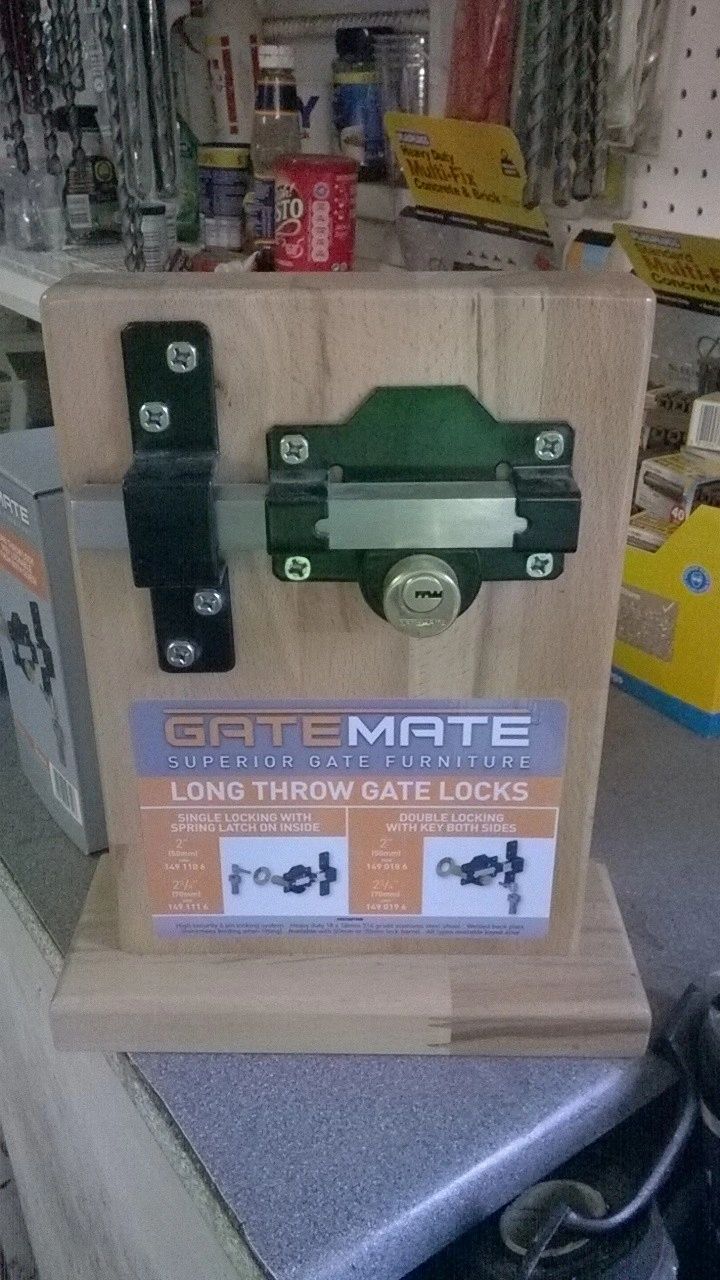
Specifying heavier-duty hinges and a latch mechanism rated for frequent use, rather than standard domestic hardware, is worth the modest extra cost on a shared-access gate given how much more it's actually used.
It's also worth agreeing maintenance responsibility for a shared gate in writing between households, since a gate serving multiple parties doesn't have the same single clear owner a private gate does.
Lifetime comparison of hedging and fencing as a boundary
A well-established hedge can outlast several generations of timber fencing with no post replacement or re-treatment cycle, but it needs regular cutting to stay within bounds and takes several years to reach an effective screening height from new planting.
A fence gives an immediate, defined boundary and predictable height but carries an ongoing maintenance and eventual replacement cost that a mature hedge doesn't.
Many gardens end up with a mixed solution — a fence for the immediate boundary definition with hedging planted alongside it to soften the appearance and eventually take over some of the screening role.
Photographic record as part of a boundary survey
A dated photographic record of the existing boundary condition, taken before work starts, protects both parties if a dispute later arises over what state a shared fence or wall was in beforehand.
This is particularly useful on a party boundary or where neighbouring property could be affected by access during the works, and costs nothing beyond the time to take and keep the photos.
Concealed versus visible fixings on heavier gates
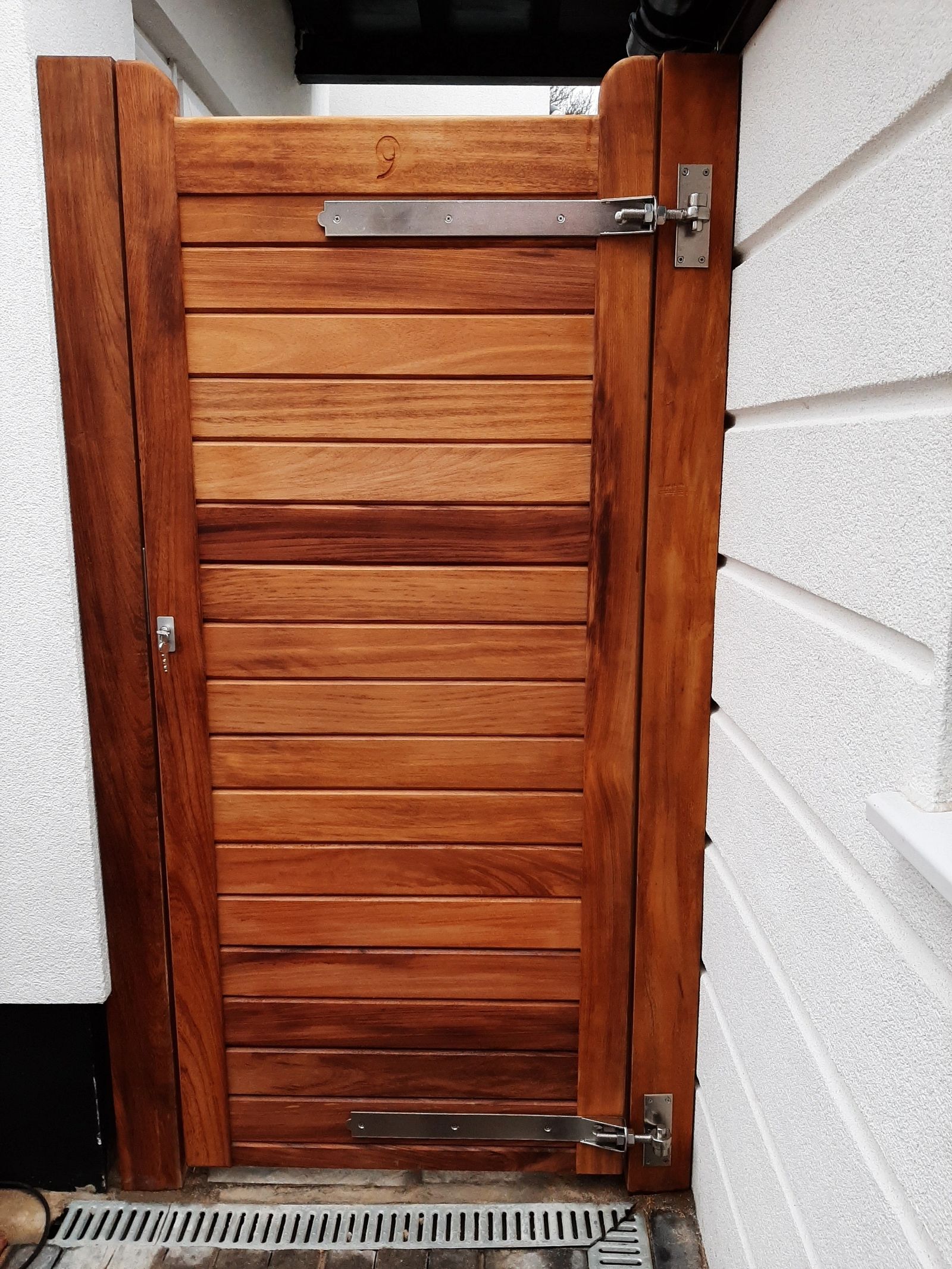
A heavier timber or metal gate can be hung with either visible surface-mounted hinges or concealed fixings recessed into the frame, and the concealed option gives a cleaner appearance but is harder to inspect and adjust once installed.
Choosing between the two is partly aesthetic and partly practical, since a gate that's likely to need periodic adjustment is often better served by accessible, visible hardware.
Shared boundary costs for an acoustic upgrade
Where an acoustic upgrade benefits both sides of a shared boundary, neighbours sometimes agree to share the practical arrangements, such as access for installation on both sides, even where only one household initiated the work.
Getting that agreement in writing before work starts, including who's responsible for which face of the finished barrier, avoids a dispute later about maintenance or appearance on the neighbour's side.
Supporting neighbouring posts while replacing a single panel
Removing one panel from an established run can momentarily remove lateral support the panel itself was providing to its neighbouring posts, particularly on an older run where posts have relied on the panels bracing each other.
Temporary bracing on the posts either side while the old panel is out and the new one is fitted avoids one of them leaning or shifting during the brief window it's unsupported.
This is more of a concern on taller or more exposed runs than on a short, sheltered garden fence, but it's a quick precaution worth taking on any repair rather than assuming the remaining structure will hold itself steady unaided.
Made ground and buried rubble
Plots built on old industrial land, demolished outbuildings or infilled yards often have a layer of brick, concrete or hardcore sitting a foot or two down rather than natural subsoil.
An auger that hits rubble at 300-400mm usually means hand-digging or breaking out that layer rather than fighting it, because a post set on top of loose fill will rock within a year regardless of how much concrete goes round it.
It's worth budgeting extra time for this on any plot with a known history of redevelopment, rather than assuming a standard dig will go to plan.
Motorcycle pass-by noise
A motorcycle, particularly one with an aftermarket exhaust, can produce a sharp acceleration noise significantly louder than a typical car at the same speed, and that noise is heavily directional, projecting rearward from the exhaust.
On a road with mixed traffic, isolated motorcycle pass-bys will remain audible above a barrier even where general traffic noise is well controlled, since a single loud event can exceed what a barrier's average attenuation covers.
Dog day-care and kennels
Commercial dog day-care and kennel boundaries need to be genuinely dig-proof and jump-proof rather than just visually enclosing, which usually means a below-ground kick board or buried mesh apron along the base as well as adequate fence height.
Licensing under the Animal Welfare (Licensing of Activities Involving Animals) Regulations sets minimum boundary standards for kennels and day-care premises, and an inspector will check fence condition as part of renewal.
Double-gated airlock entries, where an inner and outer gate can't be open at the same time, are a common feature at the perimeter to stop dogs escaping through a single opened gate.