
Rules & permissions
Moving a Garden Fence: What to Check Before You Move the Line
Last updated
The short answer
Before moving a garden fence, establish that the proposed line is correct rather than assuming the old structure marks the legal boundary. Discuss it with the neighbour and get property specific advice if the line is unclear. Then check old concrete, services, ground levels and the planning rules at the new position.
Official guidance: GOV.UK: your property boundaries; Planning Portal: fences, gates and garden walls
At a glance
- Before digging
- Establish and agree the proposed line
- Existing fence
- Not necessarily proof of the legal boundary
- Practical checks
- Old bases, drains, roots and levels
- Planning
- Assess height at the new position
Moving a fence is not just a building job. The new position must be supported by the boundary records or agreement, and the old and new post lines both need practical attention.
People consider moving a fence to square up a garden, reclaim space from an awkward angle, replace a boundary that drifted years ago or make room for a new layout. Sometimes the proposed move is only a small adjustment. Even then, it changes the line that separates two properties.
The practical work begins only after ownership and position are understood. This guide explains how to prepare, what happens to the old installation and why the existing fence is not always reliable evidence of the legal boundary.
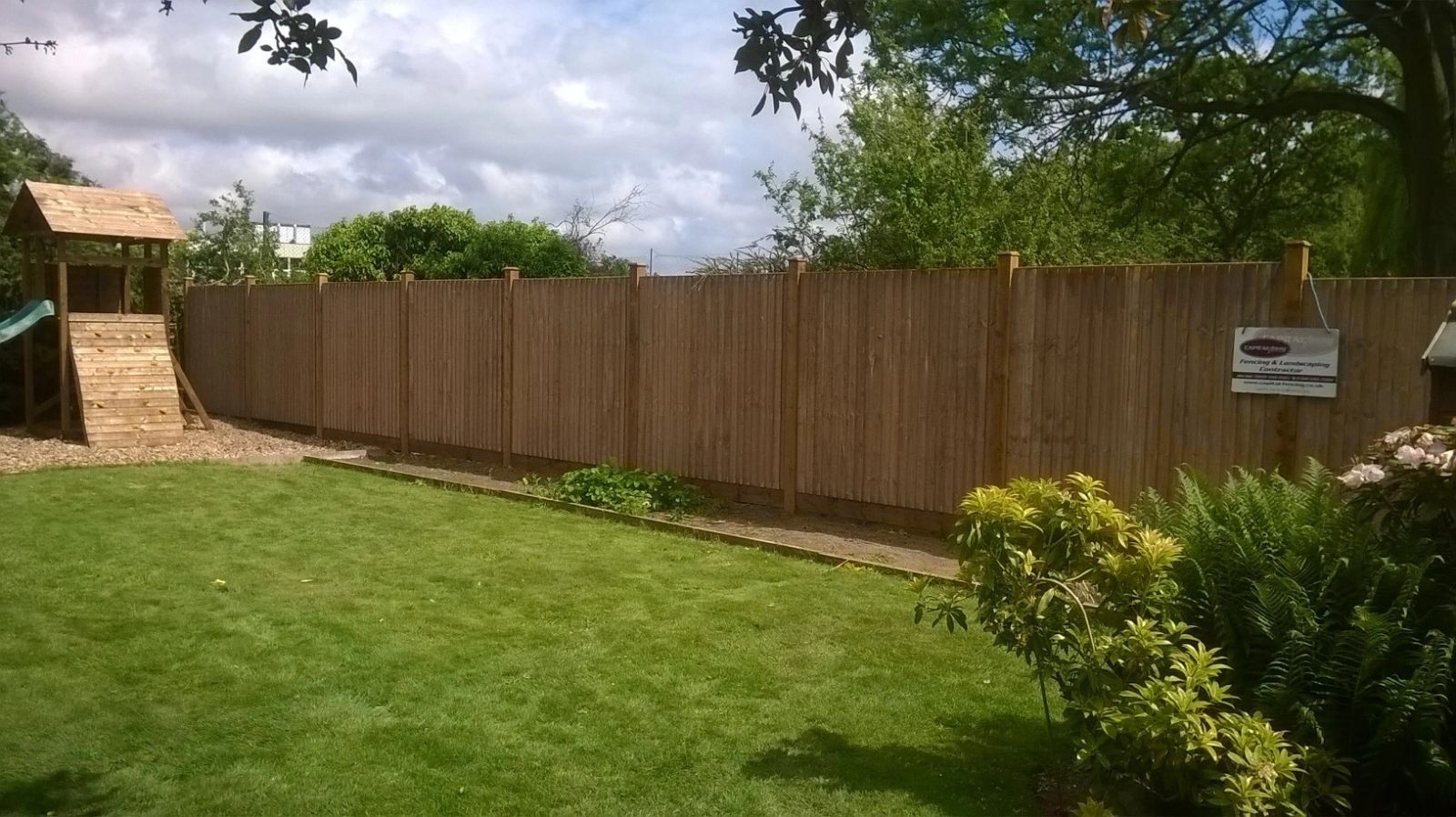
Do not assume the old fence marks the boundary
Fences are replaced for many reasons and can gradually move away from the original line. A panel set inside a neighbour's old posts, a wall removed years ago or a shed that changed the route can all leave the current structure in a different position.
Start with your title documents and any earlier photographs or plans. HM Land Registry information may help, although a small scale title plan does not normally provide a precise measured line on the ground.
Discuss the proposal before setting posts
A conversation with the neighbour should happen before old fencing is removed. Explain the reason for the move and mark the intended line clearly so everyone is discussing the same thing. Agreement about height, appearance and access can be recorded alongside the position.
Where the boundary is disputed or the documents are unclear, general guidance from GOV.UK is a starting point rather than a decision about your property. A solicitor or suitably qualified surveyor may be needed for advice on the specific line.
Moving onto your own land
Bringing a new fence wholly inside your own garden can be simpler than moving outwards, because you are not claiming additional ground. It may still affect a neighbour's plants or fixings attached to the old structure, so notice and care remain important.
The old fence does not necessarily have to come out first. In some situations a new independent run can be built inside the line before the old one is removed, keeping the garden enclosed during most of the work.
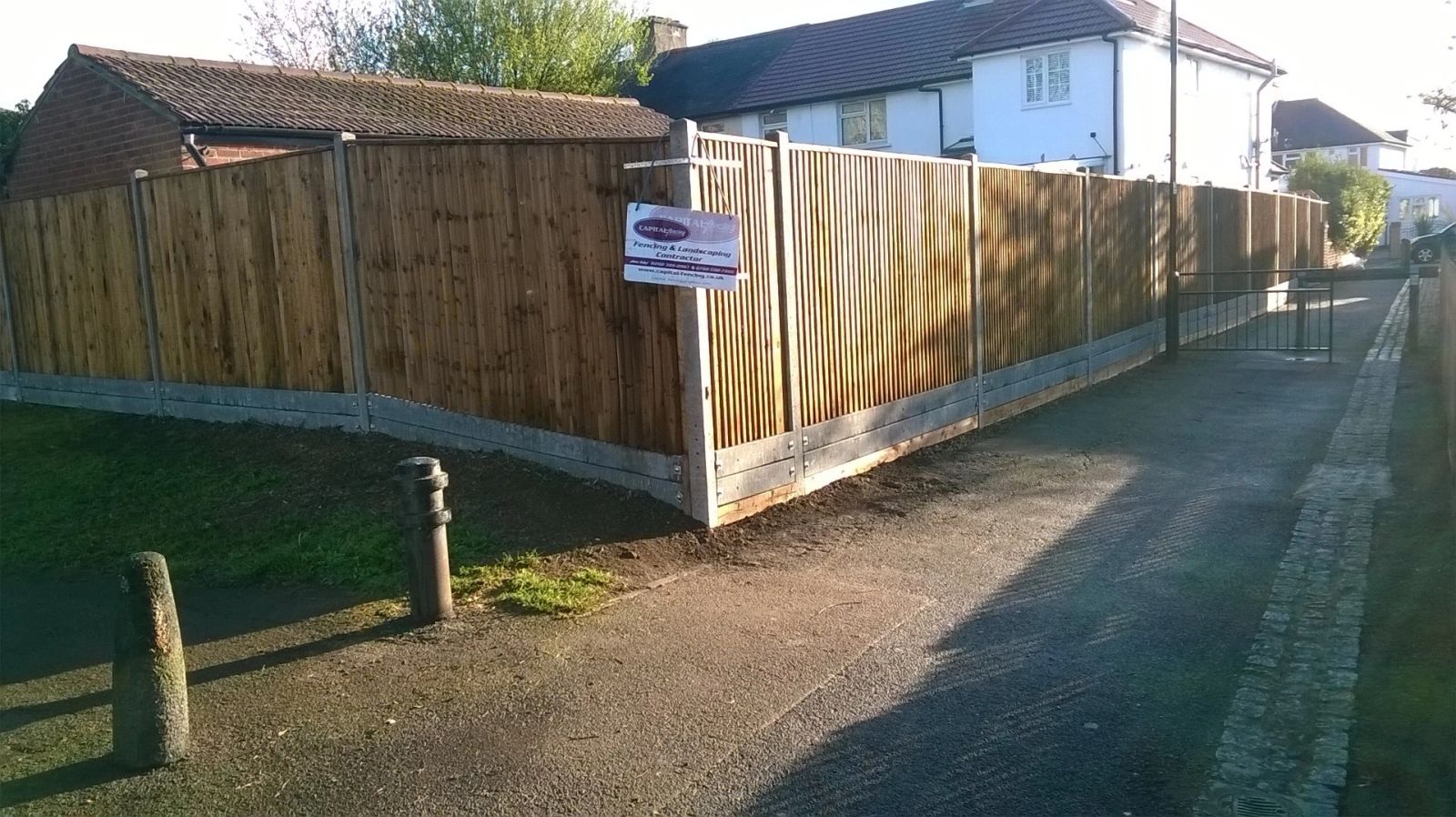
Old concrete and redundant post holes
The previous post bases may be larger below ground than they appear. Once the fence is gone, those obstructions need removing, breaking out or making safe according to the new garden layout. Simply covering loose rubble with soil can leave an uneven strip that settles later.
Old holes on the new line can also be a problem. Loose backfill does not provide the same support as undisturbed ground, so the position and preparation of each replacement base need individual attention.
Services, roots and drainage on the new line
A different route can cross drains, cables, roots or irrigation that the old fence avoided. Visible covers and inspection points offer clues, but they do not show everything below ground. We plan post positions around known obstacles and adjust the fence construction where access must be retained.
Moving the line can also alter how water flows along the boundary. The new base should not create a dam across a low point or leave soil piled against boards that were intended to sit clear of the ground.
Height is judged at the new position
Planning height is not inherited automatically from the old fence. Ground levels may change along the proposed route, and a different relationship to a road or footpath can matter. The general permitted development rules are explained by the Planning Portal, with local restrictions and property specific conditions checked through the council.
A move closer to a public route deserves particular care. Keeping the same panels does not guarantee that the same overall height is appropriate in the new location.
Access while the boundary is open
Relocating a fence can leave a garden open between removal and completion, especially where bases must set before panels go in. Plan for children, pets and anything normally kept behind the boundary. Neighbours need to know how long their side may be affected too.
- Agree where materials and waste will be placed
- Protect plants on both sides of the proposed route
- Keep drains and shared access clear
- Arrange temporary containment where it is needed
What we need for a useful estimate
Provide photographs along the existing fence and the proposed route, with rough measurements and a simple marked plan. Tell us what has already been agreed with the neighbour and point out any drains, trees or changes in level.
We can then assess the construction and access involved. Our quote covers the fencing work, while any unresolved question about the legal boundary should be settled before the installation date rather than left for the team to interpret on site.
Frequently asked
Can I move my fence onto my neighbour's land?
Not without the appropriate agreement and a clear understanding of the boundary. If the line is disputed or unclear, get property specific advice before any work begins.
Can I put a new fence inside my existing boundary?
Often yes, provided it stays on your land and meets the relevant planning rules. The old fence and the neighbour's plants or fixings still need consideration.
Does a Land Registry plan give an exact fence position?
Usually not at the precision needed to set individual posts. It is useful evidence, but unclear or disputed boundaries can require further documents or professional advice.
Can the old post bases stay in the ground?
Sometimes they can remain where they do not obstruct the new line or finished garden. Loose, exposed or conflicting bases usually need removing or dealing with as part of the work.
Got the new line agreed?
Once the boundary position is settled, send a marked photo and rough measurements so we can price the removal and new fence route.