
Care & longevity
Splintering Decking: Sand, Seal or Replace the Boards?
Last updated
The short answer
Shallow splinters on firm timber can sometimes be sanded and refinished, while soft, deeply split or crumbling boards need replacement. Aggressive pressure washing and repeated weathering can raise fibres. Check board ends, fixings and the frame before sanding, because surface work cannot repair decay or weak support.
At a glance
- May sand
- Shallow fibres on sound, secure timber
- Replace
- Soft, deeply split or crumbling boards
- Common cause
- Weathering or an aggressive pressure jet
- Check too
- Fixings, board ends and joists
Light surface splinters on sound timber can sometimes be sanded and finished. Deep splits, soft areas or widespread damage call for board repairs instead.
A deck that was once comfortable under bare feet can gradually develop raised fibres and small splinters. Weathering is often part of it, but aggressive cleaning, trapped moisture and decay can produce a similar surface with very different underlying causes.
Sanding everything is not automatically the answer. This guide explains how to judge the board before removing timber, what a local repair involves and how to reduce the chance of the surface roughening again.
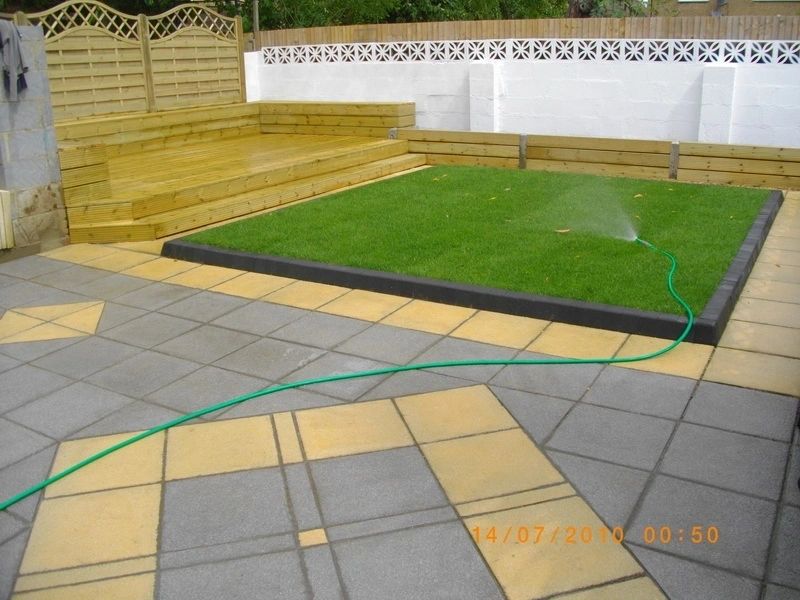
Separate raised fibres from rotten timber
Weathered softwood can develop dry, raised fibres on a surface that remains structurally firm underneath. Rot feels different: the timber may be soft, crumbly or spongy, particularly near board ends, fixings and damp edges.
Press and probe suspect areas carefully without creating unnecessary damage. If a tool sinks easily into the board, sanding the top will not restore its strength.
Why pressure washing can leave splinters
A strong jet can tear the softer early wood between bands of harder grain, leaving a ridged and fibrous surface. The damage may be most obvious where the nozzle was held close or passed slowly over one spot.
Once that texture has been created, gentler cleaning should replace the method that caused it. Further high pressure work tends to raise more fibres rather than return the board to its original finish.
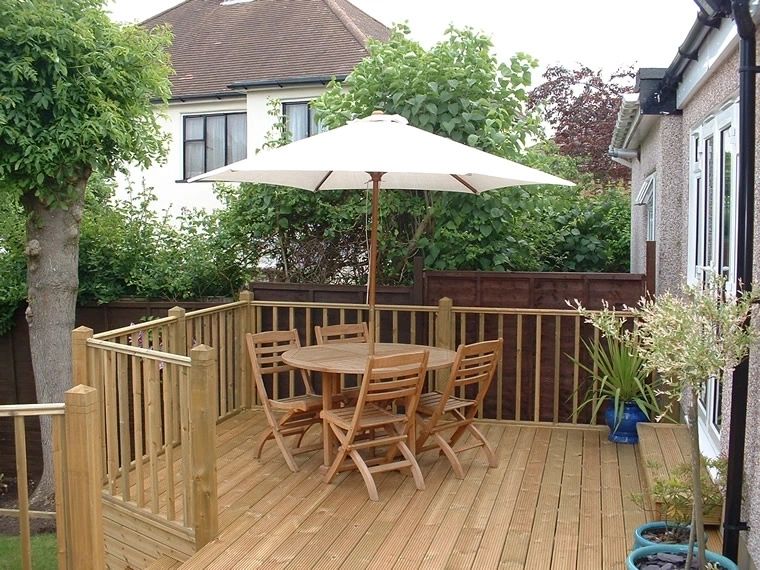
Sun, rain and normal weathering
Repeated wetting and drying makes timber move and can open small surface checks. Sunlight also changes the exposed surface over time. These processes do not affect every board equally, so a sunny edge and a shaded step may need different treatment.
A suitable maintained finish can help manage surface weathering, but it cannot turn an already rotten board back into sound timber.
When sanding is reasonable
Sanding may help where splinters are shallow and the board remains thick, firm and securely fixed. Work with the grain and remove only enough to make the surface safe and comfortable. Protect surrounding materials and clean away the resulting dust.
Deep grooves left by previous damage should not be sanded away without considering how much board thickness would be lost. The goal is a sound walking surface, not making new timber from an old deck.
Fixings and splinters near the edges
Raised screws and old nail points can catch feet alongside timber splinters. Boards may also split around fixings if they have moved or if fixings sit too close to an end. Refastening into solid timber can stabilise a minor problem.
Where the end or edge is badly split, simply driving in another screw can make it worse. A trimmed section, replacement board or changed fixing position may be needed.
Replacing individual boards
A local replacement makes sense when a handful of boards are deeply split or rotten and the frame below is sound. The joists and fixings should be inspected while the board is up, because new timber over a failing support will inherit the old problem.
New boards will differ in colour from weathered neighbours. That variation usually becomes less stark as the surface weathers, but an immediately invisible repair should not be promised.
Reducing future splintering
Keep the deck clean with methods suited to its material, and avoid abrasive jets on softwood. Maintain an appropriate finish on clean, dry timber and deal with loose boards before movement opens further splits.
- Clear wet leaves from board ends and steps
- Use furniture feet that do not gouge the surface
- Check raised fixings during routine cleaning
- Keep soil and standing water away from the frame
- Replace soft boards rather than coating over them
When the whole deck needs assessing
If splintering comes with bounce, widespread softness or movement at balustrades, the issue goes beyond the walking surface. The frame and supports need inspection before the deck is treated as a simple sanding job.
Steps deserve particular attention because feet land on the same edges repeatedly. A rough tread can be a greater immediate concern than a larger area of light weathering elsewhere, so tell us exactly where the worst splinters are.
Send photographs of the affected boards in daylight, including close views of ends and fixings, plus a wider shot of the deck. We can then indicate whether local board work looks plausible and what needs checking at a visit.
Frequently asked
Can splintering decking be sanded?
Yes, if the timber is structurally sound and the splinters are shallow. Deep splits, decay and excessive previous damage need a different repair.
Does sealing stop decking splintering?
A suitable finish can help protect a sound, prepared surface from weathering. It cannot repair rotten timber or securely join a badly split board.
Why did my deck splinter after pressure washing?
The jet may have torn softer fibres and raised the grain. Stop using the same aggressive method and assess whether careful sanding is enough to restore the surface.
Can I replace just the splintered boards?
Usually, if the frame and surrounding boards are sound. The supports should be checked before new boards are fitted.
Deck no longer kind to bare feet?
Show us the rough surface and any split ends. We will say whether sanding, local board replacement or a closer frame check is needed.