
Costs & pricing
What Affects the Price of Turf and Turfing?
Last updated
The short answer
The cost of a new turfed lawn depends on its size and shape, the grade of turf, how much clearing and waste removal is needed, the state of the soil and levels, access to the garden and the edging. Preparation usually costs more than the turf rolls themselves.
At a glance
- Biggest variable
- Clearing and preparing the ground
- Also affects price
- Turf grade, access, edging
- Compare
- What each quote includes
- Our pricing
- Written quote after a visit
The cost of a new lawn depends far more on clearing and preparing the ground than on the turf itself. Size, access and waste removal make up the rest.
Turf prices quoted online usually mean the cost of the rolls alone. A laid lawn includes much more: removing what is there, preparing the soil, levelling, laying, edging and taking away the waste.
We do not publish set prices, because every garden starts in a different condition. This guide explains what changes the cost of a turfing job so you can compare quotes on a like for like basis.
The size of the lawn
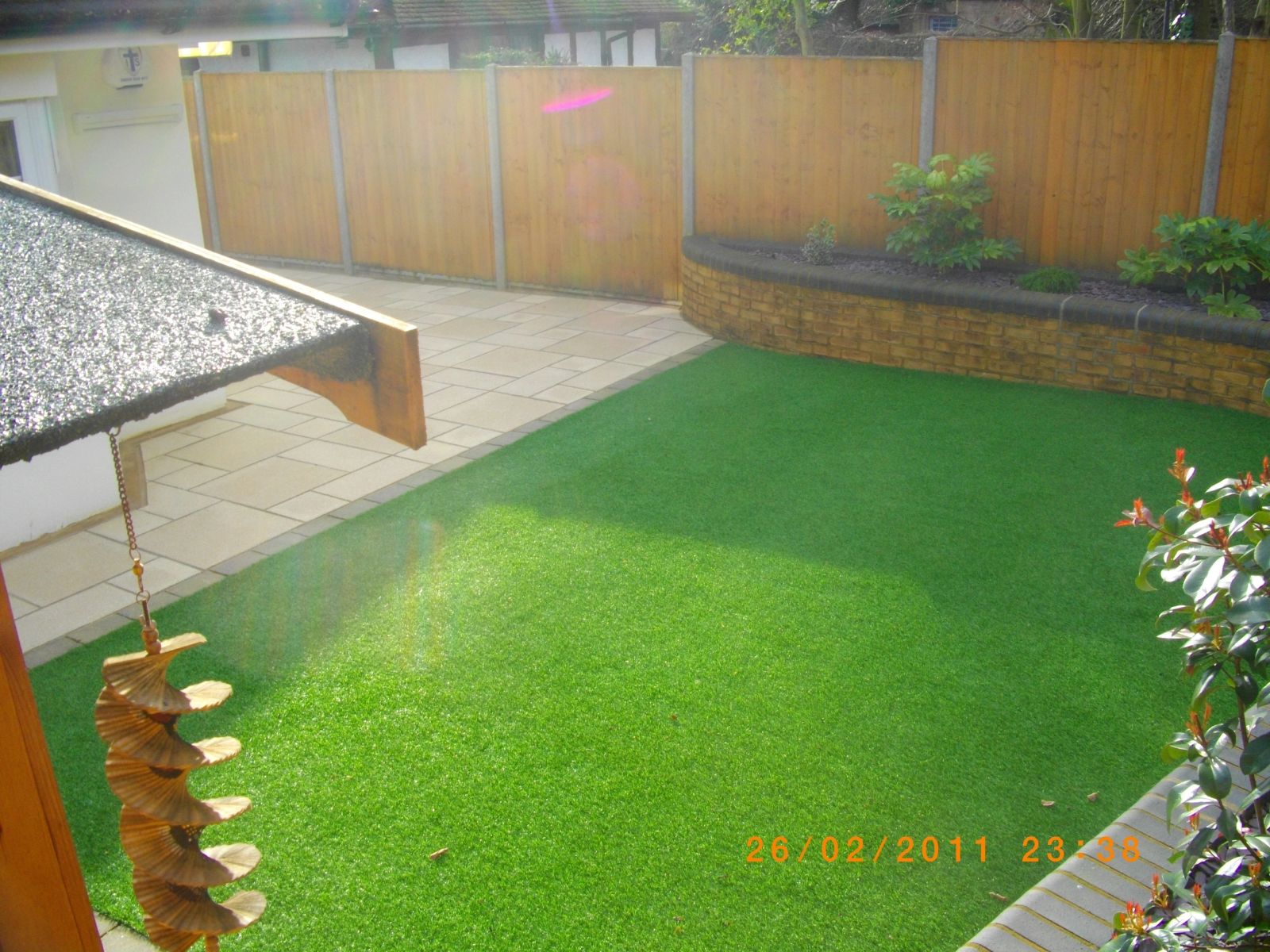
Area is the starting point, but shape matters too. A simple rectangle is quicker to lay and edge than a lawn with curves, beds and obstacles to cut around.
Very small areas still carry fixed costs such as delivery and getting tools and a team on site.
Measuring the length and width at a few points, and noting any beds or paths inside the area, gives a much more accurate starting figure for a quote than a single estimate of the whole garden.
The grade of turf
Turf comes in different grades, from hard wearing family mixes to finer ornamental lawns. Some suit shade better than others. The grade affects both the price of the rolls and how the lawn will cope with your use.
Artificial grass is a separate choice with its own range of products and a very different base.
Clearing the existing ground
Lifting an old lawn, removing weeds and stones, and clearing rubble from previous building work can take longer than laying the turf. Overgrown or neglected gardens take the most clearing.
Waste has to go somewhere, so the amount removed affects skip or disposal costs.
Soil and levelling
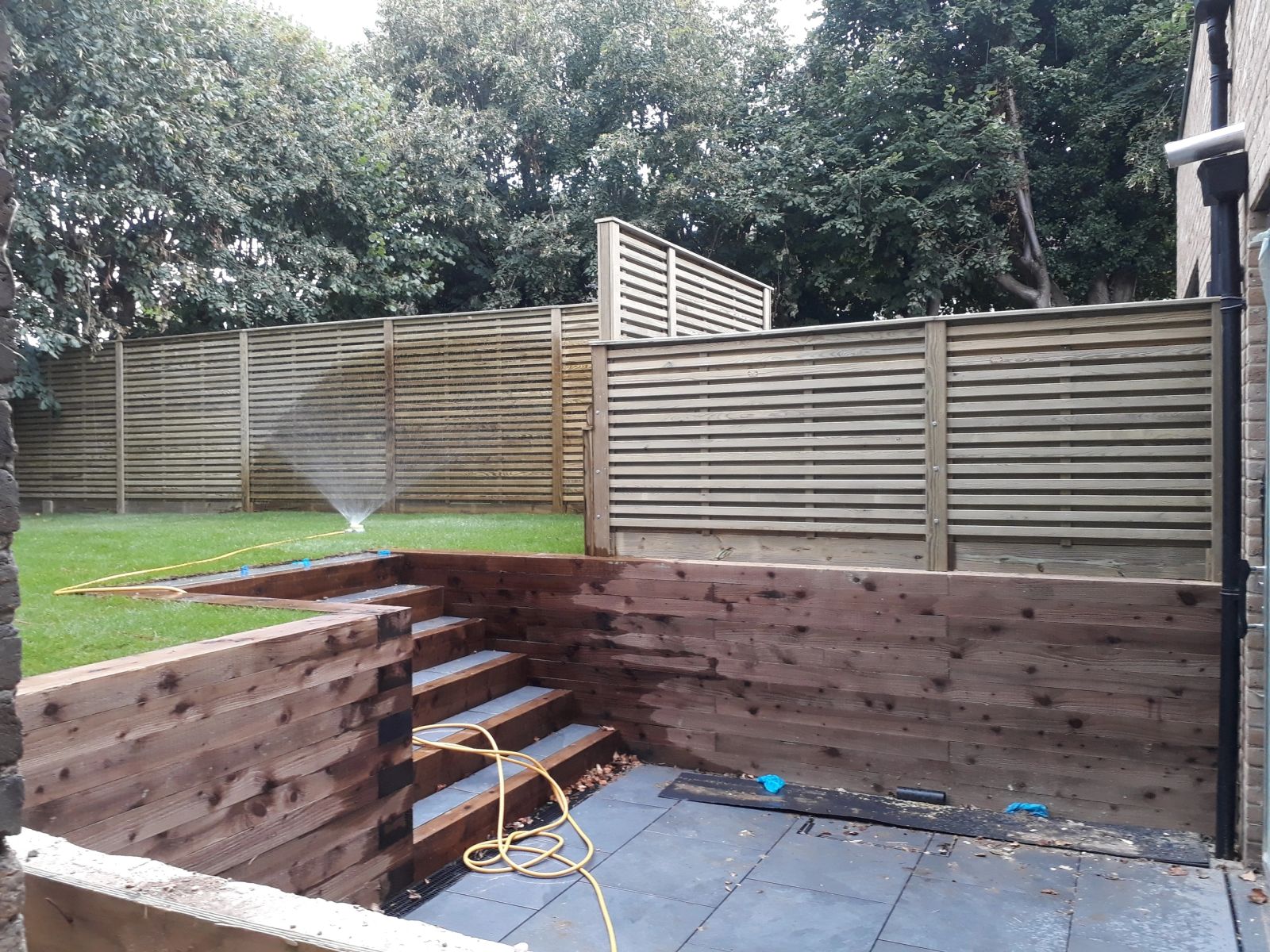
Poor, compacted or stony soil may need topsoil bringing in. Uneven ground needs levelling and firming, and bumps or slopes take more work than a flat area. Any deeper digging starts with a check for buried cables and pipes.
Drainage issues on heavy clay add work at this stage, but they are cheaper to address now than after the lawn is down.
Access to the garden
Everything goes in and out by barrow. A wide side gate makes this quick, while access through the house or a narrow passage slows every load of soil and every roll of turf.
Parking and delivery points near the property also play a part.
Edging and finishing
Clean edges against beds, patios and decks take time to cut. Adding metal or timber edging or a mowing strip increases the cost but reduces upkeep later.
Lawns laid at the end of a larger project share access and waste costs with the rest of the work.
Comparing quotes fairly
Check that each quote states clearance, soil preparation, levelling, turf grade, edging and waste removal. A low price that leaves out preparation usually costs more later in patchy grass and hollows.
We price turfing after a visit, and the written quote lists exactly what is included.
Turf or artificial grass on cost
Real turf generally has lower material and base costs, but needs watering, mowing, feeding and occasional patching over its life. Artificial grass needs a deeper, compacted stone base and edging, which adds to the upfront cost, but ongoing upkeep is mainly brushing and rinsing. Which works out better depends on how long you plan to stay and how much time you want to spend on the lawn.
Timing and the weather
Turf is a perishable product that has to be laid soon after it is cut. Long dry spells mean more watering, and very wet weather can delay groundwork because soil cannot be worked properly. Scheduling the lawn for cooler, damper months is often simpler, though it can be laid at most times of year with care.
What is included after laying
A good quote explains what happens after the turf is down. That covers who waters it during the first days, how often it needs watering afterwards, when it can be walked on and when the first mow should happen.
Extras that can appear on a quote
Some lawns need more than turf. Edging strips, stepping stone paths, drainage improvements, removing old paving, cutting back overgrown borders and bringing in topsoil can all be added. None of these is always necessary, which is why a quote that lists each item separately is easier to compare and to trim if needed.
Frequently asked
Why do turfing quotes vary so much?
Mainly because of how much clearance, soil preparation and levelling is included. Compare those lines rather than the total alone.
Is it cheaper to lay turf or seed?
Seed costs less in materials but takes much longer to establish. Turf gives a usable lawn far sooner.
Does access affect the price of turfing?
Yes. Poor access slows the movement of soil, waste and turf, which adds labour time.
Do you give fixed prices for turfing?
We give a written quote after a visit, setting out the preparation, turf and finishing for your garden.
Is artificial grass more expensive than turf?
Usually more upfront because of the deeper base, but with less ongoing upkeep. We can quote both.
Want an honest price for a lawn?
Send photos and measurements of the area. Our written quote lists clearance, preparation, turf and edging line by line.