
How it's done
Garden Landscaping Ideas That Start With the Layout
Last updated
The short answer
Good garden ideas begin with the layout: decide where you will sit, walk, store things and grow plants, follow where the sun falls, then choose patio, decking, lawn and beds to suit each zone. Build in the right order, with levels and boundaries first and turf last.
At a glance
- Start with
- How the garden will be used
- Seating spot
- Where the sun falls when you sit out
- Order of work
- Levels, boundaries, hard surfaces, then turf
- Plan early
- Gate widths and cable routes
The best garden ideas solve how the space is used before choosing materials. Settle where you sit, walk, store things and grow plants, then pick the surfaces that suit each zone.
Most people looking for garden ideas have already scrolled through hundreds of photographs. The trouble is that a picture shows a finished garden, not the decisions underneath it: which part catches the evening sun, where the ground falls, how the bins reach the front and where a lawn will actually survive.
This guide works through those decisions in the order a landscaping job is planned. It covers the elements we build ourselves, which are patios and paving, decking, turf and artificial grass, sleeper beds, edging, paths and the fences and gates that frame them.
Begin with how the garden will be used
Write down what the garden has to do. A family may need a durable play lawn and somewhere to dry washing, while a couple might want a large dining area and low upkeep planting. Storage for bikes and bins, a route to the side gate and somewhere for a shed all take space that photographs rarely show.
Ranking those needs makes later choices easier. If the main aim is outdoor eating, the seating area gets the best position and the lawn fits around it rather than the other way round.
Follow the sun and the shade
Spend a day noting where sunlight falls in the morning, at lunchtime and in the early evening. A patio placed by the back door out of habit may sit in shade exactly when you want to use it. A second, smaller seating spot at the far end can be the more useful one.
Shade matters for surfaces as well. Real turf struggles under trees and beside tall walls, which is often where artificial grass, paving or a planted bed becomes the better idea.
Patio or deck for the seating area
Paving suits level ground close to the house and takes heavy furniture and barbecues well. Decking is often the neater answer where the garden slopes away or the doors sit well above the ground, because the frame can be built up to meet the threshold.
Either way, the surface must fall slightly away from the building and stay below the damp proof course. Those two points shape the height of everything that joins it.
Shape the lawn deliberately
A lawn with simple, generous curves or clean rectangles is easier to mow and edge than one broken by many small beds. Leave mowing strips or edging where grass meets paving, so the mower can run over the edge rather than leaving a ragged fringe.
Think about wear. The line from the back door to the shed or gate takes the most foot traffic, and a stepping stone path or a paved route stops it turning into a muddy track.
Raised beds and planting
Railway sleeper beds add height, define areas and give somewhere to grow without bending so far. On a sloping plot they can also hold back a modest change in level. Ground level beds along the boundary soften a new fence and help it settle into the garden.
Group plants by the conditions they need rather than by colour alone. A shady bed and a hot, dry bed want very different planting, and choosing for the spot saves replacing failures.
Boundaries, screens and gates
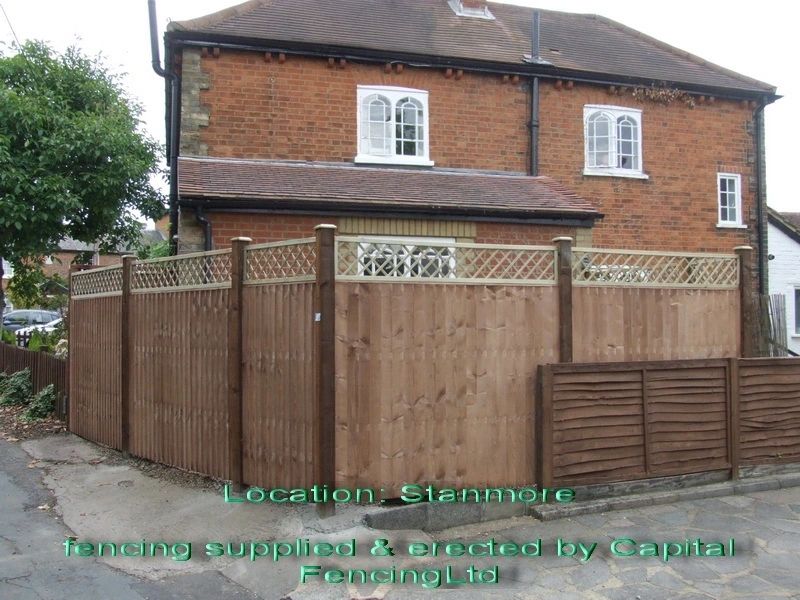
The fence is the backdrop to every other idea, so its style should suit the house and the rest of the materials. Slatted timber reads as modern, closeboard is solid and traditional, and trellis tops give climbers somewhere to go. A freestanding screen near the seating area often gives more privacy than raising the whole boundary.
Gates are worth planning early too. Their width decides what can be wheeled through during the build and for years afterwards.
Put the work in the right order
Groundworks, drainage and any changes in level come first, followed by boundaries, then patios, paths and decking. Turf goes down last so nothing heavy crosses it. Doing the garden in phases is fine, provided the first phase leaves the levels right for the next.
If digging is involved, find out first where cables, pipes and drains run. A cable detector and the meter positions are a sensible starting point.
Outdoor lighting or power for a garden room needs a qualified electrician, so leave a route for cables in the plan rather than lifting new paving later.
Frequently asked
Where should I start with a garden redesign?
Start with how you want to use the space and where the sun falls through the day. Choosing materials comes after the layout is settled.
Is a patio or decking better for a small garden?
Paving usually suits level ground close to the house, while decking handles slopes and raised doorways neatly. Light, access and the height of the threshold normally decide it.
Can landscaping be done in stages?
Yes. The important thing is to set levels and drainage properly in the first stage so later patios, paths or lawns can join them without rework.
Do you design and build the whole garden?
We build fencing, gates and decking, plus selected landscaping such as patios, sleeper beds, paths and turf as part of the same project. We talk through the layout during the visit and set it out in a written quote.
What should go in first, the fence or the patio?
The boundary normally goes in before patios and lawns, so gravel boards sit at the right height and the new surfaces are not damaged by fencing work.
Planning the whole garden?
Send photos from the house and a rough sketch of what you want where. We can talk through fencing, decking, paving and lawn together.