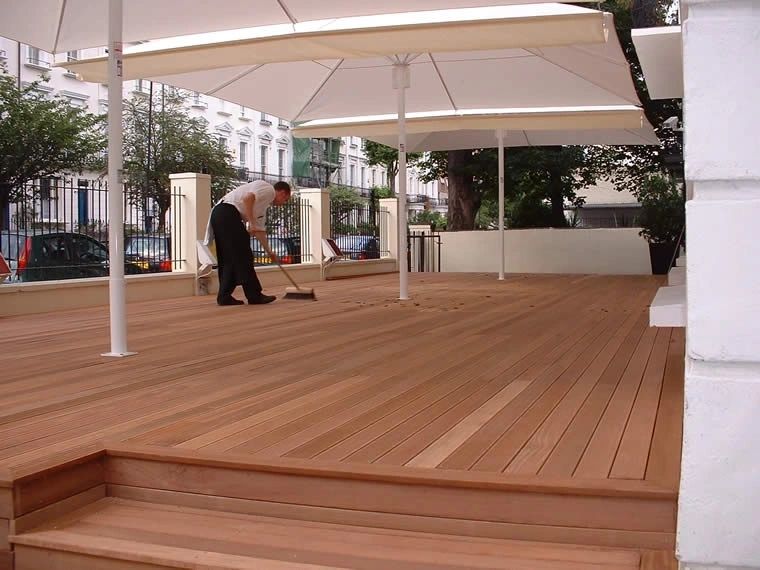
Hardwood Decking Installers Across Borehamwood & bushey
Capital Fencing installs hardwood decking across Borehamwood and out to bushey and barnet. Hertsmere Borough coverage plus proximity to M1 J4 / M25 J23 means most quotes are on your inbox within 48 hours of a site visit. Recent work on Furzehill Road and Cardinal Avenue. We orient jobs off Sky Studios entrance. Shenley Road frontage with driveway gate. Hardwood double gates with manual drop bolt, picket flanking panels. Replaced rotten softwood originals; sized to existing brick piers.
Capital Fencing installs hardwood decking across Borehamwood and out to bushey and barnet. Hertsmere Borough coverage plus proximity to M1 J4 / M25 J23 means most quotes are on your inbox within 48 hours of a site visit. Recent work on Furzehill Road and Cardinal Avenue. We orient jobs off Sky Studios entrance. Shenley Road frontage with driveway gate. Hardwood double gates with manual drop bolt, picket flanking panels. Replaced rotten softwood originals; sized to existing brick piers.
How we build hardwood decking in Borehamwood
Yellow balau, ipe or iroko boards on treated softwood or hardwood joists. Standard build: 21mm yellow balau or 19mm ipe, secret-fix or countersunk, hardwood-rated screws. On Borehamwood jobs we adjust for limited rear access on the older estates means materials usually have to come through the house.
Property mix locally: mix of post-war terraces, 1960s low-rise estates and new-build apartments near the studios. Typical gardens: small to mid-size rear plots, often south-facing on the Elstree side. Postcodes we regularly service: WD6.
Why hardwood decking works here
- genuine 25-year plus service life on yellow balau or ipe when detailed properly
- richer natural colour and grain than any composite
- can be sanded and re-oiled indefinitely
Common Borehamwood briefs
- → poolside and coastal-style decks needing hardwood durability without composite plastic feel
- → commissioned landscape schemes where the deck is a design feature, not just a floor
Hardwood Decking FAQs — Borehamwood
What joist spacing do you use for hardwood boards?
Across Borehamwood (WD6), the honest answer depends on mix of post-war terraces and small to mid-size rear plots. Practically, that means richer natural colour and grain than any composite — and we're upfront that material cost is significantly higher than softwood and often composite.
Do I need to oil hardwood decking every year?
On Borehamwood jobs we spec around limited rear access on the older estates means materials usually have to come through the house, so the default is 21mm yellow balau or 19mm ipe, secret-fix or countersunk, hardwood-rated screws. Practically, that means richer natural colour and grain than any composite — and we're upfront that material cost is significantly higher than softwood and often composite.
Can I let hardwood decking silver naturally?
Hertsmere Borough coverage and M1 J4 / M25 J23 access means we can survey most WD6 addresses inside a week. Practically, that means richer natural colour and grain than any composite — and we're upfront that material cost is significantly higher than softwood and often composite.
Can you build a hardwood deck on top of an existing concrete slab?
We've installed hardwood decking across Borehamwood — from Elstree Way through to the quieter streets toward bushey. In short: genuine 25-year plus service life on yellow balau or ipe when detailed properly, though requires annual oiling to keep the honey colour — otherwise silvers naturally.
How do you handle end-grain sealing on hardwood decks?
Across Borehamwood (WD6), the honest answer depends on mix of post-war terraces and small to mid-size rear plots. We'll walk you through both genuine 25-year plus service life on yellow balau or ipe when detailed properly and requires annual oiling to keep the honey colour — otherwise silvers naturally on the site visit before you commit.
Recent hardwood decking work
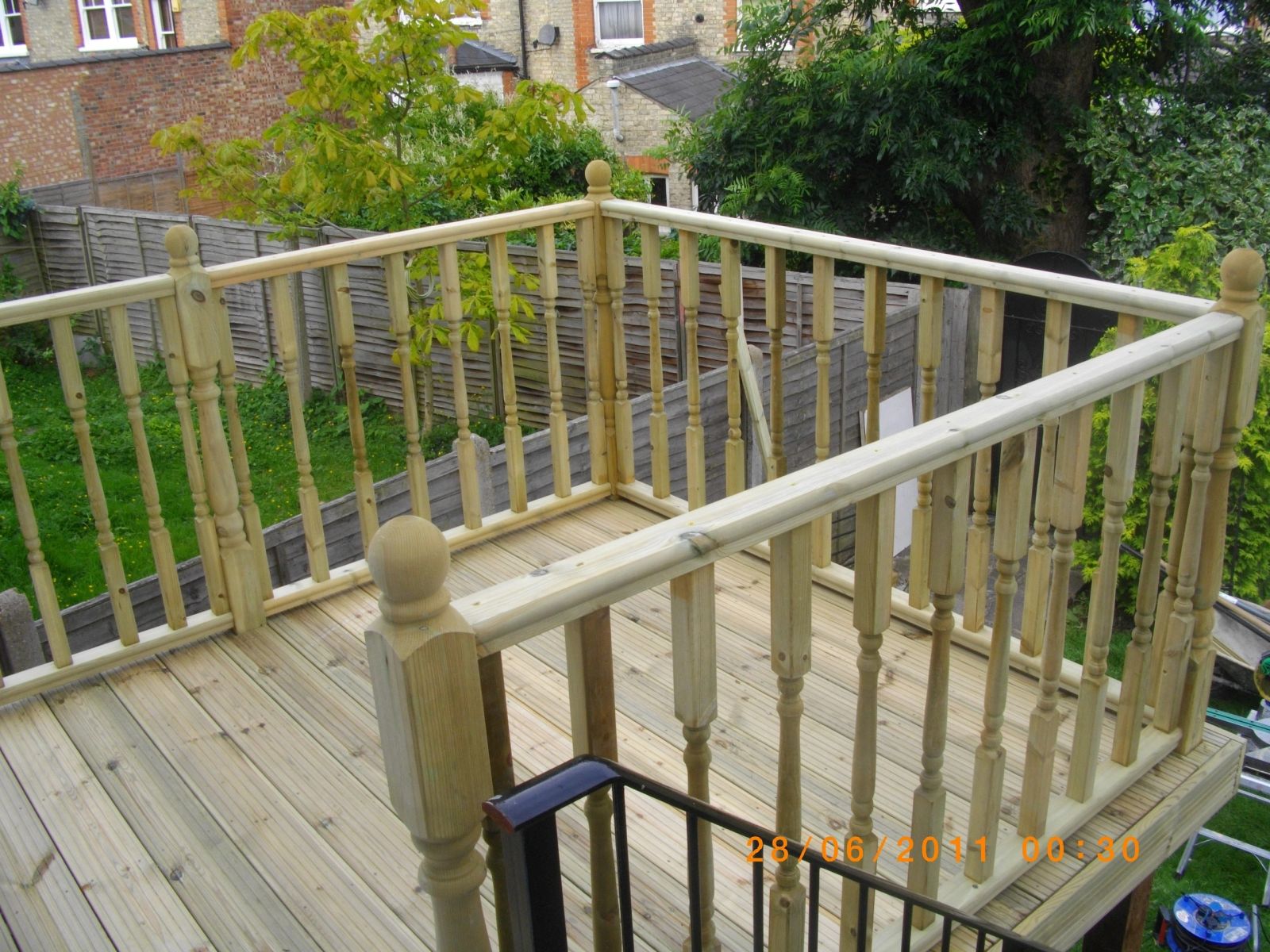
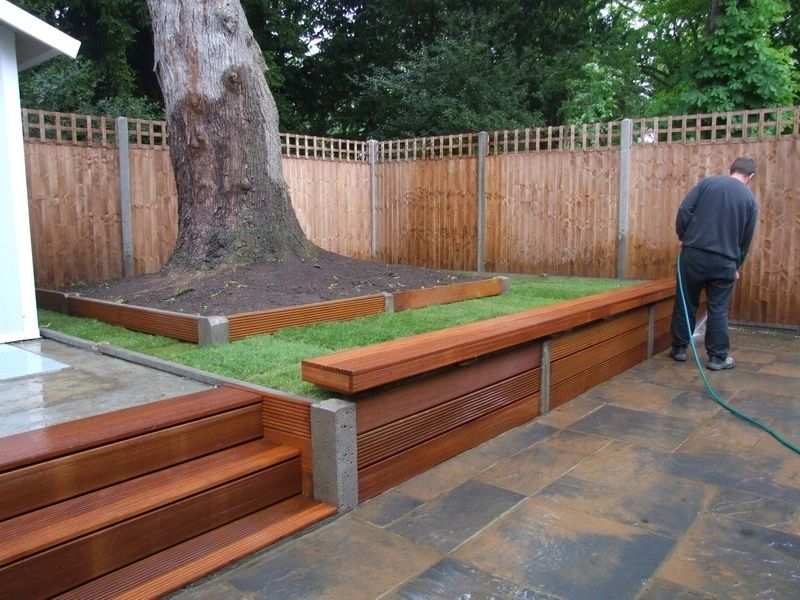
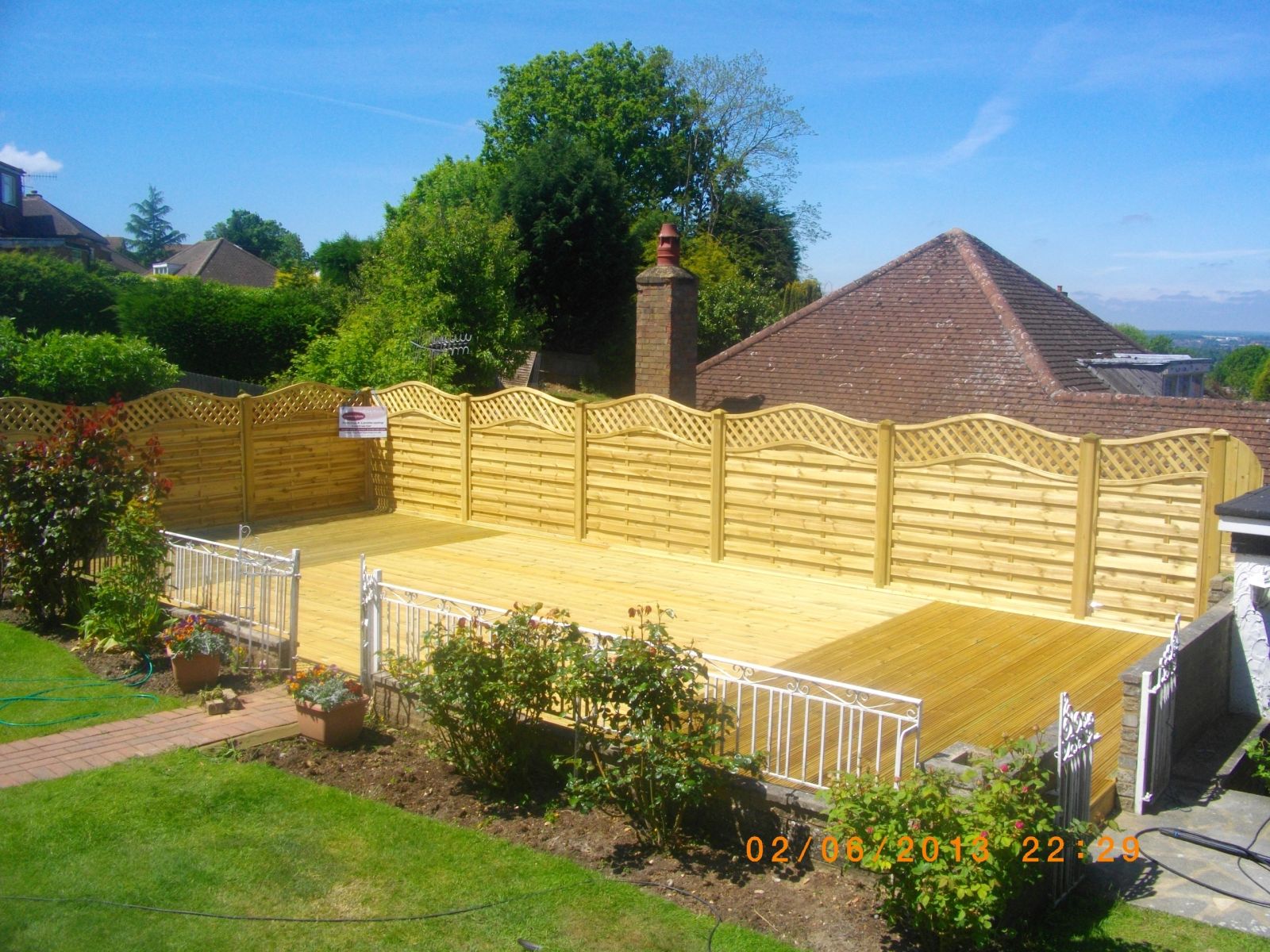
Hardwood Decking across WD6 is one of our regular runs. We'll quote honestly, tell you if hardwood decking isn't the right answer for your garden, and book the job in within a week or two of a signed quote. Recent work on Cardinal Avenue and Brook Road. We orient jobs off Elstree & Borehamwood station. Cardinal Avenue cul-de-sac, four plots. Matched 1.8m closeboard run installed in sequence over five days. Single materials drop, shared waste skip — saved each household ~12% versus solo quotes.
Get My Free Quote — 24h Response
No callout fee · Fully insured · Friendly local team covering London & Hertfordshire.