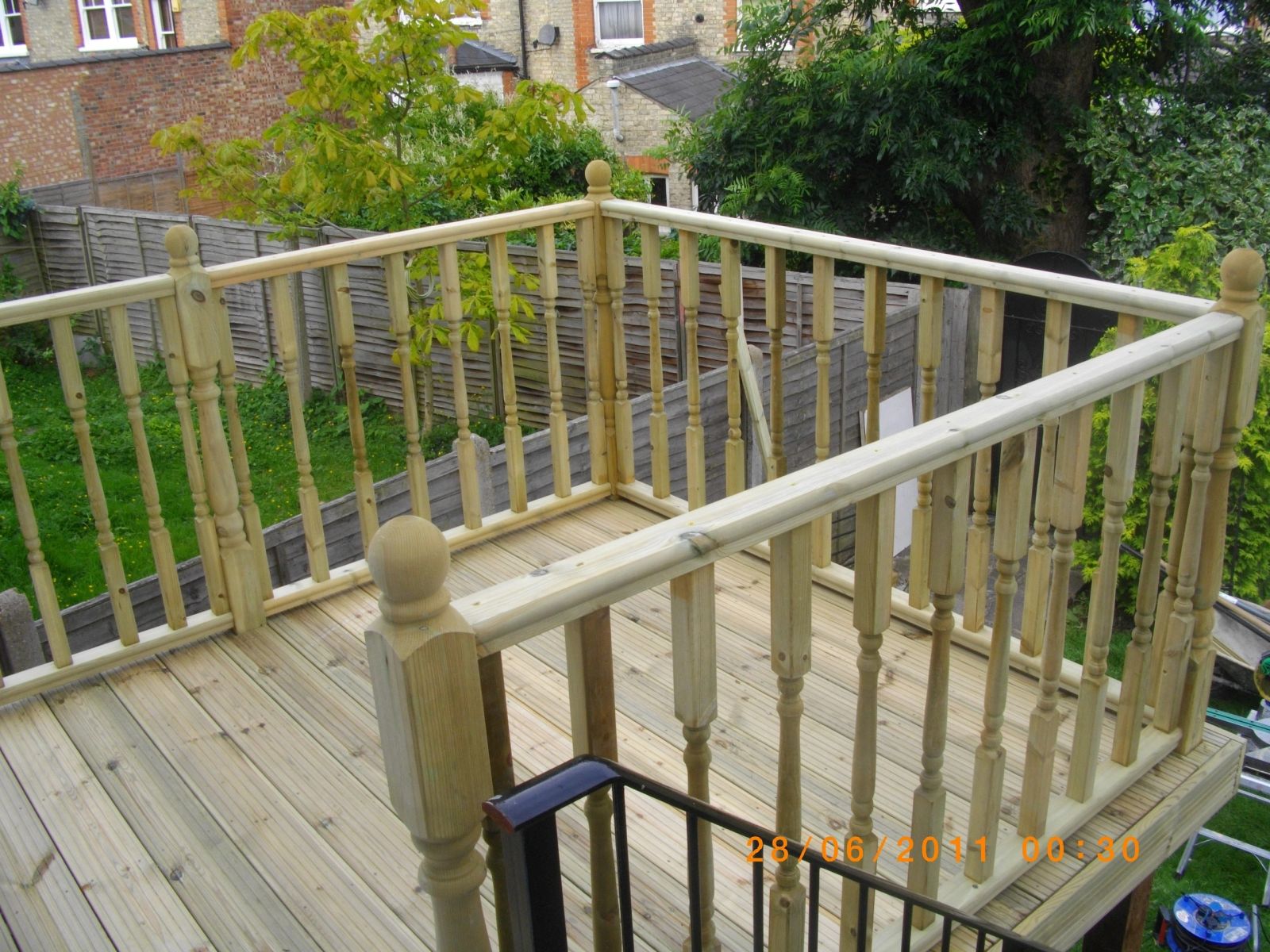
Looking for Hardwood Decking in Bushey? Local Specialist Serving Hertsmere Borough
Every hardwood decking job we run in Bushey starts from what fails locally: bushey heath conservation area limits front boundary heights and prohibits certain panel styles. Our default spec — 21mm yellow balau or 19mm ipe, secret-fix or countersunk, hardwood-rated screws — is built around that, not around a generic price sheet. Recent work on High Street and Bushey Hall Road. We orient jobs off Bushey station. Falconer Road rear boundary, sloping plot. Closeboard with stepped gravel boards over 700mm fall. Tracked the slope without visible gaps.
Every hardwood decking job we run in Bushey starts from what fails locally: bushey heath conservation area limits front boundary heights and prohibits certain panel styles. Our default spec — 21mm yellow balau or 19mm ipe, secret-fix or countersunk, hardwood-rated screws — is built around that, not around a generic price sheet. Recent work on High Street and Bushey Hall Road. We orient jobs off Bushey station. Falconer Road rear boundary, sloping plot. Closeboard with stepped gravel boards over 700mm fall. Tracked the slope without visible gaps.
Common Bushey briefs
- → poolside and coastal-style decks needing hardwood durability without composite plastic feel
- → premium rear gardens where a natural silver-grey patina is the desired finish
Why hardwood decking works here
- genuine 25-year plus service life on yellow balau or ipe when detailed properly
- richer natural colour and grain than any composite
- can be sanded and re-oiled indefinitely
How we build hardwood decking in Bushey
Yellow balau, ipe or iroko boards on treated softwood or hardwood joists. Standard build: 21mm yellow balau or 19mm ipe, secret-fix or countersunk, hardwood-rated screws. On Bushey jobs we adjust for bushey heath conservation area limits front boundary heights and prohibits certain panel styles.
Property mix locally: large detached and semi-detached homes around Bushey Heath, with older cottages in Bushey Village. Typical gardens: deep, mature gardens — many sloping with mature trees and substantial existing planting. Postcodes we regularly service: WD23.
Hardwood Decking FAQs — Bushey
How do you handle end-grain sealing on hardwood decks?
Across Bushey (WD23), the honest answer depends on large detached and semi-detached homes around bushey heath and deep. We'll walk you through both genuine 25-year plus service life on yellow balau or ipe when detailed properly and requires annual oiling to keep the honey colour — otherwise silvers naturally on the site visit before you commit.
What joist spacing do you use for hardwood boards?
On Bushey jobs we spec around bushey heath conservation area limits front boundary heights and prohibits certain panel styles, so the default is 21mm yellow balau or 19mm ipe, secret-fix or countersunk, hardwood-rated screws. Practically, that means richer natural colour and grain than any composite — and we're upfront that material cost is significantly higher than softwood and often composite.
How does hardwood compare to composite for slip resistance?
Hertsmere Borough coverage and M1 J5 / A41 access means we can survey most WD23 addresses inside a week. We'll walk you through both genuine 25-year plus service life on yellow balau or ipe when detailed properly and requires annual oiling to keep the honey colour — otherwise silvers naturally on the site visit before you commit.
Can I let hardwood decking silver naturally?
We've installed hardwood decking across Bushey — from Bushey Hall Road through to the quieter streets toward watford. We'll walk you through both genuine 25-year plus service life on yellow balau or ipe when detailed properly and requires annual oiling to keep the honey colour — otherwise silvers naturally on the site visit before you commit.
Do I need to oil hardwood decking every year?
Across Bushey (WD23), the honest answer depends on large detached and semi-detached homes around bushey heath and deep. Practically, that means richer natural colour and grain than any composite — and we're upfront that material cost is significantly higher than softwood and often composite.
Recent hardwood decking work
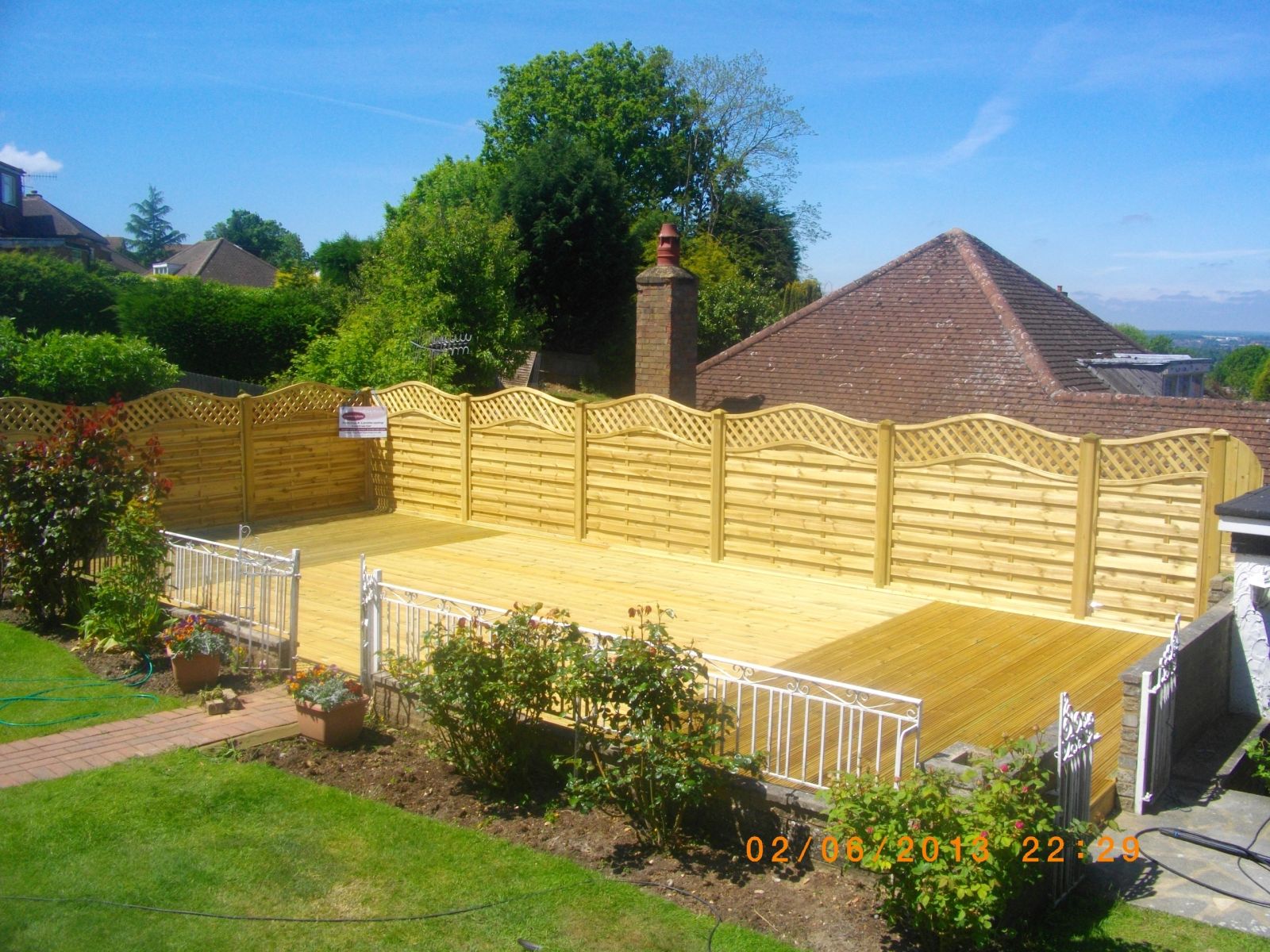
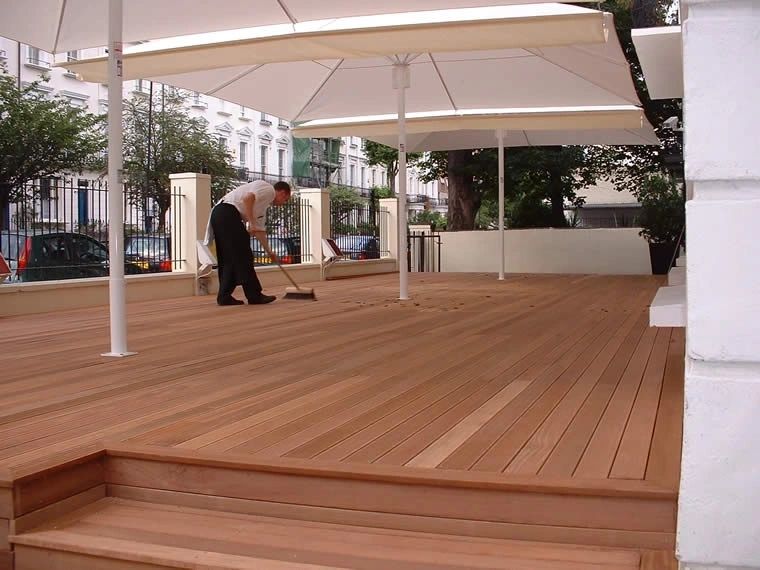
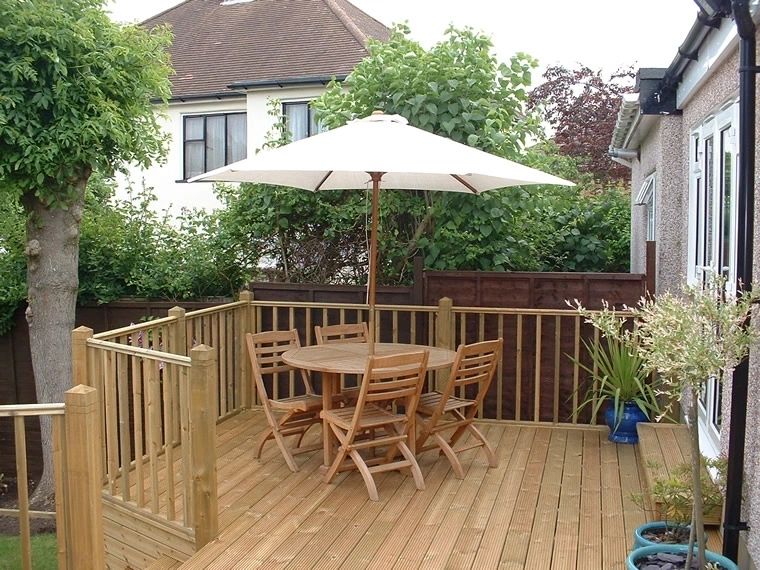
We keep the hardwood decking process simple for Bushey clients: site visit, written quote, agreed start date, then in and out cleanly. No subcontracted labour, no chasing for an invoice at the end. Recent work on High Street and Sparrows Herne. We orient jobs off Bushey Museum. Bushey Heath driveway gates. Hardwood double gates on existing brick piers, manual bolt. Replaced sagging softwood originals.
Get My Free Quote — 24h Response
No callout fee · Fully insured · Friendly local team covering London & Hertfordshire.