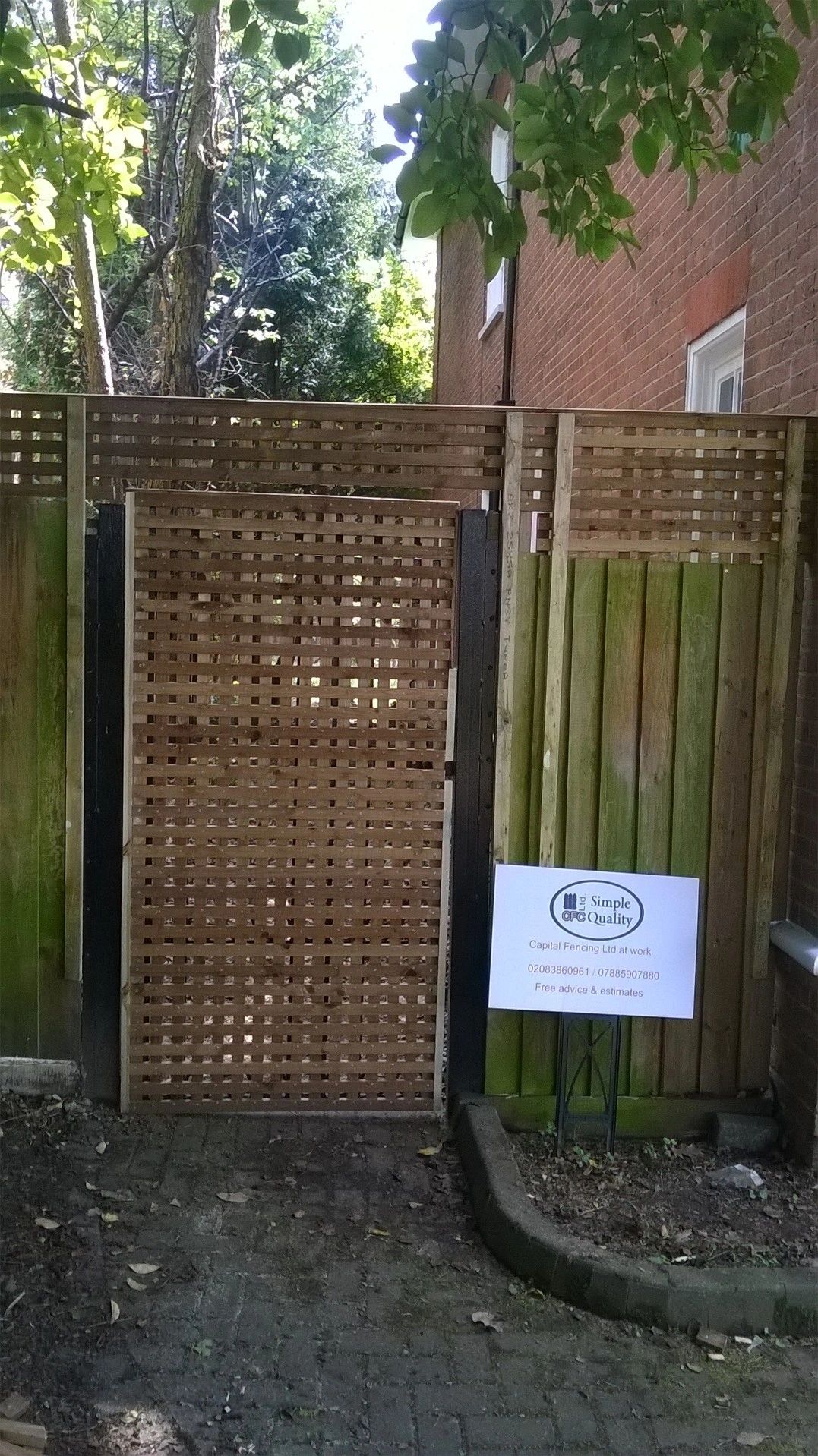
Wooden Gates in Islington (N1)
If you're weighing wooden gates for a property in Islington, the housing stock — Georgian terraces around Barnsbury and Canonbury, Victorian streets in Highbury, and dense mansion blocks — sets most of the answer. On compact walled rear gardens with rear-mews access on parts of Barnsbury and De Beauvoir, iroko hardwood, oak or planed softwood on hot-dip galvanised ironmongery generally makes sense for side gates matching a closeboard or panel boundary. Where it doesn't, we say so. Recent work on Liverpool Road and Offord Road. We orient jobs off Highbury Fields. Canonbury Road front railings and gate. Wrought-iron replica gate hung on refurbished stone piers. Matched the original Grade II street profile.
If you're weighing wooden gates for a property in Islington, the housing stock — Georgian terraces around Barnsbury and Canonbury, Victorian streets in Highbury, and dense mansion blocks — sets most of the answer. On compact walled rear gardens with rear-mews access on parts of Barnsbury and De Beauvoir, iroko hardwood, oak or planed softwood on hot-dip galvanised ironmongery generally makes sense for side gates matching a closeboard or panel boundary. Where it doesn't, we say so. Recent work on Liverpool Road and Offord Road. We orient jobs off Highbury Fields. Canonbury Road front railings and gate. Wrought-iron replica gate hung on refurbished stone piers. Matched the original Grade II street profile.
How we build wooden gates in Islington
Iroko hardwood, oak or planed softwood on hot-dip galvanised ironmongery. Standard build: 44mm framed, tongue-and-groove infill, adjustable ball-race hinges, drop bolt to slabs. On Islington jobs we adjust for conservation-area consent plus tight rear-mews access makes bespoke gate and boundary work the norm.
Property mix locally: Georgian terraces around Barnsbury and Canonbury, Victorian streets in Highbury, and dense mansion blocks. Typical gardens: compact walled rear gardens with rear-mews access on parts of Barnsbury and De Beauvoir. Postcodes we regularly service: N1, N5, N7, N19, EC1.
Common Islington briefs
- → side gates matching a closeboard or panel boundary
- → driveway double gates — softwood or hardwood, manual or automated
Where wooden gates isn't the right answer
- •softwood side gates need re-treating annually to avoid black spot
- •timber moves seasonally — expect small alignment adjustments in year one
We'll say so on the site visit — a wasted quote helps nobody.
Why wooden gates works here
- warm, matches most period and modern properties without looking industrial
- easily re-sanded and re-oiled to refresh the finish every few years
- hardwood options like iroko regularly outlast the ironmongery
Wooden Gates FAQs — Islington
How wide can a single wooden gate span before it needs a brace or wheel?
Across Islington (N1), the honest answer depends on georgian terraces around barnsbury and canonbury and compact walled rear gardens with rear-mews access on parts of Barnsbury and De Beauvoir. Practically, that means easily re-sanded and re-oiled to refresh the finish every few years — and we're upfront that softwood side gates need re-treating annually to avoid black spot.
Softwood or hardwood — which lasts longer in the London weather?
On Islington jobs we spec around conservation-area consent plus tight rear-mews access makes bespoke gate and boundary work the norm, so the default is 44mm framed, tongue-and-groove infill, adjustable ball-race hinges, drop bolt to slabs. We'll walk you through both warm, matches most period and modern properties without looking industrial and timber moves seasonally — expect small alignment adjustments in year one on the site visit before you commit.
Can wooden gates be automated?
Islington coverage and A406 (15 min) / M1 J1 (15 min) access means we can survey most N1 addresses inside a week. In short: warm, matches most period and modern properties without looking industrial, though timber moves seasonally — expect small alignment adjustments in year one.
How do you stop a wooden gate dropping over time?
We've installed wooden gates across Islington — from Upper Street through to the quieter streets toward camden. Practically, that means easily re-sanded and re-oiled to refresh the finish every few years — and we're upfront that softwood side gates need re-treating annually to avoid black spot.
How do you finish wooden gates to resist rot?
Across Islington (N1), the honest answer depends on georgian terraces around barnsbury and canonbury and compact walled rear gardens with rear-mews access on parts of Barnsbury and De Beauvoir. Practically, that means easily re-sanded and re-oiled to refresh the finish every few years — and we're upfront that softwood side gates need re-treating annually to avoid black spot.
Recent wooden gates work
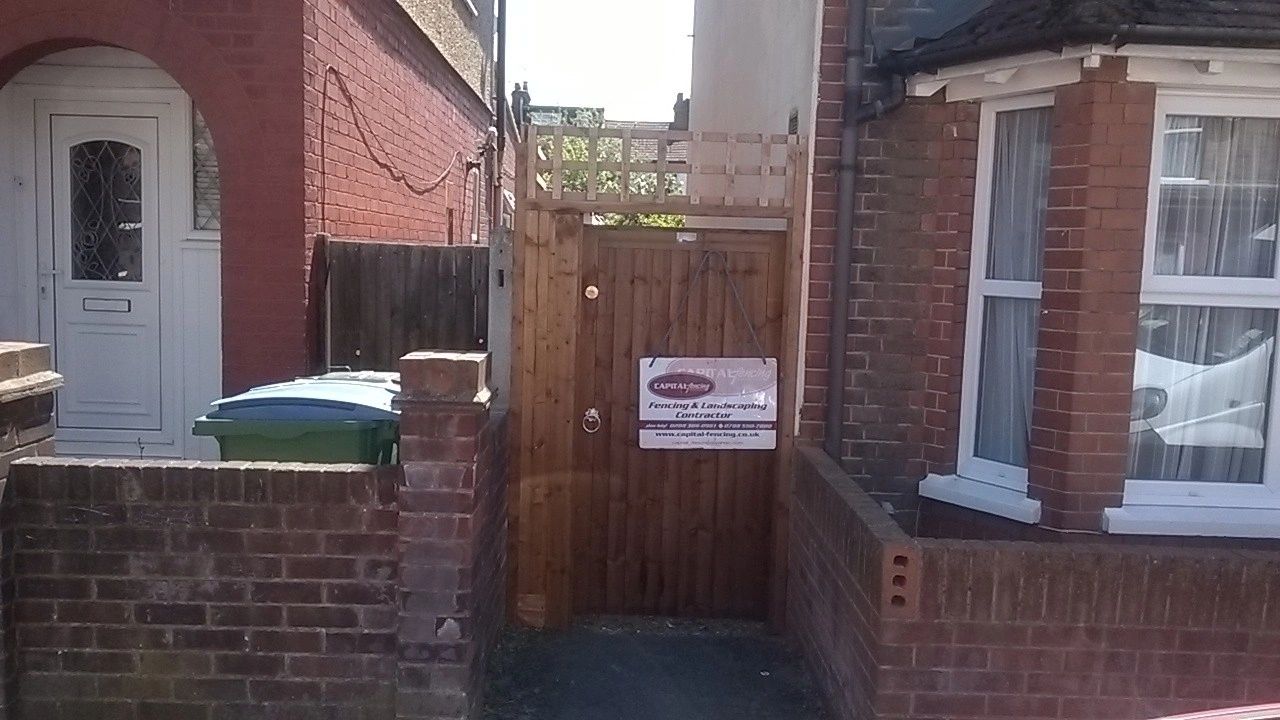
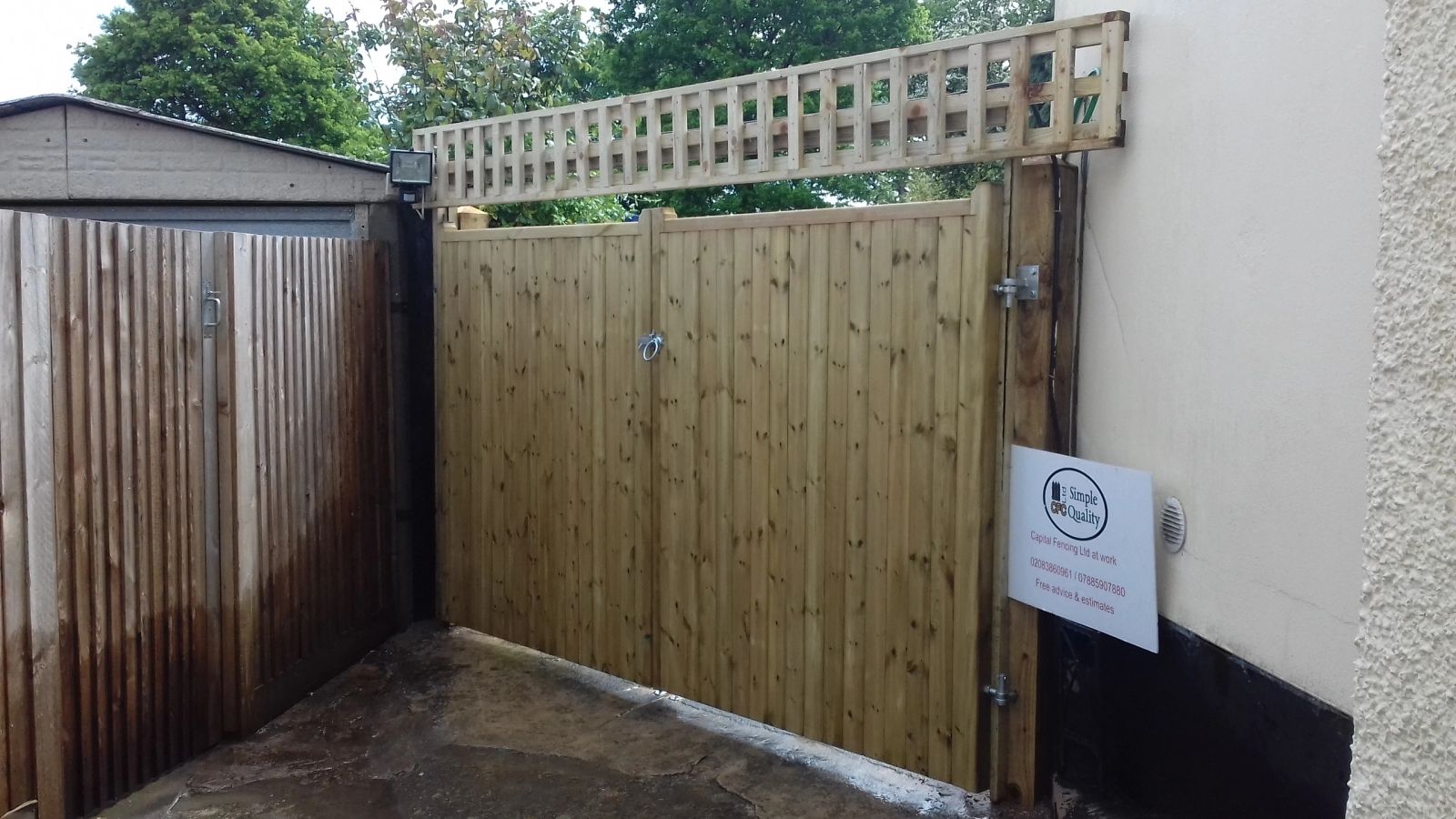
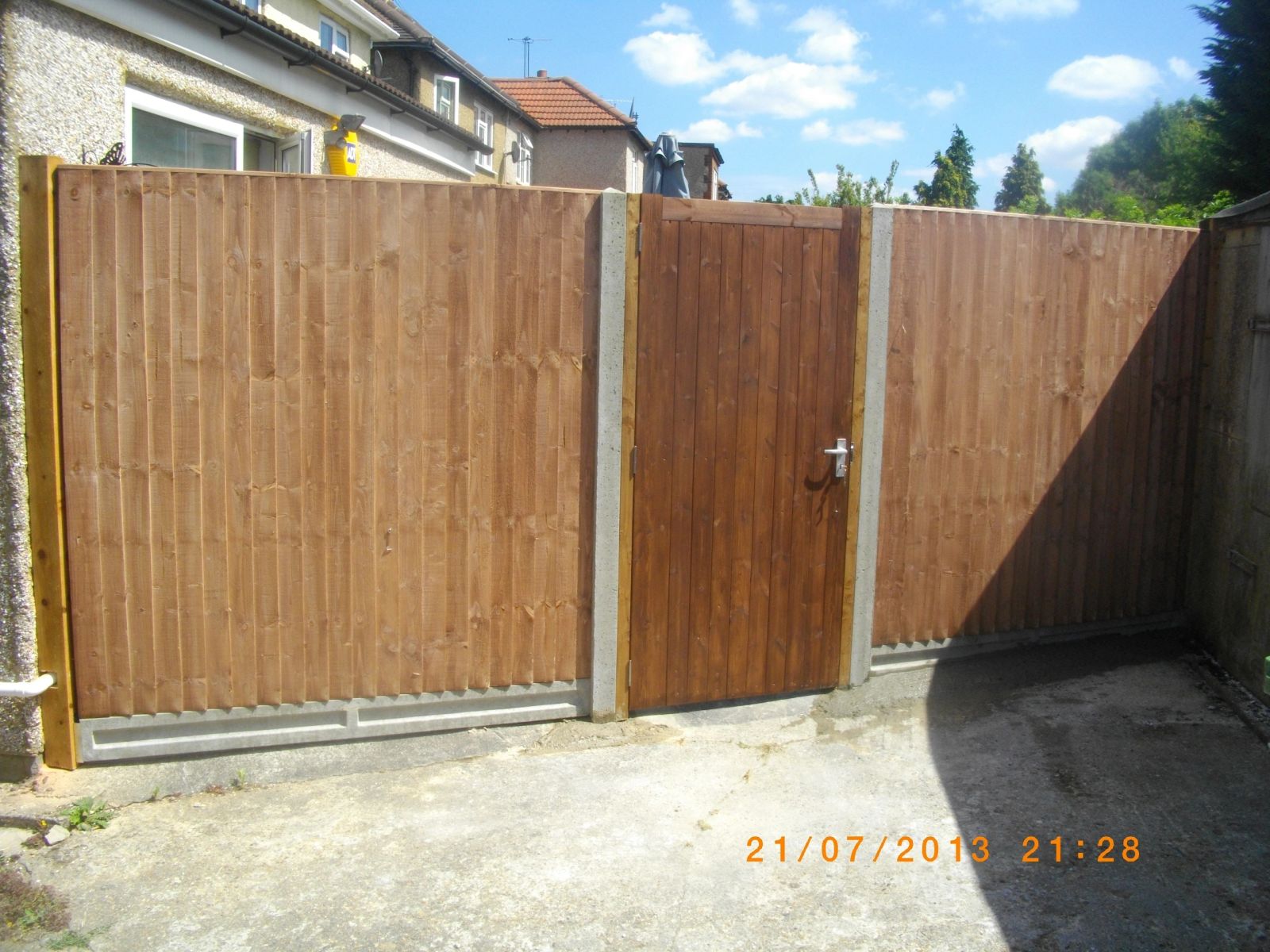
Whether you're on a period street near Upper Street or a newer estate toward camden, wooden gates in Islington is a service we run every week — booked in, on time, and left tidy. Recent work on Cross Street and Liverpool Road. We orient jobs off Highbury Fields. Barnsbury Square rear boundary. Hand-carried closeboard through the hallway, 1.8m with capping rail. Completed in a day with dust sheets down the whole route.
Get My Free Quote — 24h Response
No callout fee · Fully insured · Friendly local team covering London & Hertfordshire.