London & Hertfordshire Free Site Visit

New Barnet: Fencing & Decking Within Barnet

New Barnet, part of barnet and covered by Barnet Council, is known for victorian terraces near the station with newer flats toward victoria park with gardens tight, deep gardens with rear alley access on many streets. Most site visits in this patch come back to one thing: rear alleys mean material delivery is easier than usual, but boundary lines are often disputed. Planed versus sawn timber faces: Sawn timber retains the rough, slightly fibrous surface left by the mill saw, which holds paint and stain better initially but can also hold moisture and dirt in the surface fibres for longer after rain. Planed, or PAR (planed all round), timber has a smooth, machined finish that looks tidier and is more pleasant to handle, but its closed surface can mean stain sits on top rather than soaking in, needing more frequent reapplication. Freeholder consent for a leasehold garden: Leasehold houses and flats with a garden are usually still subject to the terms of the lease, which can require the freeholder's written consent before altering boundary structures.

Talk through your New Barnet brief

We know Barnet's planning rules and this patch's ground conditions — call and we'll talk it through.

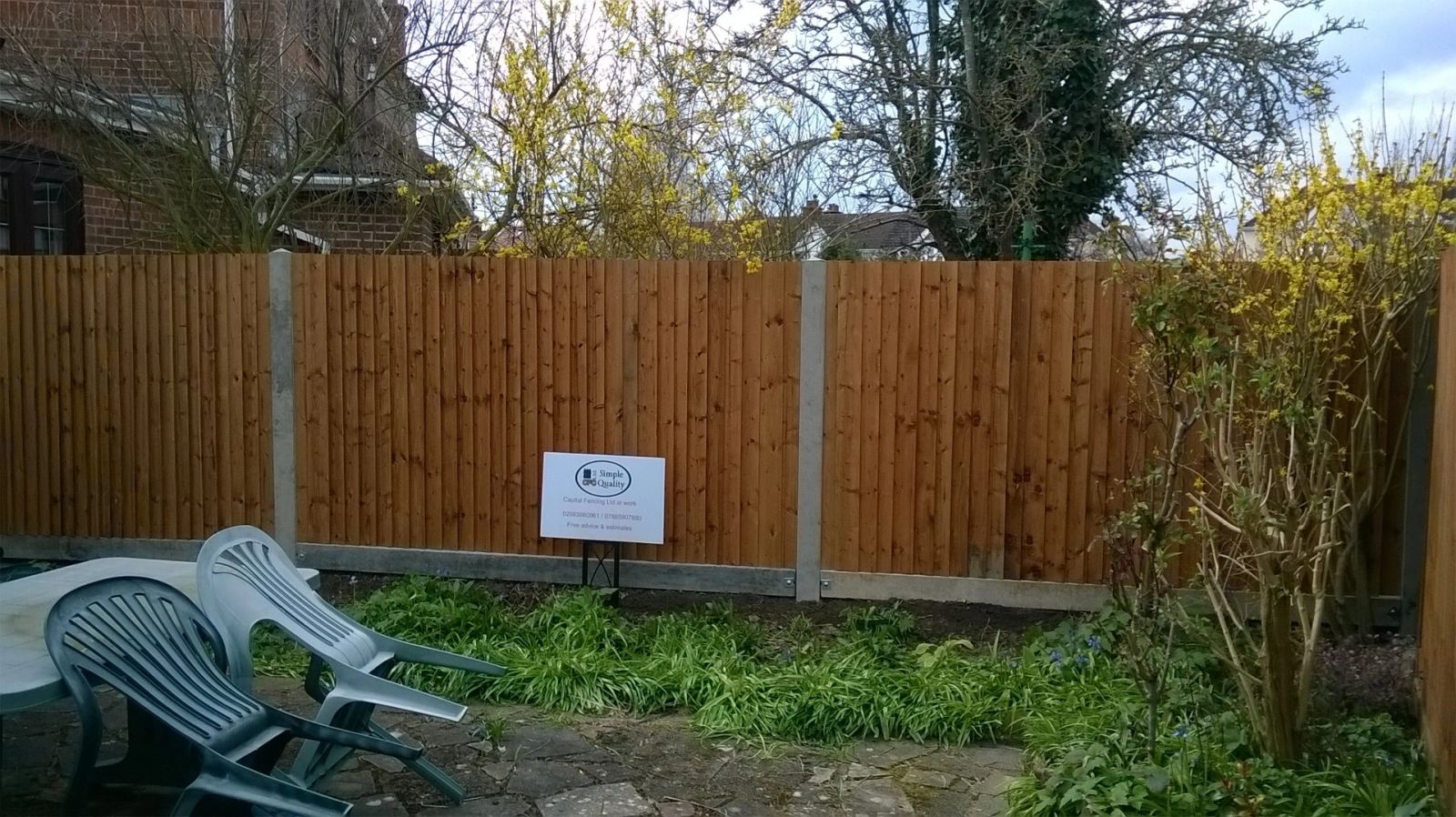
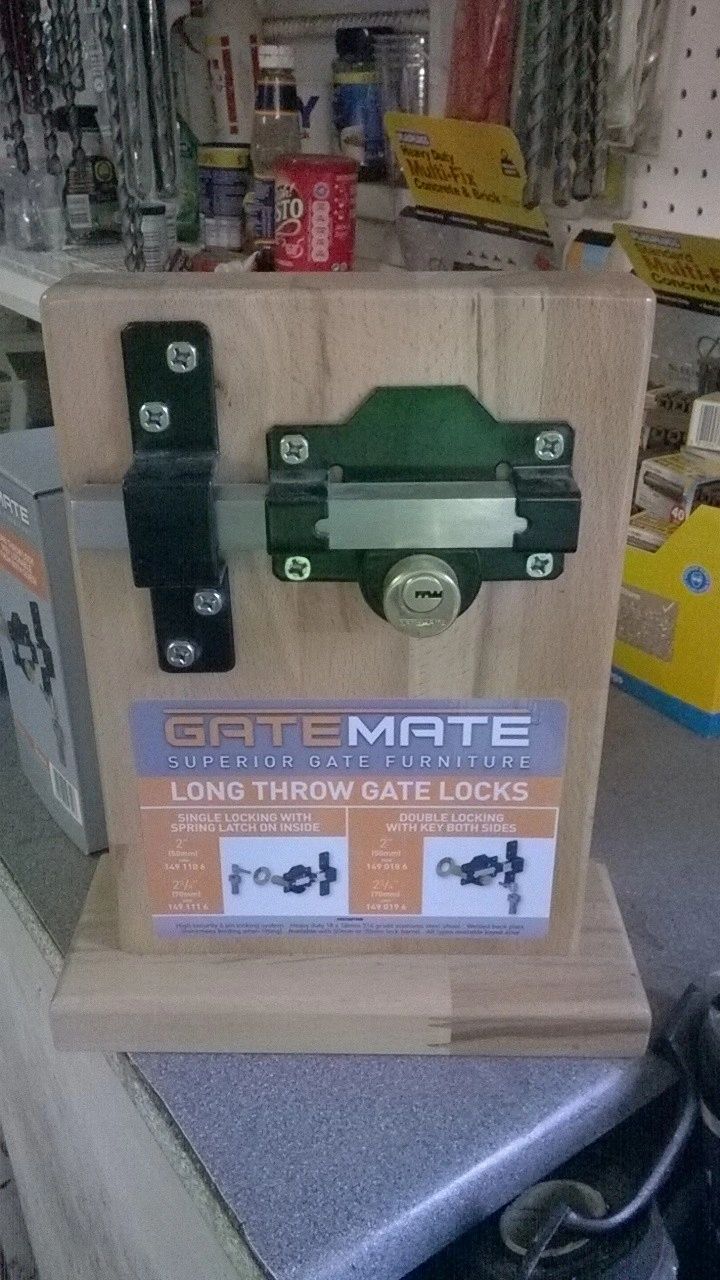
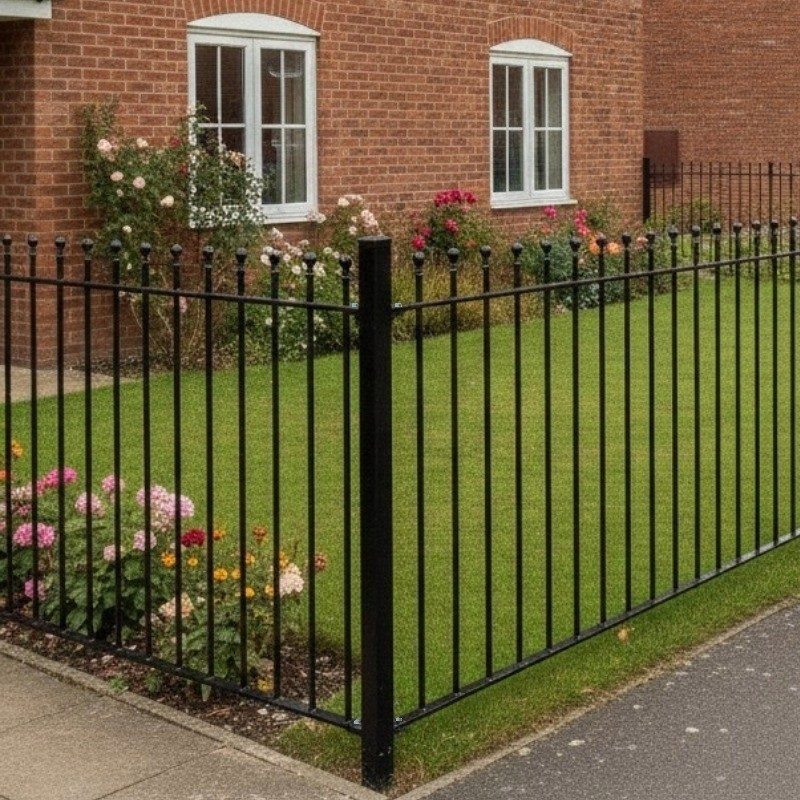
Capital Fencing project in New Barnet, EN4Capital Fencing project in New Barnet, EN4Capital Fencing project in New Barnet, EN4
EN4 / EN5

New Barnet is part of our Barnet coverage under Barnet Council, with its own property mix and its own recurring brief.

Property & garden in New Barnet

Property: Victorian terraces near the station with newer flats toward Victoria Park

Gardens: tight, deep gardens with rear alley access on many streets

rear alleys mean material delivery is easier than usual, but boundary lines are often disputed

Nearest arterial: A110 East Barnet Road, M25 J24. Served from New Barnet (Great Northern). Nearby commercial anchors: East Barnet Road, Victoria Quarter.

Practical points for boundary work in New Barnet

Planed versus sawn timber faces

Sawn timber retains the rough, slightly fibrous surface left by the mill saw, which holds paint and stain better initially but can also hold moisture and dirt in the surface fibres for longer after rain.

Planed, or PAR (planed all round), timber has a smooth, machined finish that looks tidier and is more pleasant to handle, but its closed surface can mean stain sits on top rather than soaking in, needing more frequent reapplication.

Fencing components are commonly specified as sawn for structural parts like posts and rails and planed for visible features like capping, reflecting the balance between weathering performance and finished appearance.

Freeholder consent for a leasehold garden

Leasehold houses and flats with a garden are usually still subject to the terms of the lease, which can require the freeholder's written consent before altering boundary structures.

This applies even where the leaseholder has full day-to-day use of the garden and has paid for previous fencing work themselves.

Checking the lease, or asking the managing agent, before committing to boundary work avoids a costly rebuild if consent turns out to be required and wasn't obtained first.

Combining a windbreak hedge with a lighter fence

Planting a windbreak hedge or shrub line on the exposed side of a fence reduces the wind load the fence structure has to carry directly, since the vegetation absorbs and diffuses much of the force before it reaches the panels.

This takes several years to become effective as the planting matures, so it's usually specified alongside a fence built to cope with full exposure initially, with the expectation that loads reduce over time rather than the reverse.

It's a useful option where a client wants a lighter, less heavily-specified fence than pure exposure would otherwise demand, provided they accept the interim years before the hedge does its share of the work.

Surface preparation before re-coating

Re-coating over an existing failed or flaking finish without preparation traps whatever is underneath — old paint fragments, algae, or degraded stain — and the new coat fails at the same points within a season.

A light sand or wire-brush pass to remove loose material, followed by a full dry-out period, gives a fresh coat something sound to key into rather than a film sitting over compromised timber.

Timing matters as much as preparation: coating damp timber traps moisture under the new film and is one of the most common reasons a re-coat fails faster than the original application.

Diagonal bracing struts on gate posts

A diagonal timber or metal strut run from partway up a gate post back to a buried anchor or second post resists the twisting and leaning force a heavy gate exerts on its hinge post over time, particularly on wide or heavy gates.

Without bracing, that twisting load is carried entirely by the post's own embedment in the ground, which can gradually work the post out of true even where the concrete footing itself remains intact.

Bracing is generally specified based on gate weight and width rather than applied universally, since a light pedestrian gate rarely generates enough leverage to need it while a wide vehicle gate almost always does.

Level differences between plots and who retains

Where two plots sit at different levels, the general presumption in law is that whoever created the level difference — usually by cutting or raising ground during earlier development — is responsible for retaining it, though on old or unclear plots this isn't always documented.

A fence contractor isn't in a position to resolve a retaining dispute, but should flag it clearly where a proposed fence line runs directly along or above an unretained level change, since a fence is not a retaining structure and shouldn't be asked to do that job.

Getting this distinction agreed in writing between neighbours before work starts avoids the fence being blamed later for a ground movement problem it never caused.

Services in New Barnet

New Barnet — frequently asked

Is New Barnet within your standard travel area?

Yes — New Barnet is served from New Barnet (Great Northern), off A110 East Barnet Road, and is inside our regular working patch.

What areas of New Barnet do you cover?

We cover all of New Barnet (EN4, EN5), under Barnet Council.

How does "level differences between plots and who retains" affect fencing or decking work in New Barnet?

Where two plots sit at different levels, the general presumption in law is that whoever created the level difference — usually by cutting or raising ground during earlier development — is responsible for retaining it, though on old or unclear plots this isn't always documented. A fence contractor isn't in a position to resolve a retaining dispute, but should flag it clearly where a proposed fence line runs directly along or above an unretained level change, since a fence is not a retaining structure and shouldn't be asked to do that job. Getting this distinction agreed in writing between neighbours before work starts avoids the fence being blamed later for a ground movement problem it never caused.

Does combining a windbreak hedge with a lighter fence come up much on jobs around New Barnet?

It's a useful option where a client wants a lighter, less heavily-specified fence than pure exposure would otherwise demand, provided they accept the interim years before the hedge does its share of the work. Planting a windbreak hedge or shrub line on the exposed side of a fence reduces the wind load the fence structure has to carry directly, since the vegetation absorbs and diffuses much of the force before it reaches the panels. This takes several years to become effective as the planting matures, so it's usually specified alongside a fence built to cope with full exposure initially, with the expectation that loads reduce over time rather than the reverse.

How does "surface preparation before re-coating" affect fencing or decking work in New Barnet?

Re-coating over an existing failed or flaking finish without preparation traps whatever is underneath — old paint fragments, algae, or degraded stain — and the new coat fails at the same points within a season. A light sand or wire-brush pass to remove loose material, followed by a full dry-out period, gives a fresh coat something sound to key into rather than a film sitting over compromised timber. Timing matters as much as preparation: coating damp timber traps moisture under the new film and is one of the most common reasons a re-coat fails faster than the original application.

What should I know about diagonal bracing struts on gate posts in New Barnet?

Bracing is generally specified based on gate weight and width rather than applied universally, since a light pedestrian gate rarely generates enough leverage to need it while a wide vehicle gate almost always does. A diagonal timber or metal strut run from partway up a gate post back to a buried anchor or second post resists the twisting and leaning force a heavy gate exerts on its hinge post over time, particularly on wide or heavy gates. Without bracing, that twisting load is carried entirely by the post's own embedment in the ground, which can gradually work the post out of true even where the concrete footing itself remains intact.

Reached off A110 East Barnet Road, near New Barnet (Great Northern). Combining a windbreak hedge with a lighter fence: Planting a windbreak hedge or shrub line on the exposed side of a fence reduces the wind load the fence structure has to carry directly, since the vegetation absorbs and diffuses much of the force before it reaches the panels. This takes several years to become effective as the planting matures, so it's usually specified alongside a fence built to cope with full exposure initially, with the expectation that loads reduce over time rather than the reverse. Surface preparation before re-coating: Re-coating over an existing failed or flaking finish without preparation traps whatever is underneath — old paint fragments, algae, or degraded stain — and the new coat fails at the same points within a season.

Get In Touch

Get My Free Quote — 24h Response

No callout fee · Free site visit · Friendly local team covering London & Hertfordshire.

Request a Free Quote

We'll get back to you within 24 hours.

Free Site Visit No Callout Fee
Call WhatsAppQuote