Totteridge is part of our Barnet coverage under Barnet Council, with its own property mix and its own recurring brief.
Streets we regularly work on here: Nan Clark's Lane, Northcliffe Drive, Totteridge Lane, Totteridge Village. Local anchors: Totteridge Common ponds, Totteridge Green, Darlands Lake nature reserve.
Totteridge Valley is designated green belt and includes Darlands Lake nature reserve, with pond-side ecology protections affecting nearby land. Totteridge Lane runs through a conservation area with a historic village character distinct from the surrounding suburban development. Totteridge Common's ponds are a recognised local landmark.
Practical points for boundary work in Totteridge
What a like-for-like quote comparison should include
Two quotes for what looks like the same job can differ significantly once post spacing, timber grade, gravel board inclusion, waste removal and warranty terms are properly compared line by line rather than just as a single headline figure.
A cheaper quote that's silent on post spacing or omits gravel boards and waste removal often isn't actually cheaper once those items are added back in to match a more detailed competing quote.
Asking each quote to specify the same checklist of items — materials, spacing, base type, removal, and what's covered afterwards — is the most reliable way to compare on a level footing.
Cladding fixing pattern and thermal movement
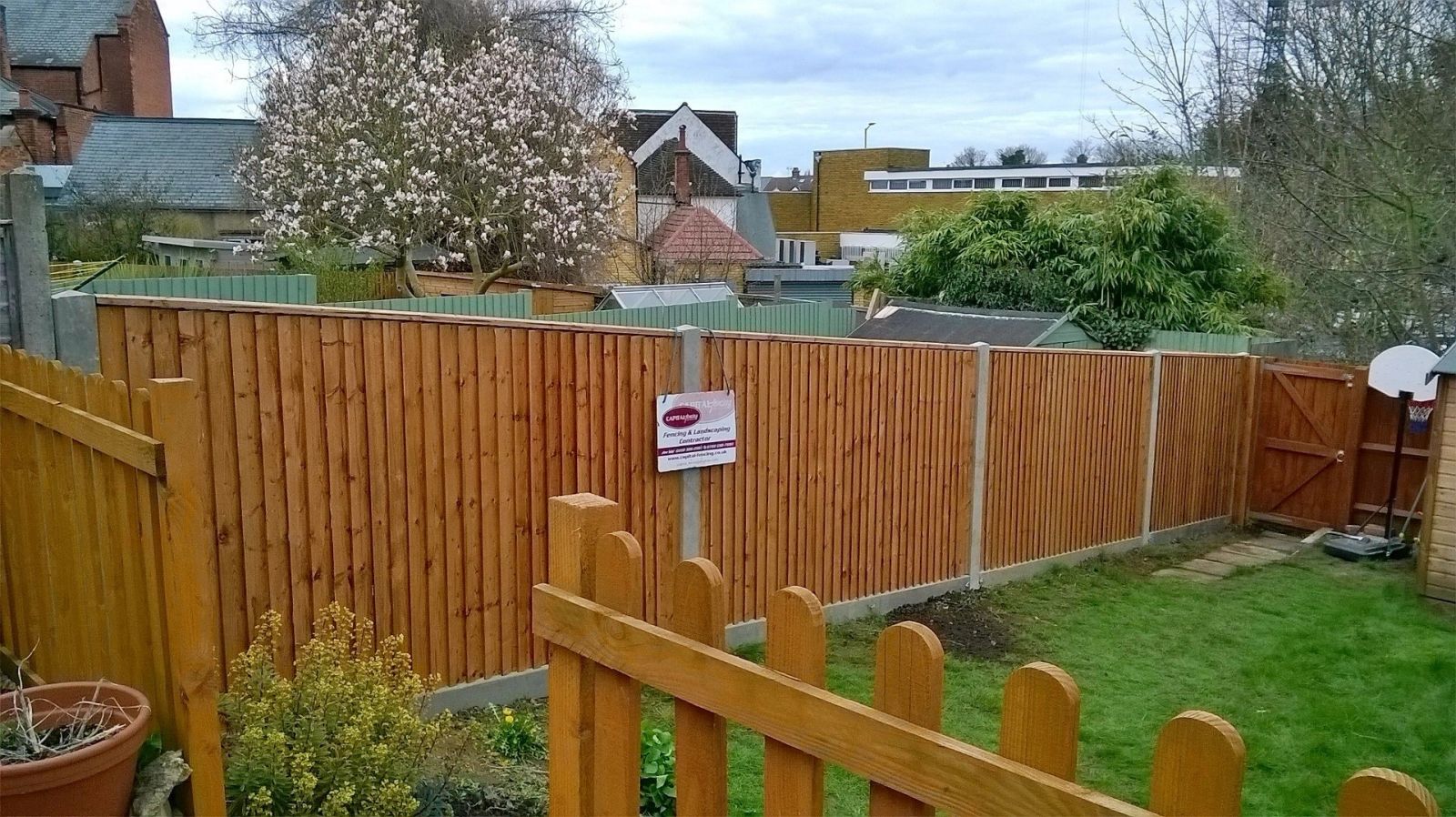
Timber cladding boards are usually fixed with a single row of fixings near one edge rather than through the centre, allowing the board to expand and contract slightly around that fixed edge without the fixing itself resisting the movement.
Fixing through both edges of a wide board effectively locks it in place, which forces any subsequent expansion or shrinkage to manifest as cupping, splitting or fixing failure rather than free movement.
This detail becomes more important as board width increases, since a narrow board moves relatively little in absolute terms while a wide board can move several millimetres across its face between a dry and a humid spell.
Smallholdings
A smallholding often needs several different boundary specifications on one plot — stock fencing for grazing paddocks, a more secure perimeter around poultry runs to keep foxes out, and a conventional garden fence around the house itself.
Movement of livestock between fields is usually managed with gates rather than continuous fence removal, so gate positions need agreeing against the smallholder's actual rotation pattern rather than simply the shortest route.
Because smallholdings often combine agricultural and residential use on the same title, it's worth checking which parts of a boundary project count as agricultural permitted development and which fall under the standard residential rules.
The 1m limit next to a highway
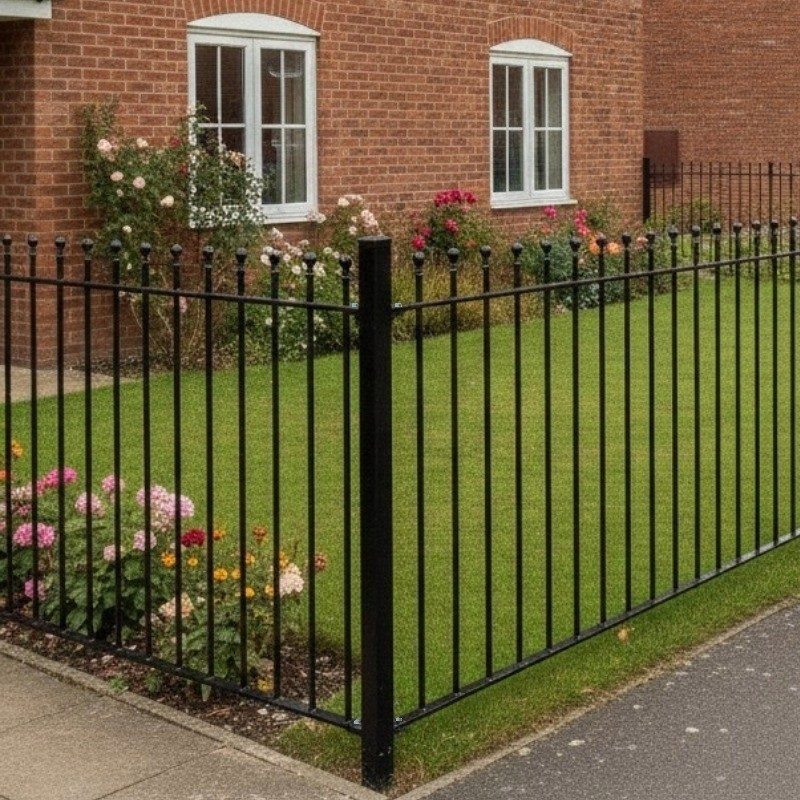
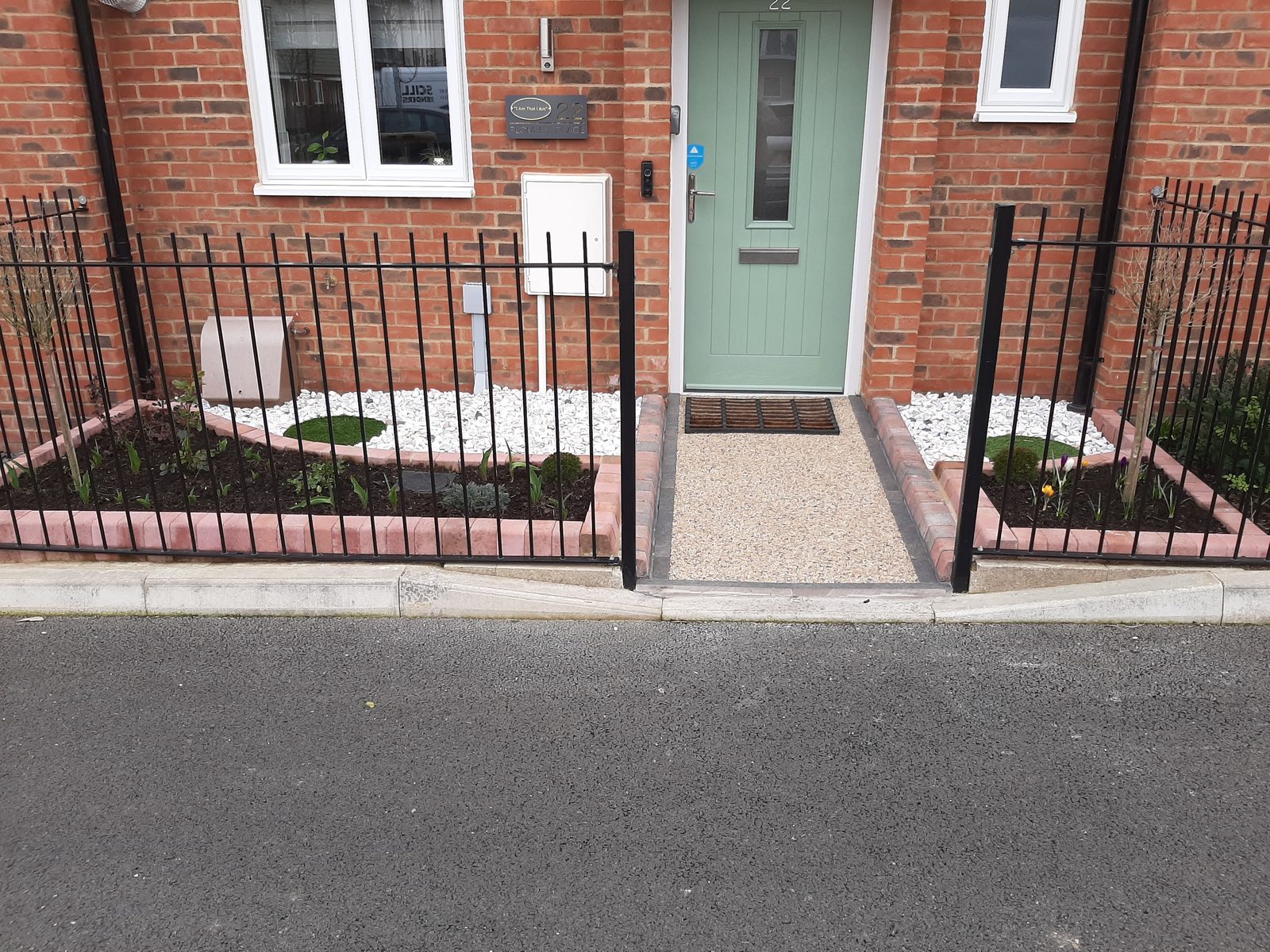
Where a boundary fronts a highway used by vehicles — which includes most residential roads, not just main routes — permitted development height drops to 1 metre rather than 2 metres.
This lower limit exists mainly for visibility and road safety reasons, so it applies even where the fence itself is set back slightly from the actual carriageway edge.
Corner plots can be caught by this rule on more than one side, which is easy to miss when only the main frontage is considered.
Sheltered courtyard microclimates and reduced wear
A small enclosed courtyard garden surrounded by walls or buildings on most sides creates a sheltered microclimate with reduced wind and often reduced direct rain exposure, which can extend the practical life of a timber finish well beyond the general guideline interval.
The trade-off is often reduced airflow and higher humidity in the enclosed space, which can favour algae or mould growth even though the timber itself isn't taking direct weather.
Recommending a maintenance interval based on general exposure alone can be too cautious for a sheltered courtyard or too relaxed for a damp, poorly-ventilated one, so it's worth judging each enclosed garden on its own conditions.
Boundary fences and neighbouring solar panel shading
There's no dedicated 'right to sunlight' for solar panels under general property law, so a compliant boundary fence generally isn't unlawful purely because it casts some shade on a neighbour's panels.
Some newer local planning policies do encourage considering solar shading when reviewing extension or outbuilding applications, though this is less commonly applied to ordinary garden fencing.
Where a fence height decision could noticeably affect a neighbour's solar generation, discussing options informally tends to avoid resentment even without a strict legal duty to do so.