London & Hertfordshire Free Site Visit
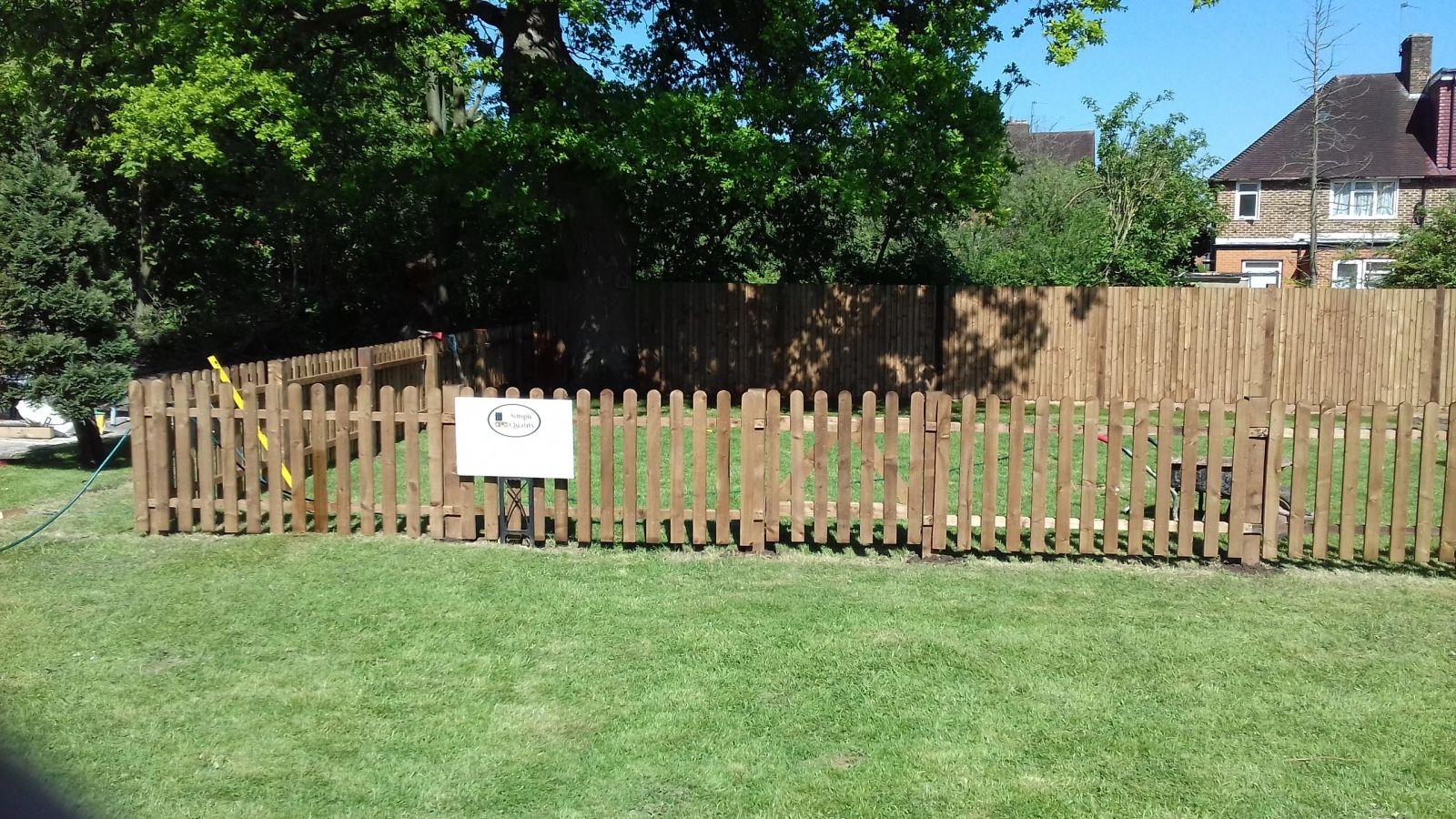
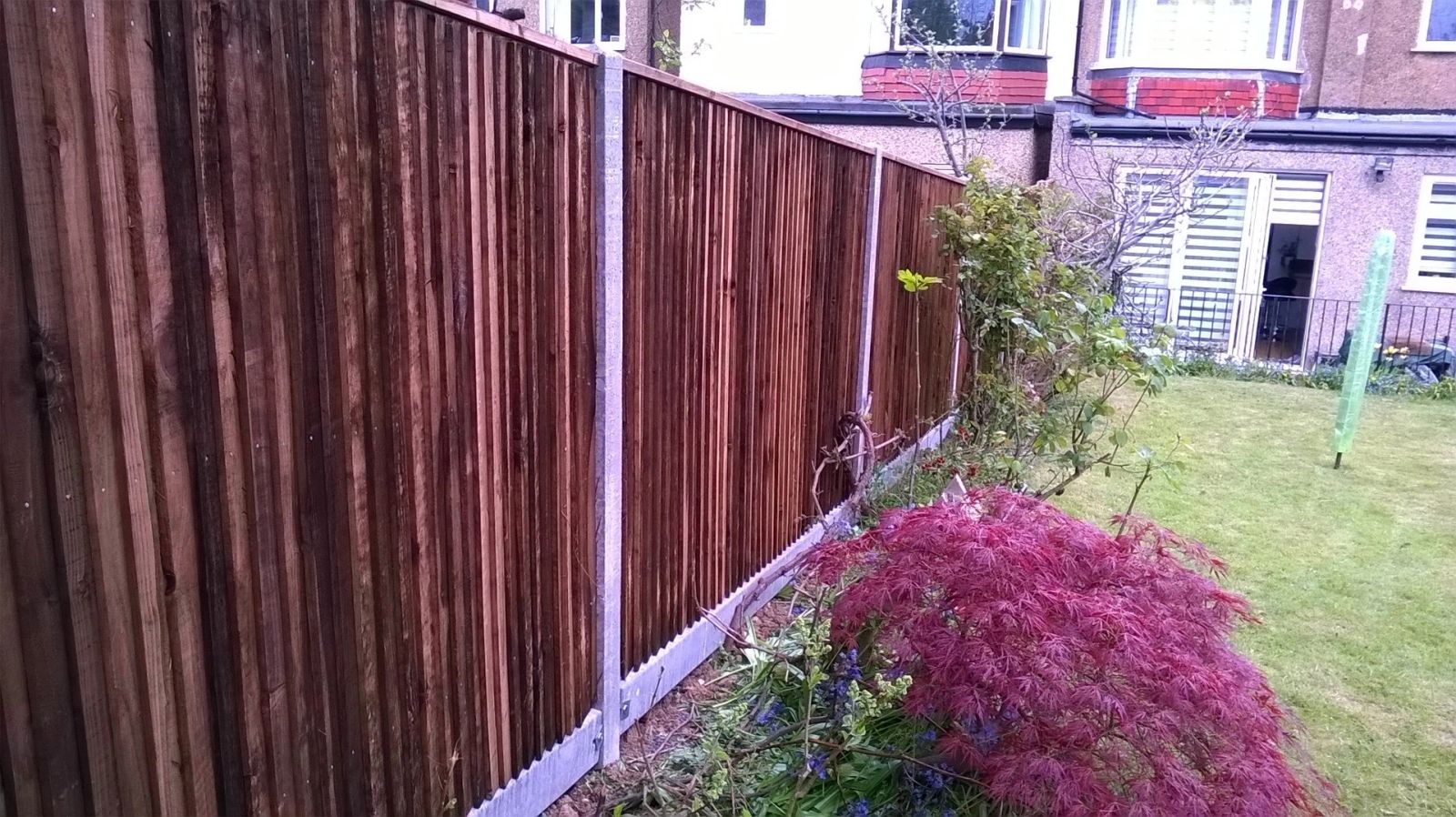
closeboard fence run installed by Capital Fencing in Barnet (EN5)
Barnet · EN5 / N20

Local conservation-area fencing specialist covering Barnet & new barnet

Conservation-area fencing in Barnet is one of our regular briefs — owners in a designated conservation area or fronting a listed building — material and height rules apply. On victorian terraces with narrow rear gardens with mature trees and London clay underfoot, the failure mode we see most often is the one we design out first. Roads such as Hadley Green Road and Stapylton Road are typical of the local layout. High Barnet station is a useful local reference point. Chipping Barnet's medieval plot lines mean the town's boundaries are rarely square, a legacy of the original burgage plots.

Conservation-area fencing in Barnet is one of our regular briefs — owners in a designated conservation area or fronting a listed building — material and height rules apply. On victorian terraces with narrow rear gardens with mature trees and London clay underfoot, the failure mode we see most often is the one we design out first. Roads such as Hadley Green Road and Stapylton Road are typical of the local layout. High Barnet station is a useful local reference point. Chipping Barnet's medieval plot lines mean the town's boundaries are rarely square, a legacy of the original burgage plots.

What goes wrong

Common failure modes on conservation-area fencing

  • installing anything visible from a public road above 1m at the front without permission — the notice arrives inside a month
  • using pressure-treated brown timber on a heritage frontage — flagged by neighbours before it's flagged by planning
Default spec

How we build conservation-area fencing in Barnet

painted softwood picket, oak-post estate railings or low brick-and-rail — heights kept to 1m front / 1.8m rear per PD guidance. On Barnet jobs we adjust for shared-boundary disputes are common on the older terraced streets, so neat post lines and clear ownership marks matter.

Property mix locally: Victorian terraces, post-war semis and a band of larger Edwardian villas around Hadley Green. Typical gardens: narrow rear gardens with mature trees and London clay underfoot. Postcodes we regularly service: EN5, N20.

we check the property's designation, cross-reference the local design guide, and where required prepare drawings for a Certificate of Lawfulness or planning submission.

Why this spec, for owners in a designated conservation area or fronting a listed building — material and height rules apply

  • designs matched to the immediate street rather than a generic catalogue drop-in
  • material choices align with council conservation-area design guides — we've worked through most of them
  • we handle the neighbour and council conversation, not just the physical work

Typical conservation-area fencing briefs in Barnet

  • estate railings on a low brick wall replacing a non-compliant close-panel installed by a previous owner
  • period-style close-board rear boundary using hand-painted white or heritage green rather than dip-treated brown

Conservation Area Fencing FAQs — Barnet

Do I need planning permission to change a conservation-area boundary?

On conservation-area fencing jobs in Barnet (EN5), our default answer is: painted softwood picket, oak-post estate railings or low brick-and-rail — heights kept to 1m front / 1.8m rear per PD guidance. We check the property's designation, cross-reference the local design guide, and where required prepare drawings for a Certificate of Lawfulness or planning submission.

How high can a front boundary be in a conservation area?

Across Barnet we spec around shared-boundary disputes are common on the older terraced streets, so neat post lines and clear ownership marks matter, so on conservation-area fencing that usually means hand-painted softwood picket. For context: material choices align with council conservation-area design guides — we've worked through most of them. We handle the council conversation as part of the job, not as an after-thought.

Do you provide drawings for a Certificate of Lawfulness?

Barnet coverage means we can survey most EN5 addresses inside a week — owners in a designated conservation area or fronting a listed building — material and height rules apply. The honest trade-off is installing anything visible from a public road above 1m at the front without permission — the notice arrives inside a month — which is exactly what our default spec designs out.

Can you match paint colours to the neighbouring frontage?

Practically: painted softwood picket front boundary matched to a neighbouring listed row. That's the Barnet version of this job, not a generic one. We check the property's designation, cross-reference the local design guide, and where required prepare drawings for a Certificate of Lawfulness or planning submission.

How long does conservation-area consent take?

On conservation-area fencing jobs in Barnet (EN5), our default answer is: painted softwood picket, oak-post estate railings or low brick-and-rail — heights kept to 1m front / 1.8m rear per PD guidance. For context: material choices align with council conservation-area design guides — we've worked through most of them. We handle the council conversation as part of the job, not as an after-thought.

Recent conservation area fencing work
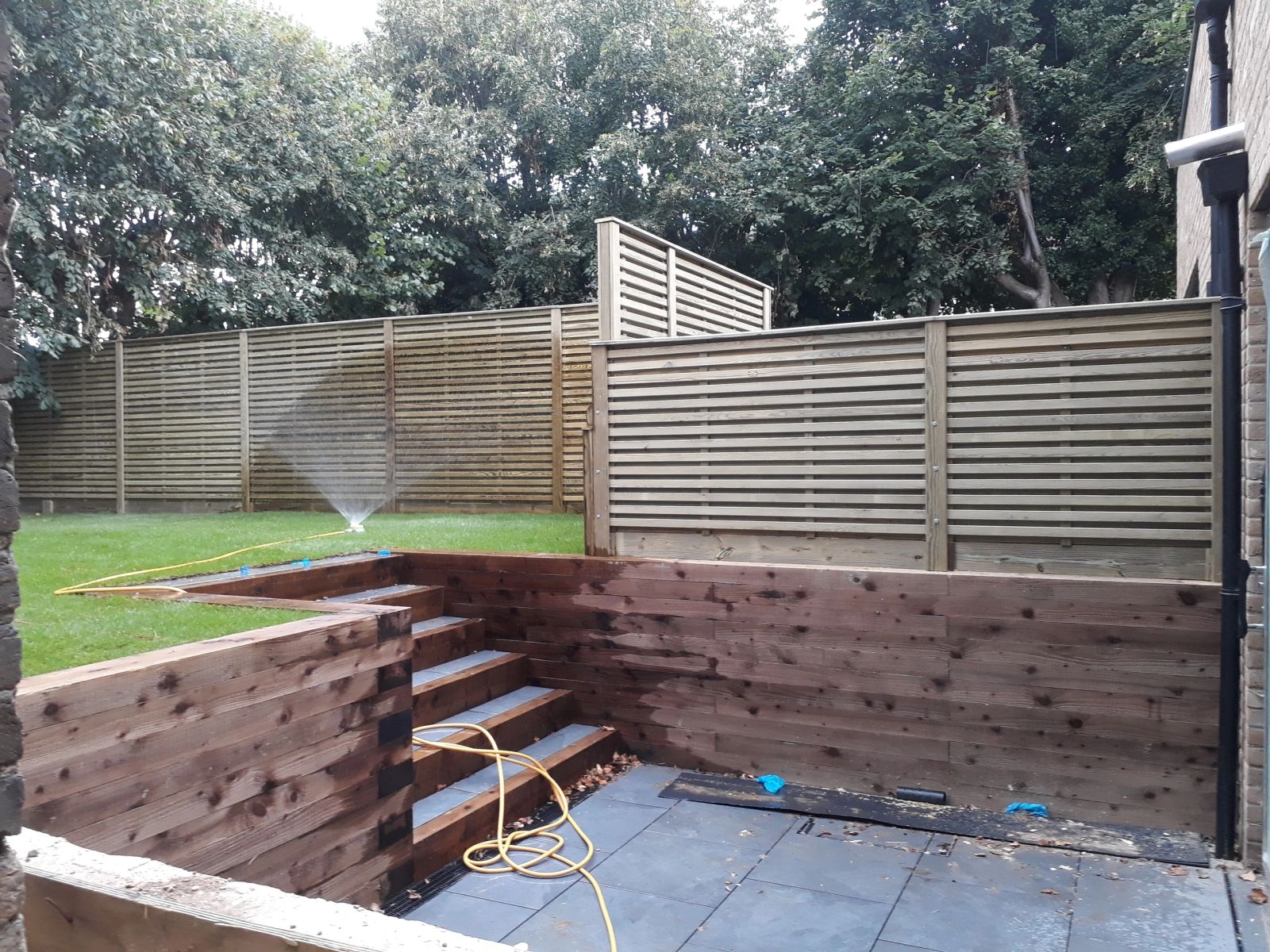
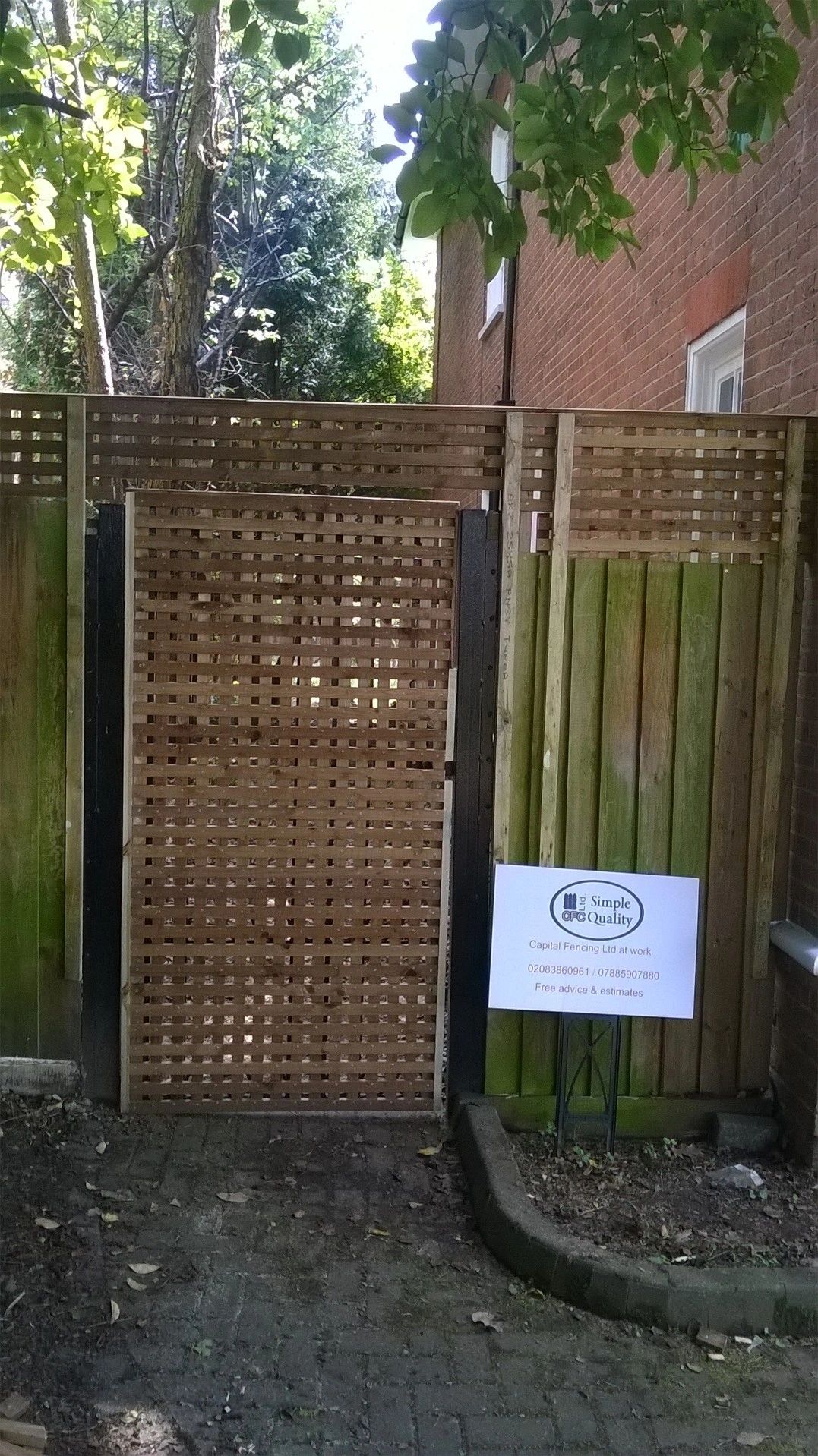
closeboard fence run installed by Capital Fencing in Barnet (EN5)panel fence install installed by Capital Fencing in Barnet (EN5)trellis-topped fence installed by Capital Fencing in Barnet (EN5)bespoke decorative fence installed by Capital Fencing in Barnet (EN5)

Conservation Area Fencing in Barnet: the practical detail

Gate swing on a sloped driveway approach

A driveway gate installed at the top or bottom of a sloped approach needs its swing arc checked against the actual gradient, since a gate that clears the ground when closed can still catch the rising slope partway through its opening arc.

Sliding gates are sometimes preferred over swinging gates on a sloped approach for exactly this reason, since they don't need to clear a changing ground level along their travel.

BS 1722 and palisade fencing specification

BS 1722 covers dimensions, materials and fixing details for various fence types including steel palisade, and specifying to a named part of the standard gives a common reference point between client, contractor and any approving body rather than relying on informal descriptions of height and gauge.

Referencing the standard doesn't remove the need for site-specific judgement on threat level, but it does establish a baseline for pale gauge, post spacing and fixing that a site-specific spec can then be built up from.

Ground movement and gate frame problems

Ground movement under a gate post — from clay shrinkage in dry summers or waterlogging in wet winters — is a common cause of a gate that suddenly starts sticking or dropping after years of working fine.

We check whether the post itself has moved before assuming the fault is in the hinges or the gate face.

Deciding the scope of a part-run rebuild

A part-run rebuild replaces a defined stretch of bays back to sound posts at either end rather than patching individual failures within a longer run, which gives a cleaner, more consistent result where damage is clustered.

Setting the boundaries of a part-run rebuild means checking the posts just outside the visibly damaged section too, since a post that looks fine next to an obviously failed one can still be borderline and best included in the same piece of work.

Recycled plastic fence posts

Posts made from recycled plastic, sometimes blended with additives for UV resistance and rigidity, avoid timber's rot and insect vulnerability entirely, since the material has no organic content for fungi or insects to attack.

They tend to be more flexible than an equivalent timber section of the same size, which can be an advantage in absorbing impact but a disadvantage where rigidity is needed to resist sustained wind load without visible sway.

Their thermal expansion behaviour is closer to other polymer products than to timber, meaning fixings and adjoining materials need similar allowance for movement as with composite boards rather than being treated as a timber-equivalent product.

Controlling dust and debris close to a neighbour

Angle grinding a metal fixing or breaking out an old concrete footing throws dust and fine debris further than expected, which matters on a repair close to a neighbour's washing line, patio furniture or parked car.

Sheeting off the immediate work area and clearing debris before leaving site each day is worth doing even on a short repair, since a small job that leaves a mess behind causes disproportionate friction with a neighbour compared with the size of the work itself.

Re-securing wire fencing where staples have popped

Fencing wire under tension gradually works staples out of a timber post as the timber itself shrinks and swells with the seasons, and once enough staples along a run have popped the wire starts to sag between posts.

Repair means re-tensioning the wire with a strainer before re-stapling, since driving new staples into a slack wire only delays the same sagging rather than fixing it.

Narrow access and carrying materials by hand

Where there's no side access wide enough for a barrow, materials have to be hand-carried through the house or over a boundary, which changes both the time a job takes and the choice of components — shorter, lighter sections are far easier to move this way than long concrete gravel boards.

Protecting internal flooring and doorways during a through-house carry is worth agreeing before the first delivery arrives, since a scuffed hallway wall is one of the most common complaints on this kind of access.

On some terraces the only alternative is craning or lifting material over a roof or side wall, which needs its own access and safety plan rather than being treated as a simple manual carry.

Landlord and void-period turnarounds

Boundary repairs between tenancies are usually driven by a tight void period, where the priority is a straightforward, durable, easy-to-maintain spec rather than a bespoke design, since the landlord isn't the one living behind it.

Standard panel heights and widely-available materials also matter here, because a future repair after another tenant needs to match without a special order or long lead time.

Where several rental properties share the same landlord or managing agent, batching repairs across more than one property in the same visit is often the most efficient way to keep void periods short.

Wicket gates set within a larger gate

A wicket gate is a small pedestrian door built into one leaf of a larger vehicle gate, allowing foot access without opening the whole gate, and it needs its own hinge, latch and frame within the host leaf.

Because it's a frame within a frame, movement in the main gate can throw the wicket's alignment out even when the wicket's own hardware is sound, so both are checked together.

Questions to ask any fencing contractor

Worth asking directly: who owns the boundary being worked on, what happens if buried obstructions are found, and whether waste removal and disposal are included in the price rather than charged separately afterwards.

It's also reasonable to ask what post-setting method will be used for the specific ground conditions on site, since a contractor who hasn't looked at soil type before quoting depth and concrete volume is guessing rather than specifying.

Asking how a contractor handles a shared boundary with a neighbour who hasn't been consulted is a good test of whether they've thought through the ownership question at all, rather than just the fence itself.

Redwood versus whitewood softwood

Redwood, more accurately European or Baltic redwood pine, has a denser structure and a naturally more durable heartwood than whitewood, which is typically spruce and has almost no natural decay resistance.

Both take preservative treatment reasonably well, but whitewood's tighter, harder-to-penetrate structure is one of the species that benefits most from incising before treatment.

In practice most fencing softwood sold as generic 'treated timber' doesn't distinguish clearly between the two, so the preservative treatment does more of the durability work than the species itself.

Working around pets and children on site

An open trench, a stack of loose posts or a partially removed fence panel is an obvious hazard for a young child or an excitable dog, and on an occupied family garden it's worth agreeing at survey stage how pets will be kept away from the working area each day.

A garden with no boundary at all for part of a working day — because the old fence has come down and the new one isn't up yet — needs a temporary barrier or a clear arrangement for keeping animals indoors until the run is complete.

Leaving tools, concrete mix or offcuts accessible overnight on a site with children present is worth avoiding even where the work itself is finished for the day.

Culverted watercourses running beneath a boundary

Some older boundaries have a small watercourse culverted — enclosed in a pipe — beneath them, often unnoticed until groundworks reveal it or a drainage problem develops.

Ordinary watercourses, even culverted ones, can carry maintenance obligations and sometimes require consent from the local authority or Environment Agency before altering anything above or around them.

Where an old map or local knowledge suggests a watercourse might run beneath a boundary, checking with the council's land drainage team before digging is a sensible precaution.

Decking oil versus fence stain maintenance cycles

Decking oil is formulated to cope with foot traffic and standing water in a way that a vertical fence stain isn't, and typically needs reapplying annually on a well-used deck compared with the two-to-three year cycle for a fence.

The horizontal surface of a deck also collects standing water and UV exposure differently to a vertical panel face, wearing unevenly in high-traffic paths compared with less-used corners.

Clients used to a fence's maintenance rhythm sometimes underestimate how much more frequently a deck's finish needs attention, which is worth setting expectations on at the time of installation.

Dealing with a manhole cover sitting on the boundary line

A manhole or inspection chamber cover on or near the fence line has to stay accessible, since utility companies and drainage authorities retain a right to lift covers for maintenance regardless of what's built nearby.

The practical fix is usually to offset the nearest post to one side and let a shortened panel or gravel board span across above the cover, rather than boxing it in or fencing directly over it.

Where the chamber serves a shared drain, it's worth confirming with a neighbour or the water company which covers must stay clear before finalising post positions, since covering one by mistake can mean taking the fence apart again later.

Checking for older asbestos-containing gravel boards before repair

Some older fence installations used asbestos-cement gravel boards or panels, which look similar to concrete at a glance but need identifying and handling differently if disturbed during a repair.

Where a boundary fence predates the ban on asbestos cement products and shows a grey fibrous-looking board rather than standard reinforced concrete, it's worth having it checked before cutting, breaking or disposing of it as ordinary waste.

Flats and maisonettes with communal gardens

Where a garden is communal to several flats, no single leaseholder normally has authority to alter the boundary fence unilaterally — that decision usually sits with the freeholder or a resident's management company under the lease.

Ground-floor maisonettes with an exclusive-use garden are a common exception, but the lease still often restricts fence height or style to protect the amenity of upper flats overlooking the space.

Any quote for work in a communal garden should confirm who is legally instructing the job and paying for it before work starts, since informal agreement from one resident isn't the same as management company sign-off.

Brown versus green treatment pigments

The green or brown tint in pressure-treated softwood comes from a pigment or dye added to the preservative solution during treatment, largely as a visual indicator that the timber has been through the process rather than for any protective purpose.

Green pigments were historically more common but have become less fashionable, with brown or 'tanalised brown' now the more usual finish for fencing timber sold in the UK.

Because the colour is only pigment-deep in places, freshly cut ends and any surface planing during fitting will expose the paler, untreated-looking wood beneath, which is another reason to treat cut ends separately.

Wayleaves for overhead cables crossing a boundary

A wayleave is an agreement, sometimes recorded on the title, allowing a utility company to run cables or equipment across private land, which can include overhead lines crossing directly above a garden boundary.

Fence or gate height near a low-slung overhead cable is worth checking against the clearance the utility company expects, particularly for any structure involving machinery or long materials being lifted into place.

Where an overhead line crosses close to planned fence or gate posts, contacting the relevant utility company for guidance before work starts is the sensible precaution.

Repairing post damage caused by an added light fitting or wiring

A post drilled to carry a solar light, festoon wiring or a mounted fitting has extra penetration points that can let water into the timber, accelerating rot at a spot that wouldn't otherwise be a weak point on that post.

Repair means addressing both the rot and, ideally, resealing or relocating the fitting so the same penetration doesn't cause the same damage again once the post section has been renewed.

Badger and wildlife legal considerations

Badgers and their setts are protected under wildlife legislation, so a repair near an active sett or badger path needs the presence of the animal considered before any digging or fixing work near that spot.

Where wildlife activity is suspected near a repair site, we recommend checking for protected status before altering ground close to the affected boundary.

Conservation Area Fencing across EN5, N20 is a regular run for us. We'll quote honestly, tell you if conservation-area fencing isn't the right answer for your site, and book the job in within a week or two of a signed quote. we handle the council conversation as part of the job, not as an after-thought. Roads such as Wood Street and Hadley Green Road are typical of the local layout. The Spires is a useful local reference point. The Victorian terraces off Wood Street back onto mature street trees protected by the council.

Get In Touch

Get My Free Quote — 24h Response

No callout fee · Free site visit · Friendly local team covering London & Hertfordshire.

Call us
07885907880
or 02036484746
Email
capital_fencing@yahoo.com
WhatsApp
Message us anytime
Area
London & Hertfordshire
Payment
Card payments accepted

Pay by debit or credit card, bank transfer or cash once the work and price are agreed. No deposit taken online.

Request a Free Quote

We'll get back to you within 24 hours.

Free Site Visit No Callout Fee
Call WhatsAppQuote