London & Hertfordshire Free Site Visit
Fencing and gates coverage in Elstree, Borehamwood

Elstree: Fencing & Decking Within Borehamwood

Sitting inside borehamwood and administered by Hertsmere Borough Council, Elstree (WD6) has its own character: village-style detached homes and a band of large new-builds near the studios, gardens deep gardens with mature trees; many premium briefs. What tends to drive the spec on a Elstree job is premium expectations — typical brief is hardwood gates or composite decking finishes. When a boundary dispute reaches a solicitor's letter: A formal 'letter before action' from a solicitor is usually a sign that informal resolution has broken down and one party is preparing to escalate a boundary or fencing dispute further. Receiving one doesn't automatically mean court is inevitable, but it does mean the matter should be taken seriously and responded to, ideally with professional legal advice rather than informally. Flats and maisonettes with communal gardens: Where a garden is communal to several flats, no single leaseholder normally has authority to alter the boundary fence unilaterally — that decision usually sits with the freeholder or a resident's management company under the lease.

WD6

Elstree is part of our Borehamwood coverage under Hertsmere Borough Council, with its own property mix and its own recurring brief.

Property & garden in Elstree

Property: village-style detached homes and a band of large new-builds near the studios

Gardens: deep gardens with mature trees; many premium briefs

premium expectations — typical brief is hardwood gates or composite decking finishes

Nearest arterial: A5135, M25 J23. Served from Elstree & Borehamwood (Thameslink). Nearby commercial anchors: Elstree Studios, Elstree Way.

Practical points for boundary work in Elstree

When a boundary dispute reaches a solicitor's letter

A formal 'letter before action' from a solicitor is usually a sign that informal resolution has broken down and one party is preparing to escalate a boundary or fencing dispute further.

Receiving one doesn't automatically mean court is inevitable, but it does mean the matter should be taken seriously and responded to, ideally with professional legal advice rather than informally.

Most fencing disputes never reach this stage, but knowing the general process exists helps put an early disagreement into perspective before it escalates unnecessarily.

Flats and maisonettes with communal gardens

Where a garden is communal to several flats, no single leaseholder normally has authority to alter the boundary fence unilaterally — that decision usually sits with the freeholder or a resident's management company under the lease.

Ground-floor maisonettes with an exclusive-use garden are a common exception, but the lease still often restricts fence height or style to protect the amenity of upper flats overlooking the space.

Any quote for work in a communal garden should confirm who is legally instructing the job and paying for it before work starts, since informal agreement from one resident isn't the same as management company sign-off.

Comparative shrinkage rates across species

Different timber species shrink by noticeably different amounts for the same change in moisture content, with some tropical hardwoods moving comparatively little and some softwoods, particularly in the tangential direction, moving considerably more.

This matters when mixing species within the same structure, such as a hardwood gate frame with softwood infill boards, since the two materials can move at different rates and open gaps or induce stress at their junctions.

Manufacturers' technical data sheets for structural and decorative timber usually list expected shrinkage percentages, which is the more reliable way to anticipate this than relying on general species reputation alone.

Post depth rules of thumb by height

A common trade rule of thumb is burying roughly a third of the total post length below ground, so a 2.4m fence post typically needs around 600-750mm set depth in reasonable ground.

That ratio needs adjusting upward on wind-exposed sites, in poor bearing ground, or on taller runs above around 1.8m, where the extra leverage on the post multiplies the load on the buried section.

On very firm chalk or dense gravel, slightly shallower depths can be adequate, but as a rule it's easier to justify going deeper than to explain a leaning post two winters later.

Powered auger versus hand-digging post holes

A petrol or hydraulic auger speeds up digging significantly on open, obstruction-free ground, but is the wrong tool near known services, tree roots or previous hardstanding, where it can't tell the difference between soil and something it shouldn't hit.

Access also decides the method — an auger needs room to manoeuvre and, for larger machines, a route wide enough to bring it onto site, which isn't always available on a narrow rear plot.

Hand-digging costs more in labour time but gives far more control in tight, obstructed or sensitive ground, which is why most quotes specify the method appropriate to the actual site rather than assuming the fastest option by default.

Composite wood-polymer ratios

Wood-plastic composite fencing boards are made from a blend of wood fibre and polymer, and the ratio between the two materially affects the finished product's stiffness, weight and how closely it resembles real timber grain.

A higher wood-fibre content generally gives a more timber-like appearance and feel but can also make the board more absorbent and slightly more prone to swelling at cut edges than a polymer-dominant mix.

Composite boards from different manufacturers aren't interchangeable even when nominally similar in size, since differing ratios change how the board expands with temperature and how it should be fixed and spaced.

Services in Elstree

Elstree — frequently asked

What should I know about powered auger versus hand-digging post holes in Elstree?

Hand-digging costs more in labour time but gives far more control in tight, obstructed or sensitive ground, which is why most quotes specify the method appropriate to the actual site rather than assuming the fastest option by default. A petrol or hydraulic auger speeds up digging significantly on open, obstruction-free ground, but is the wrong tool near known services, tree roots or previous hardstanding, where it can't tell the difference between soil and something it shouldn't hit. Access also decides the method — an auger needs room to manoeuvre and, for larger machines, a route wide enough to bring it onto site, which isn't always available on a narrow rear plot.

What areas of Elstree do you cover?

We cover all of Elstree (WD6), under Hertsmere Borough Council.

How does "comparative shrinkage rates across species" affect fencing or decking work in Elstree?

This matters when mixing species within the same structure, such as a hardwood gate frame with softwood infill boards, since the two materials can move at different rates and open gaps or induce stress at their junctions. Manufacturers' technical data sheets for structural and decorative timber usually list expected shrinkage percentages, which is the more reliable way to anticipate this than relying on general species reputation alone. Different timber species shrink by noticeably different amounts for the same change in moisture content, with some tropical hardwoods moving comparatively little and some softwoods, particularly in the tangential direction, moving considerably more.

Post depth rules of thumb by height — what does that mean for a job in Elstree?

A common trade rule of thumb is burying roughly a third of the total post length below ground, so a 2.4m fence post typically needs around 600-750mm set depth in reasonable ground. That ratio needs adjusting upward on wind-exposed sites, in poor bearing ground, or on taller runs above around 1.8m, where the extra leverage on the post multiplies the load on the buried section. On very firm chalk or dense gravel, slightly shallower depths can be adequate, but as a rule it's easier to justify going deeper than to explain a leaning post two winters later.

What's the most common issue you plan around in Elstree?

Premium expectations — typical brief is hardwood gates or composite decking finishes.

How does "composite wood-polymer ratios" affect fencing or decking work in Elstree?

Wood-plastic composite fencing boards are made from a blend of wood fibre and polymer, and the ratio between the two materially affects the finished product's stiffness, weight and how closely it resembles real timber grain. A higher wood-fibre content generally gives a more timber-like appearance and feel but can also make the board more absorbent and slightly more prone to swelling at cut edges than a polymer-dominant mix. Composite boards from different manufacturers aren't interchangeable even when nominally similar in size, since differing ratios change how the board expands with temperature and how it should be fixed and spaced.

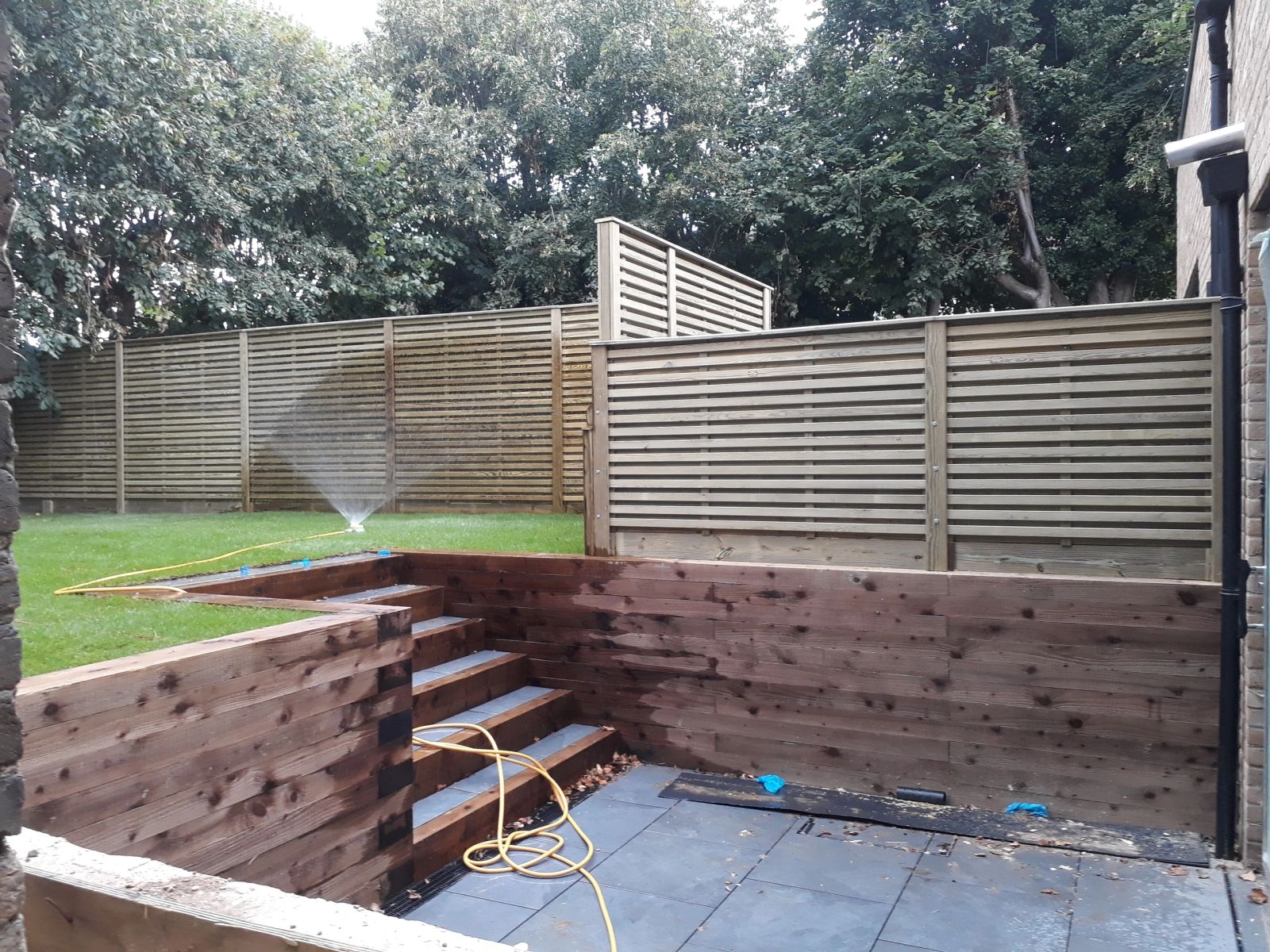
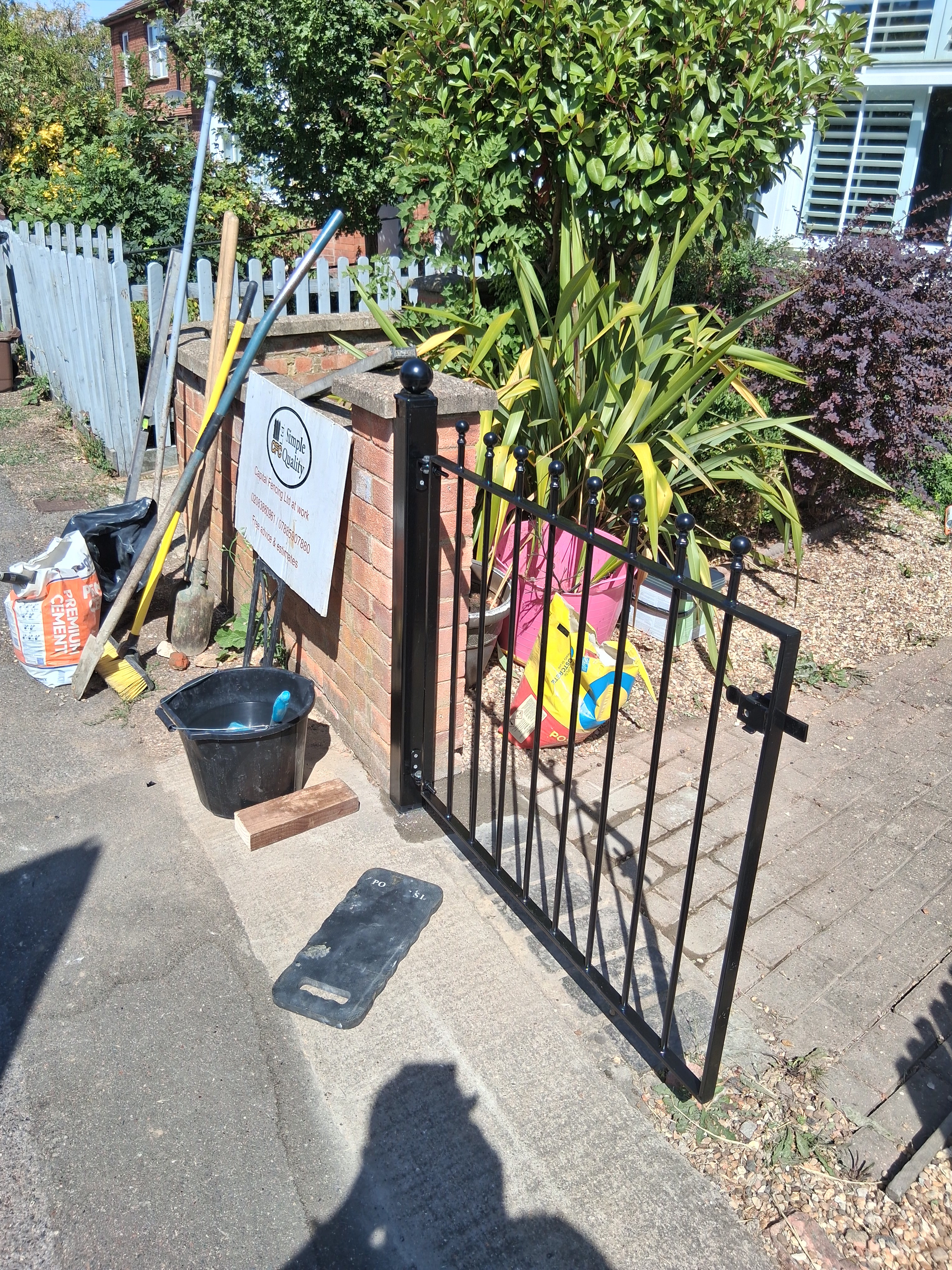
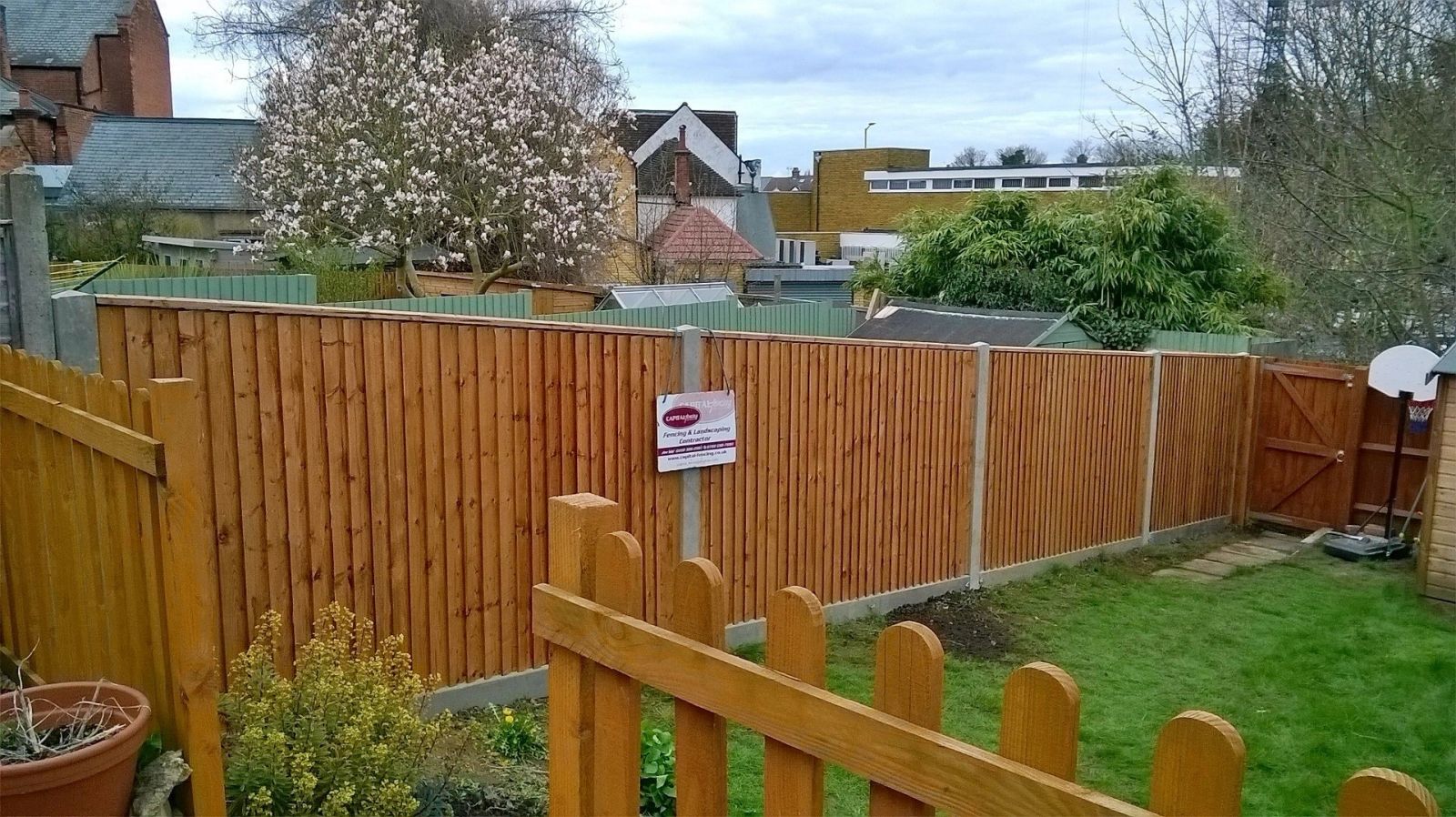
Capital Fencing project in Elstree, WD6Capital Fencing project in Elstree, WD6Capital Fencing project in Elstree, WD6

Access is via A5135, with Elstree & Borehamwood (Thameslink) close by. Comparative shrinkage rates across species: Different timber species shrink by noticeably different amounts for the same change in moisture content, with some tropical hardwoods moving comparatively little and some softwoods, particularly in the tangential direction, moving considerably more. This matters when mixing species within the same structure, such as a hardwood gate frame with softwood infill boards, since the two materials can move at different rates and open gaps or induce stress at their junctions. Post depth rules of thumb by height: A common trade rule of thumb is burying roughly a third of the total post length below ground, so a 2.4m fence post typically needs around 600-750mm set depth in reasonable ground.

Get In Touch

Get My Free Quote — 24h Response

No callout fee · Free site visit · Friendly local team covering London & Hertfordshire.

Request a Free Quote

We'll get back to you within 24 hours.

Free Site Visit No Callout Fee
Call WhatsAppQuote