London & Hertfordshire Free Site Visit

Tottenham: Fencing & Decking Within Haringey

Postcode N17 takes in Tottenham, a pocket of haringey under Haringey Council where victorian and edwardian terraces, plus post-war estates and new-build blocks near the stadium predominates and gardens run small to mid rear gardens; several plots border railway cutting land. Locally, the detail that shapes most quotes is match-day access windows around n17 mean weekday-only delivery slots are essential. Realistic maintenance intervals: Pressure-treated softwood fencing generally wants a re-application of preservative or stain every two to three years to keep the surface protected, more often on a south-facing run that gets constant UV exposure. Gate hinges and latches are worth checking annually for movement or corrosion, since a small adjustment caught early avoids the gate racking out of square and needing a rebuild. Aluminium and steel railings: Aluminium railings are lighter, don't rust, and hold a powder-coated finish well without the ongoing maintenance steel needs, which makes them common for low-boundary and pool-safety railings where upkeep is meant to be minimal.

Book a site visit in Tottenham

A short walk-round lets us measure, spec and quote in writing before you commit.

Garden boundary work in Tottenham
N17

Tottenham is part of our Haringey coverage under Haringey Council, with its own property mix and its own recurring brief.

Streets we regularly work on here: Philip Lane, Lansdowne Road, Scotland Green, Bruce Grove. Local anchors: Markfield Park, Tottenham Hale interchange, Tottenham Hotspur Stadium.

Tottenham is home to the Tottenham Hotspur Stadium, and matchday road closures affect traffic around the ground on N17 streets. Bruce Castle, a sixteenth-century manor house, sits within its own park in the north of the area. Lansdowne Road backs onto a railway cutting on the East Coast Main Line.

Property & garden in Tottenham

Property: Victorian and Edwardian terraces, plus post-war estates and new-build blocks near the stadium

Gardens: small to mid rear gardens; several plots border railway cutting land

match-day access windows around N17 mean weekday-only delivery slots are essential

Nearest arterial: A1010 Tottenham High Road, A406 North Circular. Served from Tottenham Hale (Victoria line / Overground). Nearby commercial anchors: High Road N17, White Hart Lane.

Practical points for boundary work in Tottenham

Realistic maintenance intervals

Pressure-treated softwood fencing generally wants a re-application of preservative or stain every two to three years to keep the surface protected, more often on a south-facing run that gets constant UV exposure.

Gate hinges and latches are worth checking annually for movement or corrosion, since a small adjustment caught early avoids the gate racking out of square and needing a rebuild.

Decking boards benefit from a yearly clean to clear leaf litter and algae from the gaps, which is what actually causes most of the slipperiness people blame on the timber itself.

Aluminium and steel railings

Aluminium railings are lighter, don't rust, and hold a powder-coated finish well without the ongoing maintenance steel needs, which makes them common for low-boundary and pool-safety railings where upkeep is meant to be minimal.

Steel railings are heavier and stiffer for the same section size, which suits taller or higher-security applications, but the finish has to be maintained — a scratch through galvanising or powder coating exposes bare steel to rust from that point.

Both are usually supplied as welded panels between posts rather than built up rail-by-rail on site, so panel width and post spacing need to be agreed before ordering rather than adjusted afterward.

Composite thermal expansion

Wood-plastic composite boards expand and contract with temperature considerably more than solid timber, since the polymer content responds more to heat than wood fibre does on its own.

Manufacturers specify a mandatory expansion gap at both board ends and between boards laid end to end, and skipping that gap during installation is one of the most common causes of composite decking or fencing buckling in hot weather.

Dark-coloured composite absorbs more solar heat than lighter shades and expands correspondingly more, so the expansion allowance recommended for a dark board is often greater than for a pale one of the same profile.

Coordinating fencing work with other trades on a shared site

On a job where fencing follows landscaping, paving or groundworks by another trade, confirming final levels and boundary positions with that other trade before digging starts avoids fence posts being set to a level that then changes once the remaining groundwork is finished.

Where fencing is scheduled before paving, agreeing which side of the post line the paving will finish against prevents a post ending up embedded in what should have been a clear paving joint.

Simple sequencing conversations at the outset, rather than each trade working to its own assumptions, avoid the more expensive alternative of one trade's finished work being disturbed by the next.

Corner visibility splays affecting fence height specifically

Some corner plots have a specific visibility splay condition attached to their planning history that limits fence, hedge or wall height at the junction to well below the normal 1m road-facing limit.

This is separate from the general permitted development height rule and takes precedence where it applies, since it's usually tied to road safety at a specific junction.

Checking the property's planning history for this kind of condition before fencing a corner plot boundary avoids building something that later needs cutting back.

Checking cumulative ground level change along a long boundary

A gentle, barely perceptible slope checked only between adjacent posts can still add up to a substantial total fall over a long boundary, which is easy to miss without measuring from a single fixed datum along the whole run.

Taking level readings from one datum point at both ends and at intervals along the run, rather than only comparing each post to its immediate neighbour, reveals the true overall fall before panel and post heights are finalised.

This matters most for ordering materials in advance, since a run that turns out to need more steps or a longer rake than first estimated can mean extra cut panels or capping that weren't in the original take-off.

Services in Tottenham

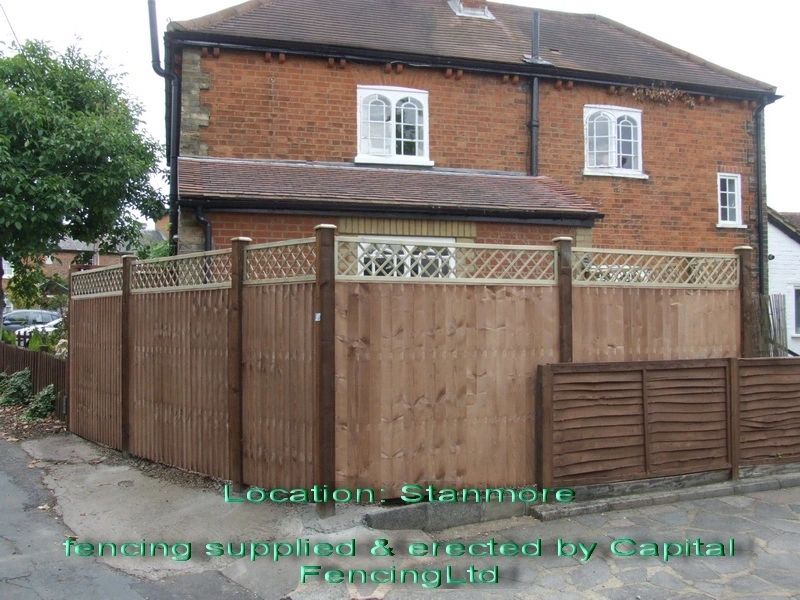
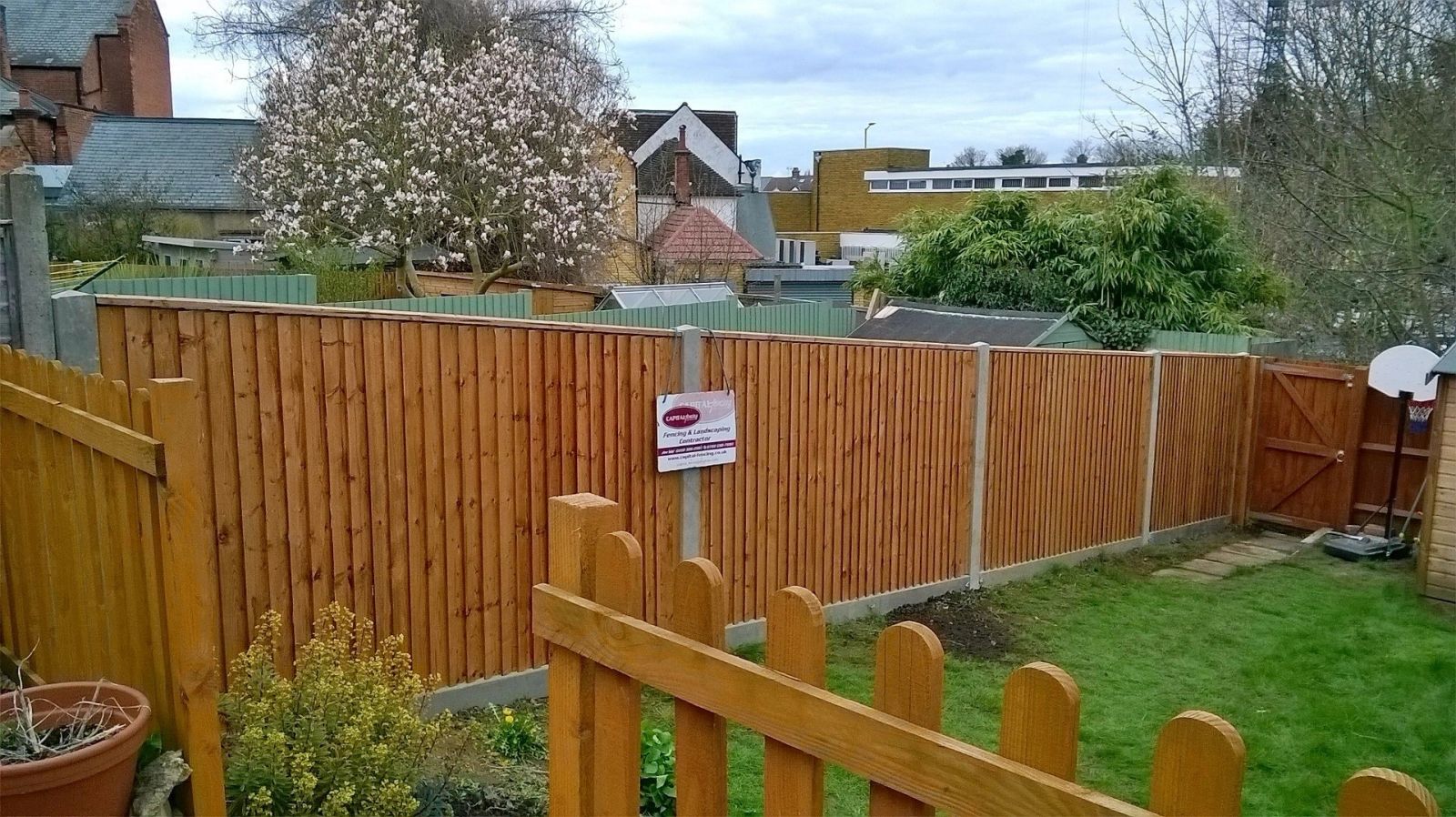
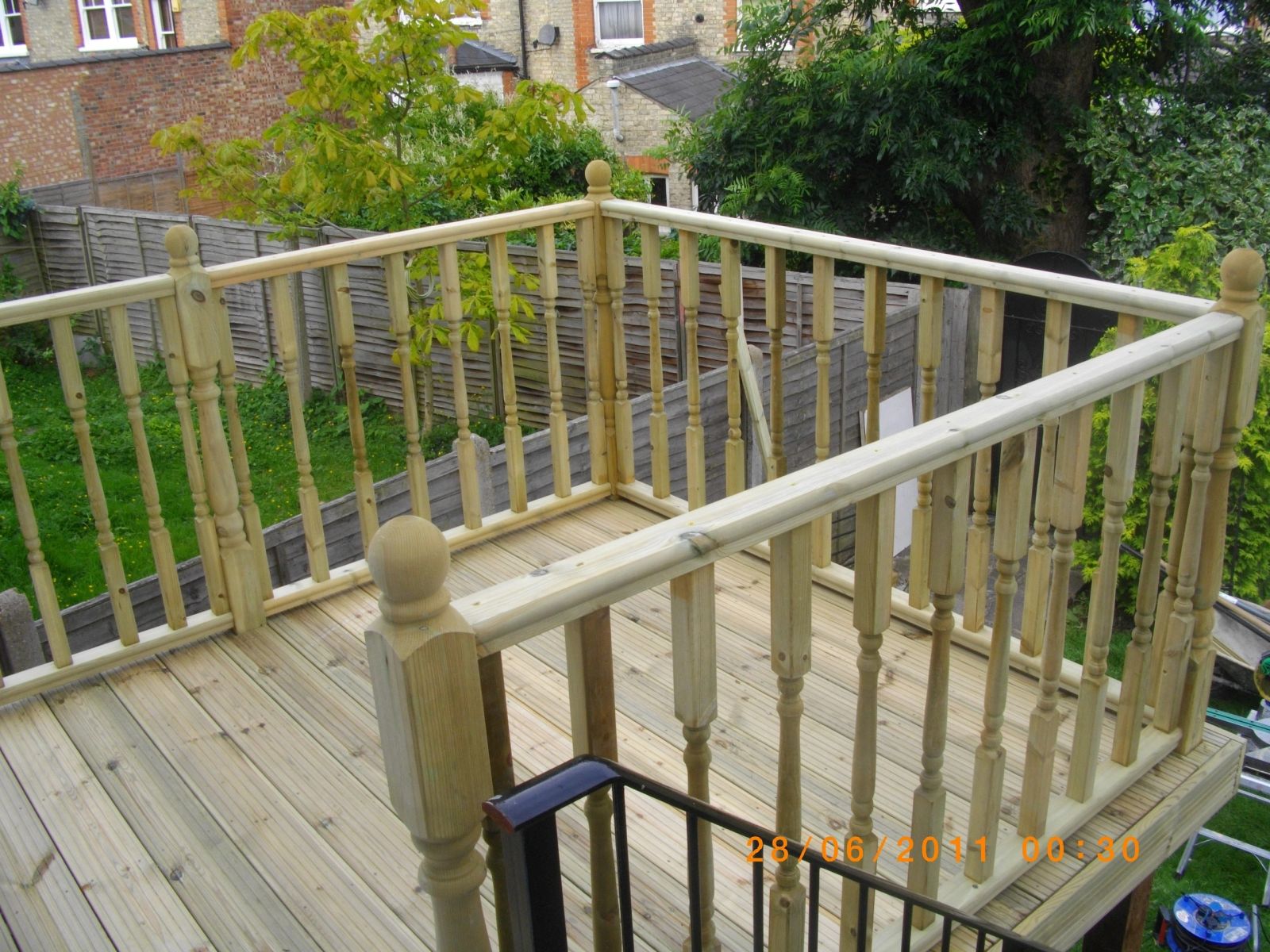
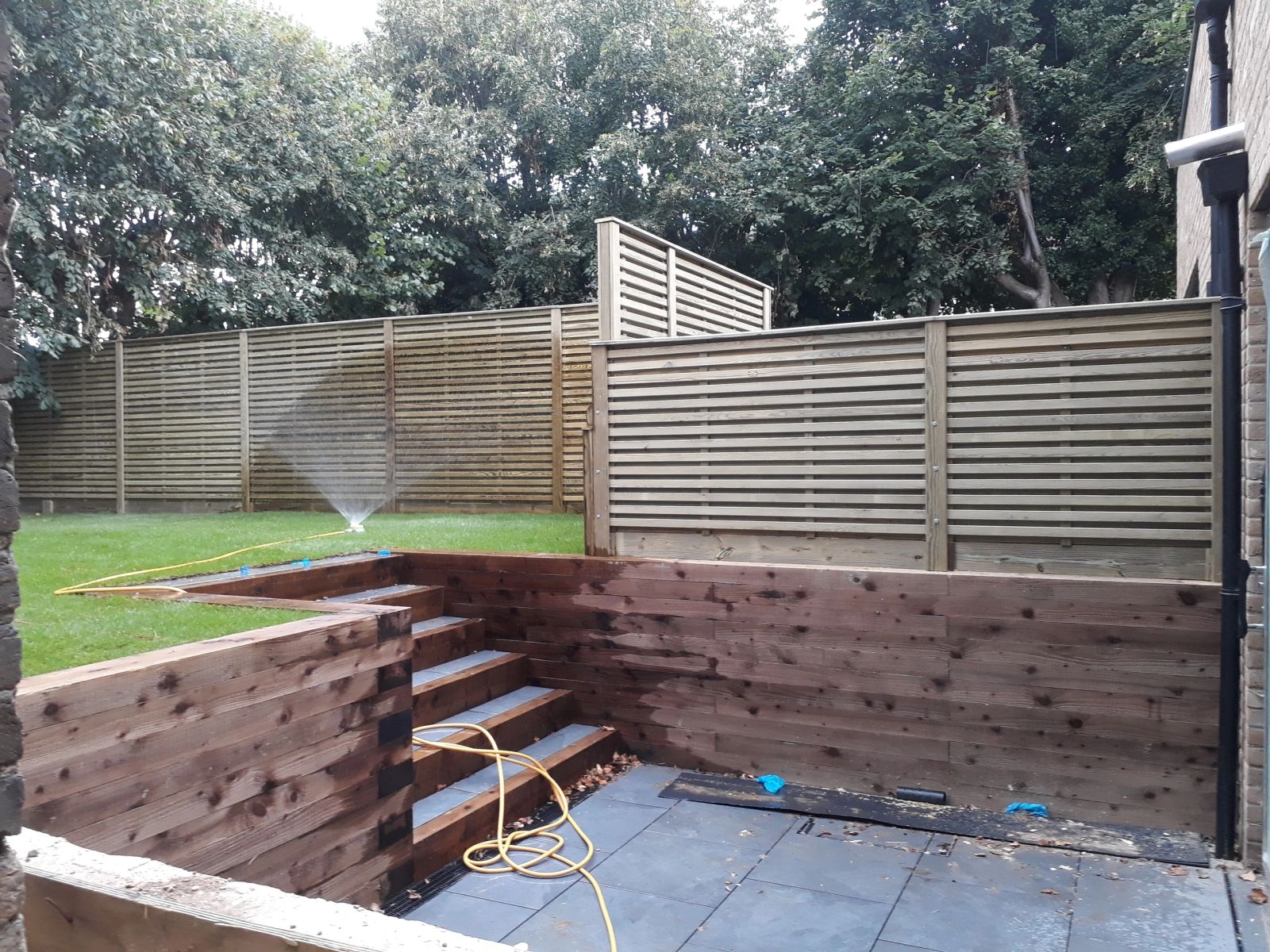
Capital Fencing project in Tottenham, N17Capital Fencing project in Tottenham, N17Capital Fencing project in Tottenham, N17

Tottenham — frequently asked

Is Tottenham within your standard travel area?

Yes — Tottenham is served from Tottenham Hale (Victoria line / Overground), off A1010 Tottenham High Road, and is inside our regular working patch.

What areas of Tottenham do you cover?

We cover all of Tottenham (N17), under Haringey Council.

How does "checking cumulative ground level change along a long boundary" affect fencing or decking work in Tottenham?

A gentle, barely perceptible slope checked only between adjacent posts can still add up to a substantial total fall over a long boundary, which is easy to miss without measuring from a single fixed datum along the whole run. Taking level readings from one datum point at both ends and at intervals along the run, rather than only comparing each post to its immediate neighbour, reveals the true overall fall before panel and post heights are finalised. This matters most for ordering materials in advance, since a run that turns out to need more steps or a longer rake than first estimated can mean extra cut panels or capping that weren't in the original take-off.

Is composite thermal expansion something you plan for in Tottenham?

Wood-plastic composite boards expand and contract with temperature considerably more than solid timber, since the polymer content responds more to heat than wood fibre does on its own. Manufacturers specify a mandatory expansion gap at both board ends and between boards laid end to end, and skipping that gap during installation is one of the most common causes of composite decking or fencing buckling in hot weather. Dark-coloured composite absorbs more solar heat than lighter shades and expands correspondingly more, so the expansion allowance recommended for a dark board is often greater than for a pale one of the same profile.

How does "coordinating fencing work with other trades on a shared site" affect fencing or decking work in Tottenham?

Simple sequencing conversations at the outset, rather than each trade working to its own assumptions, avoid the more expensive alternative of one trade's finished work being disturbed by the next. On a job where fencing follows landscaping, paving or groundworks by another trade, confirming final levels and boundary positions with that other trade before digging starts avoids fence posts being set to a level that then changes once the remaining groundwork is finished. Where fencing is scheduled before paving, agreeing which side of the post line the paving will finish against prevents a post ending up embedded in what should have been a clear paving joint.

What should I know about corner visibility splays affecting fence height specifically in Tottenham?

This is separate from the general permitted development height rule and takes precedence where it applies, since it's usually tied to road safety at a specific junction. Checking the property's planning history for this kind of condition before fencing a corner plot boundary avoids building something that later needs cutting back. Some corner plots have a specific visibility splay condition attached to their planning history that limits fence, hedge or wall height at the junction to well below the normal 1m road-facing limit.

A1010 Tottenham High Road runs through this pocket, with Tottenham Hale (Victoria line / Overground) nearby. Composite thermal expansion: Wood-plastic composite boards expand and contract with temperature considerably more than solid timber, since the polymer content responds more to heat than wood fibre does on its own. Manufacturers specify a mandatory expansion gap at both board ends and between boards laid end to end, and skipping that gap during installation is one of the most common causes of composite decking or fencing buckling in hot weather. Coordinating fencing work with other trades on a shared site: On a job where fencing follows landscaping, paving or groundworks by another trade, confirming final levels and boundary positions with that other trade before digging starts avoids fence posts being set to a level that then changes once the remaining groundwork is finished.

Get In Touch

Get My Free Quote — 24h Response

No callout fee · Free site visit · Friendly local team covering London & Hertfordshire.

Request a Free Quote

We'll get back to you within 24 hours.

Free Site Visit No Callout Fee
Call WhatsAppQuote