London & Hertfordshire Free Site Visit

Crouch End: Fencing & Decking Within Haringey

Postcode N8 takes in Crouch End, a pocket of haringey under Haringey Council where victorian and edwardian terraces on steep tree-lined streets predominates and gardens run long sloping rear gardens with mature trees and tpos across most streets. Locally, the detail that shapes most quotes is tpos and steep gradients mean stepped panel runs and hand-augered post holes are the norm. Who maintains a grass verge next to a boundary: A grass verge between a garden boundary and the road is often owned and maintained by the local council as part of the adopted highway, rather than by the adjoining property owner. This affects where a fence can legally be positioned, since building onto highway land, even a seemingly unused verge, generally needs authorisation. Sourcing reclaimed or discontinued timber to match an existing run: Older properties sometimes have a fence built from timber sections, profiles or panel sizes no longer in standard production, which makes an exact match difficult without sourcing reclaimed stock or having a bespoke run cut.

Book a site visit in Crouch End

A short walk-round lets us measure, spec and quote in writing before you commit.

Garden boundary work in Crouch End
N8

Crouch End is part of our Haringey coverage under Haringey Council, with its own property mix and its own recurring brief.

Property & garden in Crouch End

Property: Victorian and Edwardian terraces on steep tree-lined streets

Gardens: long sloping rear gardens with mature trees and TPOs across most streets

TPOs and steep gradients mean stepped panel runs and hand-augered post holes are the norm

Nearest arterial: A103 Crouch End Hill, A406 (10 min). Served from Hornsey (Great Northern). Nearby commercial anchors: The Broadway, Topsfield Parade.

Practical points for boundary work in Crouch End

Who maintains a grass verge next to a boundary

A grass verge between a garden boundary and the road is often owned and maintained by the local council as part of the adopted highway, rather than by the adjoining property owner.

This affects where a fence can legally be positioned, since building onto highway land, even a seemingly unused verge, generally needs authorisation.

Where the extent of a verge and its ownership isn't obvious, the local highway authority can usually confirm it against their adopted highway records.

Sourcing reclaimed or discontinued timber to match an existing run

Older properties sometimes have a fence built from timber sections, profiles or panel sizes no longer in standard production, which makes an exact match difficult without sourcing reclaimed stock or having a bespoke run cut.

Reclaimed timber needs the same checks as new stock — treatment condition, rot, and structural soundness — before reuse, since visually matching timber that's structurally compromised isn't a genuine repair.

Where matching isn't practical, agreeing a deliberate, tidy transition point with the client (a change of panel style at a natural break, like a corner post) usually looks better than trying and failing to blend two slightly different materials seamlessly.

Fast-setting post mix performance in cold, exposed conditions

Fast-setting post-fix concrete generates heat as it cures, which normally helps it set reliably even in cool weather, but on a genuinely exposed and cold site that heat can be carried away faster than it's generated, slowing or compromising the cure.

In these conditions a longer undisturbed curing period, or a mix formulated for cold-weather use, gives a more reliable result than assuming a fast-set product will behave the same as it would in a sheltered garden.

Posts loaded too soon after pouring on an exposed site — by wind rather than by the installer — are a genuine risk that doesn't apply in the same way to a sheltered, still garden.

Vegetation growing through or over a shared fence

Plants growing from one garden through, over or against a shared fence — a spreading shrub, an overhanging branch, a self-seeded sapling in the fence line itself — sit in a grey area between garden maintenance and boundary structure that isn't always covered by a simple 'good neighbour' agreement.

A sapling that germinates directly against a post and is left to grow can eventually distort or crack the post as its trunk thickens, which is a slow-motion structural problem rather than a purely cosmetic one.

Flagging seedlings growing in or immediately against a fence line at an early stage, before root or trunk growth causes structural distortion, avoids a much larger repair later.

Dealing with an encroaching fence line

An 'encroaching' fence is one built further onto a neighbouring property than the true boundary allows, sometimes discovered only when a new survey or sale brings the discrepancy to light.

Resolving this is usually a conversation first — checking the title plans together and agreeing a way forward — rather than an immediate confrontation, since older fences are often innocently mispositioned rather than deliberately encroaching.

Where agreement can't be reached informally, this becomes a legal boundary dispute best handled with professional advice rather than unilateral action by either side.

Sequencing work when more than one person is digging

On a longer run with more than one person digging simultaneously, working from both ends toward the middle rather than each person working independently along the same stretch reduces the risk of small setting-out errors compounding in the middle of the run.

Whoever sets out the string line and corner points needs to communicate any adjustment immediately to everyone digging, since a post dug to an outdated mark before a correction is passed on means redoing that hole.

Checking in at the midpoint, where the two ends meet, catches any accumulated drift before panels are ordered or cut to a spacing that assumed the line stayed perfectly true throughout.

Services in Crouch End

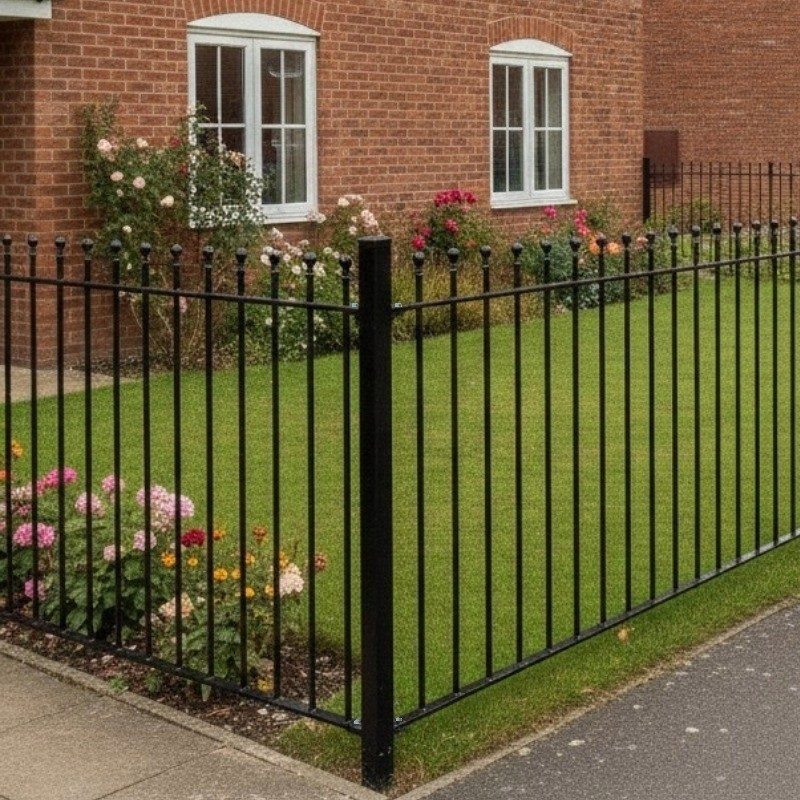
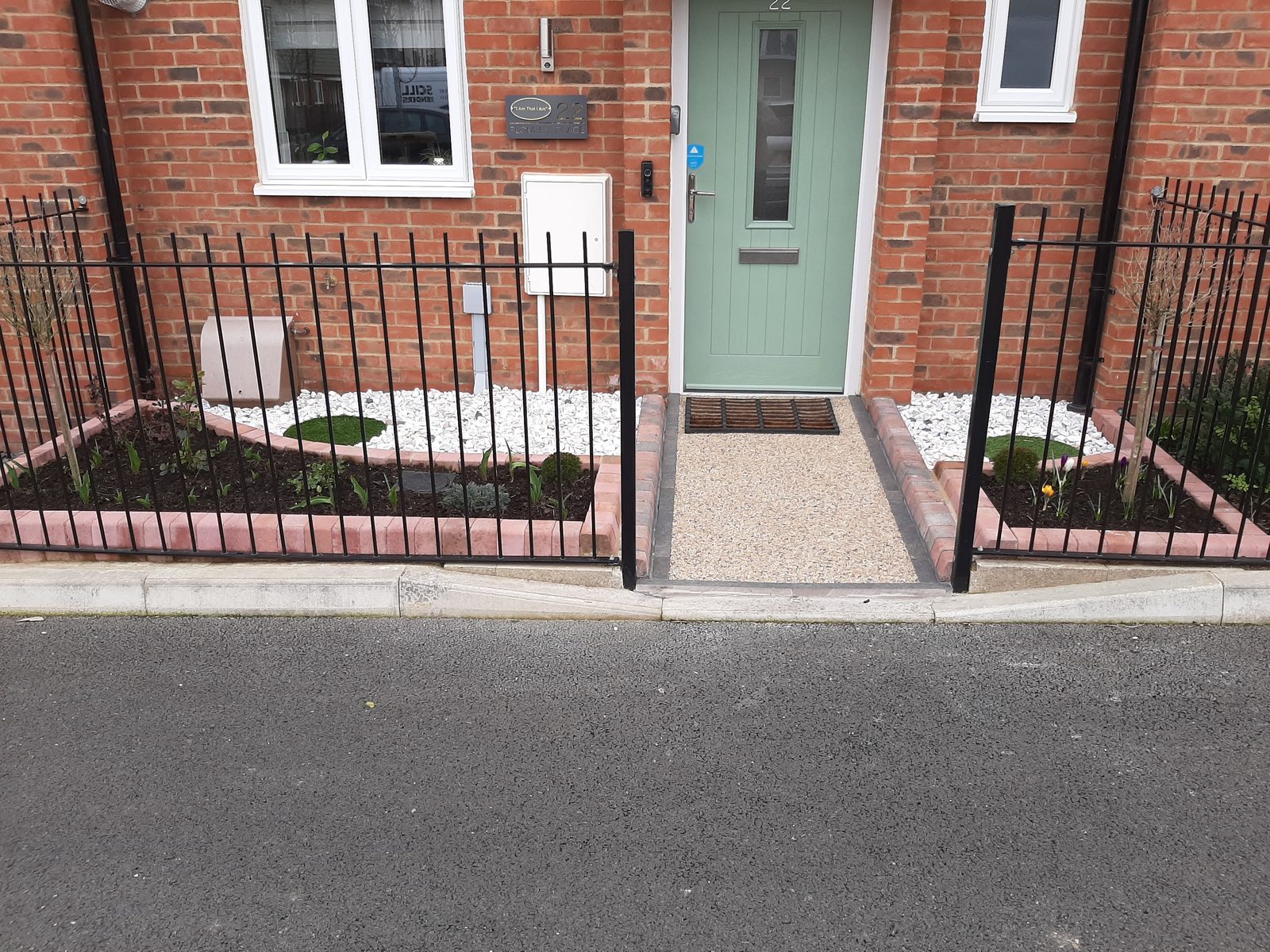
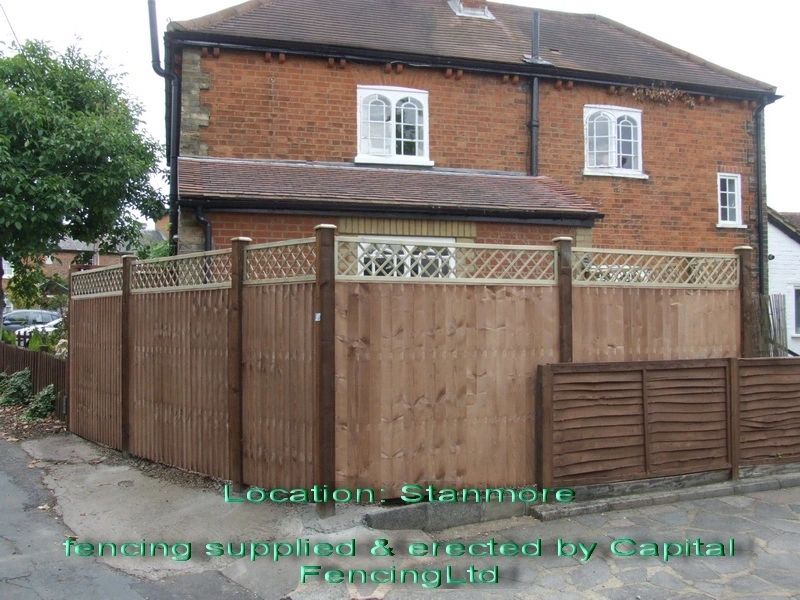
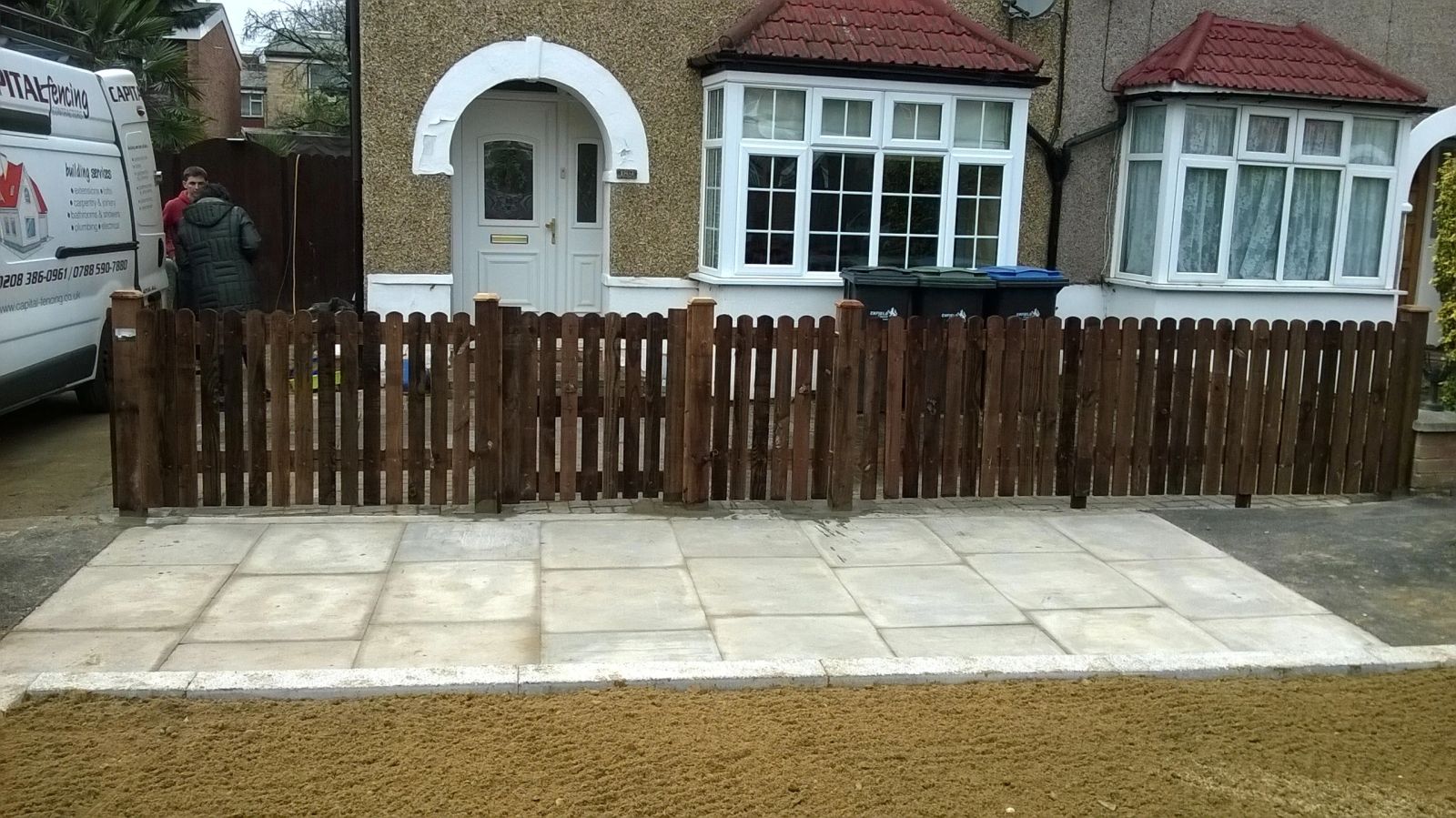
Capital Fencing project in Crouch End, N8Capital Fencing project in Crouch End, N8Capital Fencing project in Crouch End, N8

Crouch End — frequently asked

Vegetation growing through or over a shared fence — what does that mean for a job in Crouch End?

Plants growing from one garden through, over or against a shared fence — a spreading shrub, an overhanging branch, a self-seeded sapling in the fence line itself — sit in a grey area between garden maintenance and boundary structure that isn't always covered by a simple 'good neighbour' agreement. A sapling that germinates directly against a post and is left to grow can eventually distort or crack the post as its trunk thickens, which is a slow-motion structural problem rather than a purely cosmetic one. Flagging seedlings growing in or immediately against a fence line at an early stage, before root or trunk growth causes structural distortion, avoids a much larger repair later.

What areas of Crouch End do you cover?

We cover all of Crouch End (N8), under Haringey Council.

What should I know about dealing with an encroaching fence line in Crouch End?

Resolving this is usually a conversation first — checking the title plans together and agreeing a way forward — rather than an immediate confrontation, since older fences are often innocently mispositioned rather than deliberately encroaching. Where agreement can't be reached informally, this becomes a legal boundary dispute best handled with professional advice rather than unilateral action by either side. An 'encroaching' fence is one built further onto a neighbouring property than the true boundary allows, sometimes discovered only when a new survey or sale brings the discrepancy to light.

Is sequencing work when more than one person is digging something you plan for in Crouch End?

On a longer run with more than one person digging simultaneously, working from both ends toward the middle rather than each person working independently along the same stretch reduces the risk of small setting-out errors compounding in the middle of the run. Whoever sets out the string line and corner points needs to communicate any adjustment immediately to everyone digging, since a post dug to an outdated mark before a correction is passed on means redoing that hole. Checking in at the midpoint, where the two ends meet, catches any accumulated drift before panels are ordered or cut to a spacing that assumed the line stayed perfectly true throughout.

How does "fast-setting post mix performance in cold, exposed conditions" affect fencing or decking work in Crouch End?

In these conditions a longer undisturbed curing period, or a mix formulated for cold-weather use, gives a more reliable result than assuming a fast-set product will behave the same as it would in a sheltered garden. Posts loaded too soon after pouring on an exposed site — by wind rather than by the installer — are a genuine risk that doesn't apply in the same way to a sheltered, still garden. Fast-setting post-fix concrete generates heat as it cures, which normally helps it set reliably even in cool weather, but on a genuinely exposed and cold site that heat can be carried away faster than it's generated, slowing or compromising the cure.

What's the typical garden like in Crouch End?

Long sloping rear gardens with mature trees and TPOs across most streets is typical, alongside victorian and edwardian terraces on steep tree-lined streets.

Access is via A103 Crouch End Hill, with Hornsey (Great Northern) close by. Fast-setting post mix performance in cold, exposed conditions: Fast-setting post-fix concrete generates heat as it cures, which normally helps it set reliably even in cool weather, but on a genuinely exposed and cold site that heat can be carried away faster than it's generated, slowing or compromising the cure. In these conditions a longer undisturbed curing period, or a mix formulated for cold-weather use, gives a more reliable result than assuming a fast-set product will behave the same as it would in a sheltered garden. Vegetation growing through or over a shared fence: Plants growing from one garden through, over or against a shared fence — a spreading shrub, an overhanging branch, a self-seeded sapling in the fence line itself — sit in a grey area between garden maintenance and boundary structure that isn't always covered by a simple 'good neighbour' agreement.

Get In Touch

Get My Free Quote — 24h Response

No callout fee · Free site visit · Friendly local team covering London & Hertfordshire.

Request a Free Quote

We'll get back to you within 24 hours.

Free Site Visit No Callout Fee
Call WhatsAppQuote