Broxbourne Borough Council is the local authority for Hoddesdon (EN11); the housing stock leans toward 1930s and 1950s semis, with victorian cottages toward the old town, and gardens tend to be mid-sized flat gardens; properties near rye park often have direct alley access. What tends to drive the spec on a Hoddesdon job is older fence runs in the old town often hide rotted posts under cement skirts — full removal is usually required. Kiln-dried versus green timber movement: Green, or unseasoned, timber still holds a significant amount of moisture from milling and will keep shrinking as it dries out in situ, which can open gaps, twist boards or loosen fixings within the first year. Kiln-dried timber has already been brought down to a stable moisture content under controlled heat, so it moves far less once installed, though it costs more to produce and can be less forgiving if left stacked in wet conditions on site. Threading a fence run past a rainwater downpipe: A downpipe discharging near the boundary means the fence has to either step around it with a short jog in the line, or leave a gap in the panel run rather than fixing directly over the pipe and its gulley.
Property: 1930s and 1950s semis, with Victorian cottages toward the Old Town
Gardens: mid-sized flat gardens; properties near Rye Park often have direct alley access
older fence runs in the Old Town often hide rotted posts under cement skirts — full removal is usually required
Under Broxbourne Borough Council, covering EN11. Nearest arterial: A10 / A1170, M25 J25 (15 minutes south). Served from Rye House & Broxbourne (Greater Anglia). Local commercial anchors: Hoddesdon Industrial Centre, Pindar Road.
Streets we regularly work on: Burford Street, Conduit Lane, Pauls Lane, Cock Lane. Local anchors: Barclay Park bandstand, Spitalbrook slipway, Hoddesdon Clock Tower.
Hoddesdon's housing splits between the older High Street terraces, which have narrow rear access, and the more spacious Rye Park and Rye House estates further out. The A10 dual carriageway runs along the eastern edge of the town, bringing traffic noise to the gardens nearest it. Broxbourne Council maintains tree protection orders across much of Essex Road and Middlefield Road. The town sits close to the River Lea and Spitalbrook, and the lower-lying streets nearest the water have a documented flood-risk history.
Practical points for boundary work in Hoddesdon
Kiln-dried versus green timber movement
Green, or unseasoned, timber still holds a significant amount of moisture from milling and will keep shrinking as it dries out in situ, which can open gaps, twist boards or loosen fixings within the first year.
Kiln-dried timber has already been brought down to a stable moisture content under controlled heat, so it moves far less once installed, though it costs more to produce and can be less forgiving if left stacked in wet conditions on site.
Feather-edge and featheredge-style fencing is particularly sensitive to this, since green boards fitted tight can shrink into visible gaps by the following summer even though they looked fully overlapped on the day of installation.
Threading a fence run past a rainwater downpipe
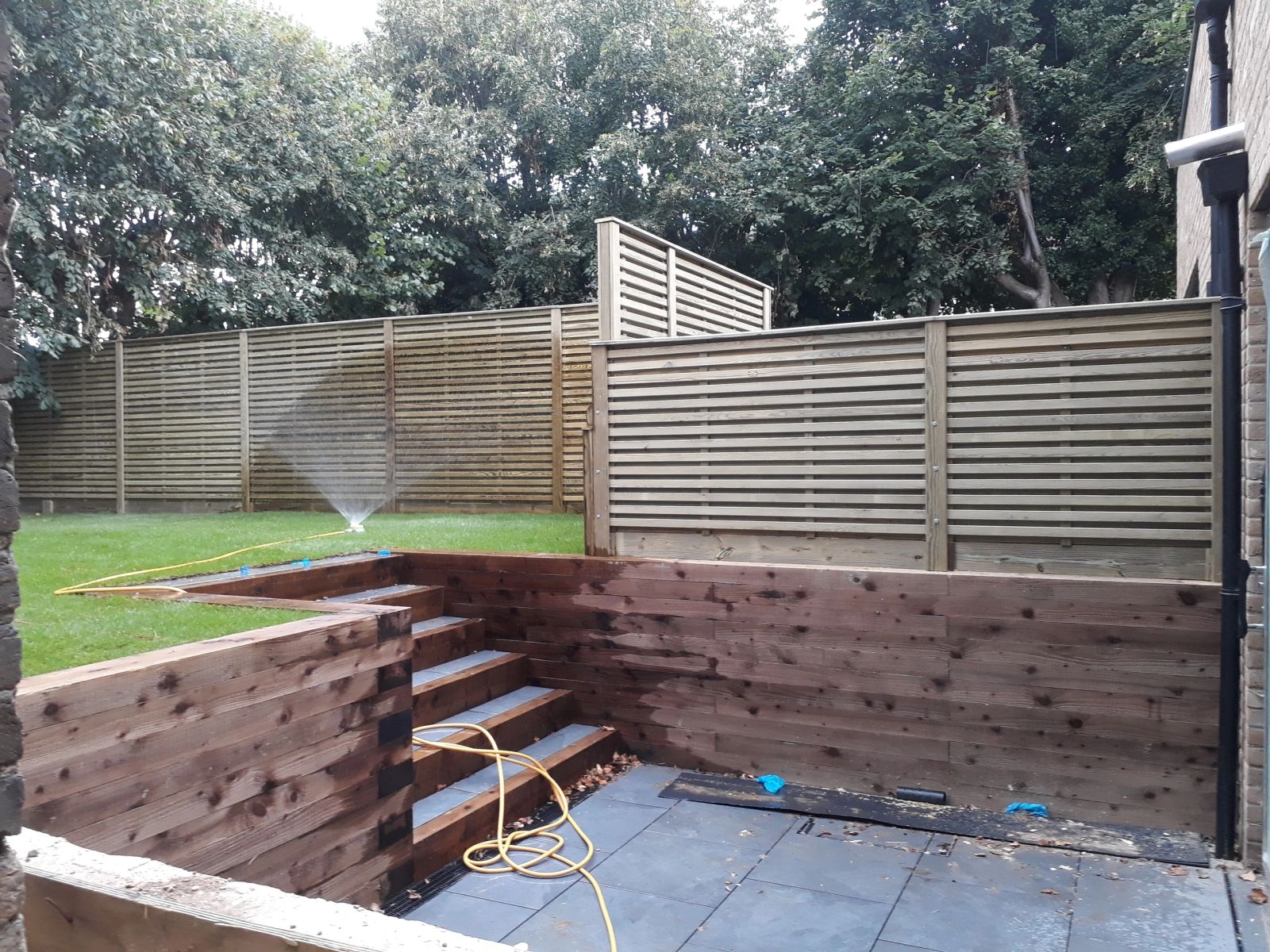
A downpipe discharging near the boundary means the fence has to either step around it with a short jog in the line, or leave a gap in the panel run rather than fixing directly over the pipe and its gulley.
Fixing a post immediately behind a downpipe risks trapping water splashing off it against the post base, so a small offset gives both the pipe and the post room without altering the overall run length much.
Where the downpipe discharges to a gulley set into a path or patio, the gravel board also needs enough clearance to avoid sitting in standing water every time it rains.
Conservation area material rules
Inside a conservation area, the council can restrict fence height, colour and material even within otherwise-permitted development limits, usually through an Article 4 direction that removes some of the usual PD rights.
The common ask is close-boarded or picket timber in a natural or traditionally painted finish rather than modern composite or bright stains, particularly on frontages visible from the street.
For a listed building itself, or land within its curtilage, listed building consent can apply even to a garden fence, so it's worth a call to the conservation officer before committing to a spec.
Transition detail from decking down to lawn or planting
The edge where a deck meets an adjoining lawn or border needs a defined transition — a fascia board with a small step down, or a gravel or edging strip — rather than boards simply stopping at soil level, which otherwise leads to soil and organic matter migrating up against the deck edge.
That buildup against an unprotected deck edge holds moisture against the timber in exactly the way a raised bed built too close to a fence does, and is a common cause of localised rot along an otherwise sound deck perimeter.
A simple edging detail agreed at the design stage costs little compared with the deck itself but noticeably protects the vulnerable soil-contact edge.
Checking joist bearing sits level across uneven support pads
Deck support posts or pads set at even so-slightly different heights throw the whole joist run out of level, which shows on the finished deck as a barely perceptible but persistent lean across its width.
Checking each support with a long level laid across several posts at once, rather than checking each post in isolation, catches a gradual drift in height across the run that individual checks would miss.
Packing shims under a joist to correct a low support point is an acceptable fix for a small discrepancy, but it isn't a substitute for getting the support posts themselves right in the first place on a new build.
Permitted development height limits
Under the General Permitted Development Order, a fence, wall or gate can normally go up to 1m without planning permission where it fronts a highway used by vehicles, and up to 2m elsewhere on the plot.
That 2m figure is measured from the natural ground level, not from the base of a retaining structure, which catches people out on sloping plots where the fence ends up effectively taller on the low side.
Corner plots, listed buildings and land inside a conservation area all tighten these limits, so it's worth checking the local authority's own guidance before ordering materials rather than after.
Hoddesdon — frequently asked
How does "transition detail from decking down to lawn or planting" affect fencing or decking work in Hoddesdon?
That buildup against an unprotected deck edge holds moisture against the timber in exactly the way a raised bed built too close to a fence does, and is a common cause of localised rot along an otherwise sound deck perimeter. A simple edging detail agreed at the design stage costs little compared with the deck itself but noticeably protects the vulnerable soil-contact edge. The edge where a deck meets an adjoining lawn or border needs a defined transition — a fascia board with a small step down, or a gravel or edging strip — rather than boards simply stopping at soil level, which otherwise leads to soil and organic matter migrating up against the deck edge.
Is Hoddesdon within your standard travel area?
Yes — Hoddesdon is served from Rye House & Broxbourne (Greater Anglia), off A10 / A1170, and is inside our regular working patch.
Is conservation area material rules something you plan for in Hoddesdon?
Inside a conservation area, the council can restrict fence height, colour and material even within otherwise-permitted development limits, usually through an Article 4 direction that removes some of the usual PD rights. The common ask is close-boarded or picket timber in a natural or traditionally painted finish rather than modern composite or bright stains, particularly on frontages visible from the street. For a listed building itself, or land within its curtilage, listed building consent can apply even to a garden fence, so it's worth a call to the conservation officer before committing to a spec.
What's the typical garden like in Hoddesdon?
Mid-sized flat gardens; properties near Rye Park often have direct alley access is typical, alongside 1930s and 1950s semis, with victorian cottages toward the old town.
Checking joist bearing sits level across uneven support pads — what does that mean for a job in Hoddesdon?
Deck support posts or pads set at even so-slightly different heights throw the whole joist run out of level, which shows on the finished deck as a barely perceptible but persistent lean across its width. Checking each support with a long level laid across several posts at once, rather than checking each post in isolation, catches a gradual drift in height across the run that individual checks would miss. Packing shims under a joist to correct a low support point is an acceptable fix for a small discrepancy, but it isn't a substitute for getting the support posts themselves right in the first place on a new build.
Is permitted development height limits something you plan for in Hoddesdon?
That 2m figure is measured from the natural ground level, not from the base of a retaining structure, which catches people out on sloping plots where the fence ends up effectively taller on the low side. Corner plots, listed buildings and land inside a conservation area all tighten these limits, so it's worth checking the local authority's own guidance before ordering materials rather than after. Under the General Permitted Development Order, a fence, wall or gate can normally go up to 1m without planning permission where it fronts a highway used by vehicles, and up to 2m elsewhere on the plot.
Some of our projects
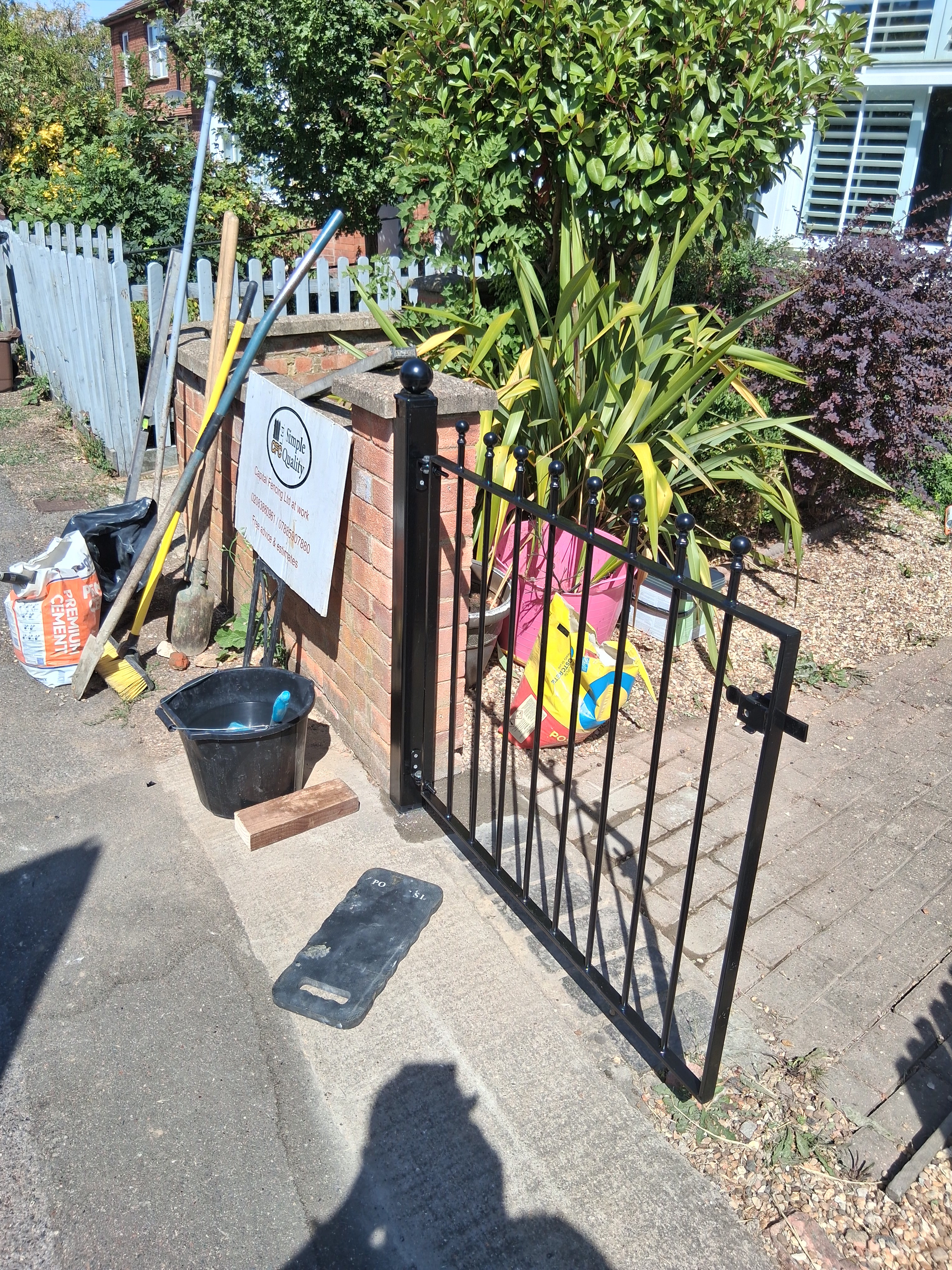
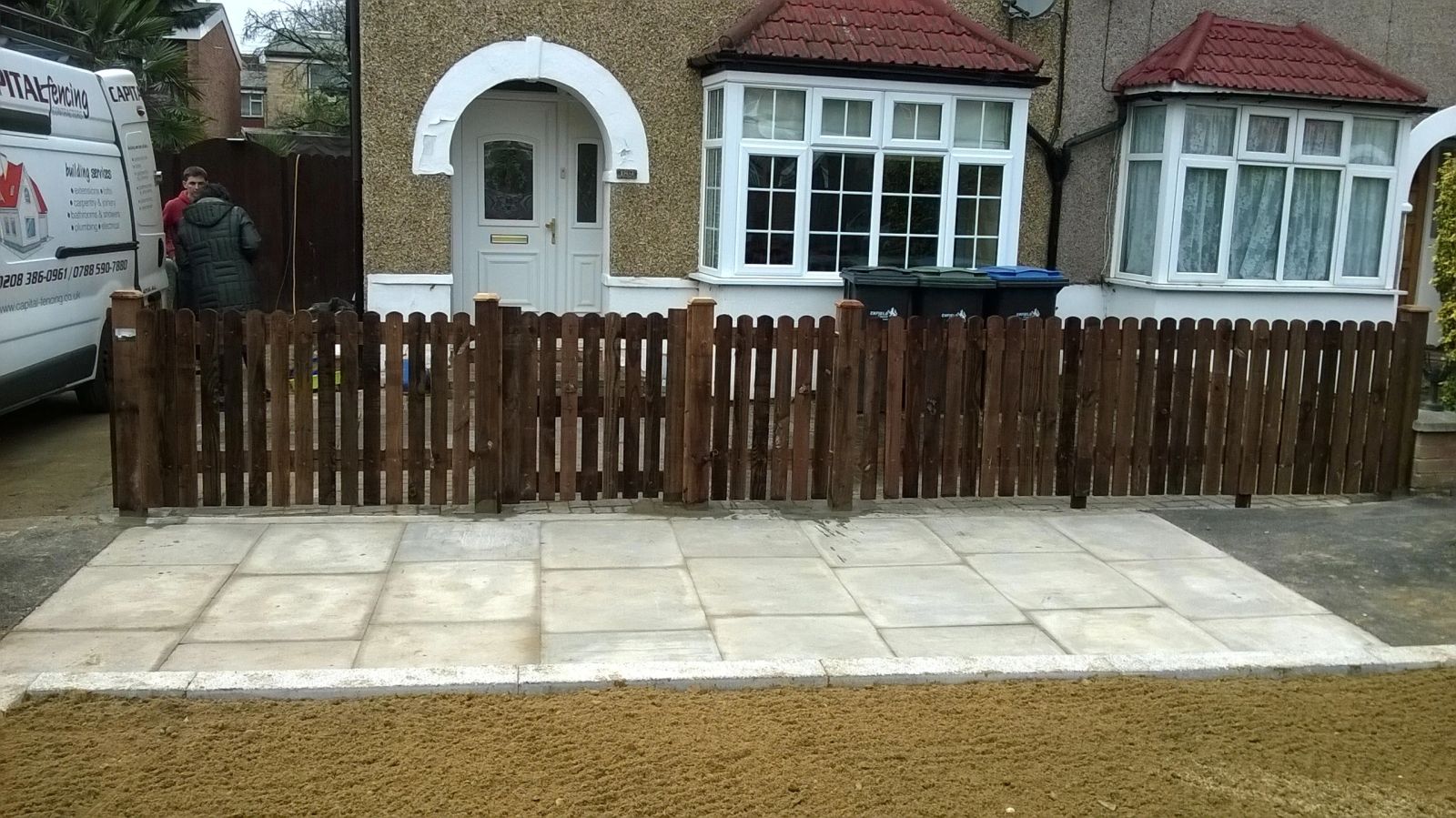
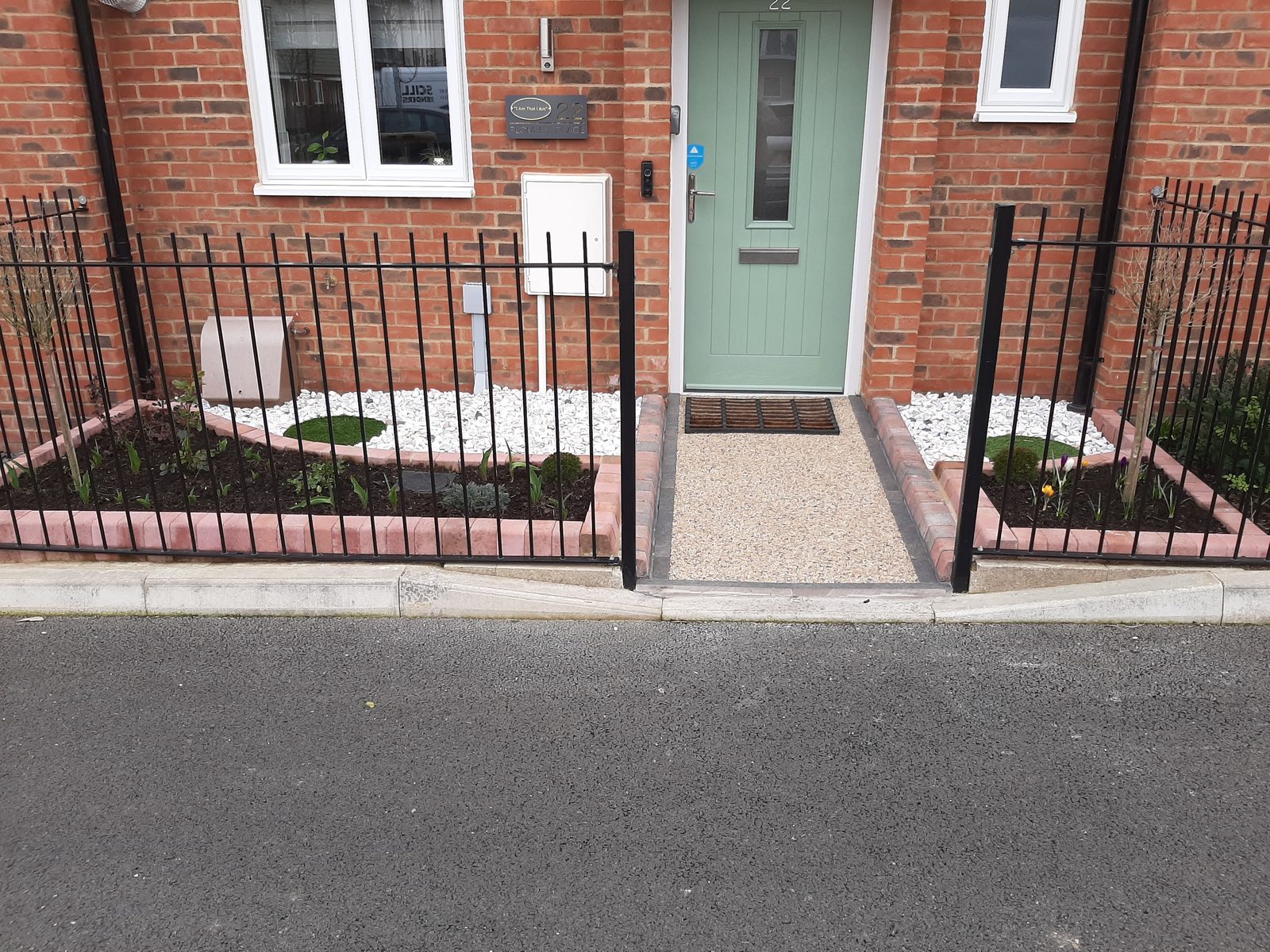
Coverage runs off A10 / A1170, near M25 J25 (15 minutes south), served from Rye House & Broxbourne (Greater Anglia). Conservation area material rules: Inside a conservation area, the council can restrict fence height, colour and material even within otherwise-permitted development limits, usually through an Article 4 direction that removes some of the usual PD rights. The common ask is close-boarded or picket timber in a natural or traditionally painted finish rather than modern composite or bright stains, particularly on frontages visible from the street. Transition detail from decking down to lawn or planting: The edge where a deck meets an adjoining lawn or border needs a defined transition — a fascia board with a small step down, or a gravel or edging strip — rather than boards simply stopping at soil level, which otherwise leads to soil and organic matter migrating up against the deck edge.
Get In Touch
Get My Free Quote — 24h Response
No callout fee · Free site visit · Friendly local team covering London & Hertfordshire.