London & Hertfordshire Free Site Visit

Canonbury: Fencing & Decking Within Islington

Canonbury, part of islington and covered by Islington Council, is known for georgian and victorian terraces around canonbury square with gardens deep walled gardens with original brick boundaries and mature trees. Most site visits in this patch come back to one thing: canonbury conservation area constrains materials — painted timber picket and trellis only. Working around a soil vent pipe on the boundary: A soil vent pipe running up close to a boundary wall or fence line needs clearance to stay serviceable and to avoid trapping odours or condensation against the timber. Where a fence panel would otherwise sit directly against the pipe, a narrow gap or a purpose-cut notch in the panel or gravel board keeps the pipe accessible without leaving a large unsightly space either side. Storing timber and concrete materials on site before use: Timber left stacked directly on wet ground or grass for several days can pick up moisture and staining before it's even installed, so raising a stack on bearers and covering it loosely — allowing air to circulate rather than sealing it under plastic — keeps it in better condition.

Talk through your Canonbury brief

We know Islington's planning rules and this patch's ground conditions — call and we'll talk it through.

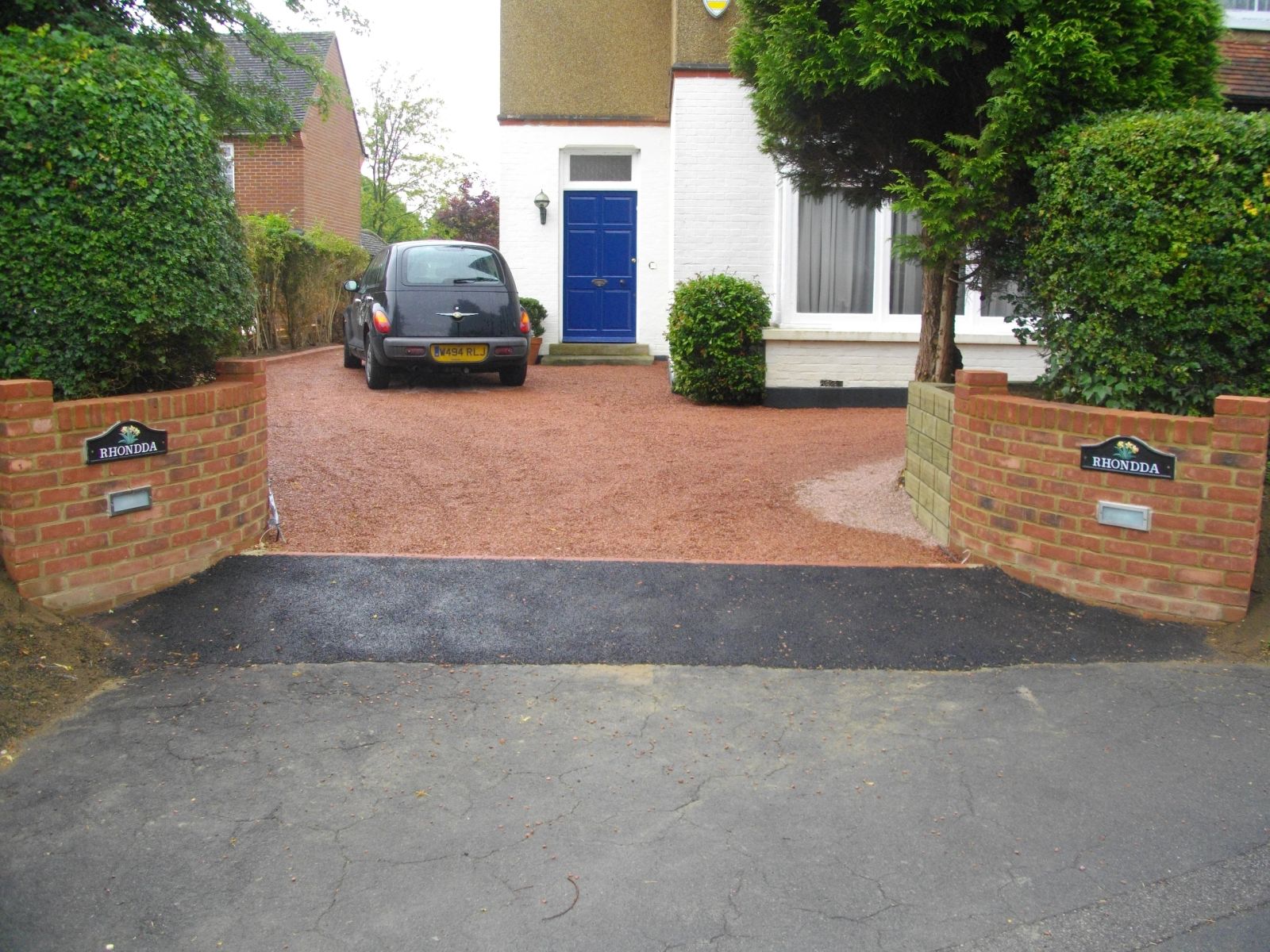
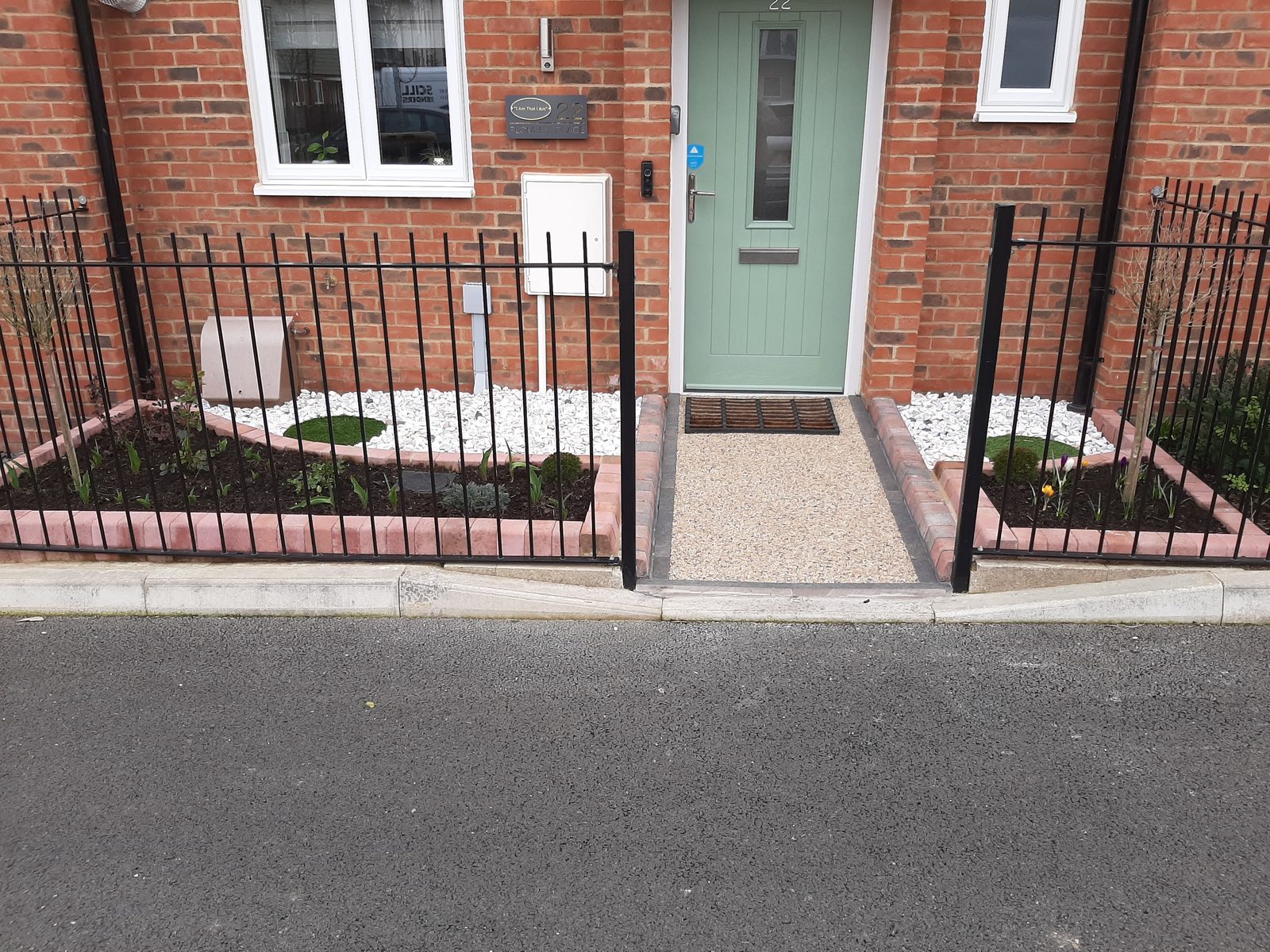
Capital Fencing project in Canonbury, N1Capital Fencing project in Canonbury, N1Capital Fencing project in Canonbury, N1
N1

Canonbury is part of our Islington coverage under Islington Council, with its own property mix and its own recurring brief.

Property & garden in Canonbury

Property: Georgian and Victorian terraces around Canonbury Square

Gardens: deep walled gardens with original brick boundaries and mature trees

Canonbury Conservation Area constrains materials — painted timber picket and trellis only

Nearest arterial: A1 Upper Street, A406 (15 min). Served from Canonbury (Overground). Nearby commercial anchors: Upper Street, Essex Road.

Practical points for boundary work in Canonbury

Working around a soil vent pipe on the boundary

A soil vent pipe running up close to a boundary wall or fence line needs clearance to stay serviceable and to avoid trapping odours or condensation against the timber.

Where a fence panel would otherwise sit directly against the pipe, a narrow gap or a purpose-cut notch in the panel or gravel board keeps the pipe accessible without leaving a large unsightly space either side.

Fixing a post too close to a vent pipe can also make future pipe repairs or clearance rodding awkward, so the post position is usually set slightly back from the pipe run rather than tight against it.

Storing timber and concrete materials on site before use

Timber left stacked directly on wet ground or grass for several days can pick up moisture and staining before it's even installed, so raising a stack on bearers and covering it loosely — allowing air to circulate rather than sealing it under plastic — keeps it in better condition.

Bagged cement stored outdoors needs keeping dry and off the ground, since a bag that's absorbed moisture can partially set inside the bag and become unusable before it's even opened.

Where a job runs over several days, agreeing a sensible on-site storage spot with the client — away from a drive that's needed daily, or a lawn that shouldn't be walked over repeatedly — avoids the storage itself becoming a source of friction.

Low-voltage lighting built into decking

Recessed low-voltage deck lights, usually built into the timber before boards are laid, extend a deck's usable hours into the evening without the trip hazard of surface-mounted fittings.

Cable routes need planning before the substructure is closed in, since retrofitting lighting into a finished deck usually means lifting boards rather than a simple add-on.

Outdoor low-voltage systems still need a transformer and cabling installed to the relevant electrical safety standard, even though the voltage itself is lower than mains.

Spoil volume and removal

Digging a full run of post holes generates more spoil than most clients expect, particularly on clay where the dug material swells in volume compared with its compacted state in the ground.

Spoil that can't be spread thinly elsewhere on the plot without smothering lawn or borders usually needs skip or licensed grab-lorry removal, which should be agreed and costed before the dig starts rather than after a pile has built up on the lawn.

Heavy clay spoil left on grass for more than a day or two will usually kill it, so covering or removing arisings promptly matters if the lawn is staying.

Tenancy and landlord repair responsibilities

Responsibility for a garden boundary at a rented property depends on the tenancy agreement, but where it's silent, the general position is that a landlord is responsible for structural boundary features while day-to-day garden maintenance often falls to the tenant.

A tenant generally can't authorise permanent alterations like a new fence line or wall without the landlord's consent, even where they're happy to pay for it, since it affects the property the landlord owns.

Storm or accidental damage to a boundary fence at a let property is usually the landlord's repair obligation, arranged directly or through a managing agent, rather than something the tenant is expected to fund unless they caused the damage.

Post anchor sockets versus set-in posts

A bolt-down or drive-in post anchor holds a timber post entirely above ground level, isolating the post's end grain from the direct soil and moisture contact it would face if simply set into a concreted hole.

Because the post itself never touches the ground, anchor-mounted posts largely avoid the ground-line rot that's the single most common failure point for concreted posts, though the anchor and its fixings become the new focus for corrosion.

Anchors do transfer more concentrated leverage into a smaller fixing area at the base than a post set deep in concrete, so they generally need a correspondingly larger or deeper concrete footing beneath them for the same wind load.

Services in Canonbury

Canonbury — frequently asked

Does tenancy and landlord repair responsibilities come up much on jobs around Canonbury?

Responsibility for a garden boundary at a rented property depends on the tenancy agreement, but where it's silent, the general position is that a landlord is responsible for structural boundary features while day-to-day garden maintenance often falls to the tenant. A tenant generally can't authorise permanent alterations like a new fence line or wall without the landlord's consent, even where they're happy to pay for it, since it affects the property the landlord owns. Storm or accidental damage to a boundary fence at a let property is usually the landlord's repair obligation, arranged directly or through a managing agent, rather than something the tenant is expected to fund unless they caused the damage.

Does low-voltage lighting built into decking come up much on jobs around Canonbury?

Cable routes need planning before the substructure is closed in, since retrofitting lighting into a finished deck usually means lifting boards rather than a simple add-on. Outdoor low-voltage systems still need a transformer and cabling installed to the relevant electrical safety standard, even though the voltage itself is lower than mains. Recessed low-voltage deck lights, usually built into the timber before boards are laid, extend a deck's usable hours into the evening without the trip hazard of surface-mounted fittings.

How does "spoil volume and removal" affect fencing or decking work in Canonbury?

Heavy clay spoil left on grass for more than a day or two will usually kill it, so covering or removing arisings promptly matters if the lawn is staying. Digging a full run of post holes generates more spoil than most clients expect, particularly on clay where the dug material swells in volume compared with its compacted state in the ground. Spoil that can't be spread thinly elsewhere on the plot without smothering lawn or borders usually needs skip or licensed grab-lorry removal, which should be agreed and costed before the dig starts rather than after a pile has built up on the lawn.

Do you cover islington beyond just Canonbury?

Yes — Canonbury sits within our wider islington coverage.

Post anchor sockets versus set-in posts — what does that mean for a job in Canonbury?

A bolt-down or drive-in post anchor holds a timber post entirely above ground level, isolating the post's end grain from the direct soil and moisture contact it would face if simply set into a concreted hole. Because the post itself never touches the ground, anchor-mounted posts largely avoid the ground-line rot that's the single most common failure point for concreted posts, though the anchor and its fixings become the new focus for corrosion. Anchors do transfer more concentrated leverage into a smaller fixing area at the base than a post set deep in concrete, so they generally need a correspondingly larger or deeper concrete footing beneath them for the same wind load.

What's the typical garden like in Canonbury?

Deep walled gardens with original brick boundaries and mature trees is typical, alongside georgian and victorian terraces around canonbury square.

Reached off A1 Upper Street, near Canonbury (Overground). Low-voltage lighting built into decking: Recessed low-voltage deck lights, usually built into the timber before boards are laid, extend a deck's usable hours into the evening without the trip hazard of surface-mounted fittings. Cable routes need planning before the substructure is closed in, since retrofitting lighting into a finished deck usually means lifting boards rather than a simple add-on. Spoil volume and removal: Digging a full run of post holes generates more spoil than most clients expect, particularly on clay where the dug material swells in volume compared with its compacted state in the ground.

Get In Touch

Get My Free Quote — 24h Response

No callout fee · Free site visit · Friendly local team covering London & Hertfordshire.

Request a Free Quote

We'll get back to you within 24 hours.

Free Site Visit No Callout Fee
Call WhatsAppQuote