London & Hertfordshire Free Site Visit

Old Letchworth: Fencing & Decking Within Letchworth

Postcode SG6 takes in Old Letchworth, a pocket of letchworth under North Hertfordshire District Council where the earliest planned cottages of the garden city movement predominates and gardens run modest leafy gardens with original cottage walls. Locally, the detail that shapes most quotes is heritage approvals add lead time but are non-negotiable for boundary work. Thermally modified timber: Thermal modification heats timber to high temperatures in a low-oxygen environment, which alters its cell structure to reduce moisture absorption and improve decay resistance without adding any chemical preservative. The process also darkens the timber throughout its thickness, which means a scratch or cut face shows a similar colour to the surface rather than exposing paler untreated wood underneath. Detached plots with a paddock or field edge: Detached properties backing onto a paddock, field or grazing land need a boundary that does two jobs at once — keeping the garden private and, if livestock use the adjoining land, keeping animals off the garden side.

Book a site visit in Old Letchworth

A short walk-round lets us measure, spec and quote in writing before you commit.

Garden boundary work in Old Letchworth
SG6

Old Letchworth is part of our Letchworth Garden City coverage under North Hertfordshire District Council, with its own property mix and its own recurring brief.

Property & garden in Old Letchworth

Property: the earliest planned cottages of the Garden City Movement

Gardens: modest leafy gardens with original cottage walls

heritage approvals add lead time but are non-negotiable for boundary work

Nearest arterial: A505, A1(M) J9. Served from Letchworth Garden City (East Coast). Nearby commercial anchors: Letchworth town centre.

Practical points for boundary work in Old Letchworth

Thermally modified timber

Thermal modification heats timber to high temperatures in a low-oxygen environment, which alters its cell structure to reduce moisture absorption and improve decay resistance without adding any chemical preservative.

The process also darkens the timber throughout its thickness, which means a scratch or cut face shows a similar colour to the surface rather than exposing paler untreated wood underneath.

The heat treatment reduces the timber's flexural strength somewhat, so thermally modified timber is more commonly specified for cladding and decorative boarding than for load-bearing posts and rails.

Detached plots with a paddock or field edge

Detached properties backing onto a paddock, field or grazing land need a boundary that does two jobs at once — keeping the garden private and, if livestock use the adjoining land, keeping animals off the garden side.

A standard close-boarded fence isn't stock-proof on its own; where horses or cattle are present on the other side, a stock fence or post-and-rail set slightly inside the garden fence is the usual belt-and-braces approach.

Field boundaries also see more vegetation growth and root pressure from hedgerows than a typical suburban fence line, so posts often need resetting or straightening more often than an equivalent garden boundary.

Deck boards against a shaded wall building up algae

A deck built hard against a shaded wall, fence, or dense planting on one side often shows a distinct band of algae growth along that edge well before the rest of the deck, since it dries far more slowly after rain.

This uneven wear pattern is normal rather than a sign of a substandard board, but it does mean that edge needs cleaning more often to keep slip resistance consistent across the whole deck.

Where possible, leaving even a narrow gap between the deck edge and an adjoining wall or dense hedge improves airflow along that edge and reduces how quickly algae establishes there.

Outbuildings casting permanent shade onto a fence run

A shed, greenhouse or garage built close to a boundary casts a fixed shadow over part of the adjoining fence run for some or all of the day, creating the same slower-drying conditions as a north-facing aspect regardless of the fence's actual orientation.

This localised shading is easy to overlook when assessing a whole boundary's exposure, since the rest of the run a few metres away may be in full sun.

It's worth treating the shaded section as its own microclimate for treatment and inspection purposes rather than assuming uniform conditions along the full length.

Fox digging beneath chicken runs and fence lines

Foxes are capable diggers and will exploit any soft ground at the base of a fence or run, particularly around poultry enclosures, so a below-ground barrier matters as much as the fence height itself.

An L-shaped buried apron of mesh, turned outward from the base of the fence rather than straight down, stops digging by making the animal hit an obstruction before it reaches the fence line itself, which is more reliable than depth alone.

This detail is worth specifying separately from the fence quote for anyone keeping poultry or small livestock, since standard fence installation doesn't normally include a buried predator barrier.

Stumps in the fence line

An old hedge or tree stump sitting directly on the new fence line needs grinding or digging out before a post can go in, since a post set against or on top of decaying root wood will eventually settle as that timber breaks down.

Stump grinding leaves a mix of wood chip and soil that compacts poorly, so backfilling a post hole in that material generally needs a wider excavation and imported hardcore rather than reusing the arisings.

Where a stump is close to but not on the line, it's often quicker to shift the post position slightly than to fully remove a large root system.

Services in Old Letchworth

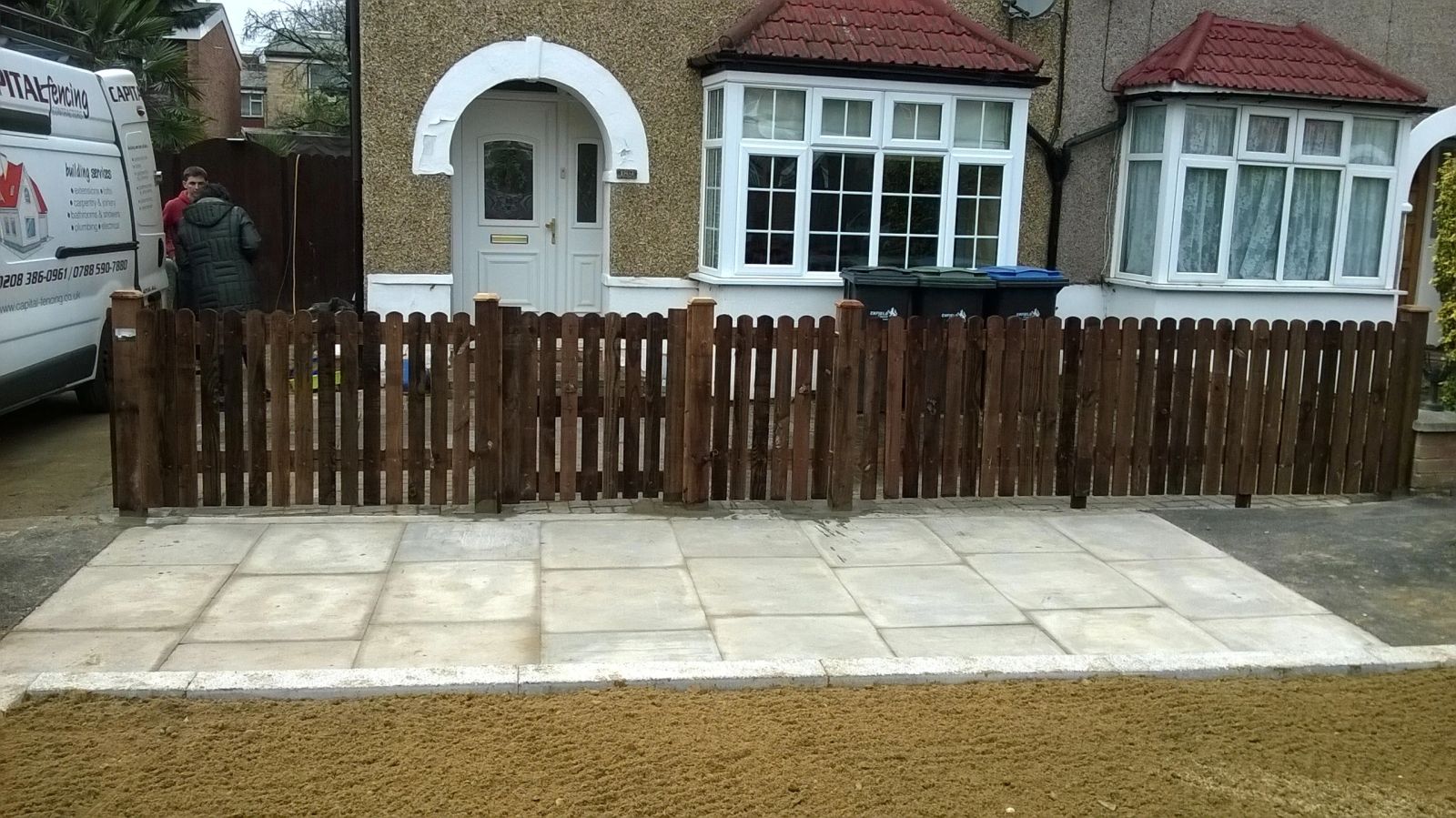
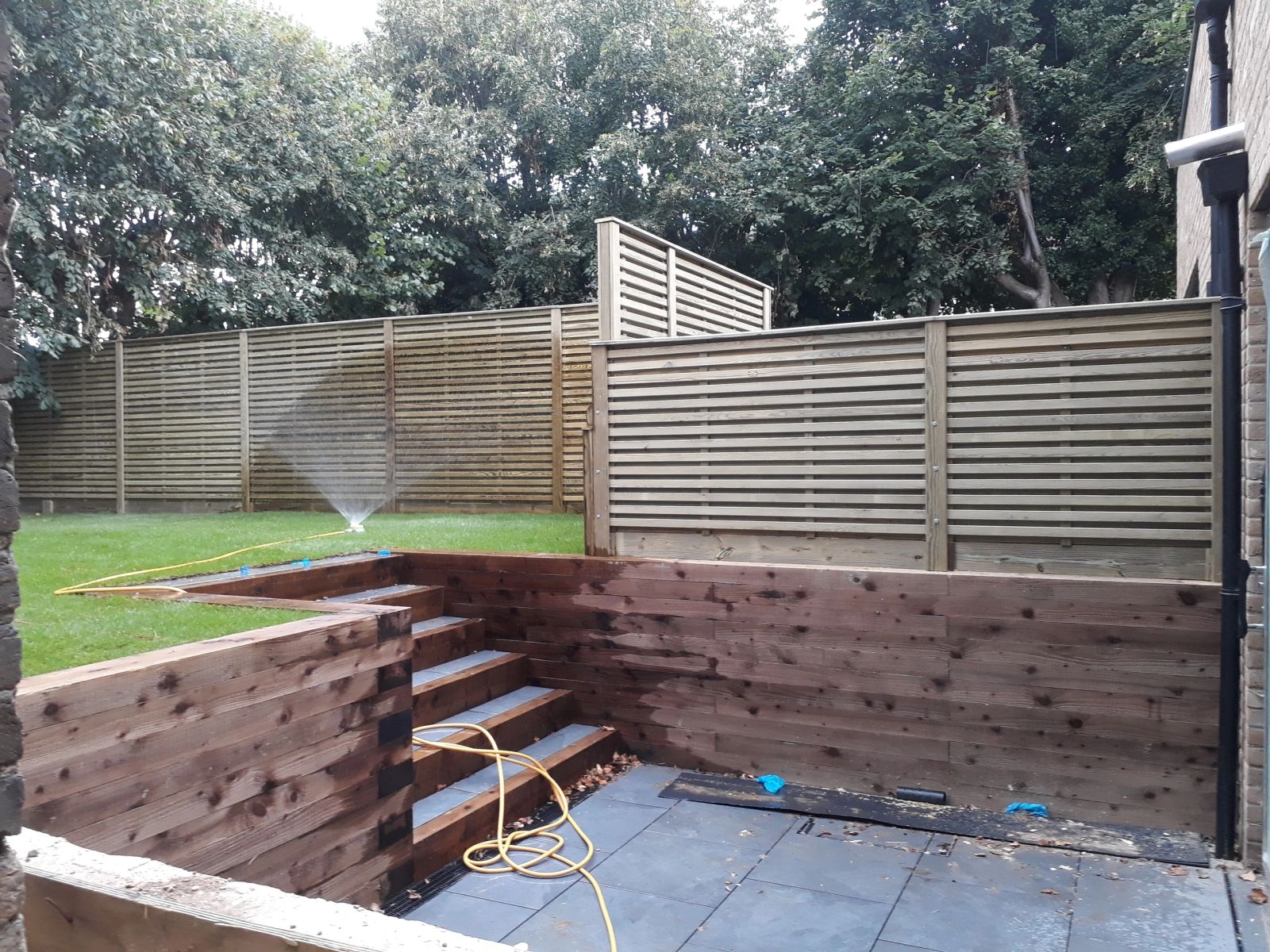
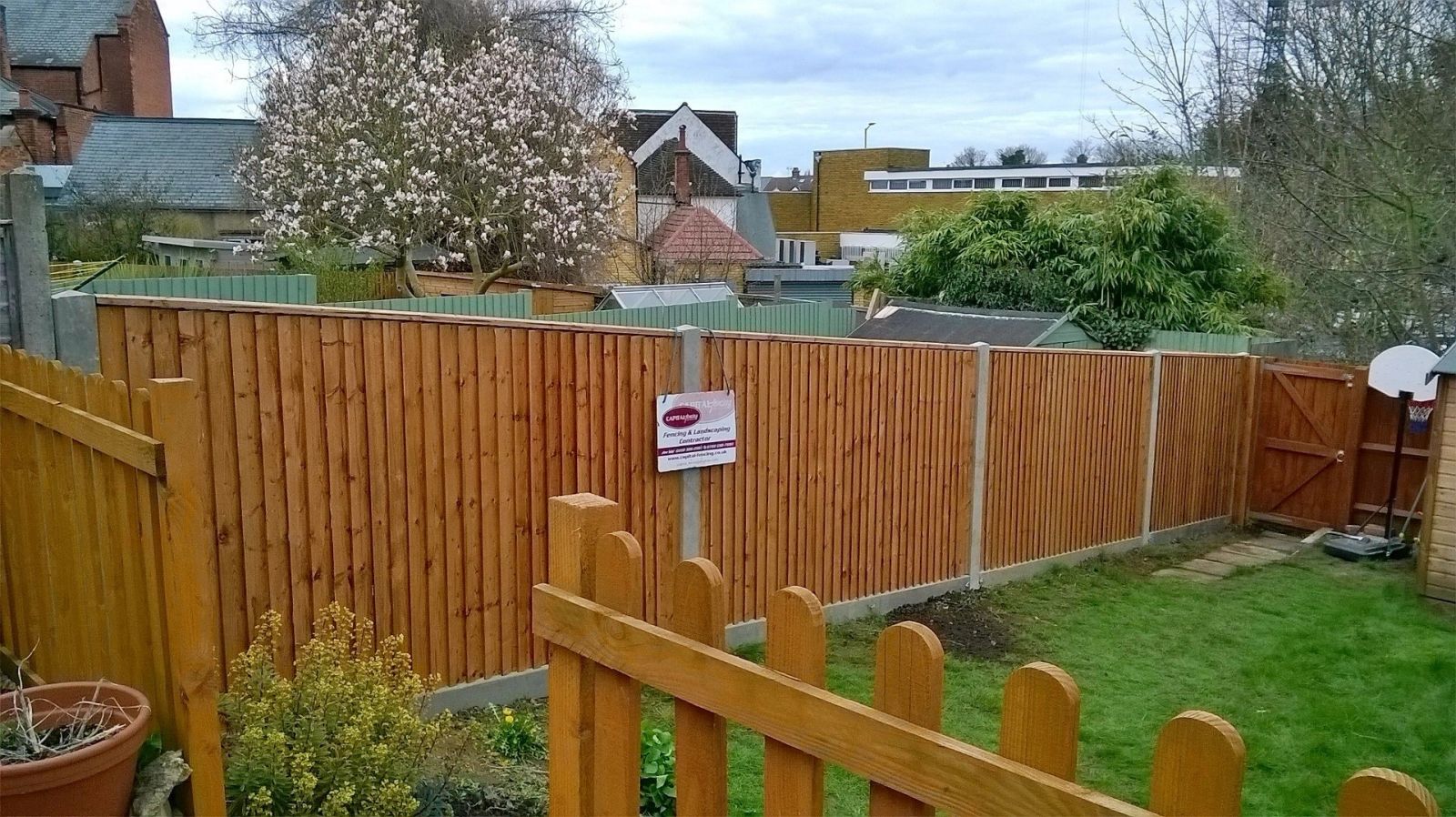
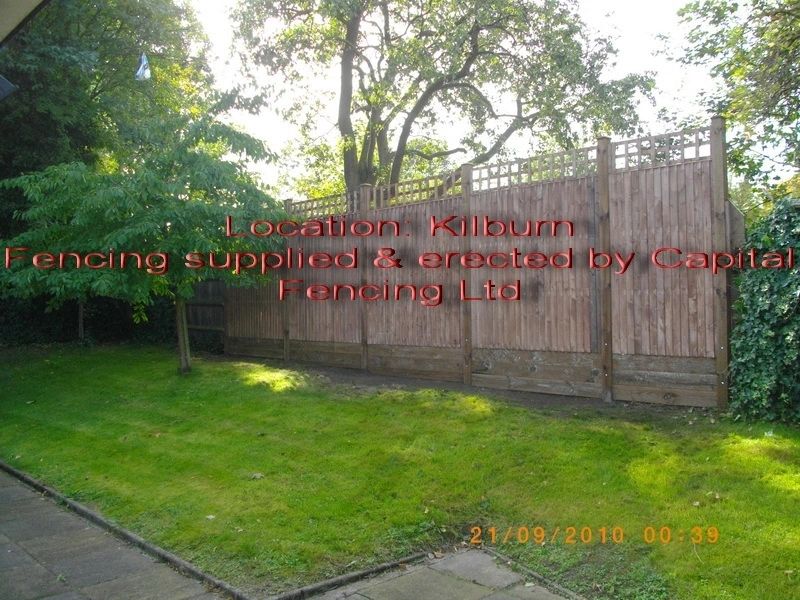
Capital Fencing project in Old Letchworth, SG6Capital Fencing project in Old Letchworth, SG6Capital Fencing project in Old Letchworth, SG6

Old Letchworth — frequently asked

What should I know about outbuildings casting permanent shade onto a fence run in Old Letchworth?

It's worth treating the shaded section as its own microclimate for treatment and inspection purposes rather than assuming uniform conditions along the full length. A shed, greenhouse or garage built close to a boundary casts a fixed shadow over part of the adjoining fence run for some or all of the day, creating the same slower-drying conditions as a north-facing aspect regardless of the fence's actual orientation. This localised shading is easy to overlook when assessing a whole boundary's exposure, since the rest of the run a few metres away may be in full sun.

Deck boards against a shaded wall building up algae — what does that mean for a job in Old Letchworth?

Where possible, leaving even a narrow gap between the deck edge and an adjoining wall or dense hedge improves airflow along that edge and reduces how quickly algae establishes there. A deck built hard against a shaded wall, fence, or dense planting on one side often shows a distinct band of algae growth along that edge well before the rest of the deck, since it dries far more slowly after rain. This uneven wear pattern is normal rather than a sign of a substandard board, but it does mean that edge needs cleaning more often to keep slip resistance consistent across the whole deck.

Is fox digging beneath chicken runs and fence lines something you plan for in Old Letchworth?

Foxes are capable diggers and will exploit any soft ground at the base of a fence or run, particularly around poultry enclosures, so a below-ground barrier matters as much as the fence height itself. An L-shaped buried apron of mesh, turned outward from the base of the fence rather than straight down, stops digging by making the animal hit an obstruction before it reaches the fence line itself, which is more reliable than depth alone. This detail is worth specifying separately from the fence quote for anyone keeping poultry or small livestock, since standard fence installation doesn't normally include a buried predator barrier.

What areas of Old Letchworth do you cover?

We cover all of Old Letchworth (SG6), under North Hertfordshire District Council.

How does "stumps in the fence line" affect fencing or decking work in Old Letchworth?

An old hedge or tree stump sitting directly on the new fence line needs grinding or digging out before a post can go in, since a post set against or on top of decaying root wood will eventually settle as that timber breaks down. Stump grinding leaves a mix of wood chip and soil that compacts poorly, so backfilling a post hole in that material generally needs a wider excavation and imported hardcore rather than reusing the arisings. Where a stump is close to but not on the line, it's often quicker to shift the post position slightly than to fully remove a large root system.
Is Old Letchworth within your standard travel area?

Yes — Old Letchworth is served from Letchworth Garden City (East Coast), off A505, and is inside our regular working patch.

Access is via A505, with Letchworth Garden City (East Coast) close by. Deck boards against a shaded wall building up algae: A deck built hard against a shaded wall, fence, or dense planting on one side often shows a distinct band of algae growth along that edge well before the rest of the deck, since it dries far more slowly after rain. This uneven wear pattern is normal rather than a sign of a substandard board, but it does mean that edge needs cleaning more often to keep slip resistance consistent across the whole deck. Outbuildings casting permanent shade onto a fence run: A shed, greenhouse or garage built close to a boundary casts a fixed shadow over part of the adjoining fence run for some or all of the day, creating the same slower-drying conditions as a north-facing aspect regardless of the fence's actual orientation.

Get In Touch

Get My Free Quote — 24h Response

No callout fee · Free site visit · Friendly local team covering London & Hertfordshire.

Request a Free Quote

We'll get back to you within 24 hours.

Free Site Visit No Callout Fee
Call WhatsAppQuote