London & Hertfordshire Free Site Visit

Oxhey: Fencing & Decking Within Watford

Oxhey, part of watford and covered by Watford Borough Council, is known for 1930s semis and post-war terraces stepping up the hill toward oxhey village with gardens small to mid-size rear gardens; many with rear alleyway access. Most site visits in this patch come back to one thing: tight access on oxhey terraces — material handling is the awkward part of the job. Preservative penetration envelope thickness: Pressure treatment doesn't necessarily saturate a timber section all the way through, and the depth of genuine preservative penetration, sometimes called the treatment envelope, can be shallower in dense or resistant species than the treated colour suggests. Cutting a treated post in half reveals this directly, often showing a pale, untreated core surrounded by a darker treated outer band a few millimetres to a couple of centimetres deep depending on species and process. Landlord void period turnarounds: A rented property between tenancies is often the only window a landlord has to get fencing repaired without disrupting an occupied garden, and void periods are typically measured in days rather than weeks.

Talk through your Oxhey brief

We know Watford's planning rules and this patch's ground conditions — call and we'll talk it through.

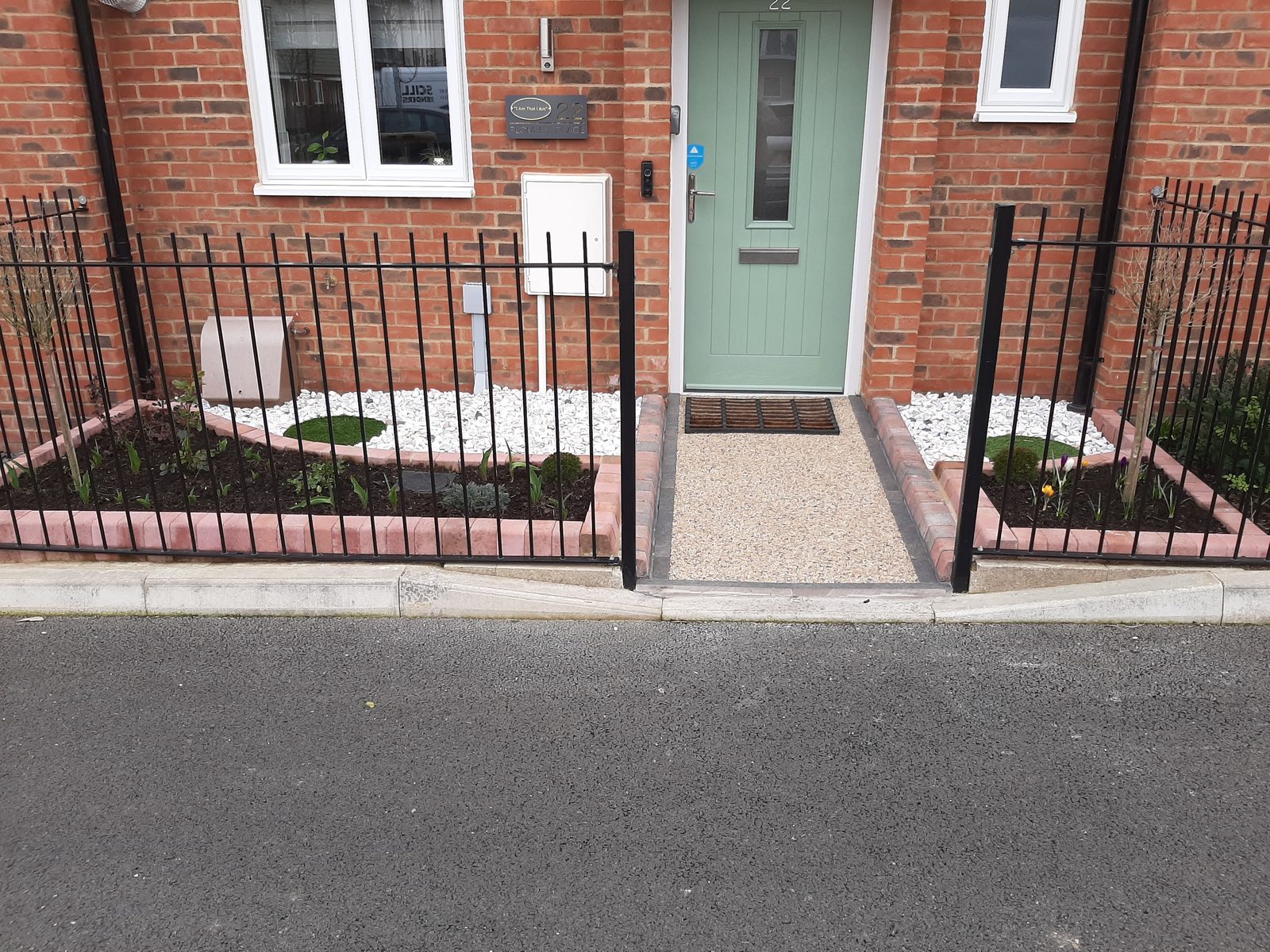
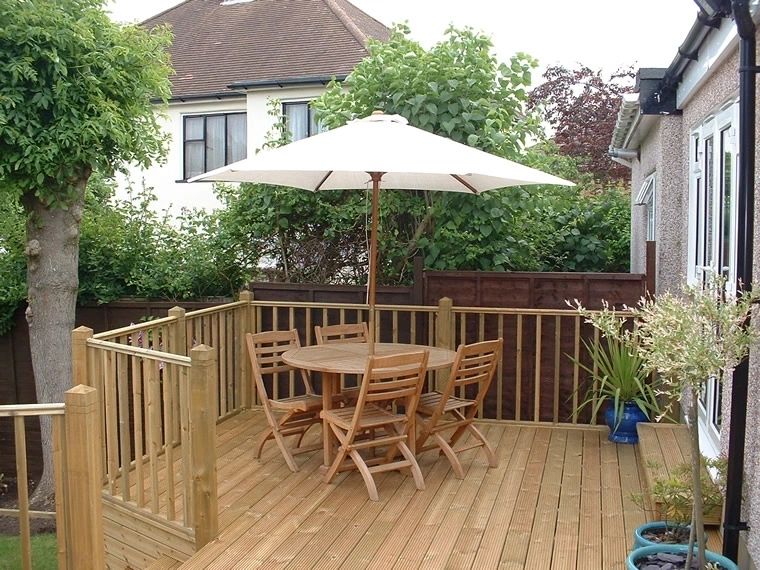
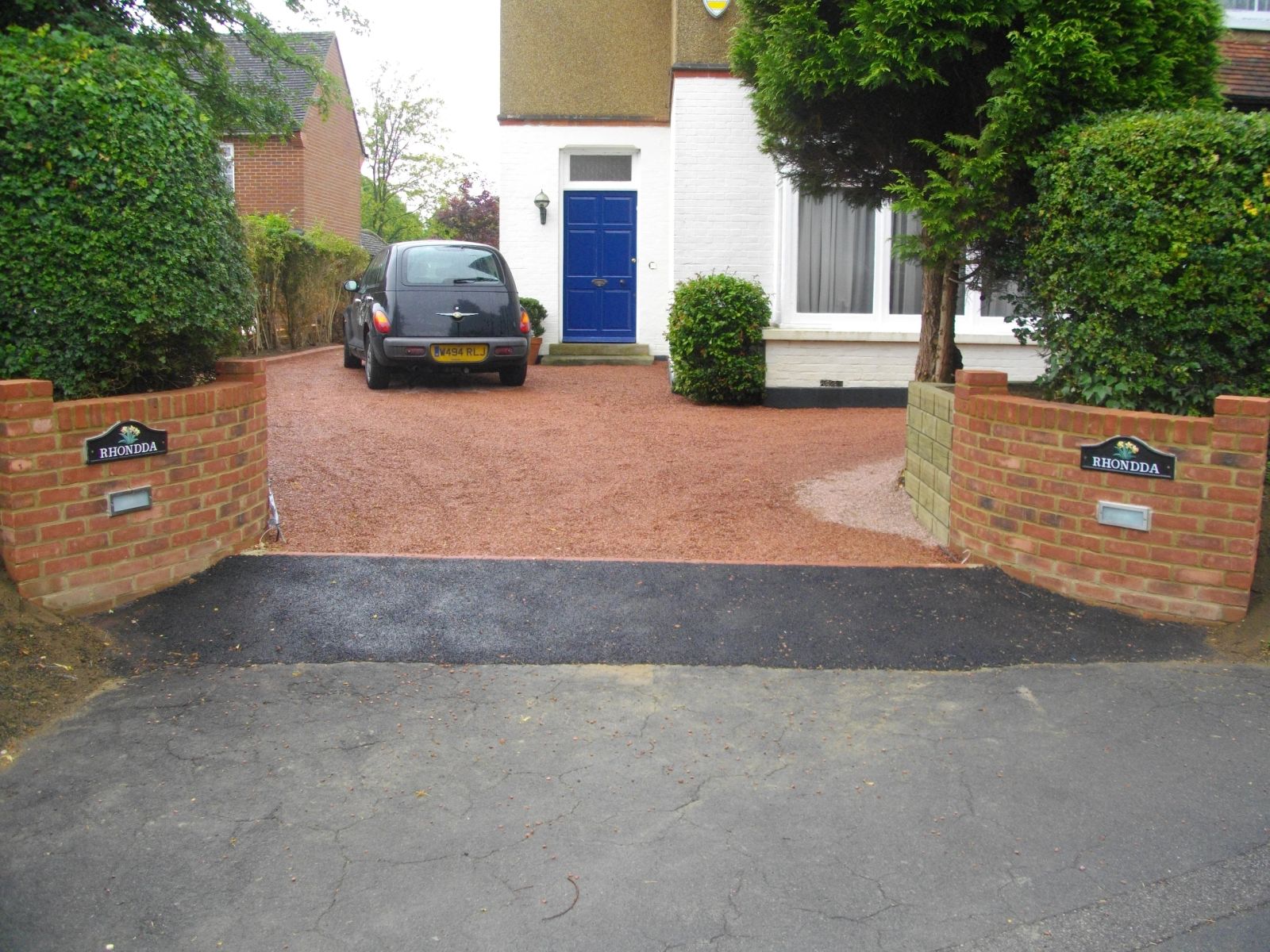
Capital Fencing project in Oxhey, WD19Capital Fencing project in Oxhey, WD19Capital Fencing project in Oxhey, WD19
WD19

Oxhey is part of our Watford coverage under Watford Borough Council, with its own property mix and its own recurring brief.

Property & garden in Oxhey

Property: 1930s semis and post-war terraces stepping up the hill toward Oxhey village

Gardens: small to mid-size rear gardens; many with rear alleyway access

tight access on Oxhey terraces — material handling is the awkward part of the job

Nearest arterial: A4008, M1 J5. Served from Bushey (Overground). Nearby commercial anchors: Pinner Road parade.

Practical points for boundary work in Oxhey

Preservative penetration envelope thickness

Pressure treatment doesn't necessarily saturate a timber section all the way through, and the depth of genuine preservative penetration, sometimes called the treatment envelope, can be shallower in dense or resistant species than the treated colour suggests.

Cutting a treated post in half reveals this directly, often showing a pale, untreated core surrounded by a darker treated outer band a few millimetres to a couple of centimetres deep depending on species and process.

This is the practical reason cut ends need separate end-grain treatment, since a fresh cut through the envelope exposes untreated core timber that the original pressure treatment never reached.

Landlord void period turnarounds

A rented property between tenancies is often the only window a landlord has to get fencing repaired without disrupting an occupied garden, and void periods are typically measured in days rather than weeks.

Fast turnaround work in a void needs the survey, quote and material order compressed into that period, which means a landlord instructing work should flag the void dates as early as possible rather than after keys have already changed hands.

It's also the point at which deferred repairs flagged in a previous check-out report tend to get actioned, so it's worth reviewing that report against the fence line before starting rather than duplicating what's already been noted.

Made ground from Victorian development

Much of the Victorian terraced housing across north London sits on plots that were levelled, infilled or built over earlier brickfields, clay pits and market gardens, leaving inconsistent fill rather than natural strata close to the surface.

A trial dig on these plots can turn up broken brick, ash, clinker or timber offcuts within the first spade's depth, none of which gives a post anything solid to bear on.

Where fill depth is unpredictable across a single run, post depths sometimes need to vary hole to hole rather than following one fixed spec for the whole boundary.

High water table and post-base concrete

On a plot where the water table sits close to the surface, a post hole can start filling with groundwater before the post is even positioned, which stops a wet concrete mix from curing properly around the base.

The usual fix is a free-draining pea shingle or hardcore base rather than solid concrete, letting water pass the post instead of holding it in permanent damp.

Pumping a hole dry immediately before setting the post is only a short-term measure if the water simply returns within minutes, and that's usually the signal to change the base specification rather than repeat the attempt.

Setting corner posts before intermediate posts

Corner and end posts are normally set first and their positions checked and finalised before any intermediate post along the run, since every other post's position is measured relative to those fixed points.

Setting intermediate posts first and corners last risks a corner ending up slightly off the true line established by the string, which then means either accepting a visible kink or redoing intermediate posts to correct it.

This sequence matters even more on a run with two changes of direction, where getting one corner wrong compounds the error along the whole of the next leg.

Mediation as a step before a formal boundary dispute

Community and property mediation services exist specifically to help neighbours resolve disagreements, including boundary and fencing disputes, without going straight to solicitors or court.

Mediation is generally faster and considerably cheaper than formal legal action, and can preserve a working relationship between neighbours who will, after all, remain neighbours.

Where a boundary disagreement is becoming entrenched, raising the idea of mediation early is often more productive than escalating straight to legal correspondence.

Services in Oxhey

Oxhey — frequently asked

What should I know about high water table and post-base concrete in Oxhey?

The usual fix is a free-draining pea shingle or hardcore base rather than solid concrete, letting water pass the post instead of holding it in permanent damp. Pumping a hole dry immediately before setting the post is only a short-term measure if the water simply returns within minutes, and that's usually the signal to change the base specification rather than repeat the attempt. On a plot where the water table sits close to the surface, a post hole can start filling with groundwater before the post is even positioned, which stops a wet concrete mix from curing properly around the base.

Does made ground from victorian development come up much on jobs around Oxhey?

A trial dig on these plots can turn up broken brick, ash, clinker or timber offcuts within the first spade's depth, none of which gives a post anything solid to bear on. Where fill depth is unpredictable across a single run, post depths sometimes need to vary hole to hole rather than following one fixed spec for the whole boundary. Much of the Victorian terraced housing across north London sits on plots that were levelled, infilled or built over earlier brickfields, clay pits and market gardens, leaving inconsistent fill rather than natural strata close to the surface.

What areas of Oxhey do you cover?

We cover all of Oxhey (WD19), under Watford Borough Council.

Does setting corner posts before intermediate posts come up much on jobs around Oxhey?

Corner and end posts are normally set first and their positions checked and finalised before any intermediate post along the run, since every other post's position is measured relative to those fixed points. Setting intermediate posts first and corners last risks a corner ending up slightly off the true line established by the string, which then means either accepting a visible kink or redoing intermediate posts to correct it. This sequence matters even more on a run with two changes of direction, where getting one corner wrong compounds the error along the whole of the next leg.

What's the typical garden like in Oxhey?

Small to mid-size rear gardens; many with rear alleyway access is typical, alongside 1930s semis and post-war terraces stepping up the hill toward oxhey village.

Mediation as a step before a formal boundary dispute — what does that mean for a job in Oxhey?

Community and property mediation services exist specifically to help neighbours resolve disagreements, including boundary and fencing disputes, without going straight to solicitors or court. Mediation is generally faster and considerably cheaper than formal legal action, and can preserve a working relationship between neighbours who will, after all, remain neighbours. Where a boundary disagreement is becoming entrenched, raising the idea of mediation early is often more productive than escalating straight to legal correspondence.

Access is via A4008, with Bushey (Overground) close by. Made ground from Victorian development: Much of the Victorian terraced housing across north London sits on plots that were levelled, infilled or built over earlier brickfields, clay pits and market gardens, leaving inconsistent fill rather than natural strata close to the surface. A trial dig on these plots can turn up broken brick, ash, clinker or timber offcuts within the first spade's depth, none of which gives a post anything solid to bear on. High water table and post-base concrete: On a plot where the water table sits close to the surface, a post hole can start filling with groundwater before the post is even positioned, which stops a wet concrete mix from curing properly around the base.

Get In Touch

Get My Free Quote — 24h Response

No callout fee · Free site visit · Friendly local team covering London & Hertfordshire.

Request a Free Quote

We'll get back to you within 24 hours.

Free Site Visit No Callout Fee
Call WhatsAppQuote