London & Hertfordshire Free Site Visit

Haldens: Fencing & Decking Within Welwyn garden city

Haldens (AL7) is a distinct pocket within welwyn garden city, under Welwyn Hatfield Borough Council — post-war planned terraces in tight groupings around shared greens, gardens small gardens with shared rear access lanes. The recurring factor on jobs here is shared access lanes mean fence ownership often needs sorting with multiple neighbours. Replacing a fence on the same line as before: Replacing a fence exactly where the old one stood is generally the lowest-risk approach from a boundary perspective, since it maintains a position both neighbours have already implicitly accepted for years. It's still worth flagging the planned replacement to a neighbour beforehand, particularly if the new fence will be a different height, material or style to what's there now. Ground clearance for airflow: Leaving a consistent gap, typically 50-75mm, between the underside of a fence panel or gate and the ground lets air circulate around the bottom rail, which is usually the first part of a timber fence to rot.

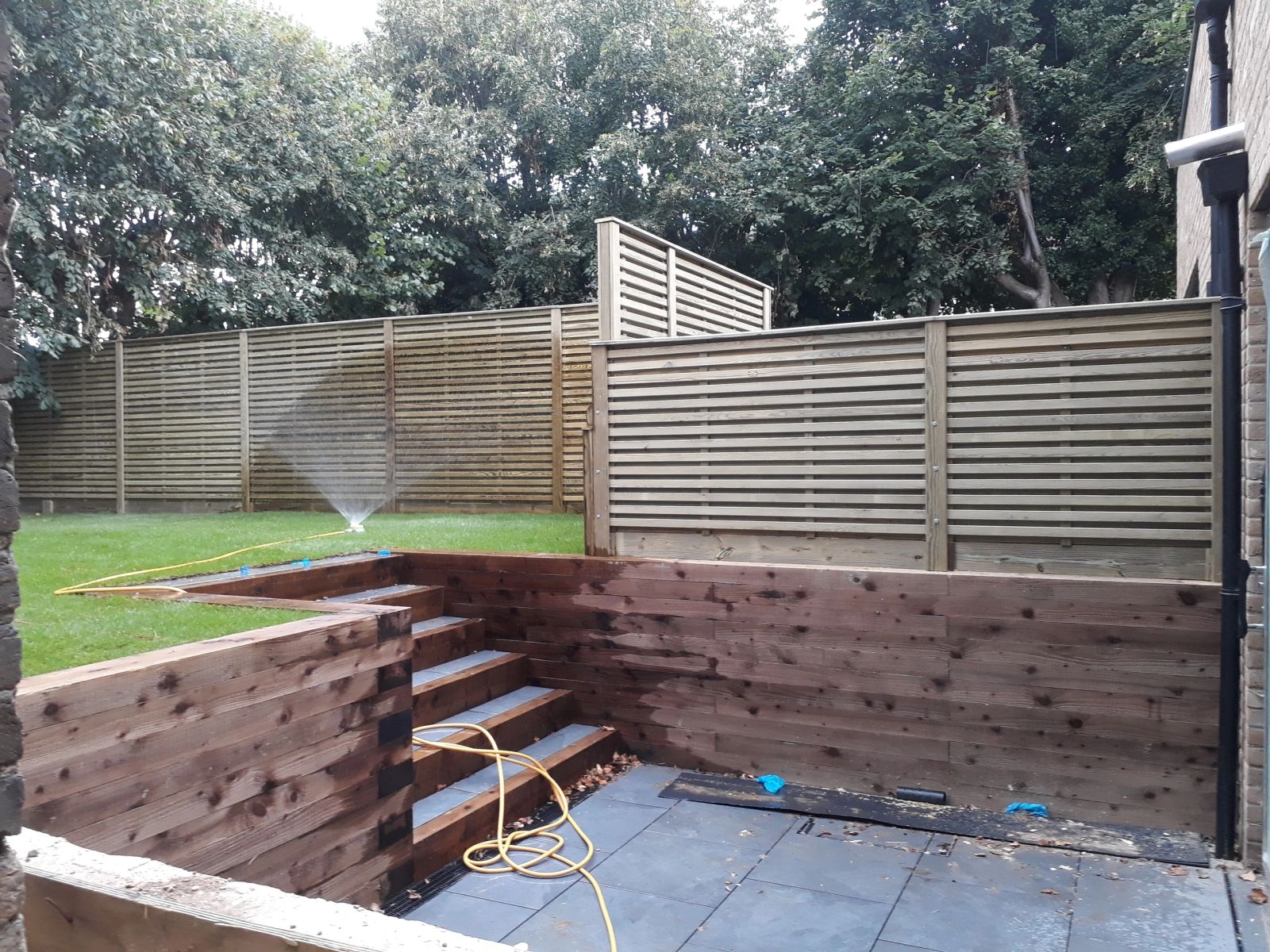
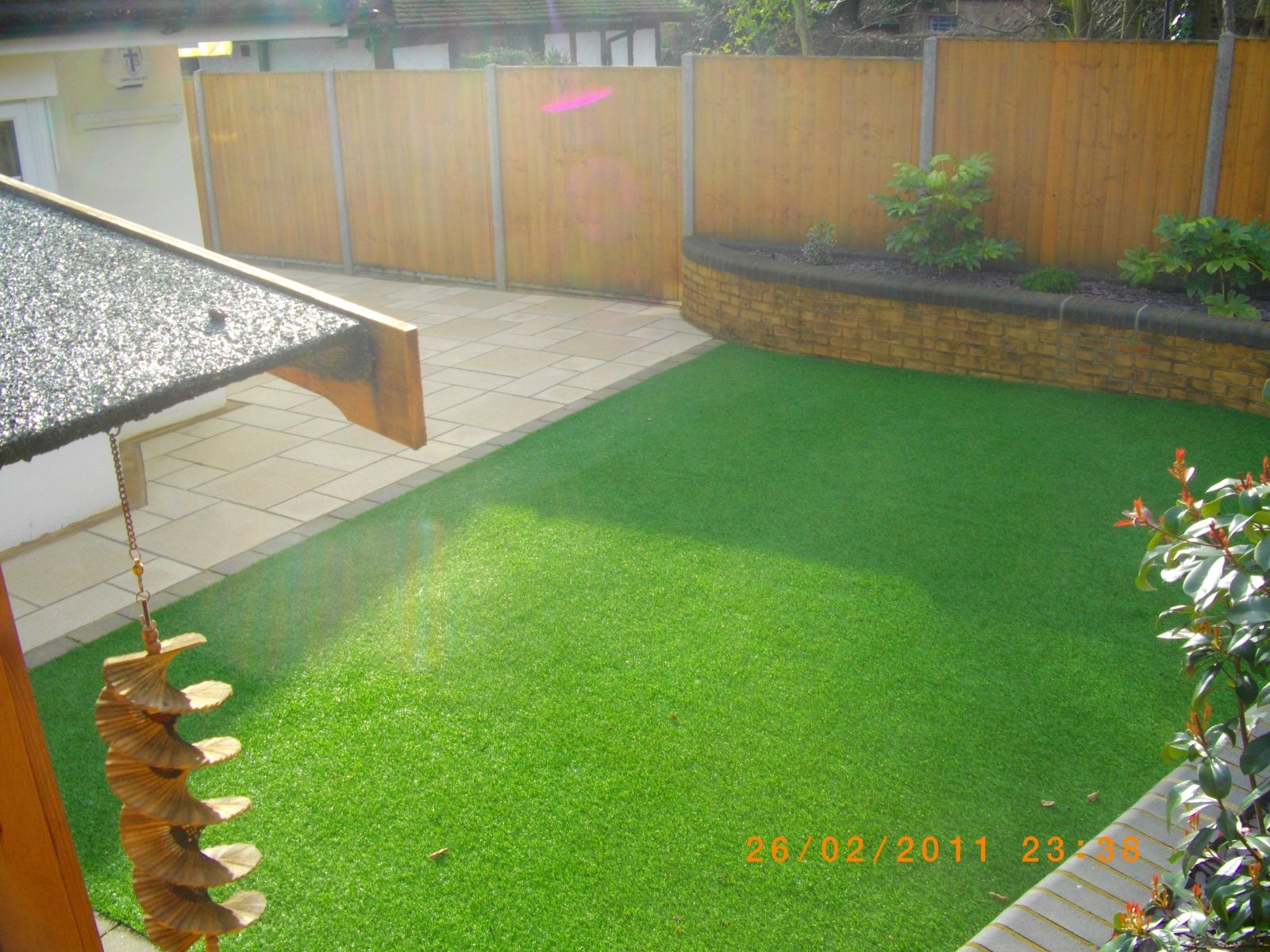
Capital Fencing project in Haldens, AL7Capital Fencing project in Haldens, AL7Capital Fencing project in Haldens, AL7
AL7

Haldens is part of our Welwyn Garden City coverage under Welwyn Hatfield Borough Council, with its own property mix and its own recurring brief.

Property & garden in Haldens

Property: post-war planned terraces in tight groupings around shared greens

Gardens: small gardens with shared rear access lanes

shared access lanes mean fence ownership often needs sorting with multiple neighbours

Nearest arterial: B1000, A1(M) J6. Served from Welwyn Garden City (East Coast). Nearby commercial anchors: Haldens parade.

Practical points for boundary work in Haldens

Replacing a fence on the same line as before

Replacing a fence exactly where the old one stood is generally the lowest-risk approach from a boundary perspective, since it maintains a position both neighbours have already implicitly accepted for years.

It's still worth flagging the planned replacement to a neighbour beforehand, particularly if the new fence will be a different height, material or style to what's there now.

Where the old fence's exact line is unclear because it has leant or shifted over time, marking out the intended new line and briefly confirming it with the neighbour avoids later disagreement.

Ground clearance for airflow

Leaving a consistent gap, typically 50-75mm, between the underside of a fence panel or gate and the ground lets air circulate around the bottom rail, which is usually the first part of a timber fence to rot.

That clearance also stops the panel wicking moisture directly from wet grass or standing puddles after rain, something ground contact makes almost unavoidable over time.

On sites with soft or uneven ground, a gravel board fitted below the panel achieves the same protection while keeping the panel itself off the soil entirely.

Covenants restricting side and rear fence height

Some estates carry covenants limiting side or rear boundary fence height below the normal 2m permitted development figure, often to preserve sightlines or a particular street character.

These restrictions are private and enforced separately from planning law, meaning a fence could comply fully with planning rules and still breach the estate's covenant.

It's worth checking the title register for this kind of restriction on any estate where neighbouring gardens seem to share an unusually consistent boundary height.

Checking a panel is square before final fixing

A panel that's racked slightly out of square, even by a small amount, becomes obvious once several are fitted in a row and the tops don't line up evenly.

Measuring both diagonals of the panel frame before fixing, the same check used on gate openings, confirms it's true and worth doing before the first fixing goes in rather than after, when the panel is harder to shift.

A panel forced square against an out-of-true post rather than corrected itself tends to spring back out of shape once the fixings are removed for any future repair, so it's worth addressing the actual cause rather than just clamping it straight.

Sloped gardens and retaining

A sloping plot usually rules out a single level run of panel fencing — the choice is between stepping the fence in even drops between posts, or raking the panels to follow the slope continuously.

Stepped runs look tidier on a steeper gradient and are simpler to repair panel-by-panel; raked runs suit a gentler, more even slope and avoid the small triangular gaps a stepped fence leaves underneath.

Where the drop is severe enough to need a retaining structure rather than just a stepped fence, that's a different job with its own drainage and engineering requirements, not something to bolt onto a fencing quote as an afterthought.

Arris rail mortice joints as a water trap

The mortice joint where an arris rail meets a post is a natural place for water to collect, since the joint interrupts the smooth run of both timbers and can hold moisture in the gap even after the surrounding wood has dried.

This is a common early failure point on older featherboard fencing, where the rail can rot through at the joint while the rest of the rail well away from the post remains sound.

Modern galvanised joist-hanger-style brackets used instead of a traditional mortice avoid this trap entirely, which is why many newer close-boarded fences use bracket fixings even where the visual style still resembles a traditional arris rail panel.

Services in Haldens

Free quote for Haldens

Send your postcode and a couple of photos — we'll get back with a written quote.

Haldens — frequently asked

What's the most common issue you plan around in Haldens?

Shared access lanes mean fence ownership often needs sorting with multiple neighbours.

What's the typical garden like in Haldens?

Small gardens with shared rear access lanes is typical, alongside post-war planned terraces in tight groupings around shared greens.

How does "covenants restricting side and rear fence height" affect fencing or decking work in Haldens?

Some estates carry covenants limiting side or rear boundary fence height below the normal 2m permitted development figure, often to preserve sightlines or a particular street character. These restrictions are private and enforced separately from planning law, meaning a fence could comply fully with planning rules and still breach the estate's covenant. It's worth checking the title register for this kind of restriction on any estate where neighbouring gardens seem to share an unusually consistent boundary height.

Is arris rail mortice joints as a water trap something you plan for in Haldens?

Modern galvanised joist-hanger-style brackets used instead of a traditional mortice avoid this trap entirely, which is why many newer close-boarded fences use bracket fixings even where the visual style still resembles a traditional arris rail panel. The mortice joint where an arris rail meets a post is a natural place for water to collect, since the joint interrupts the smooth run of both timbers and can hold moisture in the gap even after the surrounding wood has dried. This is a common early failure point on older featherboard fencing, where the rail can rot through at the joint while the rest of the rail well away from the post remains sound.

How does "checking a panel is square before final fixing" affect fencing or decking work in Haldens?

Measuring both diagonals of the panel frame before fixing, the same check used on gate openings, confirms it's true and worth doing before the first fixing goes in rather than after, when the panel is harder to shift. A panel forced square against an out-of-true post rather than corrected itself tends to spring back out of shape once the fixings are removed for any future repair, so it's worth addressing the actual cause rather than just clamping it straight. A panel that's racked slightly out of square, even by a small amount, becomes obvious once several are fitted in a row and the tops don't line up evenly.

How does "sloped gardens and retaining" affect fencing or decking work in Haldens?

A sloping plot usually rules out a single level run of panel fencing — the choice is between stepping the fence in even drops between posts, or raking the panels to follow the slope continuously. Stepped runs look tidier on a steeper gradient and are simpler to repair panel-by-panel; raked runs suit a gentler, more even slope and avoid the small triangular gaps a stepped fence leaves underneath. Where the drop is severe enough to need a retaining structure rather than just a stepped fence, that's a different job with its own drainage and engineering requirements, not something to bolt onto a fencing quote as an afterthought.

B1000 runs through this pocket, with Welwyn Garden City (East Coast) nearby. Covenants restricting side and rear fence height: Some estates carry covenants limiting side or rear boundary fence height below the normal 2m permitted development figure, often to preserve sightlines or a particular street character. These restrictions are private and enforced separately from planning law, meaning a fence could comply fully with planning rules and still breach the estate's covenant. Checking a panel is square before final fixing: A panel that's racked slightly out of square, even by a small amount, becomes obvious once several are fitted in a row and the tops don't line up evenly.

Get In Touch

Get My Free Quote — 24h Response

No callout fee · Free site visit · Friendly local team covering London & Hertfordshire.

Request a Free Quote

We'll get back to you within 24 hours.

Free Site Visit No Callout Fee
Call WhatsAppQuote